
Chinese Elemental Tarot: Nature Cycles & Zodiac Predictions
Unveiling the Chinese Elemental Tarot: A Fusion of Ancient Wisdom
The quest for self-understanding and foresight has driven humanity for millennia, leading to the development of diverse divination systems across cultures. Among these, the Chinese Elemental Tarot emerges as a fascinating and deeply insightful practice, uniquely blending the profound philosophical underpinnings of Chinese metaphysics with the rich symbolic language of Western Tarot. This system offers a nuanced perspective on personal journeys, intertwining the cyclical nature of the Five Elements and the predictive power of the Chinese Zodiac with the archetypal narratives of tarot cards.
Índice de Contenidos
- Unveiling the Chinese Elemental Tarot: A Fusion of Ancient Wisdom
- Table of Contents
- The Foundational Pillars: Elements, Zodiac, and Tarot
- The Synergy: How They Intersect
- Interpreting the Chinese Elemental Tarot
- Benefits of This Integrated System
- Conclusion: Harmonizing Destiny and Nature
- Explore More Esoteric Wisdom
Far from being a mere combination of disparate tools, the Chinese Elemental Tarot creates a synergistic framework that enriches interpretations and provides a more holistic view of an individual's path. It moves beyond simple predictions, delving into the energetic dynamics that shape experiences and offering guidance on how to align with natural flows for greater harmony and success. This introductory guide will explore the core components of this system, illustrating how their integration unlocks deeper layers of meaning and practical wisdom for modern life.
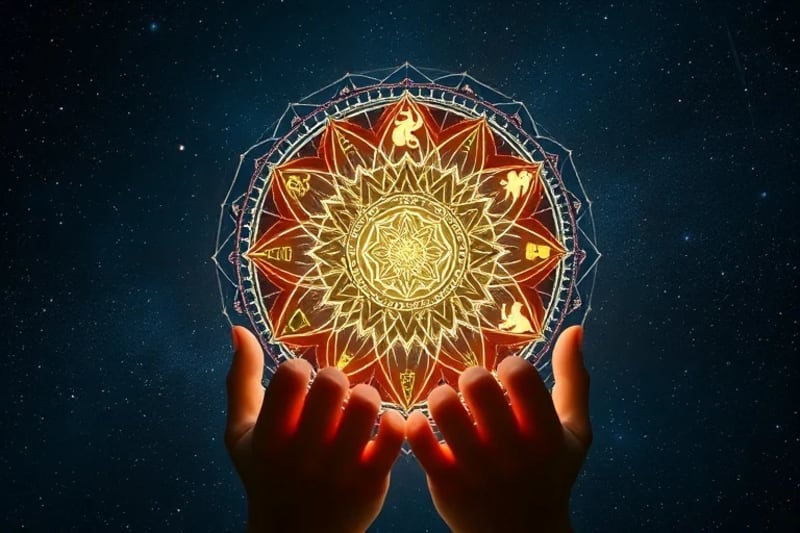 A visual synthesis of ancient wisdom: conceptual tarot cards, elemental symbols, and zodiac influences converging in a mystical setting.
This conceptual rendering, crafted by advanced AI, explores the intricate fusion of Chinese elemental philosophy and the symbolic depth of tarot, reflecting a timeless pursuit of insight.
Table of Contents
- The Foundational Pillars: Elements, Zodiac, and Tarot
- Understanding the Chinese Five Elements
- The Influence of the Chinese Zodiac
- The Archetypes of Western Tarot
- The Synergy: How They Intersect
- Interpreting the Chinese Elemental Tarot
- Benefits of This Integrated System
- Conclusion: Harmonizing Destiny and Nature
The Foundational Pillars: Elements, Zodiac, and Tarot
To truly appreciate the depth of the Chinese Elemental Tarot, it is essential to first understand its individual components. Each system brings its own unique lens through which to view reality, and their combination creates a powerful, multi-dimensional interpretive framework. This synthesis allows for a more personalized and contextually rich reading experience, moving beyond generic interpretations to address the specific energetic makeup and life circumstances of the individual.
The integration of these systems acknowledges that human experience is not static but a dynamic interplay of internal predispositions and external environmental forces. By understanding these foundational pillars, practitioners can unlock a deeper understanding of the messages conveyed through the cards, offering guidance that resonates on multiple levels of existence.
Understanding the Chinese Five Elements
Central to Chinese philosophy, the Five Elements (Wu Xing) – Wood, Fire, Earth, Metal, and Water – are not merely substances but dynamic phases or states of transformation that govern everything in the universe, from natural phenomena to human physiology and personality. Each element is associated with specific qualities, directions, seasons, colors, emotions, and even bodily organs. They interact in cycles of creation (Sheng) and control (Ke), maintaining balance and influencing energetic flows.
In the context of the Chinese Elemental Tarot, understanding which element is dominant in a reading, or which element a particular tarot card or zodiac sign resonates with, adds significant layers of interpretation. It helps to identify the underlying energetic forces at play, whether they are supportive, challenging, or require specific attention. For instance, a "Fire" element influence might suggest passion and rapid change, while "Water" might indicate intuition and emotional depth.
- Wood: Growth, creativity, flexibility, ambition. Associated with spring, east, liver, and anger.
- Fire: Passion, energy, transformation, joy. Associated with summer, south, heart, and joy/excitement.
- Earth: Stability, nurturing, practicality, grounding. Associated with late summer, center, spleen, and worry.
- Metal: Structure, discipline, introspection, refinement. Associated with autumn, west, lungs, and grief.
- Water: Intuition, wisdom, adaptability, flow. Associated with winter, north, kidneys, and fear.
The Influence of the Chinese Zodiac
The Chinese Zodiac, a 12-year cycle represented by animals, offers profound insights into personality traits, inherent strengths, weaknesses, and life paths. Each animal sign is also associated with one of the Five Elements, creating a 60-year cycle that adds further nuance to individual characteristics and yearly predictions. For example, a person born in the Year of the Fire Serpent will have different qualities than one born in the Year of the Water Serpent, as explored in Fire Serpent Horoscope: Traits, Destiny, Compatibility.
When integrated with tarot, the Chinese Zodiac can illuminate the archetypal energies influencing a person or situation. A tarot card might take on a different meaning if the reading is for someone born under the sign of the Dragon, known for its power and ambition, versus someone born under the gentle Rabbit. This layer of interpretation helps to contextualize the tarot's message within the individual's inherent energetic blueprint, offering more tailored advice.
 A beautiful watercolor depiction of the Five Elements in balance, symbolizing nature's profound influence on existence.
The Archetypes of Western Tarot
The Western Tarot, with its 78 cards divided into Major and Minor Arcana, provides a rich tapestry of archetypal symbols, narratives, and psychological insights. Each card represents a stage in the human journey, a specific emotion, challenge, or opportunity. The Major Arcana depicts significant life lessons and spiritual themes, while the Minor Arcana reflects everyday experiences and practical matters. The art of Manifestation Tarot: Crafting Intentions Desired Outcomes highlights its power.
In the Chinese Elemental Tarot, the traditional meanings of the tarot cards are not discarded but are deepened and refined by the elemental and zodiacal overlays. A card like "The Emperor," traditionally associated with authority and structure, can be further understood through the lens of the Metal element (structure, discipline) or a strong Earth element (stability, foundation), depending on the context of the reading and the querent's energetic profile.
The Synergy: How They Intersect
The true power of the Chinese Elemental Tarot lies in its synergistic approach. Instead of viewing these systems in isolation, they are woven together to create a more comprehensive and dynamic interpretive framework. The elements provide the energetic context, the zodiac offers the personal blueprint, and the tarot cards present the narrative and specific guidance. This layered approach allows for a much more precise and actionable reading.
For example, if a reading reveals the "Tower" card (sudden change, upheaval) for an individual born under a strong "Wood" element influence, the interpretation might focus on how this upheaval relates to issues of growth, flexibility, or even suppressed anger, providing specific avenues for resolution. Conversely, if the same card appears for a "Metal" element individual, the focus might shift to rigid structures breaking down, or the need for introspection and letting go.
This integration also allows for a deeper understanding of compatibility, not just between people, but between an individual and a particular life situation or career path. By analyzing the elemental balance and zodiacal influences within a tarot spread, one can discern whether a proposed action aligns with their natural energetic flow or if adjustments are needed to achieve greater harmony, much like understanding planetary aspects in a natal chart as discussed in Advanced Planetary Aspects: Unlocking Natal Chart Potential.
Interpreting the Chinese Elemental Tarot
While a full guide to reading the Chinese Elemental Tarot would require extensive study, here are some foundational steps to begin understanding its interpretive process:
- Identify the Querent's Elemental and Zodiacal Profile: Determine the dominant element and Chinese Zodiac sign of the person receiving the reading. This provides a baseline energetic context.
- Select a Tarot Spread: Choose a traditional tarot spread (e.g., Celtic Cross, Three-Card Spread) that suits the question being asked.
- Draw and Interpret Cards Traditionally: Lay out the cards and interpret their individual meanings based on Western Tarot symbolism.
- Overlay Elemental Influences: For each card, consider which of the Five Elements it most strongly embodies or which element is most prevalent in the overall spread. For example, Swords might lean towards Metal (intellect, structure), Wands towards Fire (passion, action), Cups towards Water (emotions, intuition), and Pentacles towards Earth (materiality, stability).
- Integrate Zodiacal Context: Consider the querent's zodiac sign and how its inherent traits might color the interpretation of the cards. For instance, a "challenge" card for a "Tiger" might suggest a need to temper impulsiveness, while for a "Goat," it might indicate overcoming shyness.
- Analyze Elemental Cycles: Look for patterns in the elements present in the spread. Are they in a creative (Sheng) or controlling (Ke) cycle? This reveals the dynamic energetic interplay within the situation.
- Formulate a Holistic Interpretation: Combine all these layers to provide a comprehensive and nuanced answer that addresses not only the "what" but also the "why" and "how" from an energetic perspective.
 An abstract digital artwork illustrating the subtle cosmic energies and zodiacal influences that shape our destiny and inform tarot readings.
Benefits of This Integrated System
The Chinese Elemental Tarot offers several distinct advantages over using each system independently. Its integrated nature provides a depth of insight that is both practical and spiritually enriching.
- Enhanced Clarity: By layering multiple perspectives, the messages become clearer and more specific, reducing ambiguity in interpretations.
- Holistic Understanding: It provides a complete picture, considering not just external events but also internal energetic states and inherent predispositions.
- Actionable Guidance: Understanding the elemental dynamics allows for more precise advice on how to balance energies, overcome challenges, and leverage strengths.
- Personalized Readings: The integration of individual zodiac and elemental profiles ensures that readings are highly tailored to the querent's unique energetic blueprint.
- Deeper Self-Awareness: It encourages a profound understanding of one's own elemental makeup and how it interacts with the world, fostering personal growth and self-mastery.
Conclusion: Harmonizing Destiny and Nature
The Chinese Elemental Tarot represents a powerful evolution in divination, bridging Eastern philosophical wisdom with Western esoteric traditions. By harmonizing the dynamic cycles of the Five Elements, the archetypal personalities of the Chinese Zodiac, and the symbolic narratives of the Tarot, it offers an unparalleled tool for self-exploration and guidance. This system encourages individuals to view their lives not as a series of isolated events, but as an intricate dance of energies, constantly influenced by the greater cycles of nature and destiny.
Embracing the Chinese Elemental Tarot can lead to a more profound connection with one's inner self and the cosmic forces at play, fostering a life of greater balance, purpose, and informed decision-making. It is a testament to the universal human desire to understand our place in the universe and to navigate our paths with wisdom and foresight.
Explore More Esoteric Wisdom
Delve deeper into the interconnected realms of astrology, divination, and personal growth with our curated selection of articles:
- Mercury Sign Communication Intellect: Astrological Guide | StarPluto
- Biophilic Manifestation Nature's Blueprint: Harmonizing Intentions
- Quantum Manifestation Hermetic Principles Cosmic Laws Reality
- Tasseography: Tea Leaf Reading for Intuitive Guidance
- Tarot Reading Career Guidance: Unlocking Professional Paths
- Neuro-Astrology Quantum: Brain Synchronization Patterns
- Mystical Stigmata Neuroscience: Brain-Faith Connection Christian Phenomena
Source: Hybrid content assisted by AI and human editorial supervision.
🌐 Descubre nuestro Ecosistema de Contenidos
Amplía tu perspectiva explorando estas guías recomendadas de nuestra red:
- Starpluto: Astro-Archeology Unearthing Ancient Celestial Narratives
- Starpluto: Mesoamerican Astrology: Decoding Ancient Cosmic Cycles
- Althox: Economía Bien Común: Alternativa Capitalismo Tradicional Impacto | Althox
- Astrofuturo: Partes Arábigos: Fortuna, Espíritu, Matrimonio y Más | AstroFuturo
- Profecias: Santos Digitales: Intercesores Contra Adicción Desinformación


Comments
Post a Comment