
Planetary Shadow Integration: Outer Aspects Personal Growth
In the intricate tapestry of astrological understanding, the concept of the planetary shadow holds profound significance for personal growth and spiritual evolution. Far beyond the superficial interpretations of zodiac signs, the planetary shadow delves into the unconscious aspects of our psyche, often revealed through challenging astrological configurations and the influence of the outer planets. Integrating these hidden facets is not merely an act of self-improvement but a crucial step towards holistic self-awareness and authentic living.
This exploration will navigate the depths of astrological symbolism, drawing parallels with psychological concepts to illuminate how confronting and integrating our planetary shadows can unlock immense potential. We will examine the roles of the outer planets—Uranus, Neptune, and Pluto—as cosmic agents of transformation, compelling us to acknowledge and assimilate the parts of ourselves that remain unexamined or repressed. Understanding these dynamics offers a powerful pathway to profound personal development.
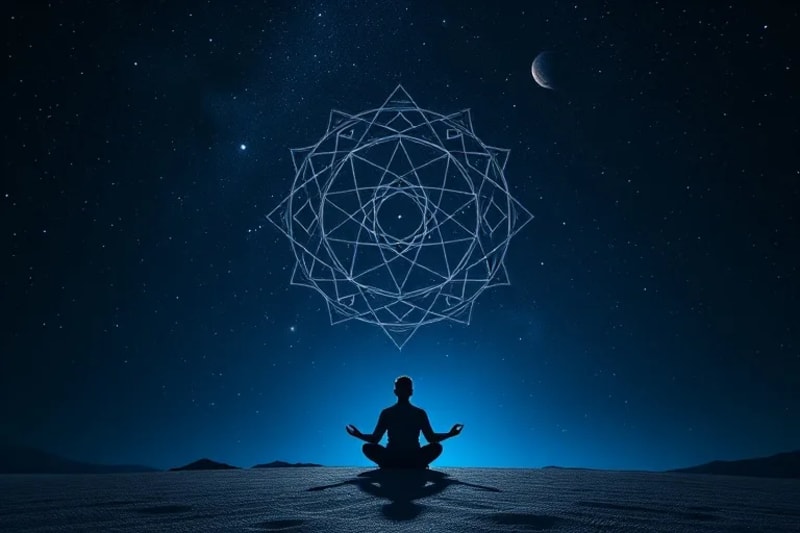
A cosmic journey into self-discovery, where celestial alignments and inner reflections converge to illuminate the path of personal integration.
This conceptual rendering, generated by advanced AI, offers a visual metaphor for the profound astrological process of confronting and integrating the planetary shadow within the vastness of the cosmos.Table of Contents
Understanding the Planetary Shadow in Astrology
The Influence of Outer Planets: Catalysts for Change
Identifying Shadow Aspects in the Natal Chart
Strategies for Integrating Planetary Shadows
Planetary Transits and the Activation of Shadow Material
Shadow Dynamics in Astrological Relationships (Synastry)
The Transformative Power of Shadow Integration
Understanding the Planetary Shadow in Astrology
The concept of the "shadow" was popularized by Swiss psychiatrist Carl Jung, who described it as the unconscious aspect of the personality that the conscious ego does not identify with. It comprises repressed ideas, weaknesses, desires, instincts, and shortcomings. In astrology, the planetary shadow extends this psychological framework to the planetary archetypes present in an individual's birth chart.
Each planet represents a fundamental psychological function or drive. When a planet is afflicted, poorly aspected, or placed in a challenging house, its energies may be expressed in distorted, repressed, or unconscious ways. This distorted expression constitutes the planetary shadow. For instance, a challenging Mars might manifest as unacknowledged anger or passive aggression, rather than assertive action.
The shadow is not inherently "bad"; it simply represents unintegrated parts of the self. These unintegrated aspects often manifest through projection, where individuals see their own unacknowledged traits in others. Recognizing these projections is the first critical step towards integrating the planetary shadow and reclaiming one's full psychological power.
The Influence of Outer Planets: Catalysts for Change
The outer planets—Uranus, Neptune, and Pluto—play a particularly crucial role in activating and revealing our planetary shadows. These transpersonal planets operate on a collective, generational level, but their transits and aspects to personal planets in a natal chart trigger profound individual transformations. They challenge our existing structures, dissolve illusions, and force us to confront uncomfortable truths.
- Uranus: The Awakener. Uranus disrupts, innovates, and liberates. When Uranus aspects a personal planet, it can bring sudden awareness to repressed desires for freedom or rebellion. Its shadow manifestation might be erratic behavior, an inability to commit, or a fear of individuality. Uranus forces us to break free from outdated patterns, often by exposing where we have suppressed our unique expression.
- Neptune: The Dissolver. Neptune governs spirituality, dreams, illusions, and escapism. Its influence can dissolve boundaries, leading to heightened intuition or profound confusion. The Neptunian shadow often involves self-deception, addiction, or a tendency to idealize others. Integrating Neptune's shadow requires discerning truth from illusion and establishing healthy boundaries while embracing spiritual connection.
- Pluto: The Transformer. Pluto rules death, rebirth, power, and psychological depth. It strips away the superficial to reveal core truths, often through intense crises. The Plutonian shadow can manifest as control issues, manipulation, obsession, or a fear of vulnerability. Integrating Pluto involves confronting our deepest fears, transforming destructive patterns, and reclaiming authentic personal power.
These outer planets act as cosmic mirrors, reflecting our unintegrated aspects and demanding our attention. Their long cycles ensure that these themes are revisited over extended periods, providing ample opportunity for deep psychological work and integration. The influence of these planets can be further understood by exploring deeper layers of astrological interpretation, such as through the Decans Zodiac: Deeper Layers Sign Interpretation.
A visual journey into the intricate dance between cosmic forces and the human mind, symbolizing the profound process of psychological integration.
This digital artwork, created by AI algorithms, illustrates the complex interplay of universal energies and inner consciousness, a core theme in esoteric astrology.Identifying Shadow Aspects in the Natal Chart
Identifying planetary shadow aspects in a natal chart requires a nuanced understanding of astrological symbolism. It's not just about "bad" aspects but about where energy is blocked, repressed, or overcompensated. Key indicators include:
- Challenging Aspects (Squares, Oppositions, Quincunxes): These aspects between planets often highlight areas of internal conflict and tension. For example, a Mars-Saturn square might indicate repressed anger or a struggle with self-assertion, leading to a shadow of resentment or fear of action.
- Planets in Difficult Houses: Planets placed in houses that are traditionally considered challenging (e.g., 6th, 8th, 12th houses) can signify areas where unconscious patterns operate. A Venus in the 12th house, for instance, might point to hidden desires or difficulties in expressing love directly, leading to a shadow of unworthiness or secretive relationships.
- Retrograde Planets: While not inherently "shadow," retrograde planets suggest an internalized or re-evaluated expression of their energies. This can lead to a more introspective processing of planetary themes, but also to a tendency to hold back or overthink, creating a shadow of inaction or self-doubt.
- Unaspected Planets: A planet without major aspects can operate somewhat autonomously, making its energies harder to integrate into the overall personality. This can lead to a "blind spot" where the planet's function is expressed in an unrefined or exaggerated manner, forming a shadow.
Understanding these placements provides a roadmap to the unconscious, allowing individuals to pinpoint where their shadow material resides. This analytical approach aligns with the principles of Lunar Nodes Aspects: Karmic Connections in Birth Chart, which also highlight areas of karmic lessons and unconscious drives.
Strategies for Integrating Planetary Shadows
Integrating the planetary shadow is an ongoing process that demands self-awareness, courage, and consistent effort. It involves bringing unconscious material into conscious awareness and accepting it as part of the self. Here are several effective strategies:
- Shadow Journaling: Regularly writing about dreams, recurring patterns, strong reactions to others, and uncomfortable emotions can reveal hidden aspects of the self. Ask: "What traits do I dislike most in others? Where do I exhibit these traits?" This practice helps to identify projections.
- Active Imagination: Jungian technique involving dialogue with figures or symbols from dreams or fantasies. This can be extended to dialoguing with the archetypal energy of a challenging planet in your chart, asking what it needs or wants to express.
- Therapy and Coaching: Working with a qualified therapist or astrological counselor can provide a safe space to explore shadow material. They can offer guidance, objective feedback, and techniques for processing difficult emotions and integrating repressed experiences.
- Mindfulness and Meditation: Cultivating a non-judgmental awareness of thoughts, feelings, and bodily sensations can help individuals observe their shadow manifestations without immediately reacting to them. This creates space for conscious choice rather than unconscious reaction.
- Creative Expression: Engaging in art, music, dance, or writing can be a powerful way to express and integrate shadow material. These outlets allow for symbolic expression of difficult emotions or repressed desires, bringing them into a tangible form.
The goal is not to eliminate the shadow but to integrate it, transforming it from a destructive force into a source of wisdom and strength. This process is deeply aligned with principles of conscious creation and manifestation, as discussed in Law of Attraction: Principles for Conscious Creation.
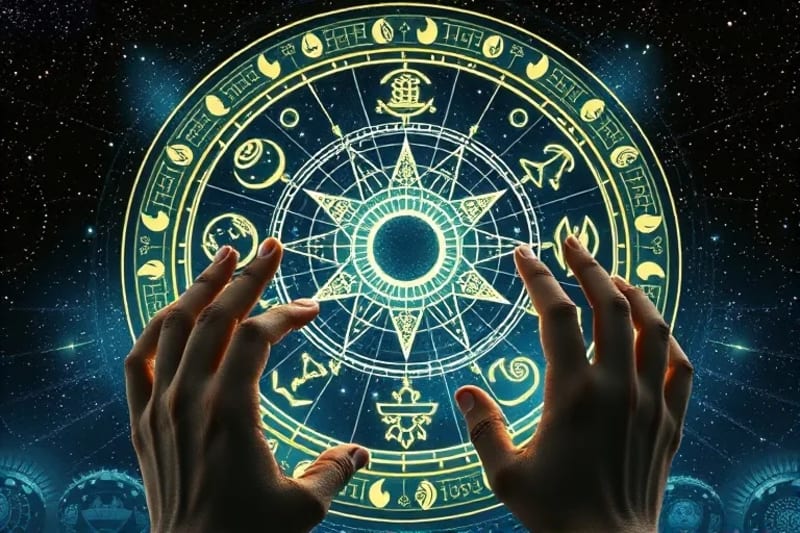
An intricate holographic projection of an astrological chart, symbolizing the active engagement required for personal growth and the integration of celestial influences.
This 3D render, conceptualized by AI, visually represents the dynamic interaction between individual effort and the profound insights offered by astrological analysis.Planetary Transits and the Activation of Shadow Material
Planetary transits are dynamic astrological events where the current positions of planets interact with the planets in an individual's natal chart. These transits often serve as triggers, activating latent shadow material and bringing it to the forefront of consciousness. Outer planet transits, in particular, are known for their profound and often challenging impact.
For example, a Pluto transit squaring a natal Sun might bring forth deep-seated power struggles or issues of control that have been repressed. A Neptune transit conjuncting a natal Moon could dissolve emotional boundaries, leading to confusion or a heightened sense of empathy, forcing individuals to confront their emotional dependencies or escapist tendencies. These periods are often uncomfortable but are essential for growth.
Understanding the nature of these transits allows individuals to approach these periods with conscious awareness rather than feeling overwhelmed by seemingly random crises. By recognizing the archetypal energies at play, one can actively engage with the shadow material being activated, rather than passively reacting to it. This proactive approach transforms potential crises into opportunities for profound self-discovery and empowerment.
Shadow Dynamics in Astrological Relationships (Synastry)
Relationships are fertile ground for the manifestation and integration of the planetary shadow. In synastry, the astrological comparison of two birth charts, challenging aspects between planets can highlight areas where partners trigger each other's unintegrated shadow material. What we find irritating or captivating in another person often reflects an unacknowledged part of ourselves.
For instance, if one person's Mars squares another's Pluto, intense power dynamics or control issues might arise, reflecting the unintegrated Plutonian or Martian shadow of one or both individuals. Similarly, a challenging Venus aspect might reveal unacknowledged patterns in love and relationships, as explored in Venus Zodiac Signs: Decoding Love Language & Values.
Consciously working with these dynamics in relationships involves recognizing projections, taking responsibility for one's own shadow, and communicating openly about these challenging areas. Rather than blaming the other person, partners can use these triggers as opportunities for mutual growth and deeper understanding. This transforms potential conflict into a powerful catalyst for individual and relational evolution.
The Transformative Power of Shadow Integration
The integration of the planetary shadow is a transformative journey that leads to profound personal growth and a more authentic existence. By consciously embracing our unintegrated parts, we reclaim lost energy, expand our self-awareness, and achieve a greater sense of wholeness. This process is not about becoming "perfect" but about becoming more complete and self-accepting.
The benefits of shadow integration are manifold:
- Increased Authenticity: Living in alignment with one's true self, free from the constraints of repression and pretense.
- Enhanced Self-Awareness: A deeper understanding of one's motivations, patterns, and psychological landscape.
- Greater Resilience: The ability to navigate challenges with strength, having confronted and assimilated difficult aspects of the self.
- Improved Relationships: Healthier interactions based on genuine connection rather than projection or unconscious dynamics.
- Unleashed Potential: Accessing untapped creativity, wisdom, and personal power previously locked away in the unconscious.
- Spiritual Evolution: A deeper connection to one's spiritual path, as integration often leads to a more profound sense of purpose and interconnectedness.
Integrating the planetary shadow is a lifelong journey, but each step taken brings greater freedom, wisdom, and self-mastery. It is a testament to the profound insights that astrology, when combined with psychological understanding, can offer for navigating the complexities of the human experience.
Explore More Astrological Insights
Dive deeper into the fascinating world of astrology and self-discovery with these related articles:
- Emerald Tablet Hermetic Principles Quantum Manifestation Reality Shaping
- Chinese Zodiac Archetypes: Crafting Personal Narratives
- Fixed Stars Galactic Center Natal Chart Soul Purpose
- Astrodynamics Interplanetary Travel: Routes, Challenges, AI
- Applied Karmic Numerology: Soul Codes Past Lives
- Gregorian Chant Neuroscience: Spiritual Healing Deep Meditation
Source: Hybrid content assisted by AI and human editorial supervision.


Comments
Post a Comment