
Biophilic Design Urban Geomancy: Harmonizing Cities
Biophilic Design and Urban Geomancy: Harmonizing Cities with Nature and Cosmic Energies
In an increasingly urbanized world, the quest for sustainable and human-centric living spaces has led to the emergence of innovative architectural and planning philosophies. Among these, biophilic design and urban geomancy stand out as powerful approaches aimed at reconnecting city dwellers with the natural world and the subtle energies of their environment. While seemingly distinct, these two disciplines share a common goal: to foster harmony, well-being, and vitality within our built surroundings. This article explores their foundational principles, practical applications, and the profound synergy achieved when they are integrated into urban development.
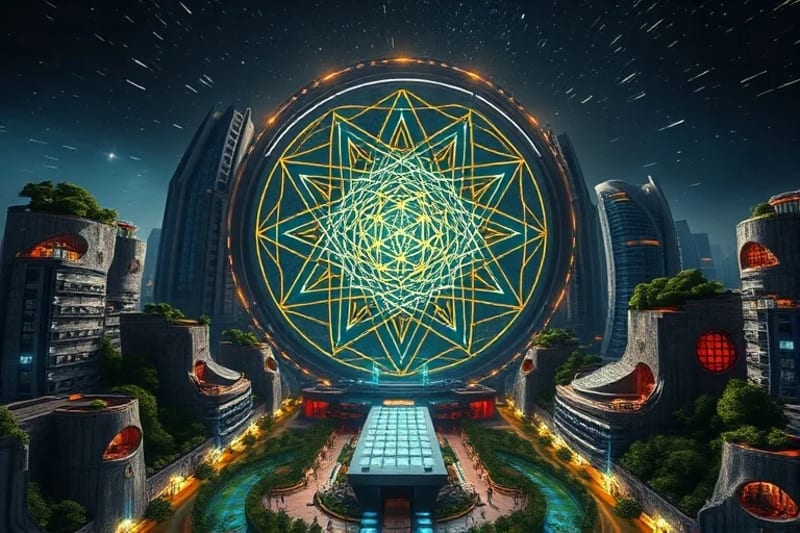 Conceptual rendering of a future city where natural elements and energetic flows intertwine, creating a balanced and vibrant urban ecosystem.
This visual concept, blending advanced architecture with ecological principles and subtle energy pathways, is an AI-generated artistic interpretation, reflecting the evolving vision for urban development.
Table of Contents
- Biophilic Design: Reconnecting with Nature's Essence
- Urban Geomancy: Tapping into Earth's Energetic Blueprint
- The Synergy: Biophilic Geomancy in Urban Planning
- Benefits and Societal Impact
- Challenges and Future Directions
- Conclusion: Crafting Harmonious Urban Futures
Biophilic Design: Reconnecting with Nature's Essence
Biophilic design is an innovative approach to architecture and interior design that seeks to integrate natural elements and processes into the built environment. Coined by Edward O. Wilson, the term "biophilia" refers to the innate human tendency to connect with nature and other living systems. This design philosophy acknowledges that humans thrive when exposed to natural light, fresh air, vegetation, and natural patterns, which collectively contribute to physical and psychological well-being.
The core principles of biophilic design extend beyond merely adding plants to a room. They encompass a deeper understanding of how natural systems function and how these can be mimicked or directly incorporated into urban spaces. These principles can be broadly categorized into three areas: direct nature, natural analogues, and the human-nature relationship. Direct nature involves tangible contact with natural elements such as daylight, fresh air, water features, and living plants.
Natural analogues refer to the incorporation of non-living elements that evoke nature, such as natural shapes, patterns, colors, and materials like wood and stone. The human-nature relationship focuses on creating spaces that foster emotional and cognitive connections to nature, including views of natural landscapes, opportunities for exploration, and a sense of refuge or prospect. By applying these principles, biophilic design aims to reduce stress, enhance creativity, improve cognitive function, and accelerate healing, making urban environments more conducive to human flourishing.
Urban Geomancy: Tapping into Earth's Energetic Blueprint
Urban geomancy, often seen as a modern interpretation of ancient practices like Feng Shui and Vastu Shastra, focuses on understanding and harmonizing with the subtle energies of a specific location. It posits that the Earth possesses energetic currents, often referred to as ley lines or dragon lines, which can influence the vitality and well-being of inhabitants. These energy pathways, along with topographical features, water bodies, and celestial alignments, are believed to create a unique energetic signature for each site.
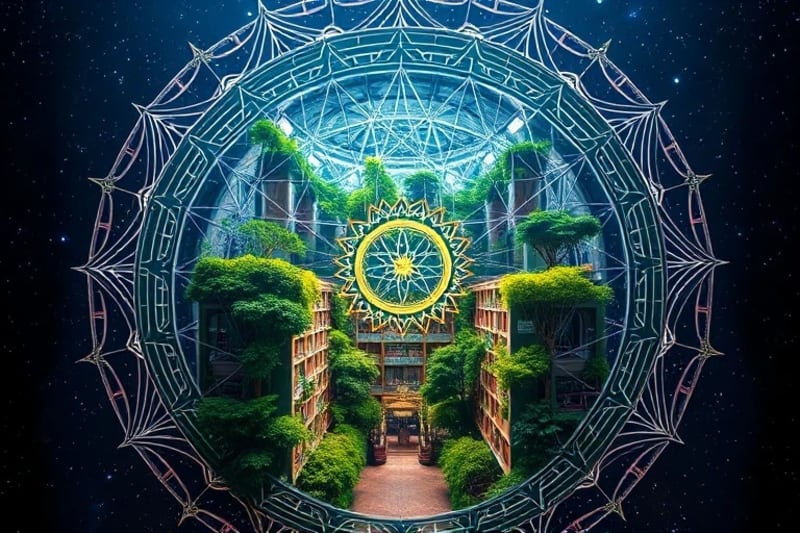 An artistic depiction of a building integrating both visible natural elements and subtle, invisible energy pathways.
The practice of urban geomancy involves assessing these energetic patterns to inform site selection, urban planning, and architectural design. The goal is to align buildings and urban layouts with beneficial energy flows, thereby enhancing the health, prosperity, and spiritual balance of a community. For instance, the orientation of a building, the placement of entrances, and the flow of pathways are all considered crucial in optimizing the energetic environment. This ancient wisdom, now being re-evaluated through a contemporary lens, suggests that our physical surroundings are not merely inert structures but dynamic fields of influence.
Historically, many ancient civilizations instinctively applied geomantic principles in the construction of their cities and sacred sites. From the alignment of pyramids to the layout of medieval towns, there was an inherent understanding of how to position structures to draw upon positive energies and mitigate negative ones. Modern urban geomancy seeks to revive this holistic perspective, moving beyond purely functional considerations to embrace the energetic and spiritual dimensions of urban living. This approach can be particularly relevant when considering Lunar Mansions Urban Geomancy City Dwellings Alignment, which explores how celestial cycles influence urban energetic patterns.
The Synergy: Biophilic Geomancy in Urban Planning
The true power of biophilic design and urban geomancy emerges when they are combined. Biophilic design addresses the visible, tangible connection to nature, while urban geomancy deals with the invisible, energetic connection to the Earth and cosmos. Together, they offer a comprehensive framework for creating truly harmonious and regenerative urban environments. Imagine a city where parks are not just green spaces but are strategically located to enhance positive energy flows, and buildings are designed with natural materials and forms that also respect the subtle energetic contours of the land.
Practical applications of this synergy include:
- Site Selection and Orientation: Geomantic principles can guide the choice of development sites and the optimal orientation of buildings to capture beneficial energy flows and natural light, which is a key biophilic element.
- Green Infrastructure: Integrating green roofs, vertical gardens, and urban forests not only brings nature into the city but can also be designed to enhance and direct energetic pathways, creating pockets of vitality.
- Water Features: Ponds, streams, and fountains are powerful biophilic elements that also play a significant role in geomancy, as water is considered a carrier of energy. Their placement can activate and balance the energetic landscape.
- Material Selection: Biophilic design favors natural, locally sourced materials. Geomancy often suggests materials that resonate with the Earth's energy, further enhancing the energetic quality of a space.
- Flow and Movement: Designing pathways, public squares, and building layouts that mimic natural forms and respect energetic currents can improve the flow of both people and subtle energy, fostering a sense of ease and connection.
Benefits and Societal Impact
The benefits of integrating biophilic design and urban geomancy are multifaceted, impacting individual well-being, community health, and environmental sustainability. For individuals, exposure to biophilic environments has been shown to reduce stress, improve mood, enhance cognitive performance, and even lower heart rates. When these environments are also energetically balanced through geomantic principles, the positive effects are amplified, leading to a greater sense of peace, vitality, and belonging.
At a community level, such designs can foster stronger social cohesion. Green spaces and energetically harmonious public areas encourage interaction, relaxation, and a shared sense of place. Crime rates have been observed to decrease in areas with more green infrastructure, and communities often report higher levels of satisfaction and pride in their surroundings. Environmentally, biophilic geomancy promotes sustainable practices by encouraging the use of natural materials, enhancing biodiversity, and optimizing energy efficiency through intelligent site planning and natural ventilation.
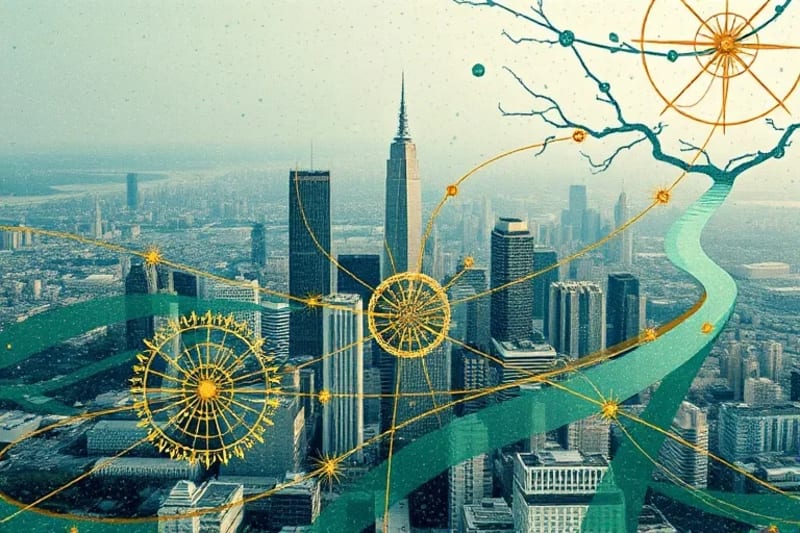 A conceptual illustration depicting the intricate overlay of urban grids with organic natural forms and celestial symbols, highlighting integrated design principles.
Furthermore, the long-term economic benefits are substantial. Buildings designed with biophilic principles often command higher property values, reduce energy consumption, and lead to increased productivity and reduced absenteeism in workplaces. While the energetic benefits of geomancy are harder to quantify with conventional metrics, proponents argue that they contribute to a subtle yet profound enhancement of quality of life, which translates into more resilient and thriving communities. The integration of these concepts is a step towards a future where urban development is not just about building structures, but about cultivating living, breathing, and energetically balanced ecosystems for human flourishing.
Challenges and Future Directions
Despite the compelling benefits, the widespread adoption of biophilic design and urban geomancy faces several challenges. One significant hurdle is the initial cost, as integrating natural elements and conducting thorough geomantic surveys can be perceived as more expensive than conventional construction. There is also a need for greater awareness and education among urban planners, architects, and policymakers regarding the long-term value and scientific backing (for biophilia) and historical validity (for geomancy) of these approaches.
Regulatory frameworks often lag behind innovative design philosophies, making it difficult to implement unconventional strategies. However, as climate change and mental health crises become more pressing, there is a growing impetus to explore holistic solutions. Future directions will likely involve more interdisciplinary collaboration between environmental scientists, architects, urban planners, and geomancers. Technological advancements, such as AI-driven simulations for optimizing natural light and airflow, or advanced sensor technology for mapping subtle energy fields, could further bridge the gap between ancient wisdom and modern application.
The concept of "smart cities" could evolve to incorporate these principles, creating urban environments that are not only technologically advanced but also deeply connected to nature and the Earth's energetic rhythms. This vision aligns with broader discussions on Cosmic Sociology AI Global Consciousness Digital Age, envisioning a future where technology and ancient wisdom converge for collective well-being. Ultimately, the goal is to create cities that are not just places where people live, but places where they truly thrive, in harmony with their inner and outer worlds.
Conclusion: Crafting Harmonious Urban Futures
Biophilic design and urban geomancy offer a powerful, synergistic pathway towards creating more humane, healthy, and sustainable cities. By consciously weaving natural elements into our urban fabric and aligning our built environments with the Earth's energetic blueprint, we can transform concrete jungles into vibrant ecosystems that nurture both body and soul. As we navigate the complexities of modern urban living, embracing these ancient and contemporary wisdoms provides a profound opportunity to design cities that are not only functional and aesthetically pleasing but also deeply resonant with our innate human need for connection—to nature, to each other, and to the subtle forces that shape our world. The future of urban development lies in this harmonious integration, creating spaces where well-being is not an afterthought, but an inherent design principle.
Explore More Insights
- Techno-Shamanism Digital Healing Ancient Rituals Practices
- Ascendant Karmic Role: First Impressions, Past Life Echoes | StarPluto
- Spiritual Japanese Calligraphy: Meditation, Manifestation Art | StarPluto
- Chinese Zodiac Pig: Traits of Famous Personalities | StarPluto
- Electional Astrology: Timing Desires Cosmic Flow
- Water Dragon Zodiac: Traits, Destiny, Compatibility | StarPluto
- AI Dream Interpretation: Algorithms Unravel Subconscious Symbolism
- Astrology Technology Digital Age Birth Chart Insights | StarPluto
- Ceres Aspects: Nurturing Soul, Relationship Dynamics | StarPluto
- 5th House Astrology Creativity Romance: Birth Chart Guide | StarPluto
- Earth Dragon Chinese Zodiac: Stability, Ambition, Practicality | StarPluto
- Advanced Planetary Aspects Natal Chart Mastery Growth
- Cellular Reprogramming Aging Reversal Biohacking Ethics
- Astrodinámica Viajes Interplanetarios: Rutas Conquista Solar
- Negocios Regenerativos: Capitalismo Consciente, Restauración Ecosistémica
- Neuro-Astrología Epigenética: Influencia Cósmica ADN Energía
- Astrología Kármica Profunda: Planetas Retrógrados Vidas Pasadas Deudas
- Alquimia Elemental: Transformando Desafíos Compatibilidad Horóscopo Chino | AstroFuturo
- Doctores Iglesia: Sabiduría Eterna Mundo Moderno | Profecías de la Virgen
- Novenas Reparación: Sanando Heridas Iglesia Mundo Oración Colectiva
- Santo Rosario Misterios Dolorosos: Guía Completa | Profecías de la Virgen
Source: Hybrid content assisted by AI and human editorial supervision.


Comments
Post a Comment