
Scrying Art: Divination Reflective Surfaces Subconscious Exploration
Scrying, an ancient and mystical practice, involves gazing into a reflective surface to perceive visions, insights, or messages from the subconscious mind or spiritual realms. This art form transcends mere fortune-telling, serving as a profound tool for self-exploration, intuition development, and connecting with deeper layers of consciousness. From polished obsidian mirrors to tranquil pools of water, scrying has been a gateway to hidden knowledge across cultures and millennia.
The essence of scrying lies in its ability to induce a meditative state, allowing the conscious mind to quiet down and the subconscious to surface. It is not about actively seeking answers but rather about passively observing what emerges from the depths. This introductory guide will delve into the history, methods, psychological underpinnings, and practical applications of scrying, offering a comprehensive overview for those curious to explore this fascinating divinatory art.
Table of Contents
- Historical Roots and Cultural Significance
- Common Scrying Tools and Methods
- The Psychology of Scrying: Beyond the Veil
- Preparing for a Scrying Session
- Interpreting Visions and Symbols
- Ethical Considerations and Best Practices
- Modern Applications and Personal Growth
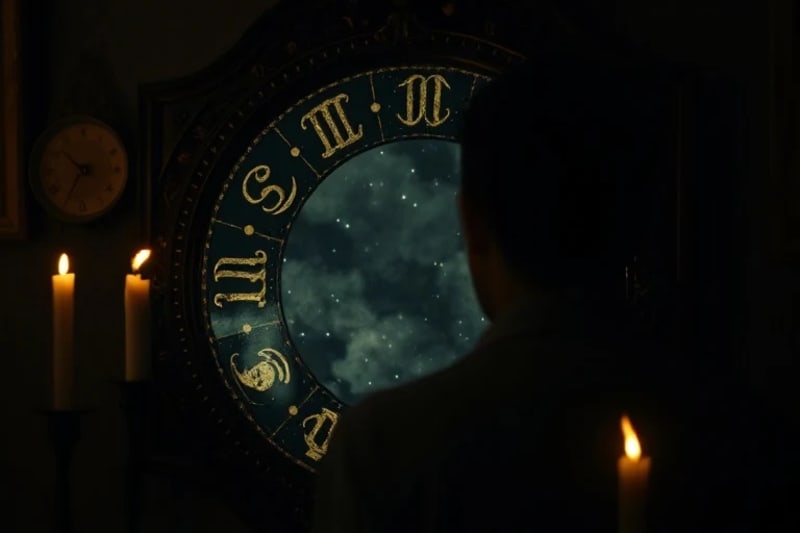
Conceptual rendering generated by AI, exploring the mystical atmosphere of divination.
Historical Roots and Cultural Significance
The practice of scrying is as old as human civilization itself, with evidence found in diverse cultures across the globe. Ancient Egyptians used polished obsidian and dark pools of water for divination, believing these surfaces could reveal messages from the gods and the afterlife. The Greeks and Romans employed hydromancy (water scrying) and catoptromancy (mirror scrying) to consult oracles and predict future events.
In Mesoamerican cultures, particularly among the Maya and Aztecs, obsidian mirrors were highly prized and used by priests and shamans for ritualistic purposes, including divination and communication with deities. These mirrors were not merely tools but sacred objects imbued with spiritual power. The famous Elizabethan alchemist John Dee and his associate Edward Kelley extensively used a crystal ball and a black obsidian mirror for their angelic communications in the 16th century.
Throughout history, scrying has been intertwined with spiritual practices, magic, and the pursuit of hidden knowledge. Its enduring presence across different eras and societies underscores humanity's innate desire to understand the unknown and connect with realms beyond ordinary perception. The methods may have varied, but the underlying intention—to gain insight through reflective contemplation—remains a constant.
Common Scrying Tools and Methods
Scrying can be performed using a variety of reflective surfaces, each offering a unique energetic quality and visual experience. The choice of tool often depends on personal preference, cultural tradition, and the specific intention of the scryer. Here are some of the most common methods:
- Crystal Gazing (Crystallomancy): This involves gazing into a crystal ball, often made of quartz, obsidian, or glass. The clarity and spherical shape of the crystal are believed to facilitate the reception of visions.
- Water Scrying (Hydromancy): One of the oldest forms, hydromancy uses a bowl of dark water, a natural pool, or even a puddle. The subtle movements and reflections on the water's surface can reveal symbolic imagery.
- Mirror Scrying (Catoptromancy): Black mirrors, often made from obsidian or painted glass, are popular for their ability to absorb light and create a deep, void-like surface conducive to trance states. Regular mirrors can also be used, especially in dimly lit rooms.
- Smoke Scrying (Capnomancy): Observing the patterns and shapes formed by smoke, typically from incense or a ritual fire, can provide insights. This method requires a keen eye for subtle, fleeting forms.
- Fire Scrying (Pyromancy): Gazing into the flames of a candle or a bonfire allows the scryer to interpret the dance of the fire, its colors, and the images that seem to appear within it.
- Ink or Oil Scrying: Some practitioners use a drop of ink or oil on a white surface, observing the patterns it forms or the reflections within its dark pool.
Each tool acts as a focal point, helping to shift consciousness from the mundane to the mystical. The key is not the tool itself, but the state of mind it helps to induce. For those interested in other forms of ancient Nordic divination, exploring runic symbolism can offer a complementary perspective on seeking guidance.

The Psychology of Scrying: Beyond the Veil
From a psychological perspective, scrying can be understood as a method for accessing the subconscious mind. When gazing intently at a featureless or reflective surface, the brain's visual cortex can begin to interpret ambiguous stimuli, a phenomenon known as pareidolia. This is similar to seeing shapes in clouds or faces in inanimate objects, but in scrying, it is intentionally directed to elicit meaningful patterns.
The repetitive focus on the scrying tool helps to induce a mild trance or altered state of consciousness. In this state, the analytical left brain quietens, allowing the intuitive right brain to become more active. Memories, symbols, archetypes, and insights from the subconscious can then bubble up into conscious awareness, often appearing as visual images, feelings, or even auditory impressions within the reflective surface.
This process is not about hallucination in a pathological sense, but rather about tapping into the rich inner landscape of the psyche. It can be a powerful tool for self-reflection, problem-solving, and understanding one's own motivations and hidden desires. The insights gained through scrying are often deeply personal and symbolic, requiring introspection for full comprehension. Exploring the nature of esoteric synchronicity can further illuminate how seemingly random events or symbols can carry profound meaning.
Preparing for a Scrying Session
Successful scrying requires careful preparation to create an optimal environment and mindset. The goal is to minimize distractions and cultivate a receptive state of mind. Here are key steps:
- Choose a Quiet Space: Select a room where you will not be disturbed. Dim the lights or use natural light that is not too harsh.
- Set the Atmosphere: Candles, soft music, or incense can help create a sacred and calming ambiance. Ensure your scrying tool is clean and ready. Building a sacred space for ritual can enhance the experience.
- Clear Your Mind: Before you begin, take a few moments to relax and clear your mind. Deep breathing exercises or a short guided meditation can help you achieve a calm, focused state.
- Set an Intention (Optional): While scrying can be open-ended, you might choose to focus on a specific question or area of your life for insight. Formulate your intention clearly but be open to whatever messages arise.
- Protection and Grounding: Some practitioners choose to perform a protective ritual or visualization before scrying to ensure a safe and positive experience. Grounding yourself afterward is also important to re-establish your connection to the physical world.
Remember, patience is crucial. The first few attempts might not yield dramatic results, but with practice, your ability to enter the receptive state and interpret visions will improve.
Interpreting Visions and Symbols
The visions seen in scrying are often symbolic, fleeting, and highly personal. They rarely present themselves as clear, literal answers. Interpretation requires intuition, self-awareness, and an understanding of universal symbols and archetypes. Here are some guidelines:
- Trust Your First Impressions: The initial feeling or thought that comes to mind when you see an image is often the most accurate. Don't overthink it in the moment.
- Look for Patterns and Connections: Do certain symbols appear repeatedly? How do different images relate to each other or to your initial intention?
- Consider Personal Symbolism: What does a particular image mean to you personally? Your subconscious speaks in a language unique to your experiences and beliefs.
- Journaling is Key: Immediately after a session, record everything you saw, felt, and thought. Draw sketches if possible. Reviewing your journal entries later can reveal deeper meanings and connections you might have missed.
- Avoid Literal Interpretations: Scrying visions are almost always metaphorical. A snake might represent transformation, healing, or deception, depending on context and your personal associations.
Interpreting these symbolic messages is akin to decoding a dream. Tools like dream interpretation can offer valuable insights into subconscious symbolism, complementing the scrying experience.

Ethical Considerations and Best Practices
As with any divinatory or spiritual practice, scrying comes with ethical responsibilities and best practices to ensure a safe and beneficial experience:
- Respect and Intention: Approach scrying with respect for its power and with clear, positive intentions. Avoid using it for malicious purposes or to pry into others' privacy without consent.
- Personal Responsibility: The insights gained are for your own guidance. You are ultimately responsible for your decisions and actions, not the visions themselves.
- Avoid Over-Reliance: Scrying is a tool for insight, not a substitute for critical thinking, practical action, or professional advice when needed.
- Maintain Boundaries: If you feel overwhelmed or uncomfortable during a session, gently close it. You are always in control.
- Practice Grounding: Always ground yourself after a session to fully return to your physical body and present reality. This can involve eating, drinking water, walking in nature, or simply focusing on your breath.
By adhering to these principles, practitioners can ensure that their scrying journey is one of empowerment, self-discovery, and ethical exploration.
Modern Applications and Personal Growth
In the contemporary world, scrying continues to be a relevant and powerful practice. Beyond its historical use for prophecy, it offers significant benefits for personal growth and spiritual development:
- Intuition Development: Regular scrying sharpens intuitive abilities, helping individuals to better trust their inner voice and gut feelings.
- Self-Reflection and Shadow Work: It provides a unique mirror for the subconscious, revealing hidden aspects of the self, fears, desires, and unresolved issues, which can then be addressed for healing and growth.
- Creative Inspiration: Artists, writers, and musicians can use scrying to tap into a wellspring of creative ideas and imagery from their deeper mind.
- Stress Reduction and Mindfulness: The meditative focus required for scrying can be deeply calming, offering a respite from daily stressors and fostering a state of mindfulness.
- Spiritual Connection: For many, scrying is a way to connect with spiritual guides, higher consciousness, or the collective unconscious, gaining a broader perspective on life's challenges and purpose.
The art of scrying is a journey into the self, a dialogue with the unseen, and a pathway to profound insights. Whether through a shimmering crystal ball or a dark pool of water, the reflective surface acts as a portal, inviting us to explore the mysteries within and beyond.
Explore More Esoteric Wisdom
- Esoteric Tarot Spreads: Unlocking Complex Insights
- Advanced Automatic Writing: Higher Selves & Spirit Guides
- Planetary Aspects Alchemy: Challenges Opportunities Astrology
- Hellenistic Astrology Ancient Roots Modern Practice Techniques
- Fixed Stars Karmic Destiny Natal Chart Analysis
- Lunar Nodes Dharma: Soul Mission and Life Purpose in Natal Chart
- Lunar and Solar Eclipses: Karmic Destiny of the Soul
Source: Hybrid content assisted by AI and human editorial supervision.


Comments
Post a Comment