
bio-energetic-architecture-sacred-spaces-harmonization
In an increasingly complex world, the spaces we inhabit profoundly influence our well-being, mood, and spiritual connection. Bio-energetic architecture emerges as a holistic discipline dedicated to designing environments that resonate with natural energies, fostering harmony between humans and their surroundings. This innovative approach integrates ancient wisdom from practices like geomancy and Feng Shui with modern architectural principles, aiming to create not just buildings, but living spaces that support vitality, peace, and spiritual growth.
This article delves into the core concepts of bio-energetic architecture, exploring how it harnesses subtle energy fields to transform ordinary structures into sacred havens. We will uncover the foundational roles of geomancy and Feng Shui, examine the practical principles of harmonious design, and discuss how these concepts are applied to craft spaces that nurture the soul and enhance overall well-being. By understanding these intricate connections, we can begin to consciously shape our environments to better reflect our inner desire for balance and serenity.
Table of Contents
- What is Bio-Energetic Architecture?
- The Ancient Roots: Geomancy and Feng Shui
- Core Principles of Harmonious Design
- Crafting Sacred Spaces for Deeper Connection
- Profound Benefits of Bio-Energetic Design
- Modern Challenges and Future Perspectives
- Conclusion: Building a Harmonious Future
What is Bio-Energetic Architecture?
Bio-energetic architecture is an interdisciplinary field that views buildings as living entities, intricately connected to the Earth's energetic matrix and the human biofield. It moves beyond conventional structural and aesthetic considerations to incorporate the invisible forces that influence life within a space. The fundamental premise is that every location possesses unique energetic qualities, and by designing in harmony with these energies, architects can create environments that promote health, vitality, and spiritual awareness.
This approach recognizes that phenomena such as electromagnetic fields, geological fault lines, water veins, and even the geometric forms of a building can either support or deplete the energy of its occupants. Therefore, a bio-energetic architect seeks to identify and mitigate detrimental energies while amplifying beneficial ones. The goal is to create a symbiotic relationship between the built environment and its inhabitants, fostering a sense of belonging, peace, and energetic renewal.
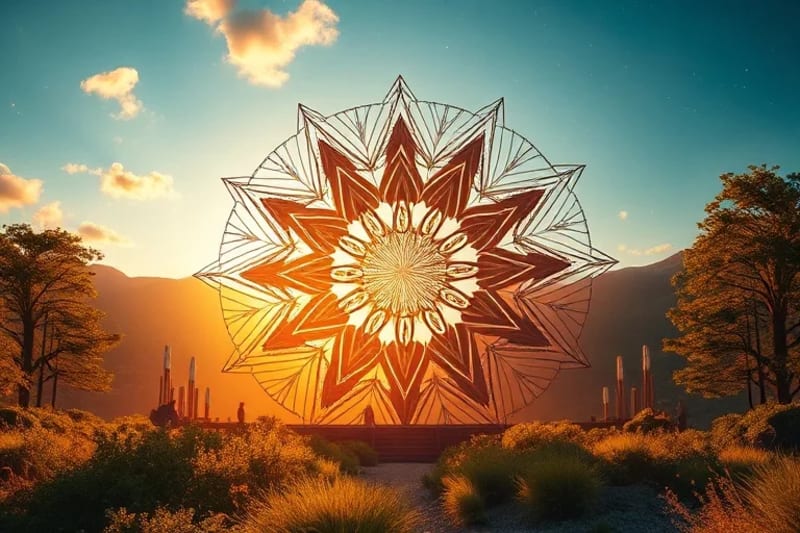
Conceptual rendering of architectural design deeply integrated with natural energy flows and ancient geometric principles, reflecting a harmonious blend of human creation and environmental essence.
This visual representation is a conceptual render, generated by advanced AI, illustrating the profound connection between innovative design and the subtle energies of nature.
The Ancient Roots: Geomancy and Feng Shui
The principles of bio-energetic architecture are not new; they are deeply rooted in ancient traditions that understood the energetic interplay between land, sky, and human habitation. Two of the most influential practices are geomancy and Feng Shui, both of which offer profound insights into optimizing spatial energies.
Geomancy: Reading Earth's Energies
Geomancy, meaning "divination by earth," is the ancient art and science of understanding the Earth's subtle energy fields. Practitioners, often called geomancers, interpret the energetic landscape to identify optimal locations for building, farming, and sacred sites. This involves detecting:
- Ley Lines: Invisible lines of telluric energy believed to connect ancient sites, megaliths, and power spots across the globe.
- Telluric Currents: Natural electrical currents flowing through the Earth's crust, which can be beneficial or disruptive depending on their intensity and location.
- Water Veins: Underground streams that can create geopathic stress zones, potentially impacting health and well-being.
- Geopathic Stress: Areas where natural earth energies are distorted or disturbed, often by geological faults, mineral deposits, or underground water, leading to adverse effects on living organisms.
Geomancers use various tools and intuitive techniques, such as dowsing rods and pendulums, to map these energies. By understanding where these energetic currents flow, architects can design structures that either harmonize with beneficial currents or mitigate the impact of detrimental ones, ensuring the vitality of the occupants. This profound connection to the Earth's subtle rhythms is also explored in practices like Ecological Divination, which seeks guidance from natural systems.
Feng Shui: The Art of Wind and Water
Feng Shui, an ancient Chinese art and science, literally translates to "wind-water." It is the practice of arranging living spaces to optimize the flow of Chi (life force energy) and create harmony with the surrounding environment. Feng Shui principles are applied to site selection, building orientation, interior layout, and the placement of objects. Key concepts include:
- Chi (Qi): The universal life force energy that permeates all things. Good Feng Shui aims to ensure Chi flows smoothly and abundantly throughout a space.
- Yin and Yang: The balance of complementary opposites (e.g., light/dark, active/passive) essential for harmony.
- Five Elements: Wood, Fire, Earth, Metal, and Water – these elements represent different qualities and energies, and their balanced interaction is crucial for a harmonious environment.
- Bagua: An octagonal map used to divide a space into nine areas, each corresponding to a specific life aspect (e.g., wealth, health, relationships).
There are different schools of Feng Shui, such as Form School (focusing on landscape features) and Compass School (using compass directions and calculations). Both aim to create environments that support health, prosperity, and happiness. The principles of Feng Shui can also be extended to auditory environments, as explored in Elemental Sound Feng Shui, which harmonizes spaces through sound.
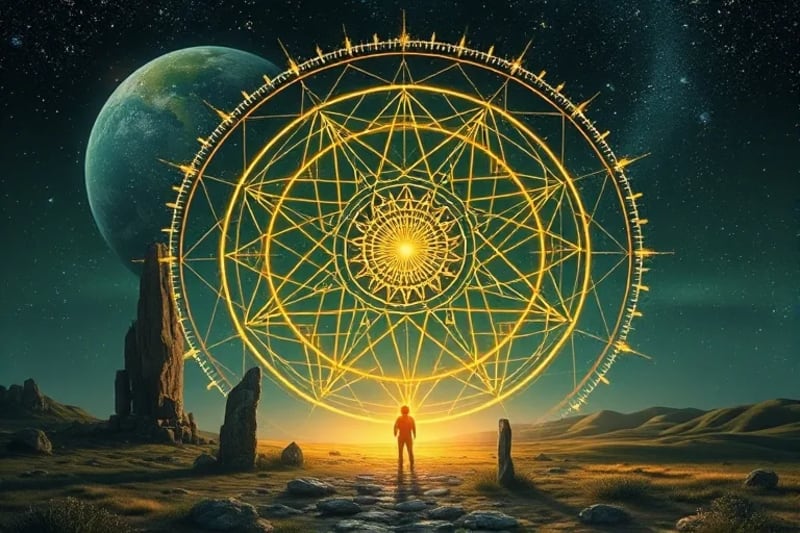
Artistic representation of geomantic principles, depicting Earth's subtle energy lines and ancient power spots.
Core Principles of Harmonious Design
Implementing bio-energetic architecture involves a comprehensive approach that considers every aspect of a building's design and its relationship with the natural world. These principles guide the creation of spaces that are not only aesthetically pleasing but also energetically supportive.
Site Selection and Orientation
The choice of location is paramount. Bio-energetic architects carefully assess the land for geopathic stress, electromagnetic pollution, and the presence of beneficial energy flows. Ideal sites often feature gentle slopes, protective backdrops (like hills), and open views. The orientation of the building is also critical, aligning it with cardinal directions, solar paths, and prevailing winds to maximize natural light, ventilation, and energetic alignment.
Natural Materials and Sustainable Practices
The materials used in construction significantly impact the energetic quality of a space. Bio-energetic architecture prioritizes natural, non-toxic, and sustainably sourced materials such as wood, stone, clay, and natural fibers. These materials breathe, regulate humidity, and emit beneficial frequencies, unlike synthetic materials which can off-gas harmful chemicals and disrupt natural energy fields. Sustainable practices also extend to minimizing waste and energy consumption, further enhancing the building's ecological harmony.
Optimizing Energy Flow (Chi Circulation)
The layout of a building is designed to facilitate the smooth and balanced flow of Chi. This means avoiding long, narrow corridors where Chi can accelerate too quickly, or cluttered areas where it can stagnate. Open-plan designs with gentle curves, clear pathways, and well-defined spaces encourage a harmonious circulation of energy. Entrances are often positioned to invite positive Chi, and interior elements are arranged to support its gentle movement throughout the space.
The Influence of Color, Light, and Sound
These sensory elements play a crucial role in shaping the energetic atmosphere of a space:
- Color: Colors are chosen based on their psychological and energetic effects, aligning with the Five Elements of Feng Shui or specific therapeutic goals. For example, blues and greens promote calm, while reds can stimulate energy.
- Light: Natural light is maximized through strategic window placement, skylights, and light wells, connecting occupants to circadian rhythms. Artificial lighting is designed to mimic natural light cycles and avoid harsh, flickering sources.
- Sound: Acoustic design aims to create environments free from disruptive noise while incorporating beneficial sounds, such as the gentle flow of water or natural soundscapes. The principles of Sound Healing can also be applied to architectural spaces to enhance well-being through specific frequencies and vibrations.
Integrating Natural Elements
Bringing nature indoors is a hallmark of bio-energetic design. This includes:
- Indoor Plants: Purify air, soften energy, and connect occupants to the natural world.
- Water Features: Fountains or small ponds can enhance Chi flow, provide soothing sounds, and balance elements.
- Views of Nature: Strategic placement of windows to frame natural landscapes reduces stress and fosters a sense of connection.
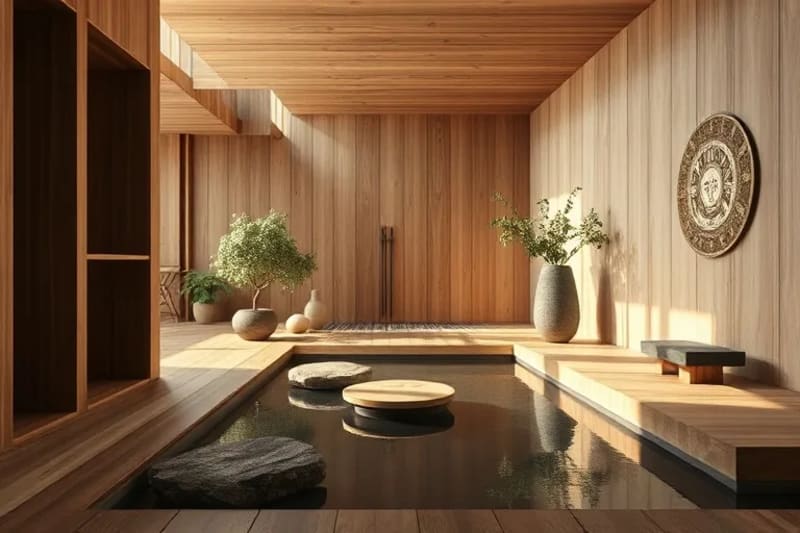
A perfectly balanced interior space designed according to Feng Shui principles, promoting peace and positive energy flow.
Crafting Sacred Spaces for Deeper Connection
While all bio-energetic architecture aims for harmony, the concept of a "sacred space" takes this a step further. A sacred space is an environment intentionally designed to facilitate spiritual connection, introspection, healing, or meditation. These spaces are often characterized by:
- Clear Intention: Every element is chosen to support a specific spiritual purpose.
- Energetic Purity: Meticulous attention to neutralizing negative energies and amplifying positive ones, often through geomantic corrections or specific Feng Shui remedies.
- Symbolism and Geometry: Incorporation of sacred geometry (e.g., mandalas, fractals, golden ratio) and symbols that resonate with spiritual principles.
- Sensory Richness: Use of specific lighting, aromas (incense, essential oils), textures, and sounds to create an immersive and transcendent experience.
Examples include meditation rooms, healing centers, temples, or even a dedicated corner in a home. These spaces become conduits for higher consciousness, offering refuge and rejuvenation. Integrating these principles into daily life can be part of Daily Cosmic Rituals, fostering a deeper connection to the self and the universe.
Profound Benefits of Bio-Energetic Design
The advantages of living or working in bio-energetically designed spaces are far-reaching, impacting various aspects of human experience:
- Enhanced Well-being: Reduction in stress, improved sleep quality, increased vitality, and a stronger immune system due to minimized exposure to geopathic stress and EMFs.
- Mental Clarity and Focus: Harmonious environments promote concentration, creativity, and cognitive function, making them ideal for work or study.
- Emotional Balance: Spaces designed with balance and flow can foster feelings of peace, contentment, and emotional stability.
- Spiritual Growth: Sacred spaces provide an optimal environment for meditation, introspection, and deepening one's spiritual practice.
- Environmental Harmony: By prioritizing natural materials and sustainable practices, bio-energetic architecture contributes to ecological health and reduces environmental impact.
- Increased Productivity and Collaboration: In professional settings, a harmonious environment can lead to better teamwork, reduced conflict, and higher overall output.
Modern Challenges and Future Perspectives
Despite its profound benefits, bio-energetic architecture faces several challenges in the contemporary world. Integrating ancient wisdom with modern building codes, urban density, and cost considerations can be complex. The prevalence of electromagnetic pollution from wireless technologies also presents a significant hurdle, requiring innovative shielding and mitigation strategies. Furthermore, raising awareness and educating clients and conventional architects about the importance and efficacy of these principles remains an ongoing effort.
However, as society increasingly recognizes the importance of holistic well-being and environmental sustainability, the demand for bio-energetic design is growing. Future trends may see greater integration of smart technologies that monitor and adjust environmental energies, advanced materials that naturally harmonize frequencies, and a broader acceptance of these principles in mainstream architecture. The intersection of ancient wisdom and modern innovation, as seen in fields like Cosmic Sociology in the Digital Age, suggests a future where our built environments are more intelligent and supportive of human evolution.
Conclusion: Building a Harmonious Future
Bio-energetic architecture offers a powerful paradigm shift in how we conceive and construct our living and working spaces. By consciously harmonizing with the Earth's subtle energies and applying timeless principles from geomancy and Feng Shui, we can create environments that actively support our health, happiness, and spiritual journey. This approach is more than just building; it is about cultivating spaces that breathe, heal, and inspire, fostering a deeper connection to ourselves, each other, and the natural world. As we move forward, embracing bio-energetic design is not just an architectural choice, but a commitment to a more balanced, sustainable, and spiritually enriched future for all.
Explore More Harmonious Insights
Delve deeper into the interconnectedness of energy, space, and well-being with our curated selection of articles:
- Psycho-Astrology Jungian Archetypes Shadow Self Wholeness
- Jerarquía Angelical: Nueve Coros Celestiales y Sus Funciones
Source: Hybrid content assisted by AI and human editorial supervision.


Comments
Post a Comment