
Sound Healing: Vibrations for Wellness, Inner Peace | StarPluto
Sound healing, an ancient practice gaining renewed recognition, harnesses the power of vibrational frequencies to promote physical, mental, and emotional well-being. This holistic approach posits that everything in the universe, including our bodies, is in a state of vibration. When these vibrations become disharmonious due to stress, illness, or emotional blockages, sound can be used to restore balance and harmony.
Rooted in traditions spanning thousands of years across various cultures, from Tibetan monks chanting to indigenous tribes using drums, sound healing is not merely a New Age trend. It is a profound modality that taps into the inherent connection between sound and our physiological and psychological states. By understanding its mechanisms and applications, individuals can unlock a powerful tool for self-care and inner peace.
Table of Contents
- What is Sound Healing?
- The Science Behind Vibrations and Wellness
- Key Principles of Sound Therapy
- Benefits of Sound Healing
- Common Sound Healing Instruments
- Types of Sound Healing Practices
- Integrating Sound into Daily Life
- Choosing a Practitioner and Ensuring Safety
- Conclusion

What is Sound Healing?
Sound healing, also known as sound therapy or vibrational medicine, is a therapeutic practice that uses sound vibrations to relax the mind and body. It operates on the principle that specific frequencies can influence brainwave states, cellular activity, and energy fields within and around the human body. The goal is to bring the body's natural frequencies back into alignment, promoting a state of deep relaxation and facilitating healing on multiple levels.
Historically, sound has been utilized for healing and spiritual purposes across diverse cultures. Ancient Egyptians used vocal incantations for healing, while Aboriginal Australians have employed didgeridoos in healing ceremonies for millennia. In Tibet, singing bowls have been used for meditation and healing for centuries, and Native American cultures have long incorporated drumming and chanting into their rituals for physical and spiritual well-being. These traditions highlight a universal understanding of sound's profound impact on human experience.
Modern sound healing practices integrate these ancient wisdoms with contemporary understanding of acoustics, neuroscience, and psychology. It is often employed as a complementary therapy alongside conventional medicine, offering a non-invasive and deeply relaxing experience. The resurgence of interest in sound healing reflects a growing desire for holistic approaches to health and a deeper connection to our inner selves.
The Science Behind Vibrations and Wellness
While often associated with spiritual or esoteric practices, sound healing also has a basis in scientific principles. The human body is approximately 60% water, making it an excellent conductor of sound and vibration. When sound waves pass through the body, they can affect cellular activity, blood circulation, and nerve pathways. Research in fields like psychoacoustics and neurobiology continues to explore these connections.
One of the primary mechanisms is the impact of sound on brainwave states. Different frequencies can induce various brainwave patterns, moving from the alert Beta state to the relaxed Alpha, meditative Theta, and deep sleep Delta states. Instruments like gongs and singing bowls produce complex overtone series and sustained tones that can gently guide the brain into these deeper, more restorative states, promoting relaxation and reducing mental chatter.
Another key concept is resonance. Every object, including our organs and cells, vibrates at a natural resonant frequency. When external sound frequencies match these natural frequencies, they can amplify and harmonize them. Conversely, if there's a blockage or imbalance, the introduction of a resonant frequency can help to release tension and restore optimal vibration. This is similar to how a tuning fork can cause another object to vibrate at the same frequency.
The vagus nerve, a crucial component of the parasympathetic nervous system, also plays a role. Sound vibrations, especially those from chanting or deep breathing, can stimulate the vagus nerve, activating the body's "rest and digest" response. This counteracts the "fight or flight" response triggered by stress, leading to a reduction in heart rate, blood pressure, and muscle tension. The physiological shifts induced by sound are tangible and contribute significantly to its therapeutic effects.
Key Principles of Sound Therapy
Understanding the core principles behind sound healing enhances its effectiveness and appreciation. These principles guide practitioners and inform the experience of participants.
- Vibration: As mentioned, everything vibrates. Sound healing introduces specific vibrations to influence the body's energetic field and physical structure. These vibrations can be felt physically, not just heard, creating a full-body experience.
- Resonance: The phenomenon where one vibrating object causes another object to vibrate at the same frequency. In sound healing, instruments are chosen to resonate with the body's natural frequencies, promoting harmony.
- Entrainment: The process by which the rhythmic cycles of the body (like brainwaves or heart rate) synchronize with external rhythms or frequencies. Sound healing uses this to guide the body into states of deep relaxation or heightened awareness.
- Intention: Many practitioners believe that the intention behind the sound is as important as the sound itself. A clear, positive intention can amplify the healing potential of the vibrations, guiding the energy towards specific outcomes.
- Harmonics and Overtones: Sound healing instruments often produce rich harmonics and overtones, which are subtle frequencies that accompany the fundamental tone. These complex soundscapes can have a profound effect on the nervous system, inducing a sense of calm and expansiveness.
These principles work synergistically to create an environment conducive to healing and self-discovery. The combination of audible sound and felt vibration, guided by intention, allows for a multi-sensory experience that can bypass the analytical mind and directly influence the deeper aspects of our being.
Benefits of Sound Healing
The reported benefits of sound healing are extensive and touch upon various aspects of human health and well-being. These advantages contribute to its growing popularity as a complementary therapy.
- Stress Reduction: Perhaps the most widely recognized benefit, sound healing effectively lowers stress levels by shifting brainwaves to Alpha and Theta states, reducing cortisol production, and activating the parasympathetic nervous system.
- Emotional Balance: Vibrational frequencies can help release trapped emotions and emotional blockages, promoting a sense of emotional clarity and peace. Many report feeling lighter and more emotionally resilient after sessions.
- Improved Sleep: By inducing deep relaxation and calming the nervous system, sound healing can significantly improve sleep quality, helping those who suffer from insomnia or restless sleep.
- Pain Relief: While not a cure, the deep relaxation and anti-inflammatory effects of sound vibrations can help alleviate chronic pain by reducing muscle tension and altering pain perception.
- Enhanced Mindfulness and Meditation: The immersive nature of sound baths can make it easier for individuals to enter meditative states, fostering deeper self-awareness and presence.
- Increased Energy and Vitality: By clearing energetic blockages and promoting cellular harmony, participants often report feeling more energized and vitalized.
- Spiritual Connection: For many, sound healing facilitates a deeper connection to their spiritual self, offering profound insights and a sense of unity.
- Cognitive Enhancement: Some studies suggest that certain frequencies can improve focus, creativity, and cognitive function.
These benefits underscore why sound healing is becoming a valued practice for those seeking holistic health solutions and a deeper sense of well-being. The gentle yet powerful nature of sound offers a unique path to healing and personal growth.
Common Sound Healing Instruments
A wide array of instruments is used in sound healing, each with its unique tonal qualities and vibrational effects. The choice of instrument often depends on the practitioner's style and the desired outcome of the session.

- Singing Bowls:
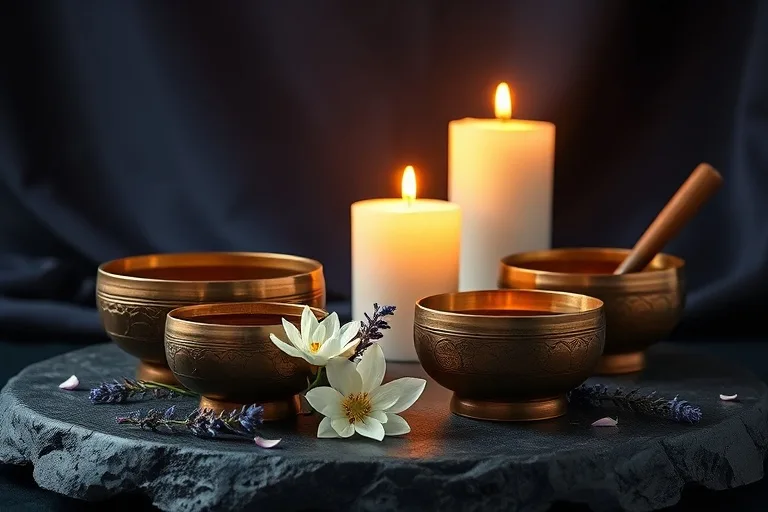
- Tibetan Singing Bowls: Made from a blend of metals, these bowls produce rich, earthy tones and complex overtones when played. They are known for their grounding and meditative qualities.
- Crystal Singing Bowls: Crafted from pure quartz crystal, these bowls emit clear, sustained tones that are often associated with specific chakras or energy centers. Their vibrations are highly resonant and can feel very expansive.
- Gongs: Large, resonant instruments that produce powerful, immersive soundscapes. Gongs are often used in sound baths to create a deep meditative state, facilitating emotional release and profound relaxation.
- Tuning Forks: Calibrated to specific frequencies, tuning forks are often placed directly on the body or held near energy points. They are used for targeted healing, pain relief, and balancing the nervous system.
- Drums: From shamanic frame drums to djembe, drums create rhythmic vibrations that can alter brainwave states, induce trance-like states, and promote energetic release. They are powerful for grounding and connecting to primal energies.
- Chimes and Bells: Used for their ethereal and delicate sounds, chimes and bells can clear energy, mark transitions in a session, and add a sense of lightness and purity to the soundscape.
- Voice and Chanting: The human voice is a potent healing instrument. Chanting, toning, and vocalizing specific sounds or mantras can create powerful internal vibrations, balancing the chakras and calming the mind.
- Didgeridoos: An ancient wind instrument from Australia, the didgeridoo produces deep, resonant drones that can be highly grounding and used for deep tissue vibration and energetic clearing.
Each instrument offers a unique vibrational signature, allowing practitioners to tailor sessions to individual needs and preferences. The combination of these sounds creates a symphony of healing frequencies that can deeply penetrate the body and mind.
Types of Sound Healing Practices
Sound healing manifests in various forms, catering to different preferences and therapeutic goals. Understanding these practices can help individuals choose the most suitable approach for their journey.
- Sound Baths: This is one of the most popular forms of sound healing. Participants lie down, often on yoga mats, and are bathed in the sounds and vibrations produced by a practitioner playing various instruments like gongs, singing bowls, and chimes. It's a passive experience designed for deep relaxation and meditative states.
- Individual Sound Therapy Sessions: In a one-on-one setting, a practitioner works directly with the client, often placing instruments on or around the body. These sessions can be highly personalized, addressing specific physical ailments, emotional blockages, or energetic imbalances.
- Guided Meditations with Sound: These sessions combine spoken guidance with ambient soundscapes to lead participants into deeper meditative states. The sound acts as a focal point, helping to quiet the mind and enhance the meditative experience.
- Vocal Toning and Chanting: Active participation is encouraged in these practices, where individuals use their own voice to create healing vibrations. This can involve simple toning (sustaining a single note), chanting mantras, or vocal improvisations. It's believed to clear energetic pathways and express emotions.
- Biofield Tuning: A specific modality that uses tuning forks to detect and correct distortions in the body's electromagnetic field, or "biofield." Practitioners work to identify areas of energetic resistance and bring them back into coherence.
Each of these practices offers a unique pathway to wellness, allowing individuals to explore the transformative potential of sound in a way that resonates most deeply with them. The choice often depends on whether one prefers a passive, immersive experience or a more active, targeted approach.
Integrating Sound into Daily Life
Beyond formal sessions, incorporating sound healing principles into daily life can significantly enhance well-being. Simple practices can create a more harmonious and peaceful environment, fostering continuous self-care.
- Mindful Listening: Pay attention to the sounds around you – birds singing, rain falling, or even the hum of your refrigerator. Mindful listening can anchor you in the present moment and reduce mental clutter.
- Personal Sound Tools: Consider acquiring a small singing bowl, chimes, or a tuning fork for personal use. Even a few minutes of playing these instruments can shift your energy and induce relaxation.
- Curated Playlists: Create playlists of calming music, nature sounds, binaural beats, or meditative tones. Listen during work breaks, before sleep, or whenever you need to de-stress.
- Vocal Toning: Experiment with humming, chanting, or simply making vocal sounds. The vibrations created within your own body can be incredibly soothing and centering.
- Sound Walks: Take a walk with the intention of noticing and appreciating the sounds of your environment. This can be a form of moving meditation, connecting you more deeply with your surroundings.
- Integrate into Routines: Use sound to signal transitions, such as a chime to begin meditation, a specific piece of music to start your workday, or calming sounds to wind down in the evening.
These simple integrations demonstrate that sound healing is not just a specialized therapy but a versatile practice that can enrich everyday existence. By consciously engaging with sound, we can cultivate a more peaceful and balanced life.
Choosing a Practitioner and Ensuring Safety
As with any therapeutic modality, choosing a qualified and reputable sound healing practitioner is crucial. While sound healing is generally safe, an experienced guide can enhance the experience and ensure appropriate application.
When selecting a practitioner, consider the following:
- Training and Certification: Inquire about their training, certifications, and lineage. Many reputable organizations offer comprehensive sound healing training programs.
- Experience: Ask about their experience level and how long they have been practicing. More experienced practitioners often have a deeper understanding of various instruments and techniques.
- Approach and Philosophy: Understand their approach to sound healing. Do they focus on specific ailments, general relaxation, or spiritual awakening? Ensure their philosophy aligns with your personal goals.
- Client Testimonials: Look for reviews or testimonials from previous clients to gauge their effectiveness and professionalism.
- Comfort Level: It's essential to feel comfortable and safe with your practitioner. Trust your intuition during an initial consultation or interaction.
- Hygiene and Environment: Ensure the space is clean, comfortable, and conducive to relaxation. Instruments should also appear well-maintained.
While sound healing is largely non-invasive, individuals with certain conditions, such as pacemakers, epilepsy, or severe mental health conditions, should consult their healthcare provider before participating. Pregnant women should also exercise caution and inform their practitioner. A good practitioner will always conduct a thorough intake to ensure the safety and well-being of their clients.
Conclusion
Sound healing offers a profound and accessible pathway to wellness and inner peace, bridging ancient wisdom with modern understanding. By leveraging the inherent power of vibrations, it provides a unique method for stress reduction, emotional balance, and spiritual connection. Whether through immersive sound baths, targeted individual sessions, or simple daily practices, the therapeutic potential of sound is immense.
As we navigate the complexities of contemporary life, the gentle yet powerful embrace of sound healing serves as a reminder of our innate capacity for self-regulation and harmony. Embracing this practice can lead to a deeper understanding of ourselves and a more resonant, peaceful existence, inviting us to tune into the subtle frequencies that shape our reality and well-being.
Fuente: Contenido híbrido asistido por IAs y supervisión editorial humana.
Comments
Post a Comment