
Medical Astrology: Chronic Conditions, Planetary Debilities, Rulerships
Medical astrology, a specialized branch of astrological study, offers a unique lens through which to understand an individual's predisposition to various health conditions, particularly chronic ailments. Unlike conventional medicine that often focuses on symptoms, medical astrology delves into the energetic blueprint of the natal chart to identify inherent weaknesses, constitutional vulnerabilities, and potential areas of imbalance. This ancient practice posits that the celestial configurations at the moment of birth can reveal profound insights into one's physical, emotional, and mental well-being, providing a proactive approach to health management.
The identification of chronic conditions within medical astrology primarily relies on a meticulous analysis of planetary debilities and house rulerships. Planetary debilities refer to positions where a planet is considered weakened or challenged in a specific zodiac sign, thereby expressing its energy less harmoniously. House rulerships, on the other hand, connect specific areas of life, including health, to particular zodiac signs and their ruling planets, indicating where health issues might manifest. By combining these two powerful analytical tools, practitioners can pinpoint potential long-term health challenges and offer guidance on preventative measures and holistic interventions.
Table of Contents
- Foundational Principles of Medical Astrology
- Understanding Planetary Debilities and Their Health Impact
- The Role of House Rulerships in Health Analysis
- Specific Planetary Correlations with Body Systems
- Advanced Aspect Analysis for Chronic Conditions
- Methodology for Identifying Chronic Health Vulnerabilities
- Ethical Considerations and Limitations
- Conclusion: Proactive Health Through Cosmic Insight
Foundational Principles of Medical Astrology
At its core, medical astrology operates on the principle of "as above, so below," suggesting a profound correspondence between celestial patterns and human physiology. Each planet, zodiac sign, and astrological house is associated with specific body parts, organs, systems, and types of diseases. The natal chart, therefore, serves as a diagnostic map, revealing the individual's inherent constitution and potential health trajectory from birth.
The holistic view of health in medical astrology encompasses not just the physical body, but also the emotional, mental, and spiritual dimensions. Chronic conditions are often seen as manifestations of deeper energetic imbalances or unresolved psychological patterns. By identifying these underlying astrological predispositions, individuals can gain self-awareness and implement lifestyle changes, dietary adjustments, or complementary therapies that align with their unique cosmic blueprint.
Key to this analysis is understanding the elemental and qualitative nature of the signs and planets. Fire signs (Aries, Leo, Sagittarius) are associated with vitality, inflammation, and fevers. Earth signs (Taurus, Virgo, Capricorn) relate to structure, chronic conditions, and metabolic processes. Air signs (Gemini, Libra, Aquarius) govern the nervous system, respiration, and circulation. Water signs (Cancer, Scorpio, Pisces) are linked to fluids, emotions, and lymphatic systems. These elemental balances, or imbalances, provide a foundational layer for interpreting health predispositions.
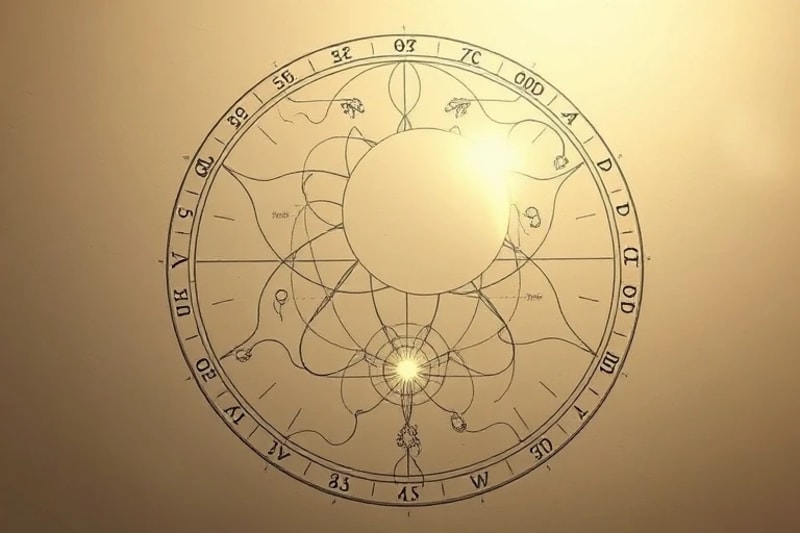
Medical astrology interprets the intricate dance of celestial bodies, revealing their profound influence on the human energetic and physiological constitution.
Understanding Planetary Debilities and Their Health Impact
Planetary debilities occur when a planet is placed in a zodiac sign where its essential nature is compromised or weakened. These positions can indicate areas of inherent vulnerability in the physical body or psychological constitution, often manifesting as chronic health issues if not addressed. The primary debilities include detriment, fall, and peregrine status, though other factors like combustion or retrograde motion also play a significant role.
- Detriment: A planet is in detriment when it is in the zodiac sign opposite to the one it naturally rules. In this position, the planet struggles to express its energies effectively, leading to potential dysfunction in the body parts or systems it governs. For example, Mars, ruling Aries, is in detriment in Libra, potentially indicating issues with kidneys or hormonal balance due to its struggle with equilibrium.
- Fall: A planet is in its fall when it is in the sign opposite to its sign of exaltation. Exaltation is a position where a planet's energies are said to be particularly strong and well-expressed. When in fall, the planet's influence is weakened, often leading to challenges or a lack of vitality in its associated areas. The Sun, exalted in Aries, is in its fall in Libra, potentially impacting the heart or general vitality.
- Peregrine: A planet is peregrine when it has no essential dignities (neither in its domicile, exaltation, triplicity, term, nor face). A peregrine planet is considered "wandering" or lacking a strong foundation, making its influence less stable and potentially more susceptible to external stressors or imbalances in health.
- Combustion: When a planet is too close to the Sun (within 8.5 degrees), it is said to be "combust." Its energies are overwhelmed and burned up by the Sun's powerful rays, leading to a diminished or distorted expression. This can indicate a hidden or difficult-to-diagnose health issue related to the combust planet.
- Retrograde Motion: A retrograde planet appears to move backward from Earth's perspective. Astrologically, this often signifies an internalized, re-evaluative, or delayed expression of the planet's energies. In medical astrology, a retrograde planet can point to chronic conditions that are difficult to treat, reoccurring, or require an unconventional approach.
Understanding these debilities is crucial for pinpointing the energetic weak spots in an individual's constitution. A planet in detriment or fall affecting a health-related house or body part can indicate a lifelong susceptibility to certain conditions, requiring consistent attention and care.
| Planet | Rulership | Detriment Sign | Fall Sign | Associated Health Vulnerabilities (Examples) |
|---|---|---|---|---|
| Sun | Leo | Aquarius | Libra | Heart issues, spinal problems, low vitality, circulatory disorders. |
| Moon | Cancer | Capricorn | Scorpio | Digestive issues (stomach), fluid retention, emotional instability, lymphatic problems. |
| Mercury | Gemini, Virgo | Sagittarius, Pisces | Pisces | Nervous system disorders, respiratory problems, speech impediments, anxiety. |
| Venus | Taurus, Libra | Scorpio, Aries | Virgo | Kidney issues, skin conditions, hormonal imbalances, throat problems. |
| Mars | Aries, Scorpio | Libra, Taurus | Cancer | Inflammation, acute infections, muscular pain, surgical predispositions, headaches. |
| Jupiter | Sagittarius, Pisces | Gemini, Virgo | Capricorn | Liver disorders, obesity, circulatory issues, glandular imbalances, excessive growth. |
| Saturn | Capricorn, Aquarius | Cancer, Leo | Aries | Skeletal issues, dental problems, skin conditions, chronic pain, restrictive diseases. |
| Uranus | Aquarius | Leo | Taurus | Nervous system shocks, sudden spasms, unpredictable conditions, circulatory issues. |
| Neptune | Pisces | Virgo | Leo | Glandular disorders, mysterious illnesses, immune system weaknesses, addictions, allergies. |
| Pluto | Scorpio | Taurus | Aries | Reproductive system issues, degenerative diseases, cellular disorders, deep-seated psychological trauma. |
The Role of House Rulerships in Health Analysis
Beyond planetary placements, the astrological houses provide the contextual framework for where these energies manifest in life. In medical astrology, specific houses are critically important for diagnosing health predispositions, particularly for chronic conditions. The Ascendant (1st House), 6th House, 8th House, and 12th House are the primary indicators of health and illness.
- The 1st House and Ascendant: This house represents the physical body, general vitality, constitution, and overall health. The sign on the Ascendant describes the physical appearance and inherent bodily tendencies. Planets placed in the 1st house or aspects to the Ascendant ruler significantly influence one's health. A debilitated planet in the 1st house or ruling the Ascendant can indicate a fundamental weakness in the constitution.
- The 6th House: Traditionally known as the house of "sickness and service," the 6th house governs acute illnesses, daily health routines, work environment, and minor ailments. While it primarily points to temporary health issues, a heavily afflicted 6th house, especially with malefic planets or a debilitated ruler, can indicate a propensity for recurrent or chronic conditions stemming from daily stressors or poor lifestyle choices.
- The 8th House: This house is associated with death, regeneration, surgery, and chronic, degenerative diseases. It points to deep-seated issues, inherited conditions, and the body's capacity for healing and transformation. A strong emphasis on the 8th house, particularly with challenging planetary placements or aspects, can highlight a predisposition to serious, long-term conditions that require significant intervention or lifestyle changes.
- The 12th House: Often called the house of "self-undoing" or hidden enemies, the 12th house relates to chronic, debilitating illnesses, hospitalizations, mental health issues, and conditions that are difficult to diagnose or understand. Planets in the 12th house, or its ruler, can indicate a vulnerability to conditions that operate beneath the surface, often linked to subconscious patterns, isolation, or environmental sensitivities.
The interplay between these houses, their ruling planets, and any planets residing within them, provides a comprehensive picture of an individual's health landscape. For instance, a debilitated planet ruling the 6th house and placed in the 12th house could suggest a chronic, hidden illness stemming from daily stressors that leads to hospitalization.

Ancient astrological wisdom, combined with the healing power of nature, offers a holistic pathway to understanding and addressing health imbalances.
| House | Associated Health Aspects | Planetary Influences & Chronic Conditions |
|---|---|---|
| 1st House (Ascendant) | Physical body, constitution, vitality, head, face. | Debilitated ruler or malefic planets here can indicate constitutional weaknesses, chronic headaches, or overall low immunity. |
| 6th House | Acute illnesses, daily health, digestive system, abdomen, work-related stress. | Malefic planets or ruler in detriment/fall can predispose to chronic digestive issues, inflammatory conditions, or stress-induced ailments. |
| 8th House | Chronic diseases, surgery, reproductive organs, elimination, psychological trauma. | Heavy affliction suggests predisposition to degenerative diseases, reproductive disorders, or conditions requiring surgical intervention. |
| 12th House | Hidden illnesses, mental health, lymphatic system, feet, hospitalization, self-sabotage. | Debilitated planets or ruler can indicate mysterious chronic conditions, autoimmune disorders, mental health struggles, or long-term institutionalization. |
Specific Planetary Correlations with Body Systems
Each planet is traditionally linked to specific organs, body parts, and physiological functions. When a planet is debilitated or heavily afflicted in the natal chart, it points to a potential weakness in its corresponding bodily system. Understanding these correlations is fundamental for identifying chronic conditions.
- Sun: Rules the heart, spine, general vitality, and the right eye in males, left in females. Debilitations may lead to chronic heart conditions, back problems, or low energy.
- Moon: Governs the stomach, breasts, lymphatic system, body fluids, and the left eye in males, right in females. Afflictions can manifest as chronic digestive issues, fluid retention, or emotional imbalances leading to physical symptoms.
- Mercury: Associated with the nervous system, lungs, hands, arms, and speech. A challenged Mercury might indicate chronic anxiety, respiratory problems like asthma, or neurological disorders.
- Venus: Rules the kidneys, throat, skin, endocrine system, and reproductive organs (along with Mars/Pluto). Debilitated Venus can point to chronic kidney disease, skin conditions, or hormonal imbalances.
- Mars: Governs muscles, blood, adrenal glands, and acute inflammation. Chronic conditions linked to an afflicted Mars include persistent inflammation, chronic pain, or autoimmune disorders involving the blood.
- Jupiter: Rules the liver, hips, thighs, arterial system, and glandular functions. Debilitations can lead to chronic liver disease, metabolic disorders, or issues with excessive growth (e.g., benign tumors).
- Saturn: Associated with bones, teeth, skin, joints, and the spleen. A challenged Saturn often indicates chronic skeletal problems (arthritis, osteoporosis), dental issues, or restrictive, degenerative conditions.
- Uranus: Governs the nervous system (especially sudden impulses), ankles, and circulatory system. Chronic conditions might include unpredictable neurological disorders, chronic spasms, or circulatory issues.
- Neptune: Rules the lymphatic system, pineal gland, immune system, and can indicate mysterious or hard-to-diagnose illnesses, allergies, and addictions. Chronic fatigue syndrome or autoimmune diseases are often linked here.
- Pluto: Associated with the reproductive system, cellular regeneration, and elimination. Chronic conditions can involve deep-seated degenerative diseases, genetic predispositions, or issues with cellular growth and repair.
When a planet is debilitated and also rules or is placed in a health-related house, the likelihood of chronic issues in its corresponding body system increases significantly. For example, Saturn in Cancer (its detriment) ruling the 6th house could indicate chronic digestive issues or bone-related problems exacerbated by emotional stress.
Advanced Aspect Analysis for Chronic Conditions
Beyond individual planetary placements and house rulerships, the aspects (angles) between planets in the natal chart provide crucial information about how these energies interact and potentially create chronic health challenges. Hard aspects—squares, oppositions, and conjunctions with malefic planets—are particularly significant in medical astrology.
- Squares (90 degrees): Squares represent tension, conflict, and obstacles. A square between two planets can indicate a chronic struggle or imbalance between the bodily functions or psychological drives they represent. For instance, a square between Mars (inflammation) and Saturn (restriction) could point to chronic inflammatory conditions that are difficult to resolve, such as persistent arthritis.
- Oppositions (180 degrees): Oppositions signify polarity, awareness, and often a need for balance. In health, an opposition can indicate a chronic condition that swings between two extremes or affects opposing body parts (e.g., kidneys and adrenals). It often highlights a chronic issue that requires conscious effort to maintain equilibrium.
- Conjunctions with Malefic Planets: A conjunction (0 degrees) merges the energies of two planets. When a personal planet (Sun, Moon, Mercury, Venus, Mars) or the Ascendant ruler is conjunct a malefic planet (traditionally Mars or Saturn, but also Uranus, Neptune, Pluto in modern astrology), it can infuse the personal planet's functions with challenging energies. For example, Moon conjunct Saturn might indicate chronic digestive issues or emotional suppression leading to physical symptoms.
- Aspects to the Ascendant and its Ruler: Hard aspects to the Ascendant or its ruling planet are paramount. These indicate fundamental constitutional weaknesses or areas of chronic stress on the physical body. A square from Pluto to the Ascendant ruler, for example, could suggest a predisposition to degenerative or transformative health crises.
- Aspects to Health Houses (6th, 8th, 12th): Planets aspecting the cusps or rulers of the 6th, 8th, or 12th houses amplify their health implications. A malefic planet forming a hard aspect to the 6th house cusp can indicate chronic work-related stress leading to illness, while a similar aspect to the 8th house might point to inherited chronic conditions.
The presence of multiple hard aspects involving debilitated planets and health houses creates a complex web of vulnerabilities, often indicating a predisposition to multi-systemic chronic conditions. The exact nature of the illness is then further refined by the signs involved and the specific planetary correlations.

Visualizing the human energy pathways intertwined with planetary glyphs offers an advanced conceptual model for understanding health from a cosmic perspective.
Methodology for Identifying Chronic Health Vulnerabilities
A systematic approach is essential when using medical astrology to identify chronic conditions. This methodology integrates the analysis of planetary debilities, house rulerships, and aspects to form a cohesive health profile. Here's a step-by-step guide:
- Analyze the Ascendant and its Ruler:
- Identify the sign on the Ascendant and its ruling planet.
- Note the condition of the Ascendant ruler: Is it in detriment, fall, peregrine, combust, or retrograde?
- Observe any planets placed in the 1st house and their condition.
- Strong afflictions here indicate constitutional weaknesses and general health predispositions.
- Examine the 6th House:
- Identify the sign on the 6th house cusp and its ruling planet.
- Assess the condition of the 6th house ruler and any planets within the 6th house.
- Hard aspects to the 6th house ruler or planets in the 6th can indicate chronic stress-related illnesses or recurring issues.
- Investigate the 8th House:
- Identify the sign on the 8th house cusp and its ruling planet.
- Analyze the condition of the 8th house ruler and any planets within the 8th house.
- This house is key for degenerative and chronic conditions, surgical predispositions, and inherited health patterns.
- Scrutinize the 12th House:
- Identify the sign on the 12th house cusp and its ruling planet.
- Assess the condition of the 12th house ruler and any planets within the 12th house.
- Focus on hidden, mysterious, or debilitating chronic illnesses, often with psychological components.
- Integrate Planetary Debilities:
- List all planets in detriment, fall, peregrine, combust, or retrograde.
- Cross-reference these planets with the body parts and systems they rule.
- Note if these debilitated planets also rule or are placed in any of the health houses (1st, 6th, 8th, 12th).
- Analyze Challenging Aspects:
- Pay close attention to squares, oppositions, and conjunctions involving malefic planets, especially if they involve the Ascendant, its ruler, or the health houses.
- These aspects highlight areas of chronic tension and potential breakdown.
- Synthesize the Findings:
- Look for recurring themes. If multiple indicators point to a specific organ or system (e.g., Saturn in Cancer, Moon in Scorpio, and a square from Mars to the 6th house ruler, all pointing to digestive issues), the predisposition is strong.
- Consider the elemental balance of the chart. An excess or deficiency of an element can indicate chronic imbalances (e.g., too much fire leading to chronic inflammation).
This systematic approach allows the medical astrologer to construct a comprehensive picture of an individual's chronic health vulnerabilities, moving beyond mere symptoms to address the root energetic causes.
In accordance with the principles of the Hippocratic Oath, medical astrology serves as a tool for understanding predispositions and promoting well-being, not as a substitute for professional medical diagnosis or treatment. The insights derived from natal chart analysis are intended to complement conventional healthcare, fostering a holistic approach to health.
The International Society for Astrological Research (ISAR) emphasizes ethical guidelines for practitioners, advocating for responsible interpretation and the avoidance of definitive medical claims. Astrologers are encouraged to collaborate with healthcare professionals to provide comprehensive support to individuals seeking to optimize their health.
Ethical Considerations and Limitations
While medical astrology offers profound insights, it is crucial to approach its application with ethical responsibility and a clear understanding of its limitations. Medical astrology is a complementary diagnostic tool, not a replacement for conventional medical advice, diagnosis, or treatment. Practitioners must emphasize this distinction to clients and avoid making definitive medical claims.
Ethical practice dictates that medical astrologers should:
- Refer to Medical Professionals: Always advise clients to consult with qualified medical doctors for diagnosis, treatment, and ongoing care. Astrological insights can inform, but not replace, clinical expertise.
- Avoid Prognosis of Death: It is highly unethical and irresponsible to predict death or specific severe outcomes based on astrological charts.
- Maintain Confidentiality: All client information and chart details must be kept strictly confidential.
- Empower, Not Frighten: The goal of medical astrology is to empower individuals with self-knowledge and inspire proactive health management, not to instill fear or anxiety about potential illnesses.
- Recognize Free Will: While the natal chart shows predispositions, it does not dictate an unchangeable fate. Individuals have free will to make choices that can mitigate or activate certain potentials. Lifestyle, diet, emotional well-being, and spiritual practices all play a significant role in health outcomes.
Limitations of medical astrology include the complexity of interpretation, the need for precise birth data, and the evolving nature of both medical science and astrological understanding. It is a nuanced field that requires extensive study, experience, and a deep understanding of both astrological principles and human physiology. Misinterpretation can lead to unnecessary anxiety or misguided health decisions.
Conclusion: Proactive Health Through Cosmic Insight
Medical astrology, through its intricate analysis of planetary debilities and house rulerships, provides an invaluable framework for identifying predispositions to chronic conditions. By understanding the energetic strengths and weaknesses encoded in the natal chart, individuals can gain profound self-awareness regarding their physical and psychological constitution. This knowledge empowers them to adopt proactive health strategies, make informed lifestyle choices, and seek appropriate complementary therapies that resonate with their unique cosmic blueprint.
The insights offered by medical astrology should be viewed as a guiding light, illuminating potential pathways to health and well-being, rather than a definitive diagnosis. When integrated responsibly with conventional medicine, it fosters a truly holistic approach to health, recognizing the interconnectedness of mind, body, and spirit within the grand tapestry of the cosmos. Embracing this ancient wisdom can lead to a more conscious and preventative approach to managing chronic conditions, ultimately enhancing the quality of life.
Fuente: Contenido híbrido asistido por IAs y supervisión editorial humana.


Comments
Post a Comment