
Mindful Chinese Calligraphy: Inner Harmony, Spiritual Discipline
Mindful Chinese Calligraphy: A Path to Inner Harmony and Spiritual Discipline
In an increasingly fast-paced world, the quest for inner peace and spiritual grounding has led many to explore ancient practices. Mindful Chinese calligraphy, known as Shufa (書法), offers a profound pathway to achieving these states. Far beyond mere artistic expression, it is a meditative discipline that cultivates concentration, patience, and a deep connection to the present moment.
This ancient art form, rooted in centuries of Chinese culture and philosophy, transcends the visual appeal of its characters. It embodies a holistic approach to well-being, integrating mental focus, physical posture, and spiritual intention. For those seeking a unique blend of creativity and contemplation, mindful calligraphy provides a rich and rewarding experience.
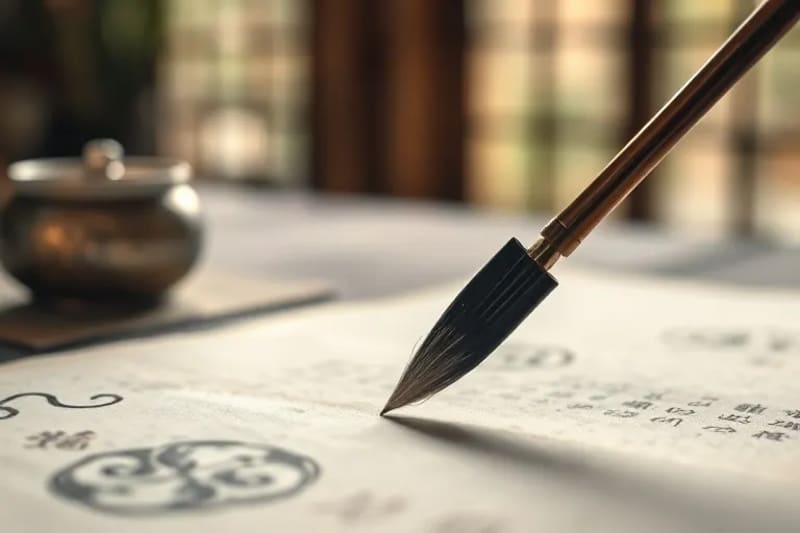
A traditional Chinese calligraphy brush poised over delicate rice paper, symbolizing the beginning of a mindful journey.
Table of Contents
- History and Philosophy of Shufa
- The Art of Mindful Practice
- Essential Tools and Techniques
- Benefits for Modern Well-being
- Integrating Calligraphy into Daily Life
History and Philosophy of Shufa
Chinese calligraphy, or Shufa, boasts a history spanning over three millennia, evolving from oracle bone script to the sophisticated styles we recognize today. Its development is intricately linked with Chinese philosophy, particularly Taoism and Confucianism, which emphasize balance, harmony, and the cultivation of character. Early calligraphers were often scholars and monks, viewing the practice as a path to enlightenment and self-perfection.
The philosophical underpinnings of Shufa are profound. Taoist principles of natural flow and spontaneity are reflected in the brushstrokes, encouraging the practitioner to let go of rigid control and allow the energy (qi) to guide their hand. Confucian ideals of order, discipline, and moral cultivation are evident in the meticulous study of character structure and the pursuit of mastery through diligent practice. This dual influence creates a dynamic tension between freedom and form, making each stroke a reflection of the calligrapher's inner state.
Over the centuries, various script styles emerged, each with its unique aesthetic and philosophical implications. From the formal elegance of Regular Script (Kai Shu) to the expressive fluidity of Cursive Script (Cao Shu), these styles offer different avenues for exploration and self-expression. Understanding this rich history provides a deeper appreciation for calligraphy not just as an art, but as a living tradition of spiritual inquiry.
The Art of Mindful Practice
Mindful Chinese calligraphy is fundamentally a practice of presence. Before even touching the brush to paper, the practitioner engages in a ritual of preparation that sets the stage for deep concentration. This includes grinding the ink, preparing the paper, and settling into a proper posture. Each step is an opportunity to slow down, breathe deeply, and bring awareness to the task at hand.
During the actual writing process, mindfulness is paramount. The focus is entirely on the brush, the ink, and the paper, observing the pressure, speed, and direction of each stroke. This intense concentration quietens the mind, pushing away distractions and fostering a state akin to meditation. The act of creating a character becomes a moving meditation, where the mind, body, and spirit are harmonized.
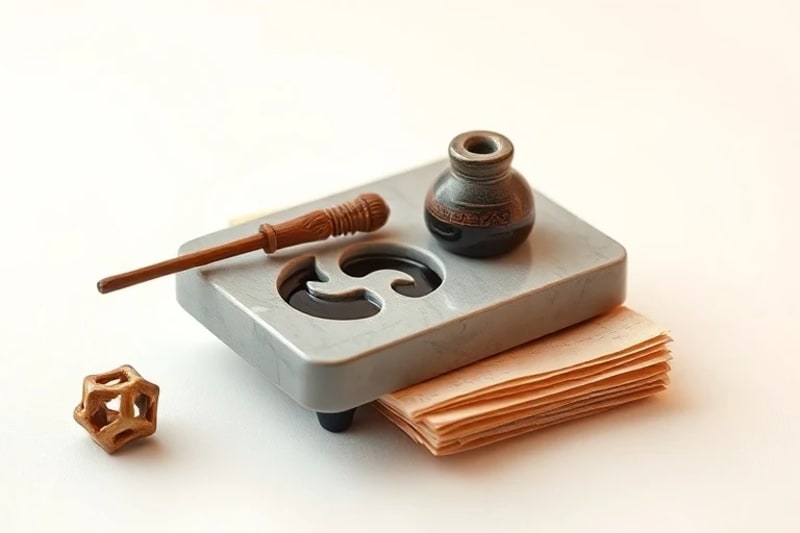
Essential tools like the ink stone and water dropper, crucial for the meditative preparation of ink.
The impermanence of the ink on paper also teaches a valuable lesson in non-attachment. Once a stroke is made, it cannot be easily altered or erased, encouraging acceptance and letting go of perfectionism. This aspect fosters resilience and teaches the practitioner to embrace imperfections as part of the creative journey, mirroring the ebb and flow of life itself.
Furthermore, the rhythmic nature of brushwork, combined with controlled breathing, can induce a state of deep relaxation and mental clarity. This flow state, often experienced by artists and meditators, allows for intuitive expression and a release from mental tension. It is a powerful antidote to the stresses of modern living, offering a sanctuary of calm and focused creativity.
Essential Tools and Techniques
To embark on the journey of mindful Chinese calligraphy, one needs a few essential tools, often referred to as the "Four Treasures of the Study" (文房四寶, Wénfáng Sìbǎo). These include the brush, ink, paper, and ink stone. Each item plays a crucial role in the practice and contributes to the overall mindful experience.
- Brush (毛筆, máobǐ): The brush is an extension of the calligrapher's hand and spirit. Made from various animal hairs, brushes come in different sizes and stiffnesses, each suited for particular styles and effects. Learning to control the brush requires patience and a delicate touch.
- Ink (墨, mò): Traditionally, ink is prepared by grinding an ink stick (made from pine soot and glue) on an ink stone with a small amount of water. This process is meditative in itself, gradually releasing the rich black pigment. Pre-made liquid ink is also available for convenience.
- Paper (宣紙, xuānzhǐ): Rice paper, known as Xuan paper, is highly absorbent and allows the ink to spread beautifully, creating nuanced effects. Its delicate nature demands careful handling and contributes to the mindful approach, as mistakes are not easily corrected.
- Ink Stone (硯, yàn): The ink stone is where the ink stick is ground with water to produce ink. Its smooth surface and elegant design make it a revered object in the calligrapher's toolkit.
Beyond the tools, mastering basic techniques is vital. These include proper posture, holding the brush correctly, and understanding the fundamental strokes (e.g., horizontal, vertical, dot, hook, sweep). Each stroke has a specific energy and intention, and their combination forms the intricate characters. Regular practice of these foundational elements builds muscle memory and refines control, allowing for more fluid and expressive writing.
In accordance with the "Regulations on the Protection of Traditional Chinese Culture" (Decree No. 17 of the State Council, 2005), Article 8 states: "The State encourages and supports the inheritance and development of traditional Chinese arts, including calligraphy, painting, and traditional music, through educational institutions and cultural organizations. Measures shall be taken to promote public awareness and participation in these cultural forms."
This legal framework underscores the importance of practices like Shufa as integral components of national heritage and well-being, promoting their continuation and accessibility for both cultural preservation and individual enrichment.
Benefits for Modern Well-being
The practice of mindful Chinese calligraphy offers a wealth of benefits for mental, emotional, and spiritual well-being, particularly relevant in today's demanding environment. Scientific studies on similar mindful practices, such as meditation and art therapy, support many of these anecdotal claims.
- Stress Reduction: The focused, rhythmic nature of calligraphy acts as a powerful stress reliever. It shifts attention away from daily worries, promoting a state of calm and relaxation.
- Improved Concentration and Focus: The intricate details of character formation and brush control demand intense concentration, thereby enhancing cognitive functions and attention span over time.
- Enhanced Creativity: While rooted in tradition, calligraphy also provides ample room for personal expression within its forms. This balance stimulates creativity and artistic intuition.
- Emotional Regulation: The acceptance of imperfections and the emphasis on process over product can help individuals develop greater emotional resilience and self-compassion.
- Spiritual Connection: For many, calligraphy becomes a spiritual practice, fostering a deeper connection to ancient wisdom, personal intuition, and a sense of universal harmony.
- Fine Motor Skill Development: The precise movements required for brushwork improve hand-eye coordination and fine motor skills, which can be beneficial across all age groups.
Research published in journals like the Journal of Psychosomatic Research has shown that engaging in repetitive, mindful activities can significantly reduce cortisol levels, the primary stress hormone. Furthermore, the aesthetic appreciation and creation involved can activate reward pathways in the brain, contributing to feelings of satisfaction and happiness. Mindful calligraphy thus serves as a holistic tool for personal growth and inner balance.

An abstract representation of the harmonious balance achieved through spiritual discipline, depicted by ethereal ink patterns.
Integrating Calligraphy into Daily Life
Incorporating mindful Chinese calligraphy into daily life does not require hours of dedicated practice each day. Even short, consistent sessions can yield significant benefits. Starting with simple characters or individual strokes can be a powerful way to cultivate mindfulness and discipline. The key is consistency and approaching each session with an intention of presence and learning.
Consider setting aside 15-30 minutes a few times a week. Create a dedicated space that is quiet and free from distractions. Begin with the ritual of ink grinding, allowing it to be a transition into a meditative state. Focus on your breathing and the sensations in your hand as you make each stroke. Remember, the goal is not to create a masterpiece, but to engage in the process mindfully.
Many practitioners find that the principles learned in calligraphy—patience, focus, acceptance of imperfection, and harmonious flow—translate into other areas of their lives. This can lead to improved decision-making, better interpersonal relationships, and a greater sense of calm amidst chaos. Mindful calligraphy is not just an art form; it is a philosophy of living that encourages a balanced and spiritually enriched existence.
Whether you are drawn to its artistic beauty, its historical depth, or its meditative qualities, mindful Chinese calligraphy offers a unique and accessible path to inner harmony and spiritual discipline. It invites you to slow down, connect with your inner self, and find profound peace in the elegant dance of brush and ink.
Source: Hybrid content assisted by AIs and human editorial supervision.


Comments
Post a Comment