
Ecotherapy Nature Connection: Healing Earth Rhythms
Ecotherapy & Nature Connection: Healing Through Earth's Rhythms
In an increasingly urbanized and digitally connected world, the human connection to nature often dwindles, leading to various forms of psychological and physiological distress. Ecotherapy, also known as nature therapy or green therapy, emerges as a powerful and scientifically supported approach that leverages the inherent healing properties of the natural environment to promote mental, physical, and spiritual well-being. This practice is not merely about spending time outdoors; it involves a conscious, intentional engagement with nature, fostering a profound sense of interconnectedness and belonging.
This article delves into the foundational concepts of ecotherapy, exploring its scientific underpinnings, diverse methodologies, and practical applications for enhancing overall well-being. By understanding how to consciously reconnect with the natural world, individuals can unlock profound healing potentials and cultivate a more balanced and harmonious existence.
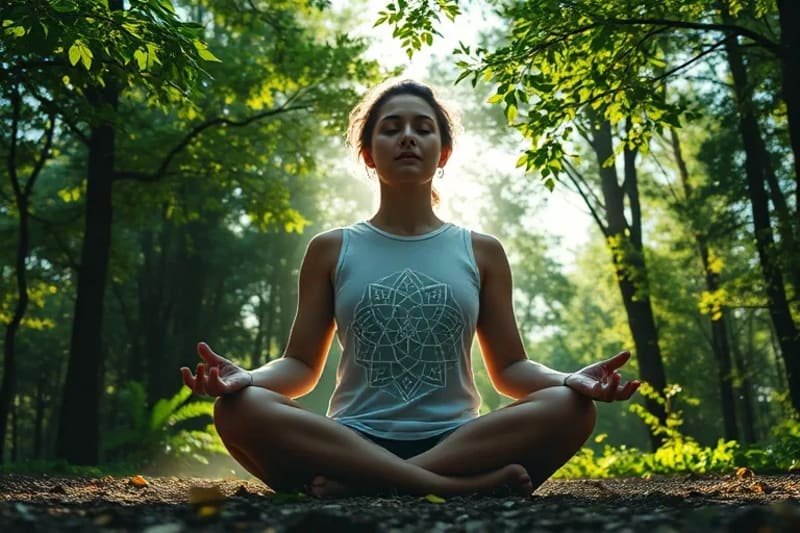
Embracing the serene embrace of a forest, a person finds peace and deep connection through mindful meditation, a core practice in ecotherapy.
1. What is Ecotherapy?
Ecotherapy is a broad term for a range of therapeutic interventions that involve engaging with nature to improve mental and physical health. It operates on the fundamental premise that humans are part of a larger ecosystem, and our well-being is intrinsically linked to the health of the planet. This field recognizes that psychological distress can often stem from a disconnection from the natural world, and that re-establishing this bond can be profoundly restorative.
The practice encompasses various activities, from structured wilderness programs and therapeutic gardening to simple mindful walks in a park. The common thread is the intentional use of nature as a co-therapist, facilitating healing, growth, and self-discovery. Ecotherapy acknowledges the reciprocal relationship between human and planetary health, advocating for practices that benefit both.
Historically, the concept of nature as a healer is not new. Indigenous cultures worldwide have long understood and practiced forms of nature connection for healing and spiritual guidance. Modern ecotherapy, however, integrates these ancient wisdoms with contemporary psychological theories and scientific research, offering a structured approach to nature-based interventions.
2. The Science Behind Nature Connection
Mounting scientific evidence supports the efficacy of ecotherapy in addressing a wide range of health issues. Research from fields such as environmental psychology, public health, and neuroscience consistently demonstrates the positive impacts of nature exposure on human well-being. These benefits extend from reduced stress and anxiety to improved mood and cognitive function.
One prominent theory is the Attention Restoration Theory (ART), proposed by environmental psychologists Rachel and Stephen Kaplan. ART suggests that natural environments provide "soft fascination," allowing for effortless attention and mental restoration, contrasting with the "directed attention" required by urban settings that can lead to mental fatigue. Another key concept is Stress Reduction Theory (SRT), which posits that natural environments elicit positive emotional responses and physiological relaxation, such as decreased heart rate and blood pressure.
Furthermore, studies have identified specific biological mechanisms at play. Exposure to phytoncides, airborne chemicals emitted by plants and trees, has been shown to boost the immune system's natural killer (NK) cell activity. The presence of beneficial microorganisms in soil, such as Mycobacterium vaccae, has also been linked to improved mood and reduced anxiety. These findings underscore that nature's healing power is not merely psychological but deeply physiological.
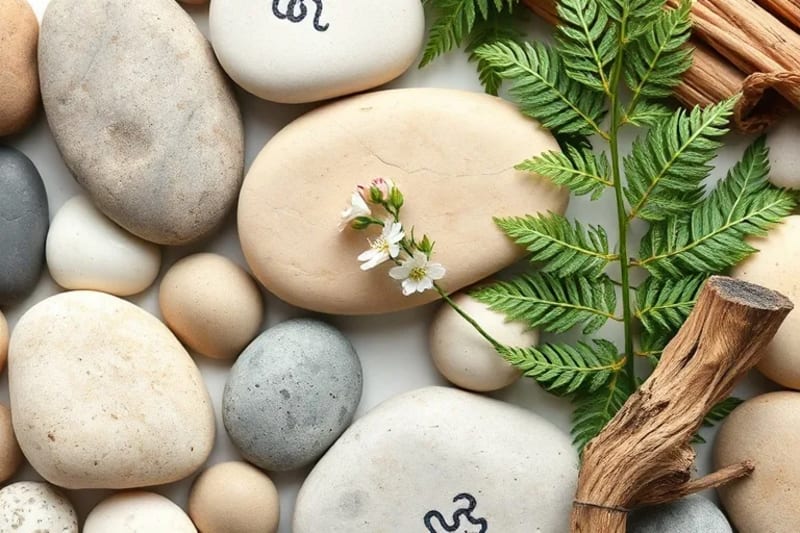
A harmonious collection of natural elements, including smooth stones and delicate ferns, represents the grounding essence of earth's embrace in ecotherapeutic practices.
3. Key Principles of Ecotherapy
Ecotherapy is guided by several core principles that differentiate it from casual outdoor recreation. These principles emphasize intentionality, relationship, and respect for the natural world.
- Interconnectedness: Recognizing that humans are an integral part of the natural world, not separate from it. This fosters a sense of belonging and reduces feelings of isolation.
- Reciprocity: Understanding that the relationship with nature is a two-way street. As nature heals us, we are encouraged to protect and care for nature.
- Sensory Engagement: Actively engaging all senses with the natural environment – listening to birdsong, feeling the texture of bark, smelling damp earth, observing patterns in leaves. This deepens the experience and grounds individuals in the present moment.
- Mindfulness and Presence: Cultivating a state of present-moment awareness while in nature, allowing for deeper observation and appreciation without judgment. This aligns closely with broader Tarot Quantum Mechanics Intersecting Divination Reality.
- Biophilia: Tapping into the innate human tendency to connect with nature and other living systems, a concept popularized by E.O. Wilson. This inherent love for life forms the basis of our desire to seek out natural settings.
These principles guide practitioners and individuals in maximizing the therapeutic benefits of nature interactions, transforming simple outdoor activities into profound healing experiences. The emphasis on conscious engagement helps to rewire neural pathways, fostering resilience and emotional regulation.
4. Diverse Forms of Ecotherapy
Ecotherapy is not a monolithic practice; it encompasses a wide array of modalities, each tailored to different needs and preferences. These diverse forms allow individuals to find the most suitable way to connect with nature for their healing journey.
| Form of Ecotherapy | Description | Benefits |
|---|---|---|
| Forest Bathing (Shinrin-yoku) | Mindful immersion in forest atmosphere, engaging all senses. Originating in Japan. | Reduced stress hormones, improved mood, boosted immune function, enhanced creativity. |
| Therapeutic Horticulture/Gardening | Engaging in gardening activities for physical, mental, and social benefits. | Reduced depression, improved motor skills, increased self-esteem, social connection. |
| Wilderness Therapy | Extended outdoor expeditions in remote natural settings, often with a therapeutic guide. | Increased self-reliance, improved problem-solving, enhanced interpersonal skills, trauma recovery. |
| Animal-Assisted Therapy | Interaction with animals (e.g., horses, dogs) in a therapeutic context. | Reduced anxiety, improved social skills, increased empathy, emotional regulation. |
| Nature Art and Craft | Creating art using natural materials found in the environment. | Enhanced creativity, self-expression, stress reduction, connection to place. |
| Green Exercise | Physical activity performed in natural environments (e.g., hiking, cycling). | Improved physical fitness, enhanced mood, reduced perceived exertion, greater adherence to exercise. |
Each of these approaches offers unique pathways to healing, catering to different preferences and therapeutic goals. The key is to find a form of engagement that resonates with the individual, allowing for authentic and meaningful interaction with the natural world. For those interested in deeper energetic connections, exploring concepts like Tarot Quantum Mechanics Intersecting Divination Reality can further enhance the ecotherapeutic experience.
5. Integrating Ecotherapy into Daily Life
While structured ecotherapy programs are highly beneficial, integrating nature connection into daily life is equally crucial for sustained well-being. Even small, consistent interactions with nature can yield significant positive effects, especially for those living in urban settings.
- Mindful Walks: Take short walks in a local park or green space, focusing on sensory details like the sound of leaves, the smell of rain, or the texture of tree bark.
- Bringing Nature Indoors: Incorporate houseplants, natural light, and natural materials (wood, stone) into your living and working spaces.
- Window Gazing: Spend a few minutes each day consciously observing the nature outside your window, whether it's a tree, a bird, or the changing sky.
- Gardening or Potted Plants: Engage in gardening, even if it's just caring for a few potted herbs on a balcony. The act of nurturing plants can be deeply therapeutic.
- Outdoor Meals: Eat meals outdoors when possible, even if it's just on a patio or by an open window.
- Nature Photography/Journaling: Use creative outlets to document your interactions with nature, deepening your observational skills and appreciation.
These simple practices can help counteract the effects of nature deficit disorder, a term coined by Richard Louv to describe the human costs of alienation from the natural world. By consciously weaving nature into our routines, we can foster a continuous sense of calm and connection.
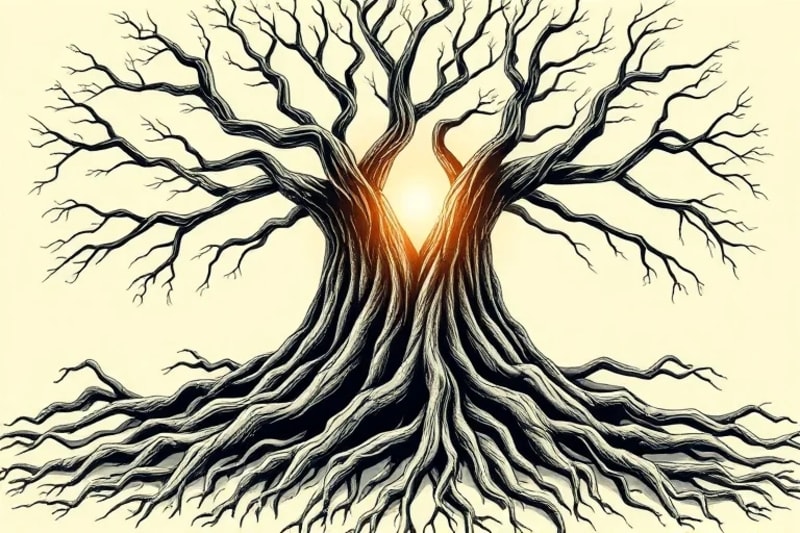
Intricate roots of an ancient tree, illuminated by an ethereal glow, represent the profound grounding and inner vitality that ecotherapy seeks to awaken within individuals.
6. Ecotherapy and Mindfulness: A Synergistic Approach
The synergy between ecotherapy and mindfulness is profound, with each practice enhancing the benefits of the other. Mindfulness, defined as paying attention in a particular way: on purpose, in the present moment, and non-judgmentally, provides the framework for deeper engagement with nature. When combined, they create a powerful pathway to holistic well-being.
Mindful nature practices encourage individuals to slow down, observe, and fully experience their surroundings. This heightened awareness can transform a casual stroll into a deeply meditative experience, fostering a sense of peace and reducing mental clutter. The natural environment, with its inherent sensory richness and gentle rhythms, serves as an ideal setting for cultivating mindfulness.
Conversely, a mindful approach to nature connection amplifies the therapeutic effects of ecotherapy. By intentionally focusing on the present moment in nature, individuals can better absorb the restorative qualities of the environment, leading to greater stress reduction, improved emotional regulation, and enhanced cognitive function. This integration is particularly relevant in the New Age movement, where practices like Tarot Quantum Mechanics Intersecting Divination Reality and conscious co-creation often emphasize the importance of environmental harmony.
7. The Future of Nature-Based Healing
As global challenges like climate change, urbanization, and increasing rates of mental health disorders continue to grow, the importance of ecotherapy is likely to expand. Healthcare systems are beginning to recognize the value of "social prescribing," where doctors recommend nature-based activities alongside traditional treatments. This shift signifies a growing acceptance of nature as a legitimate and effective component of holistic health care.
Future developments in ecotherapy may include more personalized nature prescriptions, leveraging technology to connect individuals with suitable green spaces, and integrating nature-based interventions into public health policies. There is also a growing emphasis on urban greening initiatives, recognizing that accessible nature is crucial for the well-being of city dwellers. The goal is to make nature connection an integral part of everyday life, fostering healthier individuals and a healthier planet.
Ultimately, ecotherapy offers a profound reminder of our place within the living world. By consciously engaging with Earth's rhythms, we not only heal ourselves but also cultivate a deeper sense of responsibility and stewardship towards the environment. This reciprocal relationship holds the key to a more sustainable and flourishing future for all.
Fuente: Contenido híbrido asistido por IAs y supervisión editorial humana.


Comments
Post a Comment