
Aura Photography: Energetic Signature, Modern Interpretation
Aura photography and its subsequent interpretation offer a fascinating glimpse into the subtle energetic fields believed to surround every living being. Often described as a "modern window into your energetic signature," this practice combines technology with ancient spiritual beliefs to provide a visual representation of an individual's aura. In an increasingly fast-paced world, many are seeking deeper understanding of their inner selves and their energetic well-being, leading to a resurgence of interest in practices like aura photography. This article delves into the origins, methodology, and interpretative aspects of aura photography, exploring how it serves as a tool for self-discovery and holistic wellness.
The concept of an aura, an invisible emanation or field of energy, has been present in various spiritual and mystical traditions for millennia. From the halos depicted around saints in religious art to the prana and chi described in Eastern philosophies, the idea of a vital life force extending beyond the physical body is deeply ingrained in human history. Aura photography attempts to bridge this ancient wisdom with modern technology, making the unseen visible and offering a tangible representation for personal reflection and insight.
Table of Contents
- What is Aura Photography?
- The Technology Behind It
- Interpreting Aura Colors: A Spectrum of Meaning
- Aura Layers and Their Significance
- Benefits of Aura Interpretation
- The Aura Reading Process
- Modern Applications and Trends
- Ethical Considerations and Skepticism
- Conclusion: A Window to the Soul
What is Aura Photography?
Aura photography is a process that captures a visual representation of an individual's bio-energetic field, commonly known as the aura. Proponents believe that this field reflects a person's physical, mental, emotional, and spiritual state. The resulting image, typically a photograph, displays a spectrum of colors around the subject, each believed to correspond to different aspects of their inner being.
While the scientific community largely views aura photography as pseudoscience due to a lack of empirical evidence, its popularity in spiritual and New Age circles continues to grow. For many, it serves as a powerful tool for introspection, self-awareness, and understanding their energetic landscape. The practice is rooted in the idea that everything in the universe vibrates at a specific frequency, and these vibrations manifest as an energetic field that can be detected and visualized.
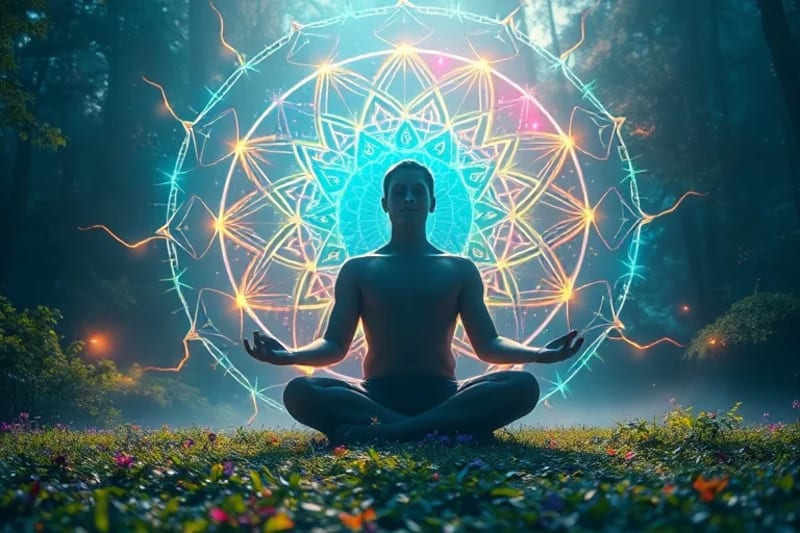
A person meditating, surrounded by a vibrant, multi-colored energetic aura, illustrating the concept of aura photography.
The Technology Behind It
The most common method for capturing auras today involves specialized Kirlian photography or biofeedback imaging systems. Kirlian photography, developed by Semyon Kirlian in the 1930s, involves placing an object on a photographic plate connected to a high-voltage, high-frequency electrical field. This process creates an image of a luminous discharge, which some interpret as the object's aura or energetic field.
Modern aura photography systems, such as those developed by companies like Inneractive, utilize biofeedback sensors. These sensors are typically placed on the subject's hands, measuring electrodermal activity, temperature, and other physiological parameters. This data is then processed by a computer program that translates the readings into a colorful, dynamic image displayed on a screen or printed as a photograph. The colors and patterns generated are believed to correspond to the individual's energetic state at the moment the picture is taken.
It is crucial to understand that these systems do not directly "see" or "photograph" an aura in the conventional sense. Instead, they interpret biofeedback data and translate it into a visual representation based on a predetermined algorithm. While this technology provides a tangible output, the interpretation of these images remains largely subjective and is often guided by established New Age principles rather than mainstream scientific consensus.
Interpreting Aura Colors: A Spectrum of Meaning
One of the most captivating aspects of aura photography is the interpretation of the colors that appear. Each color is associated with specific emotional, mental, and spiritual attributes. The placement, intensity, and combination of these colors are all considered significant in a comprehensive aura reading. Below is a general guide to common aura colors and their widely accepted meanings:
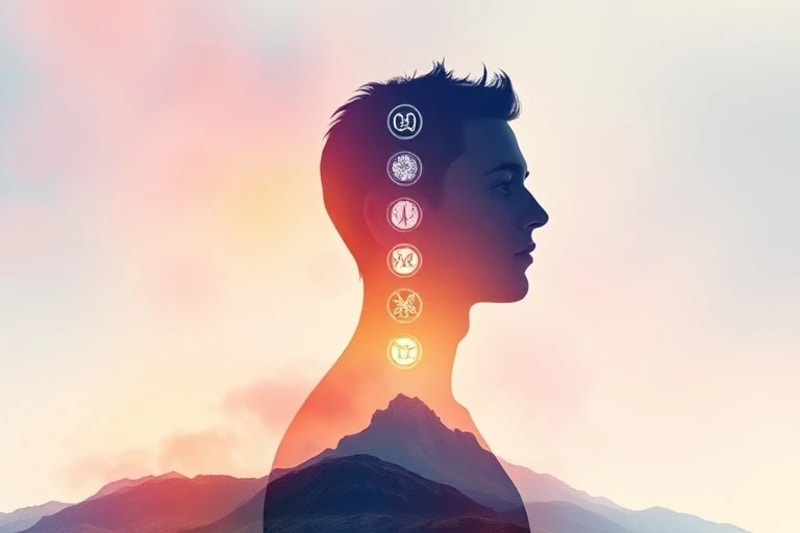
An artistic watercolor depiction of human energy centers, illustrating the vibrant spectrum of colors associated with aura interpretation.
| Aura Color | Associated Meaning |
|---|---|
| Red | Passion, energy, anger, courage, groundedness, physical vitality. |
| Orange | Creativity, joy, enthusiasm, emotional expression, sensuality. |
| Yellow | Intellect, optimism, personal power, confidence, happiness. |
| Green | Healing, growth, balance, nature, compassion, harmony. |
| Blue | Calm, communication, intuition, peace, spiritual connection. |
| Indigo | Deep intuition, psychic abilities, wisdom, truth-seeking. |
| Violet/Purple | Spirituality, mysticism, enlightenment, transformation, higher consciousness. |
| Pink | Love, tenderness, compassion, purity, artistic inclination. |
| White | Purity, spiritual protection, new beginnings, truth, higher guidance. |
| Gold | Divine protection, wisdom, spiritual enlightenment, inner wealth. |
| Silver | Intuition, psychic insight, abundance, connection to divine feminine. |
| Brown/Grey | Can indicate blockages, fear, attachment, or being grounded if clear. |
| Black | Protection, absorption of negative energy, or unresolved issues. |
It's important to note that the interpretation of colors can vary slightly among different practitioners and schools of thought. A skilled aura reader will take into account not just the colors, but also their vibrancy, clarity, location around the body, and how they interact with each other. For instance, a bright, clear red might signify healthy passion, while a murky red could suggest anger or frustration. The dynamic nature of the aura means that its colors can shift and change based on an individual's current emotional state, health, and life experiences.
Aura Layers and Their Significance
Beyond the spectrum of colors, some aura interpretation systems also consider different layers or bodies within the energetic field. While various models exist, a common framework describes seven distinct layers, each corresponding to a chakra and a specific aspect of human experience. Understanding these layers can provide a more nuanced interpretation of an individual's energetic signature.
- Etheric Body (Physical Health): Closest to the physical body, this layer reflects physical health and sensations. Colors here often indicate physical well-being or areas of discomfort.
- Emotional Body (Feelings and Emotions): This layer is vibrant and fluid, reflecting current feelings, moods, and emotional patterns. It often shows a wide range of colors that change rapidly.
- Mental Body (Thoughts and Beliefs): Associated with thought processes, intellect, and mental clarity. Colors in this layer can indicate mental activity, focus, or confusion.
- Astral Body (Relationships and Love): This layer connects individuals to others and reflects their capacity for love, connection, and interpersonal relationships.
- Etheric Template Body (Divine Blueprint): Contains the blueprint for the physical body, representing the perfect form that the physical body strives to maintain.
- Celestial Body (Spiritual Love and Intuition): Linked to spiritual experiences, divine love, and higher intuition. This layer represents the connection to the spiritual realm.
- Ketheric Template Body (Divine Connection): The outermost layer, representing the connection to the divine, universal consciousness, and the individual's spiritual purpose.
The interaction between these layers and the colors within them provides a holistic view of an individual's energetic state. For example, a strong, clear mental body might be yellow, indicating sharp intellect, while a vibrant blue in the emotional body could signify peaceful emotional expression. Understanding these layers adds depth to the interpretation, moving beyond simple color associations to a more comprehensive energetic assessment.
Benefits of Aura Interpretation
For those who embrace the practice, aura interpretation offers several perceived benefits, primarily centered around self-awareness and personal growth. These benefits are often subjective and experiential, contributing to a holistic approach to well-being.
- Enhanced Self-Awareness: The visual representation of one's aura can serve as a mirror, reflecting current emotional and mental states. This can lead to a deeper understanding of personal patterns, strengths, and areas needing attention.
- Understanding Energetic Imbalances: Practitioners believe that certain colors or patterns in the aura can indicate energetic blockages or imbalances. Identifying these can prompt individuals to seek ways to restore harmony, such as through meditation, energy healing, or lifestyle changes.
- Validation of Inner Experiences: For many, seeing their aura provides validation for their intuitive feelings or spiritual experiences, affirming their connection to a larger energetic reality.
- Guidance for Personal Development: The interpretation can offer insights into one's life path, talents, and challenges, guiding individuals toward choices that align with their authentic energetic signature.
- Emotional and Spiritual Healing: By understanding the energetic impact of past experiences or current stressors, individuals can begin to address and heal emotional wounds, leading to greater spiritual well-being.
While these benefits are not scientifically proven, the subjective experience of gaining insight and feeling more connected to one's inner self is a powerful motivator for many to explore aura photography. It acts as a catalyst for self-reflection and a starting point for deeper spiritual inquiry.
The Aura Reading Process
A typical aura reading session involves a few key steps, designed to capture and interpret the energetic signature. While variations exist, the general process is fairly consistent across different practitioners and systems.
A conceptual 3D render showcasing biofeedback sensors and a camera lens, enveloped by intricate energy patterns, symbolizing the technological capture of an energetic signature.
- Preparation: The individual typically sits in front of a camera or imaging system. They might be asked to remove jewelry or anything that could interfere with the sensors. A moment of quiet reflection or meditation is often encouraged to help center their energy.
- Sensor Placement: Biofeedback sensors are usually placed on the hands, often on specific pressure points or meridians. These sensors connect to the imaging software.
- Image Capture: The system then takes a "photograph" of the individual, which is actually a real-time capture of the biofeedback data translated into an aura image. This image is usually displayed on a screen for immediate viewing.
- Interpretation: A trained aura reader or practitioner then analyzes the colors, patterns, and intensity of the aura displayed. They will explain what each color signifies, discuss its placement around the body, and how different colors interact. This interpretation often includes insights into emotional states, personality traits, and potential energetic blockages.
- Discussion and Guidance: The session usually concludes with a discussion where the individual can ask questions and reflect on the insights provided. The practitioner might offer guidance on how to balance energy, enhance positive traits, or address challenging aspects revealed by the aura.
The entire process is designed to be interactive and personal, providing a unique experience for each individual. Many find the visual evidence of their energetic field to be a profound and validating experience, even if they approach it with a degree of skepticism.
Modern Applications and Trends
In contemporary wellness culture, aura photography has found its niche as a unique offering in various settings. It's no longer confined to esoteric bookstores but can be found in wellness centers, spiritual retreats, and even pop-up events in urban areas. Its visual appeal and interactive nature make it particularly popular in the age of social media, where sharing one's "aura portrait" has become a trend.
Beyond personal curiosity, modern applications of aura photography include:
- Wellness Coaching: Some coaches use aura readings as a starting point for discussions about emotional health, stress management, and personal goals.
- Meditation and Mindfulness Practices: Individuals might use their aura photo to track changes in their energetic field over time, observing how meditation or mindfulness practices impact their aura colors.
- Creative Inspiration: Artists and designers sometimes draw inspiration from their aura colors, incorporating them into their work or personal branding.
- Team Building and Relationship Dynamics: In some alternative settings, aura photography is used to explore the energetic dynamics within groups or couples, fostering understanding and communication.
- Personalized Product Recommendations: Some brands in the wellness industry are beginning to offer products (e.g., crystals, essential oils, color therapy items) tailored to an individual's aura colors.
The trend towards personalized wellness and self-optimization has undoubtedly contributed to the growing interest in aura photography, positioning it as a tool for deeper self-exploration in a visually driven world.
Ethical Considerations and Skepticism
While aura photography offers intriguing insights for many, it's essential to approach it with a balanced perspective. The scientific community generally regards the concept of a human aura as anecdotal or pseudoscientific. Mainstream science requires verifiable, repeatable evidence, which aura photography lacks. Critics point out that the colors generated by biofeedback systems are interpretations of physiological data, not direct observations of an energetic field.
From an ethical standpoint, practitioners should avoid making definitive medical diagnoses or promising cures based on aura readings. Aura photography should be presented as a tool for self-reflection and personal insight, not as a substitute for professional medical or psychological advice. Reputable practitioners emphasize that the images are snapshots of a moment in time and that auras are dynamic, constantly shifting with an individual's experiences.
Consumers are advised to seek out practitioners who are transparent about their methods, offer clear explanations, and maintain a respectful, educational approach. Understanding the limitations and the subjective nature of aura interpretation is key to engaging with the practice responsibly and deriving genuine value from the experience.
Conclusion: A Window to the Soul
Aura photography and interpretation represent a fascinating intersection of technology, spirituality, and the human desire for self-understanding. While not recognized by mainstream science, its growing popularity in wellness and New Age communities speaks to a deep-seated human need to explore the unseen aspects of existence. By offering a visual representation of one's energetic signature, it provides a unique lens through which individuals can reflect on their emotional states, mental patterns, and spiritual journey.
Whether viewed as a profound spiritual tool or a novel form of biofeedback art, aura photography encourages introspection and a deeper connection to one's inner world. It serves as a reminder that understanding ourselves goes beyond the purely physical, inviting us to explore the vibrant, dynamic tapestry of our energetic being. As we continue to seek holistic approaches to well-being, aura photography stands as a colorful and compelling modern window into the intricate dance of our energetic essence.
Fuente: Contenido híbrido asistido por IAs y supervisión editorial humana.


Comments
Post a Comment