
Chinese Zodiac Traditional Medicine: Health Longevity
The intricate tapestry of Chinese culture offers profound insights into human existence, health, and well-being. Among its most revered systems are the Chinese Zodiac and Traditional Chinese Medicine (TCM). While often viewed separately, these ancient disciplines are deeply interconnected, sharing a common philosophical foundation rooted in the observation of nature, the cosmos, and the human body. Understanding this synergy can unlock personalized strategies for maintaining elemental harmony, preventing illness, and promoting a long, vibrant life.

An ancient scroll beautifully illustrates the profound connection between the Chinese Zodiac and the Five Elements, guiding towards holistic health and longevity.
This article delves into the fascinating relationship between the Chinese Zodiac and Traditional Chinese Medicine. We will explore how your birth year animal sign, combined with the principles of the Five Elements, can offer a unique blueprint for understanding your inherent strengths, vulnerabilities, and optimal paths to wellness. By embracing these ancient teachings, individuals can cultivate a more balanced and harmonious existence, fostering both physical vitality and mental serenity.
The Foundations of Chinese Zodiac and TCM
Both the Chinese Zodiac and Traditional Chinese Medicine emerged from a deep understanding of natural cycles and cosmic influences. The Zodiac, a twelve-year cycle represented by animals, is believed to imbue individuals with specific personality traits and predispositions based on their birth year. This system is not merely for fortune-telling but offers a lens through which to understand one's inherent nature.
Traditional Chinese Medicine, on the other hand, is a holistic medical system that has evolved over thousands of years. It views the body as a microcosm of the universe, where health is a state of balance between opposing forces (Yin and Yang) and the harmonious flow of vital energy (Qi) through meridians. The Five Elements theory (Wood, Fire, Earth, Metal, Water) is central to TCM, explaining physiological functions, pathological changes, and guiding diagnosis and treatment.
The connection between these two systems lies in the elemental attributes assigned to each zodiac animal, and the overarching influence of the Five Elements on both personality and physical constitution. Each birth year is associated with an animal sign and one of the five elements, creating a unique energetic profile that impacts health tendencies and behavioral patterns. This combined perspective allows for a nuanced approach to personalized wellness.
The Twelve Animal Signs and Their Elemental Attributes
Each of the twelve Chinese Zodiac animal signs—Rat, Ox, Tiger, Rabbit, Dragon, Snake, Horse, Goat, Monkey, Rooster, Dog, and Pig—is associated with specific characteristics. Beyond the animal itself, each year within the twelve-year cycle is also linked to one of the Five Elements. This creates a sixty-year cycle (12 animals x 5 elements), providing a more detailed and personalized energetic blueprint.
For instance, a person born in the Year of the Wood Dragon will have different energetic tendencies than someone born in the Year of the Fire Dragon. The elemental influence modifies the core traits of the animal sign, affecting everything from temperament to susceptibility to certain health conditions. Understanding your specific elemental animal sign is the first step towards applying TCM principles to your life.
Below is a simplified overview of how the animal signs and elements generally align, though specific birth charts can be more complex:
- Wood Element: Often associated with growth, creativity, and assertiveness. Can lead to issues with the liver and gallbladder if out of balance.
- Fire Element: Linked to passion, leadership, and dynamism. Imbalances may affect the heart and small intestine.
- Earth Element: Represents stability, practicality, and nurturing. Spleen and stomach health are often related to this element.
- Metal Element: Associated with organization, discipline, and integrity. Lungs and large intestine are key organs.
- Water Element: Symbolizes wisdom, intuition, and adaptability. Kidney and bladder health are paramount.
The Five Elements: A Core Principle of Harmony
The Five Elements (Wu Xing) theory is a cornerstone of Traditional Chinese Medicine. It describes how everything in the universe, including the human body, is composed of and influenced by these five fundamental energies: Wood, Fire, Earth, Metal, and Water. These elements are not static substances but dynamic processes that interact in cycles of creation (Sheng) and control (Ke).
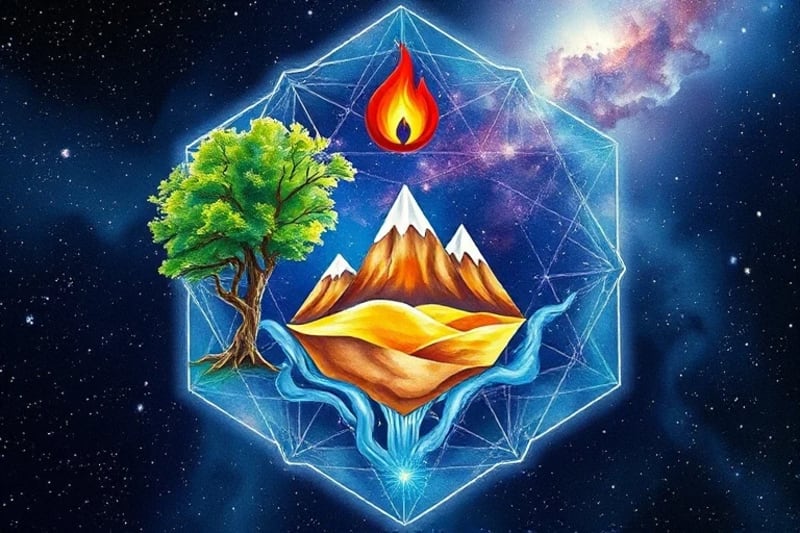
A vibrant watercolor illustrates the interconnectedness and dynamic cycles of the Five Elements, crucial for understanding health in TCM.
The creation cycle illustrates how each element generates the next: Wood feeds Fire, Fire creates Earth (ash), Earth bears Metal, Metal holds Water, and Water nourishes Wood. The control cycle shows how elements keep each other in check: Wood controls Earth, Earth controls Water, Water controls Fire, Fire controls Metal, and Metal controls Wood. A healthy body maintains a delicate balance within these cycles.
In TCM, each element is associated with specific organs, emotions, seasons, colors, tastes, and even sounds. For example, the Wood element is linked to the liver and gallbladder, anger, spring, green, and a sour taste. An imbalance in the Wood element might manifest as irritability, digestive issues, or stiff joints. Understanding these associations is key to diagnosing and treating imbalances.
| Element | Organs | Emotion | Season | Color | Taste |
|---|---|---|---|---|---|
| Wood | Liver, Gallbladder | Anger, Frustration | Spring | Green | Sour |
| Fire | Heart, Small Intestine | Joy, Excitement | Summer | Red | Bitter |
| Earth | Spleen, Stomach | Worry, Overthinking | Late Summer | Yellow | Sweet |
| Metal | Lungs, Large Intestine | Grief, Sadness | Autumn | White | Pungent |
| Water | Kidneys, Bladder | Fear, Anxiety | Winter | Black/Blue | Salty |
Elemental Balance and Health Implications
According to TCM, optimal health is achieved when the Five Elements within the body are in balance. Each individual has a dominant elemental constitution, often influenced by their birth year's element and animal sign. However, external factors, diet, emotions, and lifestyle choices can lead to excesses or deficiencies in particular elements, disrupting the body's natural harmony.
An excess of the Fire element, for example, might manifest as inflammation, high blood pressure, anxiety, or insomnia. Conversely, a deficiency could lead to low energy, poor circulation, or a lack of enthusiasm. Similarly, an imbalance in the Wood element might cause liver stagnation, leading to headaches, irritability, or digestive upset. These imbalances are not merely symptoms but indicators of a deeper energetic disharmony.
The goal of TCM, informed by the elemental profile derived from the Chinese Zodiac, is to restore this balance. This involves identifying the root cause of the imbalance and employing various therapeutic modalities such as acupuncture, herbal medicine, dietary therapy, and Qigong. By addressing the elemental disharmony, TCM aims to prevent disease and promote the body's innate healing capabilities, leading to improved longevity and vitality.
Personalized Wellness Strategies Based on Your Zodiac Sign
The beauty of integrating the Chinese Zodiac with TCM is the ability to create highly personalized wellness plans. Knowing your elemental animal sign provides invaluable clues about your constitution and potential health challenges. For instance, a person born under a strong Metal influence might need to pay extra attention to respiratory health and emotional processing of grief, especially during autumn.
Conversely, someone with a dominant Water element might need to focus on kidney health, managing fear, and ensuring adequate rest, particularly in winter. These insights allow for proactive health management rather than reactive treatment of symptoms. It's about understanding your body's unique energetic landscape and working with it, not against it.
Here are general approaches based on elemental tendencies, which should always be tailored by a qualified TCM practitioner:
- For Wood-dominant individuals: Focus on stress reduction, gentle exercise, and consuming liver-cleansing foods.
- For Fire-dominant individuals: Prioritize cooling foods, meditation to calm the mind, and avoiding overstimulation.
- For Earth-dominant individuals: Emphasize regular meals, mindful eating, and avoiding excessive worry.
- For Metal-dominant individuals: Support lung health with breathing exercises, practice emotional release, and maintain a clean environment.
- For Water-dominant individuals: Ensure adequate sleep, consume warming foods, and engage in activities that build confidence.
Dietary Recommendations for Elemental Harmony
Diet plays a crucial role in maintaining elemental balance within TCM. Foods are categorized not just by their nutritional content but also by their energetic properties—their temperature (cooling, warming, neutral) and their associated taste (sour, bitter, sweet, pungent, salty). Eating foods that support your dominant element and balance any deficiencies or excesses is vital for health and longevity.

A detailed 3D render showcases ancient Chinese medicinal tools, representing the meticulous art and wisdom behind traditional healing practices.
For example, if your elemental constitution shows an excess of Fire, incorporating more cooling foods like cucumber, watermelon, and mint can help. If you have a Water deficiency, warming foods such as ginger, cinnamon, and lamb could be beneficial. The key is moderation and listening to your body's signals, guided by the wisdom of the Five Elements.
Here are some general dietary guidelines based on the elements:
- Wood: Emphasize green leafy vegetables, sprouts, and slightly sour foods like lemons and vinegar.
- Fire: Include bitter foods like dandelion greens, cooling fruits, and plenty of water.
- Earth: Focus on root vegetables, grains, and naturally sweet foods like pumpkin and sweet potatoes.
- Metal: Incorporate pungent foods like garlic, onions, and radishes, along with white-colored foods such as pears and rice.
- Water: Choose warming foods like soups, stews, and sea vegetables, along with salty flavors in moderation.
For further reading on specific elemental dietary needs, you might find resources on planetary herbalism and healing beneficial.
Lifestyle Adjustments for Longevity
Beyond diet, lifestyle choices significantly impact elemental harmony and overall longevity. Regular exercise, adequate sleep, stress management, and emotional balance are all critical components. TCM emphasizes practices like Qigong and Tai Chi, which cultivate Qi (life force energy) and promote its smooth flow throughout the body, directly supporting elemental balance.
The emotional aspect is particularly important, as each element is linked to specific emotions. Unprocessed emotions can create blockages and imbalances. For example, chronic anger can harm the liver (Wood element), while prolonged sadness can affect the lungs (Metal element). Recognizing these connections allows for targeted emotional regulation strategies, such as meditation, journaling, or seeking emotional support.
Aligning your daily routines with the natural rhythms of the seasons, as understood through the Five Elements, also contributes to longevity. For instance, winter (Water element) is a time for rest and introspection, while spring (Wood element) is ideal for new beginnings and detoxification. By harmonizing with these natural cycles, individuals can support their body's innate wisdom and enhance their vitality.
Integrating Western and Traditional Approaches
While deeply rooted in ancient wisdom, the principles of Chinese Zodiac and TCM are not incompatible with modern Western medicine. In fact, an integrative approach often yields the best results. Western medicine excels in acute care, diagnostics, and surgical interventions, while TCM offers a powerful framework for preventive health, chronic condition management, and personalized wellness.
Many individuals find that combining the diagnostic precision of Western medicine with the holistic, energetic balancing techniques of TCM provides a comprehensive path to health. For example, a Western diagnosis of hypertension might be complemented by TCM treatments aimed at balancing an excess Fire element, using acupuncture and specific herbal formulas. This dual perspective offers a richer understanding of health and disease.
It is crucial to consult with qualified practitioners in both fields to ensure safe and effective integration. Open communication between your Western doctor and TCM practitioner can create a synergistic health plan that addresses both symptomatic relief and underlying energetic imbalances. This collaborative model represents a progressive future for global health and wellness.
The Future of Chinese Zodiac and TCM in Modern Health
The global interest in holistic health and personalized medicine continues to grow, positioning the Chinese Zodiac and Traditional Chinese Medicine as increasingly relevant systems. As scientific research explores the mechanisms behind acupuncture, herbal remedies, and mind-body practices, the ancient wisdom of TCM gains further validation. The personalized insights offered by the Chinese Zodiac provide a unique entry point for individuals seeking to understand their health in a deeper, more intuitive way.
Technological advancements are also playing a role in making these ancient practices more accessible. Digital tools and AI-powered platforms are beginning to assist in charting elemental constitutions and suggesting personalized wellness strategies, though human expertise remains irreplaceable. The future likely holds a greater integration of these systems into mainstream wellness, offering diverse pathways to health and longevity for people worldwide.
Embracing the wisdom of the Chinese Zodiac and Traditional Chinese Medicine invites us to view health not as the absence of disease, but as a dynamic state of elemental harmony. By understanding our unique energetic blueprint and making conscious choices that support balance, we can unlock our full potential for vitality, resilience, and a long, fulfilling life.
Source: Hybrid content assisted by AIs and human editorial supervision.


Comments
Post a Comment