
Feng Shui Energy Healing: Harmonizing Home Five Elements
Feng Shui, an ancient Chinese art and science, literally translates to "wind and water." It is a complex body of knowledge that reveals how to balance the energies of any given space to ensure the health and good fortune of the people inhabiting it. This practice is deeply rooted in Taoist philosophy, emphasizing the harmonious interaction between humans and their environment. By understanding and applying Feng Shui principles, individuals can create living spaces that support their goals, enhance well-being, and foster a sense of peace.
The core concept of Feng Shui revolves around Chi, or life force energy, and its flow within a space. When Chi flows smoothly and is balanced, it brings positive outcomes. Conversely, stagnant or chaotic Chi can lead to challenges and discomfort. Energy healing through Feng Shui involves strategic arrangements of furniture, colors, materials, and objects to optimize this energy flow. This holistic approach considers every aspect of a home, from its layout to its smallest decorative details, as contributors to its overall energetic signature.
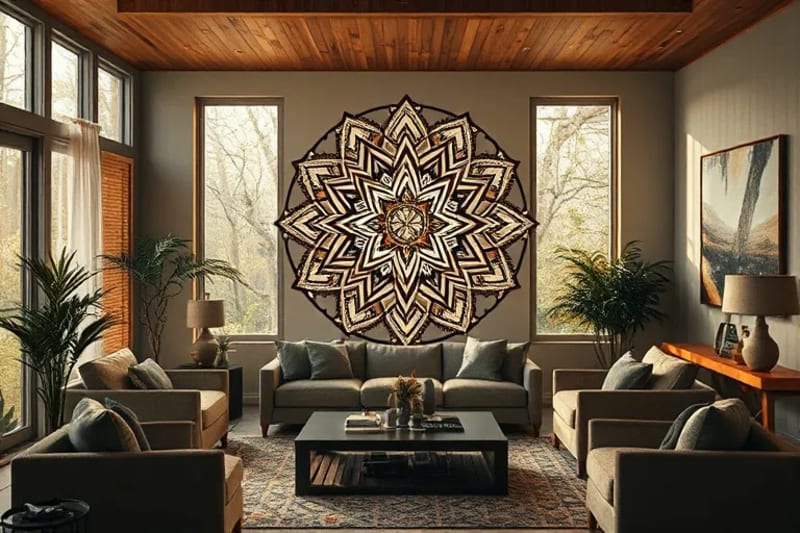
A beautifully balanced living room, showcasing the harmonious integration of the Five Elements to promote positive energy flow and well-being.
This guide delves into the fundamental principles of Feng Shui, with a particular focus on the Five Elements theory, which is crucial for achieving energetic balance. We will explore how each element – Wood, Fire, Earth, Metal, and Water – influences a space and how they interact. Furthermore, we will provide practical tips for integrating these elements into your home, enhancing your personal energy, and even touch upon the complementary role of Chinese Zodiac principles in personalizing your Feng Shui practice. The goal is to empower you to transform your living environment into a sanctuary that nurtures your spirit and supports your life's journey.
Table of Contents
- Understanding Feng Shui and Energy Healing
- The Five Elements: Foundations of Harmony
- Wood Element: Growth and Vitality
- Fire Element: Passion and Inspiration
- Earth Element: Stability and Nurturing
- Metal Element: Clarity and Precision
- Water Element: Flow and Wisdom
- Balancing the Elements in Your Home
- Integrating Chinese Zodiac Principles
- Practical Feng Shui Tips for Every Room
- Common Misconceptions and Ethical Practice
Understanding Feng Shui and Energy Healing
Feng Shui is more than just interior decoration; it's an intricate system that analyzes how the placement of objects and the flow of energy (Chi) affect our lives. Originating thousands of years ago in China, its principles were initially applied to the placement of tombs and later to homes and cities. The goal has always been to live in harmony with the natural environment, harnessing its positive energies and mitigating negative ones. This ancient wisdom provides a framework for creating spaces that resonate with our personal energy and support our aspirations.
The concept of "energy healing" within Feng Shui refers to the process of identifying and correcting energetic imbalances in a space. Just as our bodies can experience blockages or deficiencies in energy, so too can our homes. These imbalances can manifest as feelings of unease, financial struggles, relationship issues, or health problems. By applying Feng Shui remedies, such as decluttering, adjusting layouts, or introducing specific elements, we can "heal" the space, allowing Chi to flow freely and positively impact our lives. It's a proactive approach to environmental wellness.
Modern scientific research, while not directly validating Chi, has begun to explore the psychological and physiological effects of environmental design. Studies in environmental psychology show that factors like natural light, access to greenery, organized spaces, and color choices can significantly influence mood, productivity, and overall well-being. These findings often align with Feng Shui principles, suggesting that there is a tangible, measurable impact of our surroundings on our mental and physical states. The ancient wisdom of Feng Shui, therefore, finds resonance in contemporary understanding of human-environment interaction.
The Five Elements: Foundations of Harmony
Central to Feng Shui, and indeed much of Chinese philosophy, is the theory of the Five Elements: Wood, Fire, Earth, Metal, and Water. These are not merely literal elements but represent different phases of energy, qualities, and states of being. They are in a constant cycle of creation (Sheng Cycle) and destruction (Ko Cycle), and understanding these interactions is key to achieving balance in any environment. Each element is associated with specific colors, shapes, materials, directions, and seasons, providing a rich palette for energetic adjustments.
The Sheng (Creative) Cycle describes how elements nourish each other:
- Wood feeds Fire: Wood is fuel for fire.
- Fire creates Earth: Fire turns wood into ash, which becomes earth.
- Earth produces Metal: Metal is extracted from the earth.
- Metal collects Water: Water condenses on metal, or metal vessels hold water.
- Water nourishes Wood: Water makes plants (wood) grow.
The Ko (Destructive or Controlling) Cycle describes how elements keep each other in check:
- Wood controls Earth: Tree roots penetrate and hold the earth.
- Earth controls Water: Earth dams or contains water.
- Water controls Fire: Water extinguishes fire.
- Fire controls Metal: Fire melts metal.
- Metal controls Wood: Metal tools cut wood.
By strategically introducing or reducing elements in a space, we can either strengthen a desired quality (using the Sheng Cycle) or mitigate an unwanted one (using the Ko Cycle). For instance, if a room feels stagnant (lacking Wood energy), introducing plants can stimulate growth. If there's too much Fire energy (over-stimulation), adding Water elements can cool things down. This dynamic interplay allows for nuanced and effective energy adjustments.
Wood Element: Growth and Vitality
The Wood element represents growth, vitality, new beginnings, expansion, and creativity. It is associated with spring, the color green, and rectangular shapes. In a home, a balanced Wood element encourages personal growth, fresh ideas, and a sense of forward movement. It fosters kindness, flexibility, and compassion. Too little Wood can lead to stagnation, lack of motivation, and difficulty in starting new projects. Conversely, an excess of Wood might manifest as inflexibility, anger, or feeling overwhelmed.
To incorporate the Wood element into your home, consider:
- Plants and Greenery: Live plants, especially those with upward growth, are excellent representations of Wood. Ensure they are healthy and well-maintained.
- Wooden Furniture: Natural wood furniture or decor items bring in Wood energy.
- Colors: Shades of green and light blue.
- Shapes: Tall, rectangular, and columnar shapes.
- Art: Images of landscapes, forests, or anything depicting nature and growth.
Placing Wood elements in areas associated with health, family, and wealth (typically the east and southeast sectors of your home according to Bagua map) can be particularly beneficial. Ensure that plants are thriving, as dying plants can bring negative energy. The presence of vibrant Wood energy can invigorate a space, promoting a feeling of freshness and optimism.
Fire Element: Passion and Inspiration
The Fire element embodies passion, energy, inspiration, recognition, and transformation. It is associated with summer, the color red, and triangular shapes. A balanced Fire element brings warmth, excitement, and social interaction to a home. It supports fame, recognition, and a vibrant social life. A deficiency in Fire can lead to a lack of enthusiasm, social isolation, or feeling unnoticed. An excess of Fire, however, can cause irritability, aggression, restlessness, or burnout.
Ways to introduce the Fire element include:
- Lighting: Bright lights, candles, and fireplaces are strong Fire enhancers.
- Colors: Red, orange, purple, and vibrant pinks.
- Shapes: Triangular, conical, or pointed shapes.
- Materials: Leather, animal prints, and anything related to heat or light.
- Art: Images of sunsets, fires, or anything that evokes passion and energy.

A delicate watercolor still life featuring objects that embody the Five Elements, illustrating their subtle beauty and interconnectedness.
The south sector of your home is traditionally associated with the Fire element and recognition. Use Fire elements sparingly in bedrooms, as too much can disrupt sleep. Fire is powerful and should be used consciously to avoid overstimulation. A well-placed Fire element can ignite creativity and bring vibrant energy to social spaces, fostering lively conversations and a welcoming atmosphere.
Earth Element: Stability and Nurturing
The Earth element represents stability, nurturing, grounding, security, and support. It is associated with late summer, the colors brown and yellow, and square shapes. A balanced Earth element creates a sense of safety, comfort, and reliability in a home. It supports relationships, self-care, and a feeling of being centered. A lack of Earth can lead to instability, anxiety, and a feeling of being ungrounded. An excess of Earth might result in stubbornness, sluggishness, or feeling stuck.
To incorporate the Earth element, consider:
- Ceramics and Pottery: Clay pots, ceramic vases, and earthenware.
- Stones and Crystals: Rocks, geodes, and various crystals.
- Colors: Earth tones like brown, beige, terracotta, and yellow.
- Shapes: Square and flat shapes.
- Materials: Heavy, solid furniture, natural fibers like cotton and linen.
Areas associated with relationships (southwest), knowledge (northeast), and overall well-being (center) can benefit from Earth elements. The bedroom is also an excellent place for Earth elements to promote a sense of security and restful sleep. Grounding your space with Earth energy can provide a solid foundation for all aspects of your life, fostering peace and resilience.
Metal Element: Clarity and Precision
The Metal element signifies clarity, precision, organization, communication, and efficiency. It is associated with autumn, the colors white and gray, and round shapes. A balanced Metal element promotes clear thinking, good communication, and a sense of order. It supports focus, discipline, and the ability to complete tasks. A deficiency in Metal can lead to disorganization, indecisiveness, and poor communication. An excess of Metal might result in rigidity, excessive criticism, or emotional coldness.
Ways to integrate the Metal element include:
- Metallic Objects: Stainless steel, iron, copper, brass, and silver decor.
- Colors: White, gray, silver, and metallic hues.
- Shapes: Round, oval, and arched shapes.
- Art: Abstract art with geometric patterns, or images of precision and order.
- Decluttering: A clean, organized space inherently embodies Metal energy.
The west (creativity/children) and northwest (helpful people/travel) sectors of your home are ideal for enhancing with Metal elements. Kitchens and bathrooms can also benefit from metallic finishes. Bringing in Metal energy can help to sharpen your focus, improve communication, and create an environment conducive to productivity and clear decision-making. It encourages a sense of completion and refinement.
Water Element: Flow and Wisdom
The Water element represents flow, wisdom, intuition, introspection, and wealth. It is associated with winter, the colors black and dark blue, and wavy or irregular shapes. A balanced Water element brings calmness, introspection, and a sense of effortless flow to a home. It supports career, personal journey, and financial abundance. A deficiency in Water can lead to anxiety, financial struggles, or feeling stuck. An excess of Water might result in emotional overwhelm, fear, or a lack of boundaries.
To incorporate the Water element, consider:
- Water Features: Small indoor fountains, aquariums, or images of water.
- Colors: Black, dark blue, and deep purple.
- Shapes: Wavy, undulating, or irregular shapes.
- Materials: Glass, mirrors, and reflective surfaces.
- Art: Images of oceans, rivers, lakes, or abstract flowing patterns.

An abstract 3D render visualizing the intricate energy pathways and elemental influences within a home, highlighting dynamic balance.
The north sector of your home, associated with career and life path, is ideal for enhancing with Water elements. Water features should always be clean and flowing, as stagnant water can attract negative energy. Introducing Water energy can bring a sense of tranquility, encourage deep thought, and attract opportunities, fostering a fluid and adaptable environment.
Balancing the Elements in Your Home
Achieving elemental balance is not about having equal amounts of each element, but rather about creating a harmonious flow that supports the function of each room and the overall energy of the home. The ideal balance will vary depending on individual needs and the specific energies of the space. For example, a bedroom might require more Earth and Water for rest, while a home office might benefit from more Wood and Metal for creativity and focus.
To assess the elemental balance in your home, walk through each room and pay attention to how it feels. Do you notice a dominance of one element? For instance, a room with many plants and wooden furniture might have strong Wood energy. A room with a fireplace, red accents, and bright lighting will have a strong Fire presence. Once identified, you can use the Sheng and Ko cycles to introduce missing elements or temper dominant ones. For example, if a room feels too fiery, introduce Water elements like a small fountain or blue decor to calm the energy.
Consider the overall aesthetic and your personal preferences. Feng Shui should enhance your living experience, not make your home feel like a museum. Start with small changes and observe their effects. The goal is to create a space that feels comfortable, supportive, and energetically vibrant. Regular decluttering, ensuring good air circulation, and maintaining cleanliness are foundational practices that support all elemental balances.
| Element | Qualities | Colors | Shapes | Materials/Objects |
|---|---|---|---|---|
| Wood | Growth, vitality, new beginnings, creativity | Green, light blue | Rectangular, columnar | Plants, wooden furniture, natural fibers |
| Fire | Passion, inspiration, recognition, transformation | Red, orange, purple, vibrant pink | Triangular, conical, pointed | Lights, candles, fireplaces, leather |
| Earth | Stability, nurturing, grounding, security | Brown, beige, terracotta, yellow | Square, flat | Ceramics, pottery, stones, crystals, heavy furniture |
| Metal | Clarity, precision, organization, communication | White, gray, silver, metallic hues | Round, oval, arched | Metallic objects, stainless steel, iron, silver |
| Water | Flow, wisdom, intuition, wealth, introspection | Black, dark blue, deep purple | Wavy, undulating, irregular | Fountains, aquariums, mirrors, glass, reflective surfaces |
Integrating Chinese Zodiac Principles
While Feng Shui primarily focuses on the environment, integrating principles from the Chinese Zodiac can add a personalized layer to your energy healing practice. Each of the twelve Chinese Zodiac animals is associated with specific elemental attributes, personality traits, and auspicious directions. Understanding your personal zodiac sign and its elemental affinity can help you tailor your home's energy to better support your individual needs and strengths.
For example, if you are a person born in the Year of the Wood Tiger, you inherently possess strong Wood energy. To complement this, you might need to balance it with other elements in your home, perhaps adding more Earth for grounding or Metal for clarity, depending on what aspects of your life you wish to enhance. Conversely, if your zodiac sign is associated with a weaker element, you can strategically introduce that element into your personal spaces to strengthen its influence in your life. This personalized approach moves beyond general Feng Shui guidelines to create a truly bespoke energetic environment.
Consulting a Chinese Zodiac chart can reveal your elemental type and its interactions. This information can guide your choices in colors, materials, and even the placement of personal items. For instance, if your zodiac sign thrives with Water energy, you might place a small fountain in your personal study or bedroom. If Fire is your dominant element, ensure you have enough Water or Earth to prevent burnout. This integration allows for a deeper connection between your personal energy and the energy of your living space, fostering a more profound sense of harmony and support.
Practical Feng Shui Tips for Every Room
Applying Feng Shui principles doesn't require a complete overhaul of your home. Small, intentional changes can make a significant difference. Here are some practical tips for harmonizing different areas of your home:
- Entrance/Foyer: This is the mouth of Chi. Keep it clear, welcoming, and well-lit. Add a vibrant plant (Wood) for growth or a mirror (Water) to expand the space and reflect positive energy. Ensure the front door is clean and in good repair.
- Living Room: This space often benefits from a balance of all elements to encourage social interaction and relaxation. Arrange furniture to promote conversation, avoid placing the main sofa against a window without solid backing, and incorporate comfortable seating (Earth). Add a pop of red (Fire) for warmth or a metallic sculpture (Metal) for clarity.
- Kitchen: The kitchen is a place of nourishment and wealth. It's dominated by Fire and Water, so ensuring balance is crucial. Keep it clean and organized (Metal). Use green plants (Wood) to soften the energy and avoid placing the stove directly opposite the sink or refrigerator, as Fire and Water clash.
- Bedroom: Focus on calm and restorative energy. Prioritize Earth elements for stability (neutral colors, solid headboard) and Water for flow and introspection (dark blue accents, soft lighting). Avoid excessive Fire (bright reds, too many electronics) or Metal (sharp objects, too much white) which can disrupt sleep. Ensure the bed has a solid wall behind it and is not directly in line with the door.
- Home Office: This area requires focus and clarity. Enhance with Wood for creativity (plants, wooden desk) and Metal for organization (metallic desk accessories, white/gray colors). A small water feature (Water) can aid intuition, but avoid placing it directly behind you.
- Bathroom: Often considered a place where energy drains, it's important to contain Water energy. Keep the toilet lid down and the door closed. Use Earth elements (stones, pottery) to ground the space and plants (Wood) to absorb excess moisture and refresh the air.
Remember that the intention behind your actions is as important as the actions themselves. Approach Feng Shui with mindfulness and a desire to create a supportive environment. Regularly assess your space and make adjustments as your life and needs evolve.
Common Misconceptions and Ethical Practice
Despite its growing popularity, Feng Shui is often misunderstood. One common misconception is that it's a quick fix or a magical solution to all problems. In reality, Feng Shui is a tool for enhancing energy and supporting positive outcomes, but it requires active participation and effort from the individual. It works in conjunction with personal actions and choices, not as a replacement for them. Another misconception is that it requires radical and expensive renovations. Many effective Feng Shui adjustments are simple, cost-effective, and involve rearranging existing items or adding small decorative elements.
Ethical practice in Feng Shui emphasizes respect for the environment, cultural sensitivity, and a focus on well-being rather than superstition or greed. A reputable Feng Shui practitioner will guide you in making choices that are practical, aesthetically pleasing, and genuinely beneficial for your life. They will not promise instant riches or make demands for specific, expensive items. The true essence of Feng Shui lies in creating a harmonious living space that reflects and supports your inner harmony, fostering a sense of peace, health, and prosperity through balanced energy flow.
It is crucial to approach Feng Shui with an open mind but also with discernment. Avoid practitioners who make extravagant claims or pressure you into buying specific "cures." The most effective Feng Shui is often subtle, integrated seamlessly into your home's design, and feels natural. By understanding the underlying principles of Chi and the Five Elements, you can become your own best Feng Shui consultant, creating an environment that truly resonates with your highest good and supports your journey towards energy healing and holistic well-being.
Fuente: Contenido híbrido asistido por IAs y supervisión editorial humana.


Comments
Post a Comment