
Planetary Dignities Medical Astrology: Diagnosing Constitutional Strengths
Medical astrology, an ancient and sophisticated branch of astrological study, offers profound insights into an individual's constitutional health, predispositions to illness, and inherent vitality. This discipline posits that the celestial configurations at the moment of birth, encapsulated in the natal chart, reflect the energetic blueprint of the physical body and its various systems. By analyzing the positions and conditions of planets within this chart, particularly their essential dignities, practitioners can identify areas of strength and potential vulnerability within an individual's physiological makeup.
The concept of planetary dignities is central to this diagnostic approach. Dignities refer to the strength or weakness of a planet based on the zodiac sign it occupies. A planet in a sign where it is well-placed is considered "dignified" and operates with greater ease, power, and beneficial influence. Conversely, a planet in a sign where it is ill-placed is considered "debilitated" and may indicate areas of challenge, stress, or inherent weakness. Understanding these dynamics is not merely about predicting illness but about gaining a deeper comprehension of one's energetic constitution and how to best support it for optimal well-being.

Image 1: An intricate depiction of the celestial mechanics intertwining with human biology, symbolizing the foundational principles of medical astrology.
This deep dive will explore the intricate relationship between planetary dignities and constitutional health, providing a framework for diagnosing inherent strengths and weaknesses. We will delve into the various types of dignities, their specific meanings in a medical context, and how to apply this knowledge to interpret a natal chart effectively. The goal is to empower individuals with a more nuanced understanding of their body's energetic landscape, fostering proactive health management and a holistic approach to wellness.
Table of Contents
- Foundations of Medical Astrology and Planetary Dignities
- Essential Dignities: Rulership, Exaltation, Detriment, Fall
- Planetary Correspondences in Human Anatomy and Physiology
- Diagnosing Constitutional Strengths through Dignities
- Identifying Constitutional Weaknesses and Vulnerabilities
- Practical Application: Interpreting a Natal Chart for Health
- Advanced Considerations: Aspects, Houses, and Medical Prognosis
Foundations of Medical Astrology and Planetary Dignities
Medical astrology operates on the principle of "as above, so below," suggesting a direct correlation between celestial patterns and terrestrial life, including human health. Each planet, sign, and house in a natal chart corresponds to specific parts of the body, physiological functions, and potential health conditions. The quality of a planet's placement—its dignity—is paramount in determining how these correspondences manifest in an individual's health profile.
Historically, medical astrology has been practiced for millennia across various cultures, from ancient Mesopotamia and Egypt to classical Greece and medieval Europe. Physicians often combined astrological knowledge with herbal medicine, dietetics, and surgical practices. The understanding was that the human body is a microcosm, reflecting the macrocosm of the universe, and imbalances in one could be understood through the other.
Planetary dignities are not merely abstract concepts; they are indicators of a planet's energetic efficiency and influence. A planet that is strong by dignity can effectively carry out its functions related to the body parts and systems it rules, contributing to robust health. Conversely, a planet that is weak can signify areas where the body's natural defenses or functions might be compromised, leading to susceptibility or chronic issues. This foundational understanding is critical for any nuanced medical astrological interpretation.
Essential Dignities: Rulership, Exaltation, Detriment, Fall
The core of planetary dignities lies in four primary states: rulership, exaltation, detriment, and fall. These describe a planet's relationship to the zodiac sign it occupies, indicating whether it is in a position of strength or weakness. Each state carries specific implications for health and vitality.
- Rulership (Domicile): A planet is in its rulership when it is in the sign it naturally governs. Here, the planet is at its strongest, most comfortable, and most effective. In a medical context, this indicates strong, healthy functioning of the body parts and systems ruled by that planet and sign. It suggests innate resilience and a powerful ability to self-regulate and heal. For example, Mars in Aries or Scorpio signifies a strong immune system and robust muscularity.
- Exaltation: A planet is exalted in a sign where it finds a specific kind of enhanced expression, often performing its functions with great honor and effectiveness, though sometimes with a touch of intensity. While not as comfortable as rulership, it's a powerful and beneficial placement. Medically, this can point to areas of exceptional vitality or a specific organ system that functions with superior efficiency. The Moon in Taurus, for instance, might indicate a strong digestive system and emotional stability.
- Detriment: A planet is in detriment when it is in the sign opposite its rulership. Here, the planet is in an uncomfortable and challenging position, struggling to express its natural qualities. This often signifies areas of inherent weakness, imbalance, or susceptibility to specific ailments. For example, Mars in Libra or Taurus might suggest issues with kidneys or throat, respectively, or a less robust immune response.
- Fall: A planet is in its fall when it is in the sign opposite its exaltation. This is considered the weakest essential dignity, where the planet's energies are most compromised and least effective. Medically, this can indicate significant constitutional weaknesses, chronic vulnerabilities, or a predisposition to more severe health challenges related to the planet's and sign's correspondences. The Moon in Scorpio, for example, could point to digestive sensitivities or emotional volatility impacting physical health.
Beyond these four, other dignities like triplicity, term, and face (or decan) provide further layers of nuance, offering minor strengths or weaknesses that can fine-tune the overall assessment. However, the essential dignities remain the primary indicators for constitutional health analysis.
Planetary Correspondences in Human Anatomy and Physiology
To effectively apply planetary dignities in medical astrology, one must understand the specific anatomical and physiological correspondences of each planet and zodiac sign. Each celestial body is linked to particular organs, systems, and functions within the human body. When a planet is dignified, these associated areas are likely to be strong; when debilitated, they may be weak.

Image 2: A symbolic representation of a strong and vital core, reflecting the positive health implications of well-dignified planets.
| Planet | Anatomical Associations | Physiological Functions | Common Ailments (when debilitated) |
|---|---|---|---|
| Sun | Heart, spine, upper back, eyes (right for men, left for women) | Vitality, circulation, overall life force, body heat | Heart conditions, spinal issues, low vitality, fevers, eye problems |
| Moon | Stomach, breasts, uterus, lymphatic system, fluids, eyes (left for men, right for women) | Digestion, fluid balance, emotional regulation, reproductive cycles | Digestive disorders, fluid retention, hormonal imbalances, emotional instability, lymphatic issues |
| Mercury | Nervous system, brain (cerebrum), lungs, hands, arms, thyroid | Communication, mental processes, respiration, reflexes | Nervous disorders, respiratory issues, speech impediments, anxiety, thyroid dysfunction |
| Venus | Kidneys, throat, neck, ovaries, skin, lower back | Pleasure, aesthetics, glandular functions, waste elimination, sensual perception | Kidney stones, throat infections, skin conditions, hormonal imbalances, venereal diseases |
| Mars | Muscles, blood, adrenal glands, head, male reproductive organs | Energy, strength, immune response, inflammation, sexual drive | Inflammation, fevers, accidents, cuts, burns, muscle strains, immune deficiencies |
| Jupiter | Liver, hips, thighs, pituitary gland, arterial system | Growth, expansion, detoxification, metabolism, assimilation | Liver dysfunction, obesity, diabetes, gout, arterial hardening |
| Saturn | Bones, teeth, skin, joints, spleen, gallbladder, knees | Structure, limitation, calcification, endurance, chronic processes | Arthritis, bone fractures, skin diseases, dental problems, chronic illnesses, depression |
| Uranus | Ankles, nervous system (electrical impulses), pineal gland | Sudden changes, spasms, unconventional functions, intuition | Sudden illnesses, nervous breakdowns, cramps, unpredictable conditions |
| Neptune | Feet, lymphatic system, pineal gland, thalamus, immune system | Dissolution, sensitivity, mysticism, immune regulation, sleep | Mysterious illnesses, addictions, allergies, immune disorders, lymphatic stagnation |
| Pluto | Reproductive organs, excretory system, cellular regeneration, bowels | Transformation, regeneration, elimination, power dynamics | Degenerative diseases, chronic infections, reproductive issues, deep-seated psychological trauma |
Understanding these fundamental correspondences allows the medical astrologer to pinpoint specific areas of the body that are either robust or vulnerable based on the dignity of their ruling planets. This forms the bedrock of a constitutional health assessment.
Diagnosing Constitutional Strengths through Dignities
Identifying constitutional strengths is as crucial as pinpointing weaknesses. These strengths represent areas of inherent resilience, robust functioning, and a natural capacity for healing. When planets are in rulership or exaltation, they signify a well-fortified physiological system that can withstand stress and recover efficiently. This knowledge can guide individuals toward activities and lifestyles that leverage these natural advantages.
For instance, a natal chart with a dignified Sun (e.g., Sun in Leo or Aries) indicates a strong heart and circulatory system, robust vitality, and a powerful life force. Such individuals often possess high energy levels and a natural resistance to common ailments. They may recover quickly from illness and exhibit a strong sense of purpose, which positively impacts their overall health. Similarly, a dignified Mars (e.g., Mars in Aries or Scorpio) points to a strong immune system, muscular strength, and a healthy inflammatory response. These individuals might excel in physical activities and have a natural ability to fight off infections.
A well-placed Jupiter (e.g., Jupiter in Sagittarius or Cancer) suggests a healthy liver, efficient metabolism, and a generally optimistic outlook that supports well-being. These individuals may have good digestive health and a strong capacity for detoxification. Even planets traditionally associated with challenges, like Saturn, can indicate strengths when dignified. Saturn in Capricorn or Libra, for example, points to strong bones, teeth, and joints, as well as an inherent discipline in maintaining health and a capacity for endurance.
Recognizing these strengths allows for a preventative approach to health. Instead of focusing solely on potential problems, medical astrology encourages individuals to nurture and utilize their inherent physiological advantages. This might involve engaging in specific types of exercise, adopting particular dietary habits, or pursuing activities that align with their natural energetic flow, thereby reinforcing their constitutional strengths and promoting longevity.
Identifying Constitutional Weaknesses and Vulnerabilities
Conversely, planets in detriment or fall highlight areas of constitutional weakness and vulnerability. These placements indicate where the body's systems may be inherently less resilient, more prone to imbalance, or susceptible to specific health issues. This does not mean illness is inevitable, but rather that these areas require conscious attention, preventative care, and supportive measures.
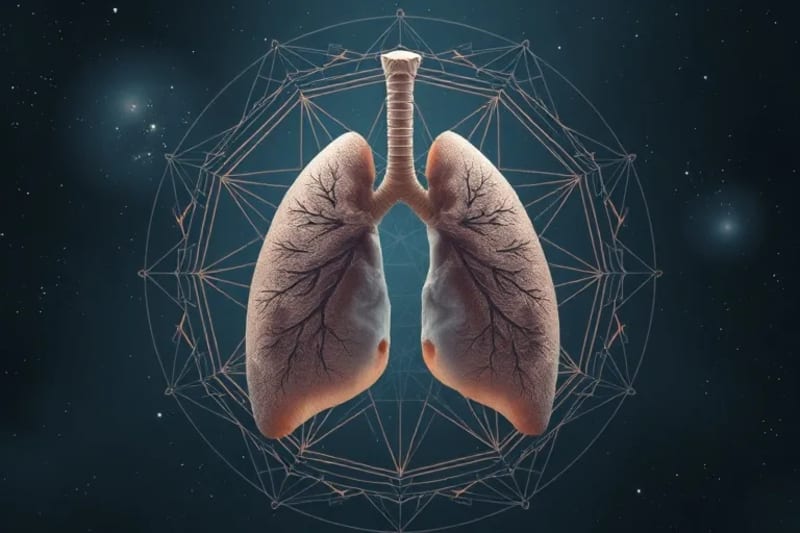
Image 3: A visual metaphor for physiological fragility, illustrating the potential health challenges indicated by debilitated planetary placements.
For example, a debilitated Moon (e.g., Moon in Scorpio or Capricorn) might point to sensitivities in the digestive system, fluid imbalances, or emotional patterns that negatively impact physical health. Individuals with this placement may be prone to conditions like irritable bowel syndrome, edema, or anxiety-related physical symptoms. A debilitated Mercury (e.g., Mercury in Sagittarius or Pisces) could indicate a more sensitive nervous system, respiratory vulnerabilities, or challenges with mental clarity, potentially leading to conditions like asthma, nerve pain, or chronic anxiety.
Mars in detriment or fall (e.g., Mars in Libra or Cancer) might suggest a compromised immune response, issues with inflammation, or a tendency towards accidents in specific body areas. These individuals might need to be more diligent about supporting their immune system and avoiding situations that could lead to physical injury. Similarly, a debilitated Jupiter (e.g., Jupiter in Gemini or Virgo) could signify a sluggish liver, metabolic imbalances, or a tendency towards excessive weight gain, requiring careful attention to diet and lifestyle choices.
By identifying these weaknesses, medical astrology provides a roadmap for targeted preventative care. This might involve specific dietary modifications, herbal remedies, stress management techniques, or lifestyle adjustments designed to fortify vulnerable systems. The aim is not to instill fear, but to offer informed guidance on how to mitigate potential risks and maintain overall health proactively. This approach aligns with modern holistic health practices that emphasize personalized wellness strategies.
Practical Application: Interpreting a Natal Chart for Health
Interpreting a natal chart for health involves a systematic approach that integrates planetary dignities with other astrological factors. The process begins with a thorough examination of each planet's essential dignity, followed by an assessment of its house placement, aspects, and rulerships. Here’s a step-by-step guide:
- Step 1: Assess Planetary Dignities: For each planet, identify the sign it occupies and determine its essential dignity (rulership, exaltation, detriment, fall). Note down whether each planet is strong or weak.
- Step 2: Identify Rulerships of Houses: Determine which planets rule which houses in the natal chart. The 6th House (health, illness, daily routines), 8th House (regeneration, chronic illness, surgery), and 12th House (hidden weaknesses, chronic conditions, hospitalization) are particularly important in medical astrology. The ruler of the Ascendant (the physical body) is also critical.
- Step 3: Analyze Planetary Correspondences: Cross-reference the dignified or debilitated planets with their anatomical and physiological correspondences (as shown in Table 1). For example, if Mars is in detriment, look at the body parts Mars rules (muscles, blood, adrenals) and consider them potential areas of weakness.
- Step 4: Consider Aspects: Examine the aspects (angles) between planets. Harmonious aspects (trines, sextiles) to a debilitated planet can offer some support or mitigating factors, while challenging aspects (squares, oppositions) can exacerbate weaknesses. Aspects from malefic planets (Mars, Saturn, Uranus, Neptune, Pluto) to health indicators are particularly significant.
- Step 5: Synthesize Information: Combine all these observations to form a comprehensive picture of the individual's constitutional health. Identify patterns where multiple indicators point to the same area of strength or weakness. For instance, a debilitated Moon ruling the 6th House and receiving challenging aspects to Saturn would strongly suggest digestive and emotional vulnerabilities.
This systematic approach allows for a nuanced understanding of an individual's health predispositions. It moves beyond generic health advice to offer personalized insights based on their unique energetic blueprint. For further reading on related topics, consider exploring articles on Medical Astrology: Chronic Conditions or Planetary Dignities: Self-Mastery to deepen your understanding of these interconnected concepts.
Advanced Considerations: Aspects, Houses, and Medical Prognosis
Beyond essential dignities, several advanced astrological factors significantly refine a medical astrological analysis. These include the houses, planetary aspects, and the condition of the Ascendant and its ruler, all of which contribute to a more precise medical prognosis and understanding of health trajectories.
- House Placements: The house a planet occupies indicates the life area where its energies manifest. In medical astrology, the 6th House (acute illness, daily health, service), 12th House (chronic illness, hidden enemies, self-undoing), and 8th House (surgery, death, regeneration) are paramount. A debilitated planet in the 6th or 12th house, especially if it rules the Ascendant, can point to significant health challenges.
- Planetary Aspects: Aspects between planets modify their expression. Harmonious aspects (trines, sextiles) can mitigate the effects of a debilitated planet, providing support or avenues for healing. Challenging aspects (squares, oppositions, conjunctions with malefics) can intensify weaknesses and indicate areas of stress or conflict within the body's systems. For instance, a debilitated Moon squared by Saturn might indicate chronic digestive issues exacerbated by stress.
- The Ascendant and its Ruler: The Ascendant (rising sign) represents the physical body, constitution, and overall vitality. Its ruler is therefore one of the most critical health indicators. If the Ascendant ruler is strong by dignity and well-aspected, it suggests a robust constitution. If it is debilitated or afflicted, it points to a more delicate constitution or a predisposition to general ill-health.
- Fixed Stars and Midpoints: For advanced practitioners, incorporating fixed stars and midpoints can add further layers of detail. Certain fixed stars are associated with specific health conditions, and their conjunctions to planets or sensitive points in the chart can be highly indicative. Midpoints can reveal subtle energetic dynamics and predispositions that might otherwise be overlooked.
- Medical Prognosis and Timing: Medical astrology can also be used for timing health events or determining the prognosis of an illness. By analyzing planetary transits, progressions, and solar returns, an astrologer can identify periods of increased vulnerability or healing opportunities. This predictive element allows for proactive intervention and optimization of treatment strategies.
The synergy of these factors provides a holistic framework for understanding health from an astrological perspective. It emphasizes that health is a dynamic interplay of cosmic energies, and by understanding one's unique blueprint, individuals can make informed choices to support their well-being. This comprehensive approach underscores the depth and utility of medical astrology as a diagnostic and preventative tool, guiding individuals towards a more harmonious and healthy existence. Exploring topics like Astro-Herbalism: Crafting Custom Natal Tinctures can further illustrate how these insights translate into practical wellness strategies.
Fuente: Contenido híbrido asistido por IAs y supervisión editorial humana.


Comments
Post a Comment