
Feng Shui Chinese Zodiac Chi Well-being Guide
In the intricate tapestry of ancient Chinese wisdom, Feng Shui and the Chinese Zodiac stand as pillars for understanding and cultivating personal well-being. These disciplines, often explored independently, offer profound insights when integrated, providing a holistic framework for harmonizing one's environment with their inherent energetic blueprint. This guide delves into how aligning your personal Chi, or life force energy, with the principles of Feng Shui, informed by your Chinese Zodiac animal and its elemental characteristics, can unlock a deeper sense of balance, prosperity, and vitality in your life.
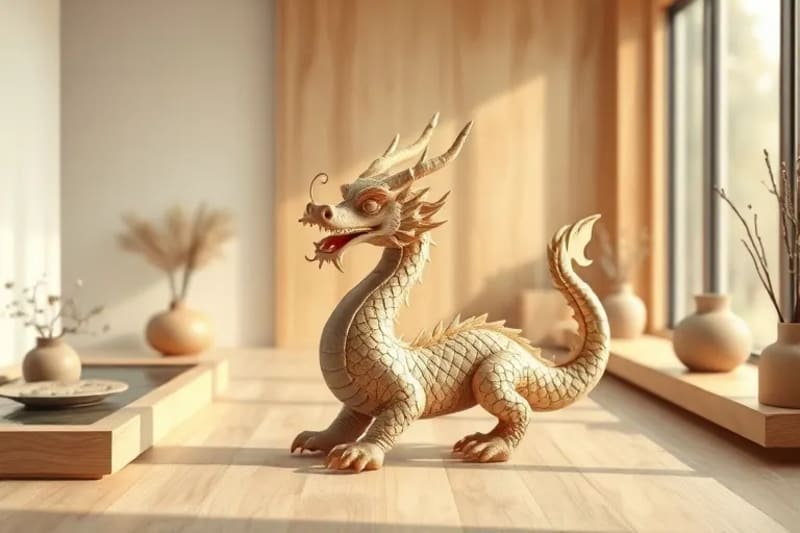
Cultivating Serenity: Harmonizing your living space with Feng Shui principles and subtle Chinese zodiac influences creates a peaceful and energetically balanced environment.
Feng Shui, an ancient Chinese art and science, literally translates to "wind-water." It is a practice of arranging living spaces to create balance with the natural world, aiming to optimize energy flow and bring good fortune. The core belief is that our surroundings profoundly impact our health, wealth, and relationships, making the conscious design of our environment a powerful tool for personal growth and happiness.
Simultaneously, the Chinese Zodiac, a cyclical system of twelve animal signs, offers a unique lens through which to understand individual personalities, strengths, and challenges. Each animal is associated with one of the five elements—Wood, Fire, Earth, Metal, and Water—which further refines one's energetic profile. By combining these two powerful systems, we can move beyond generic Feng Shui advice and tailor our environments to resonate deeply with our unique energetic needs, fostering a truly personalized path to well-being.
Understanding Your Chinese Zodiac and Elemental Affinity
The Chinese Zodiac assigns an animal to each year in a 12-year cycle, starting from the Lunar New Year. Beyond the animal, each year is also associated with one of the five elements: Wood, Fire, Earth, Metal, and Water, creating a 60-year cycle. This elemental association is crucial for personalized Feng Shui, as it reveals your fundamental energetic makeup and how you interact with your environment.
To discover your specific elemental affinity, you primarily look at the last digit of your birth year. For example, years ending in 0 or 1 are Metal, 2 or 3 are Water, 4 or 5 are Wood, 6 or 7 are Fire, and 8 or 9 are Earth. Understanding this core element provides a foundational insight into your personality, strengths, and the types of energies that naturally support or challenge you.
Each element carries distinct characteristics and associations:
- Wood: Represents growth, creativity, flexibility, and new beginnings. Individuals with a strong Wood element are often ambitious, compassionate, and pioneering.
- Fire: Symbolizes passion, energy, leadership, and enthusiasm. Fire types are typically dynamic, charismatic, and assertive, often thriving in social settings.
- Earth: Embodies stability, nurturing, practicality, and reliability. Earth individuals are grounded, patient, and supportive, valuing security and harmony.
- Metal: Signifies clarity, precision, organization, and integrity. Those influenced by Metal are often disciplined, analytical, and possess strong moral principles.
- Water: Represents intuition, adaptability, wisdom, and communication. Water types are often introspective, empathetic, and possess a deep understanding of emotions.
Knowing your elemental affinity allows for a more nuanced application of Feng Shui, moving beyond general principles to create a space that truly resonates with your inner self. It's about creating an environment that acts as an extension of your natural energy, amplifying your strengths and mitigating potential imbalances.
Core Feng Shui Principles for Energetic Harmony
Before diving into personalized elemental adjustments, it's essential to grasp the foundational principles of Feng Shui that apply universally. These principles ensure a baseline level of positive Chi flow in any space, creating a receptive environment for more tailored applications.
The concept of Chi (Qi) is central to Feng Shui. It is the invisible life force energy that permeates everything. Good Feng Shui aims to encourage the smooth, gentle flow of Chi, while stagnant or chaotic Chi can lead to problems. This is achieved through several key practices:
- Decluttering: Clutter creates stagnant energy, blocking the flow of Chi. Regularly clearing out unused or unwanted items is the first and most crucial step in any Feng Shui practice.
- The Bagua Map: This energetic map divides your space (home, room, desk) into nine areas, each corresponding to a specific life aspect (e.g., wealth, relationships, health, career). Understanding the Bagua helps identify areas that need attention.
- Commanding Position: In any room, your bed, desk, and stove should ideally be in a "commanding position." This means you can see the door without being directly in line with it, giving you a sense of power and control over your life.
- The Five Elements Cycle: Beyond your personal element, understanding how Wood, Fire, Earth, Metal, and Water interact (creating and controlling cycles) is vital for balancing any space. For instance, Wood feeds Fire, Fire creates Earth (ash), Earth produces Metal, Metal carries Water, and Water nourishes Wood. Conversely, Wood controls Earth, Earth controls Water, Water controls Fire, Fire controls Metal, and Metal controls Wood.
- Yin and Yang: The balance of opposing forces is fundamental. Yin represents feminine, dark, passive energy, while Yang represents masculine, light, active energy. A harmonious space balances these energies, avoiding extremes.
By implementing these universal principles, you create a foundation of positive energy that supports all occupants. Once this foundation is established, you can then layer on the personalized insights derived from your Chinese Zodiac element for an even more potent effect.
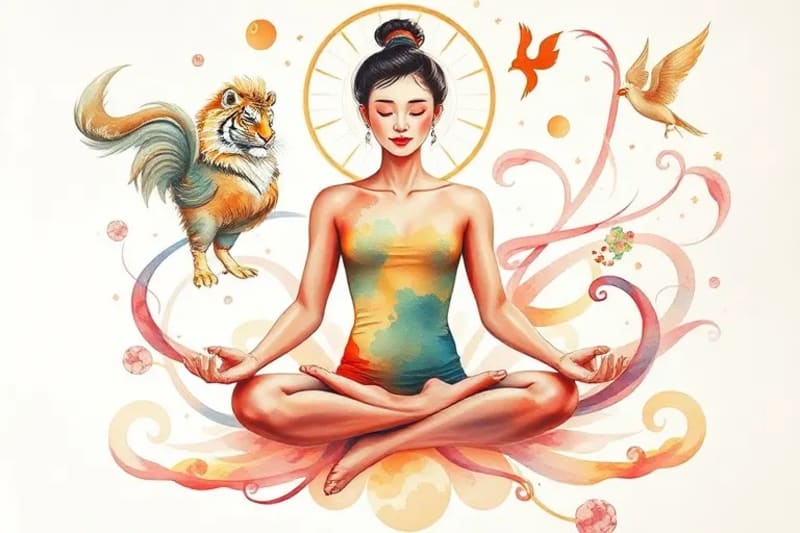
Inner Balance: A visual representation of personal Chi flowing harmoniously, influenced by the unique energies of Chinese Zodiac elements.
Integrating Zodiac Wisdom into Your Living Space
Once you understand your personal elemental affinity and the basic tenets of Feng Shui, the next step is to consciously integrate your unique energetic profile into your home and workspace. This isn't about rigid adherence to rules but rather about creating an intuitive connection between your inner self and your outer environment.
Consider your dominant element as a guide for selecting colors, materials, shapes, and even artwork. For instance, if your element is Wood, incorporating shades of green and blue, natural wood furniture, and vibrant plants will naturally enhance your Chi. Conversely, if your element is Fire, introducing reds and oranges, warm lighting, and triangular patterns can invigorate your space. The goal is to create a supportive environment that nourishes your elemental strengths.
Moreover, the Chinese Zodiac animals themselves carry symbolic meanings that can be subtly woven into your decor. While direct representations might feel too literal for some, abstract art, sculptures, or patterns that evoke the essence of your animal can be powerful. For example, a person born in the Year of the Dragon might incorporate imagery suggesting strength and good fortune, while a Rabbit might opt for symbols of peace and gentleness.
Beyond aesthetics, consider the auspicious directions associated with your zodiac animal. While this is a more advanced aspect of Feng Shui, even simple adjustments, like orienting your desk or bed towards a beneficial direction, can subtly enhance your personal Chi. Resources like the Chinese Zodiac Element Interactions article can provide deeper insights into these relationships.
The key is to create a dialogue between your personal energy and your surroundings. Your home should feel like a sanctuary that reflects who you are and supports who you aspire to be. This integration fosters a continuous flow of positive Chi, leading to greater well-being and a more aligned life path.
Tailored Feng Shui Tips for Each Chinese Zodiac Element
Applying Feng Shui through the lens of your dominant Chinese Zodiac element allows for highly personalized adjustments that resonate with your core energy. Here are specific recommendations for each of the five elements:
Wood Element (Years ending in 4 or 5):
- Colors: Embrace greens, blues, and teal to stimulate growth and vitality.
- Materials: Incorporate natural wood furniture, bamboo, cotton, and linen.
- Shapes: Use rectangular and columnar shapes.
- Decor: Live plants, floral patterns, landscapes, and imagery of trees or forests. Avoid excessive metal, which cuts wood.
Fire Element (Years ending in 6 or 7):
- Colors: Utilize reds, oranges, vibrant yellows, and purples to fuel passion and energy.
- Materials: Opt for silk, wool, leather, and bright lighting fixtures.
- Shapes: Introduce triangular and pointed shapes.
- Decor: Candles, fireplaces, sun imagery, and artwork depicting vibrant energy. Balance with Earth elements to prevent burnout.
Earth Element (Years ending in 8 or 9):
- Colors: Grounding tones like browns, yellows, beige, and terracotta.
- Materials: Choose ceramics, pottery, stone, brick, and heavy, solid furniture.
- Shapes: Square and stable forms.
- Decor: Earthy landscapes, potted plants, crystals, and comfortable, inviting textures. Integrate some Metal elements to enhance productivity.

Productive Environment: A modern office designed with Feng Shui principles and subtle elemental accents to enhance focus and well-being.
Metal Element (Years ending in 0 or 1):
- Colors: Crisp whites, grays, silver, and gold to promote clarity and precision.
- Materials: Incorporate metal objects, stainless steel, glass, and mirrors.
- Shapes: Round and arched forms.
- Decor: Minimalist designs, abstract art, and objects that reflect light. Soften with Water elements to encourage flow and prevent rigidity.
Water Element (Years ending in 2 or 3):
- Colors: Deep blues, black, and dark grays to foster intuition and calm.
- Materials: Glass, silk, flowing fabrics, and reflective surfaces.
- Shapes: Wavy, irregular, and free-flowing forms.
- Decor: Water features (small fountains), aquariums, mirrors, and artwork depicting water scenes. Balance with Wood elements to support growth and prevent stagnation.
These guidelines provide a starting point. The most effective Feng Shui is always intuitive and personal. Pay attention to how your space feels after making changes. Does it feel more supportive, calming, or energizing? Your personal response is the ultimate indicator of successful elemental balancing.
Daily Practices for Sustaining Your Personal Chi Flow
Beyond arranging your physical environment, maintaining a healthy and vibrant personal Chi also involves daily practices that nurture your inner energy. Feng Shui is not just about static objects; it's about the dynamic interaction between you and your surroundings. Integrating these practices ensures a continuous flow of positive energy, both inside and out.
Here are some essential daily habits to cultivate for sustained energetic well-being:
- Mindful Movement: Practices like Tai Chi, Qigong, or even gentle yoga are designed to cultivate and circulate Chi within the body. Regular practice can significantly enhance your vitality and reduce stress.
- Meditation and Breathwork: Focusing on your breath and engaging in meditation helps to calm the mind, center your energy, and clear any energetic blockages. Even short sessions can make a profound difference.
- Connection with Nature: Spending time outdoors, whether it's a walk in a park, gardening, or simply sitting by a window with natural light, helps to absorb fresh, vibrant Chi from the environment.
- Healthy Diet and Hydration: Nourishing your body with wholesome, unprocessed foods and staying well-hydrated is fundamental to maintaining strong physical and energetic health. Consider foods that align with your elemental needs.
- Regular Decluttering (Micro-Level): Beyond major cleanouts, make it a daily habit to tidy up your immediate surroundings. A clear desk or a well-made bed can prevent stagnant energy from accumulating in your personal space.
- Opening Windows and Air Circulation: Allow fresh air to flow through your home daily. Stagnant air can harbor stale energy, while fresh air brings in new, invigorating Chi.
- Setting Intentions: Begin each day with a clear intention for what you wish to achieve or how you want to feel. This conscious direction helps to align your personal Chi with your goals, attracting positive outcomes.
By consciously integrating these practices into your daily routine, you create a synergistic relationship between your internal state and your external environment. This continuous cultivation of positive Chi, guided by both Feng Shui and Chinese Zodiac wisdom, empowers you to live a life of greater harmony, purpose, and energetic well-being.
The journey of harmonizing your personal Chi with your environment is an ongoing exploration. It invites you to become more attuned to the subtle energies around you and within you. By applying the ancient wisdom of Feng Shui, tailored with the insights from your Chinese Zodiac element, you can transform your living spaces into powerful allies for your health, happiness, and overall prosperity. Embrace this holistic approach, and watch as your life unfolds with renewed vitality and balance.
Fuente: Contenido híbrido asistido por IAs y supervisión editorial humana.


Comments
Post a Comment