
Chinese Zodiac Element Interactions: Growth, Compatibility | StarPluto
Chinese Zodiac Element Interactions: Beyond Compatibility, Understanding Personal Growth Areas
The Chinese Zodiac, a complex system rooted in ancient philosophy, extends far beyond the twelve animal signs. At its core lies the intricate theory of the Five Elements: Wood, Fire, Earth, Metal, and Water. These elements don't merely describe personality traits; they dictate dynamic interactions that profoundly influence an individual's life path, relationships, and areas for personal growth.
Understanding these elemental interactions moves beyond simplistic compatibility charts, offering a nuanced framework for self-discovery and navigating complex interpersonal dynamics. This advanced guide delves into the creative and destructive cycles, revealing how these forces shape our strengths, challenges, and potential for evolution.
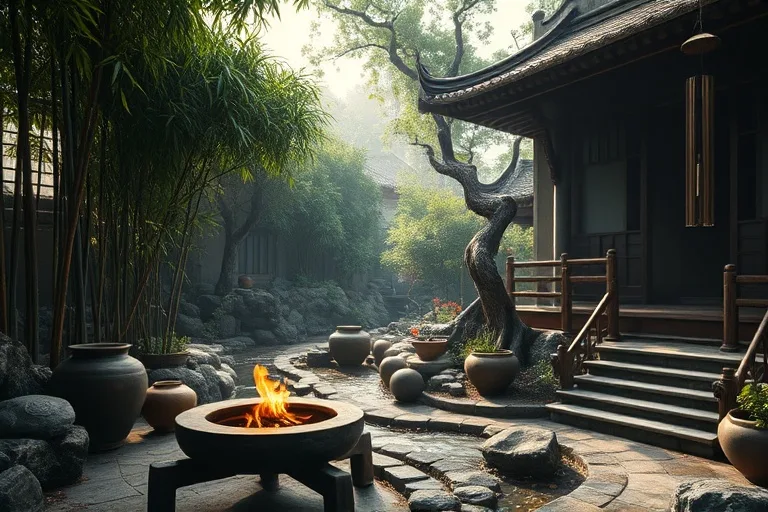
A tranquil garden scene beautifully illustrating the balance and interaction of the five fundamental elements.
Table of Contents
- Understanding the Five Elements
- The Sheng (Creative) Cycle: Nurturing Growth
- The Ke (Destructive) Cycle: Navigating Challenges
- Identifying Your Personal Element
- Detailed Element Interactions and Growth Areas
- Applying Elemental Wisdom for Self-Improvement
- Conclusion
Understanding the Five Elements
The Five Elements (Wu Xing) are not merely static categories but dynamic forces that represent different phases of energy, matter, and transformation. Each element possesses unique attributes, influencing personality, health, emotions, and even decision-making processes. Their interplay forms the foundation of Chinese astrology, medicine, and philosophy.
A person's birth year, specifically the last digit, determines their primary elemental affinity, which then interacts with the animal sign's inherent element. This creates a deeply personalized elemental profile that is far more complex than just the animal sign alone. Understanding these foundational characteristics is the first step to deciphering their interactions.
- Wood: Represents growth, expansion, creativity, and new beginnings. Wood individuals are often ambitious, compassionate, and pioneering, yet can be stubborn or inflexible.
- Fire: Symbolizes passion, energy, leadership, and transformation. Fire types are enthusiastic, dynamic, and inspiring, but may also be impulsive, impatient, or aggressive.
- Earth: Embodies stability, nurturing, practicality, and reliability. Earth personalities are grounded, loyal, and supportive, though they can be overly cautious, stubborn, or prone to worry.
- Metal: Denotes structure, discipline, justice, and refinement. Metal individuals are often organized, principled, and determined, but might be rigid, critical, or overly melancholic.
- Water: Represents wisdom, intuition, adaptability, and flow. Water types are perceptive, empathetic, and flexible, yet can be secretive, indecisive, or prone to anxiety.
The Sheng (Creative) Cycle: Nurturing Growth
The Sheng Cycle, or "Generating Cycle," describes how elements nurture and support one another, leading to growth and harmony. This cycle is crucial for understanding how certain elemental combinations foster positive development, enhance strengths, and create supportive environments. When elements are in a creative relationship, they tend to bring out the best in each other.
Recognizing these beneficial interactions can help individuals cultivate relationships, choose career paths, and develop personal habits that align with their inherent elemental strengths. It highlights areas where natural synergy exists, making efforts more fruitful and outcomes more positive. This cycle is a cornerstone of elemental balance.
| Generating Element | Generated Element | Description of Interaction | Growth Area Implication |
|---|---|---|---|
| Wood | Fire | Wood fuels Fire. | Creativity ignites passion; planning supports action. Encourages ambition and dynamic expression. |
| Fire | Earth | Fire creates ash, which enriches Earth. | Passion leads to stability; enthusiasm builds foundations. Fosters grounded achievement and reliability. |
| Earth | Metal | Earth produces Metal (minerals). | Stability supports structure; practicality refines purpose. Develops discipline, organization, and integrity. |
| Metal | Water | Metal collects Water (dew, condensation). | Discipline enhances intuition; structure allows flow. Cultivates wisdom, adaptability, and emotional depth. |
| Water | Wood | Water nourishes Wood. | Intuition feeds creativity; wisdom supports growth. Promotes innovation, compassion, and new beginnings. |
The Ke (Destructive) Cycle: Navigating Challenges
The Ke Cycle, or "Controlling Cycle," describes how elements restrict or overcome one another. While often termed "destructive," this cycle is not inherently negative. It represents areas of challenge, necessary boundaries, and opportunities for transformation through overcoming obstacles. These interactions highlight potential conflicts or imbalances that require conscious effort to harmonize.
Understanding the Ke Cycle helps individuals identify their personal growth areas, where they might face internal struggles or external friction. It provides insights into why certain relationships might be challenging or why particular situations feel draining. By acknowledging these controlling dynamics, one can develop strategies to mitigate negative effects and foster resilience.
An abstract artwork depicting the complex and dynamic cycles of elemental interaction.
| Controlling Element | Controlled Element | Description of Interaction | Challenge & Growth Area Implication |
|---|---|---|---|
| Wood | Earth | Wood breaks up Earth (roots penetrate soil). | Ambition can destabilize security; growth can disrupt comfort. Challenges rigidity and encourages flexibility. |
| Fire | Metal | Fire melts Metal. | Passion can erode discipline; impulsiveness can break structure. Tests principles and demands adaptability. |
| Earth | Water | Earth absorbs Water (dams, soil). | Stability can restrict flow; practicality can suppress intuition. Challenges emotional stagnation and encourages fluidity. |
| Metal | Wood | Metal chops Wood (axe). | Discipline can stifle creativity; rigidity can prune growth. Demands resilience and encourages strategic planning. |
| Water | Fire | Water extinguishes Fire. | Intuition can dampen passion; reflection can cool enthusiasm. Requires emotional regulation and balanced action. |
Identifying Your Personal Element
To fully leverage the insights of elemental interactions, it's essential to first identify your personal birth element. This is determined by the last digit of your birth year. It's important to note that the Chinese New Year falls between late January and mid-February, so if you were born in January or early February, you might belong to the previous year's element.
- 0 or 1: Metal
- 2 or 3: Water
- 4 or 5: Wood
- 6 or 7: Fire
- 8 or 9: Earth
For example, someone born in 1985 (ends in 5) is a Wood element. Someone born in 1990 (ends in 0) is a Metal element. This primary element forms the core of your energetic blueprint, influencing your fundamental nature and how you interact with the world.
Beyond the birth year, the Chinese astrological system also considers the elements of your birth month, day, and hour, creating a "Four Pillars of Destiny" chart. While the birth year element provides a strong foundation, a full analysis offers deeper layers of elemental influence and interaction. For a quick reference on your primary animal sign and element, you can explore resources like Chinese Zodiac Animal Element: Find Your Destiny.
Detailed Element Interactions and Growth Areas
Understanding how your personal element interacts with other elements, whether in a partner, a colleague, or a challenging situation, offers profound insights. Each pairing presents unique dynamics, fostering either natural harmony and support or presenting opportunities for significant personal development through overcoming inherent tensions.
An intricate 3D render of gears, each representing an element, demonstrating their interconnectedness.
Wood Interactions
- Wood & Wood: Strong growth, shared ambition. Potential for competition or stubbornness if not aligned. Growth: Learn collaboration, compromise, and mutual support.
- Wood & Fire: Wood feeds Fire (Sheng Cycle). Excellent synergy, creativity, and passion. Wood provides vision, Fire provides drive. Growth: Wood must not over-fuel Fire (burnout), Fire must not consume Wood (domination).
- Wood & Earth: Wood controls Earth (Ke Cycle). Wood's ambition can destabilize Earth's security. Earth can feel overwhelmed. Growth: Wood needs patience and respect for stability; Earth needs to embrace change and new ideas.
- Wood & Metal: Metal controls Wood (Ke Cycle). Metal's discipline can prune Wood's growth. Wood can feel restricted. Growth: Wood needs to accept structure; Metal needs to allow flexibility and creative freedom.
- Wood & Water: Water nourishes Wood (Sheng Cycle). Supportive, intuitive, and adaptable. Water provides wisdom, Wood provides direction. Growth: Water must not drown Wood (over-nurturing), Wood must not drain Water (over-demanding).
Fire Interactions
- Fire & Wood: Fire is fueled by Wood (Sheng Cycle). High energy, inspiring, dynamic. Growth: Fire needs to manage its intensity; Wood needs to provide sustainable fuel without depletion.
- Fire & Fire: Intense passion, strong leadership. Risk of burnout or explosive conflict. Growth: Develop self-awareness, emotional regulation, and shared goals to prevent destructive clashes.
- Fire & Earth: Fire creates Earth (Sheng Cycle). Productive, warm, and stable. Fire brings enthusiasm, Earth provides foundation. Growth: Fire must not scorch Earth (overwhelm), Earth must not smother Fire (dampen spirit).
- Fire & Metal: Fire melts Metal (Ke Cycle). Fire's impulsiveness can erode Metal's discipline. Metal can feel attacked. Growth: Fire needs to respect boundaries; Metal needs to learn flexibility and expressiveness.
- Fire & Water: Water controls Fire (Ke Cycle). Water can extinguish Fire. Fire can feel suppressed. Growth: Fire needs to learn patience and reflection; Water needs to allow space for passion and action. This pairing often involves intense emotional dynamics.
Earth Interactions
- Earth & Wood: Earth is controlled by Wood (Ke Cycle). Earth can feel pushed or overwhelmed by Wood's ambition. Growth: Earth needs to stand firm but also adapt; Wood needs to be gentle and respectful of boundaries.
- Earth & Fire: Earth is created by Fire (Sheng Cycle). Nurturing, stable, and warm. Growth: Earth needs to absorb Fire's energy without becoming overly rigid; Fire needs to provide warmth without consuming.
- Earth & Earth: Strong stability, reliability, and practicality. Potential for stagnation or resistance to change. Growth: Actively seek new experiences, embrace calculated risks, and foster intellectual curiosity.
- Earth & Metal: Earth produces Metal (Sheng Cycle). Supportive, practical, and refining. Earth provides resources, Metal provides structure. Growth: Earth must not over-produce Metal (smother), Metal must not deplete Earth (over-extract).
- Earth & Water: Earth controls Water (Ke Cycle). Earth can absorb or contain Water, restricting its flow. Water can feel stifled. Growth: Earth needs to allow for emotional expression; Water needs to find grounding and direction.
Metal Interactions
- Metal & Wood: Metal controls Wood (Ke Cycle). Metal's precision can cut Wood down. Wood can feel stifled. Growth: Metal needs to learn compassion and flexibility; Wood needs to develop resilience and structure.
- Metal & Fire: Metal is controlled by Fire (Ke Cycle). Fire's passion can melt Metal's discipline. Growth: Metal needs to learn to adapt and express emotions; Fire needs to respect boundaries and structure.
- Metal & Earth: Metal is produced by Earth (Sheng Cycle). Supportive, disciplined, and purposeful. Growth: Metal must not become too rigid; Earth must provide consistent, stable support.
- Metal & Metal: Strong principles, justice, and determination. Potential for rigidity, isolation, or uncompromising stances. Growth: Cultivate empathy, open-mindedness, and a willingness to adapt.
- Metal & Water: Metal collects Water (Sheng Cycle). Intuitive, refined, and flowing. Metal provides structure, Water provides wisdom. Growth: Metal must not become too cold or detached; Water must not become too formless.
Water Interactions
- Water & Wood: Water nourishes Wood (Sheng Cycle). Intuitive, creative, and compassionate. Growth: Water needs to provide consistent support without overwhelming; Wood needs to channel Water's wisdom into action.
- Water & Fire: Water controls Fire (Ke Cycle). Water can extinguish Fire, dampening passion. Growth: Water needs to allow for expression and action; Fire needs to learn emotional regulation and patience.
- Water & Earth: Water is controlled by Earth (Ke Cycle). Earth can absorb or contain Water, restricting its flow. Growth: Water needs to find grounding and direction; Earth needs to allow for emotional depth and flexibility.
- Water & Metal: Water is collected by Metal (Sheng Cycle). Reflective, wise, and adaptable. Growth: Water must not become too passive; Metal must provide structure without rigidity.
- Water & Water: Deep intuition, adaptability, and emotional depth. Potential for indecision, secrecy, or overwhelming emotions. Growth: Develop clear boundaries, decisive action, and emotional clarity.
Applying Elemental Wisdom for Self-Improvement
The profound insights offered by Chinese Zodiac element interactions are not merely theoretical; they are practical tools for self-improvement and harmonious living. By understanding your own elemental makeup and how it interacts with others, you can consciously cultivate your strengths and address your challenges.
For instance, if you are a Wood element struggling with an Earth element partner, recognizing the "Wood controls Earth" dynamic can help you approach disagreements with more sensitivity to their need for stability. Similarly, a Fire element individual might learn to temper their impulsiveness when interacting with a Metal element, respecting their need for structure and precision. This awareness fosters empathy and more effective communication.
Beyond relationships, elemental wisdom can guide career choices, health practices, and personal development goals. A Water element, known for intuition, might thrive in creative or healing professions, while a Metal element's natural discipline could lead to success in structured environments. Understanding these innate tendencies allows for alignment with your true self, leading to greater fulfillment and reduced internal conflict. This holistic approach to self-understanding is a powerful pathway to personal mastery.
Conclusion
The Chinese Zodiac's elemental interactions provide a sophisticated lens through which to view personal growth and compatibility. Moving beyond simple animal sign matching, this system offers a dynamic understanding of how different energies support, challenge, and transform one another. By embracing the Sheng and Ke cycles, individuals can gain invaluable insights into their inherent strengths and areas requiring development.
Ultimately, this ancient wisdom empowers us to navigate life's complexities with greater awareness, fostering more harmonious relationships and guiding us toward a path of continuous self-improvement. The journey of understanding these elemental dances is a journey into deeper self-knowledge and a more balanced existence.
Fuente: Contenido híbrido asistido por IAs y supervisión editorial humana.


Comments
Post a Comment