
Chinese Zodiac Elements: Navigating Clashes Resolutions
The Chinese Zodiac, a complex system rooted in ancient cosmology and philosophy, offers profound insights into personality, destiny, and interpersonal dynamics. Beyond the twelve animal signs, the Five Elements (Wood, Fire, Earth, Metal, Water) play a pivotal role, imbuing each sign with unique characteristics and influencing how they interact. Understanding the intricate relationships between these elements, particularly their clashes and resolutions, is fundamental to navigating life's challenges and fostering harmonious connections.
This deep dive explores the foundational principles of elemental interactions, identifies common clash pairings, and provides advanced strategies for mitigating their negative effects. By delving into the subtle energetic currents that govern these relationships, individuals can gain a more nuanced understanding of themselves and others, paving the way for greater personal growth and relational equilibrium.
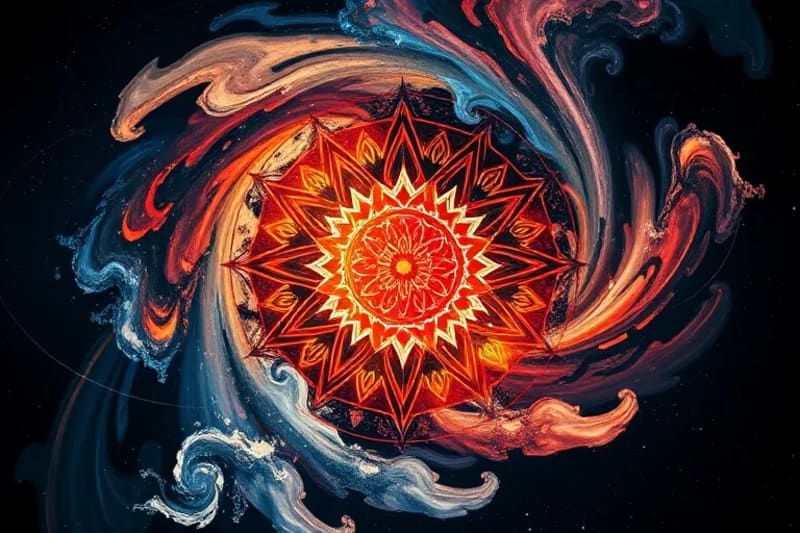
A visual representation of the dynamic and energetic interplay among the Five Chinese Elements, highlighting their inherent tension and potential for balance.
The concept of elemental clashes is not merely about conflict; it's about understanding energetic imbalances and learning how to restore equilibrium. Just as in nature, where a forest fire can be quelled by water, or metal can cut wood, these interactions shape our experiences. Recognizing these patterns allows for proactive engagement rather than passive acceptance, transforming potential discord into opportunities for development.
The Five Elements in Chinese Metaphysics
The Wu Xing, or Five Elements (Wood, Fire, Earth, Metal, Water), are foundational concepts in Chinese philosophy, medicine, and cosmology. They represent dynamic phases of energy, constantly transforming and interacting. Each element is associated with specific qualities, directions, seasons, colors, organs, and emotional states, forming a comprehensive framework for understanding the natural world and human experience.
These elements are not static substances but rather energetic archetypes that describe processes of change and interaction. Wood represents growth and vitality, Fire embodies passion and transformation, Earth signifies stability and nourishment, Metal denotes structure and refinement, and Water symbolizes wisdom and fluidity. Their cyclical interplay dictates the flow of Qi (life force energy) in all aspects of existence.
In the context of the Chinese Zodiac, each animal sign is inherently linked to one of these elements, and additionally, a rotating elemental cycle (e.g., Wood Rat, Fire Ox, Earth Tiger) further refines the characteristics of individuals born in a particular year. This dual elemental assignment creates a rich tapestry of personality traits and potential interactions, which can be either harmonious or challenging.
Understanding Elemental Interactions: Creative and Destructive Cycles
The Five Elements interact through two primary cycles: the Creative (Sheng) Cycle and the Destructive (Ke) Cycle. Understanding these cycles is crucial for discerning why certain elemental pairings lead to harmony, while others result in conflict. These cycles are not moral judgments but descriptions of natural energetic dynamics.
The Creative Cycle describes how each element nurtures the next:
- Wood feeds Fire: Wood is fuel for fire.
- Fire creates Earth: Fire turns wood into ash, which becomes earth.
- Earth bears Metal: Metal is extracted from the earth.
- Metal collects Water: Metal, when cooled, condenses water.
- Water nourishes Wood: Water makes wood grow.
The Destructive Cycle illustrates how each element controls or overcomes another:
- Wood controls Earth: Wood's roots break up the earth.
- Earth controls Water: Earth dams or absorbs water.
- Water controls Fire: Water extinguishes fire.
- Fire controls Metal: Fire melts metal.
- Metal controls Wood: Metal (e.g., an axe) cuts wood.
These cycles are not inherently good or bad; rather, they describe the natural ebb and flow of energy. Problems arise when the destructive cycle becomes dominant or imbalanced, leading to clashes. For instance, too much water can drown wood, and too much fire can harden earth into barren rock. The goal is always to achieve a state of dynamic balance where all elements can thrive.
Identifying Chinese Zodiac Element Clashes
An elemental clash occurs when two individuals, or two aspects within an individual's chart, possess dominant elements that are in a destructive relationship. This can manifest in various ways, from subtle disagreements to significant conflicts in communication, values, and life goals. Identifying these clashes requires understanding both the inherent element of the Zodiac sign and the elemental year of birth.
For example, a person born in a Wood year (e.g., Wood Tiger) interacting with a person born in a Metal year (e.g., Metal Monkey) might experience a Metal-cuts-Wood clash. This isn't to say conflict is inevitable, but rather that there's an inherent energetic tension that needs conscious management. The animal signs themselves also carry elemental associations (e.g., Tiger is Wood, Monkey is Metal), further complicating the interplay.
It's important to note that a clash isn't always negative. It can also be a catalyst for growth, forcing individuals to confront their differences and develop new ways of interacting. The intensity and outcome of a clash depend heavily on the maturity, self-awareness, and willingness of the individuals involved to adapt and compromise. Understanding the underlying elemental dynamics provides a roadmap for navigating these challenging interactions.
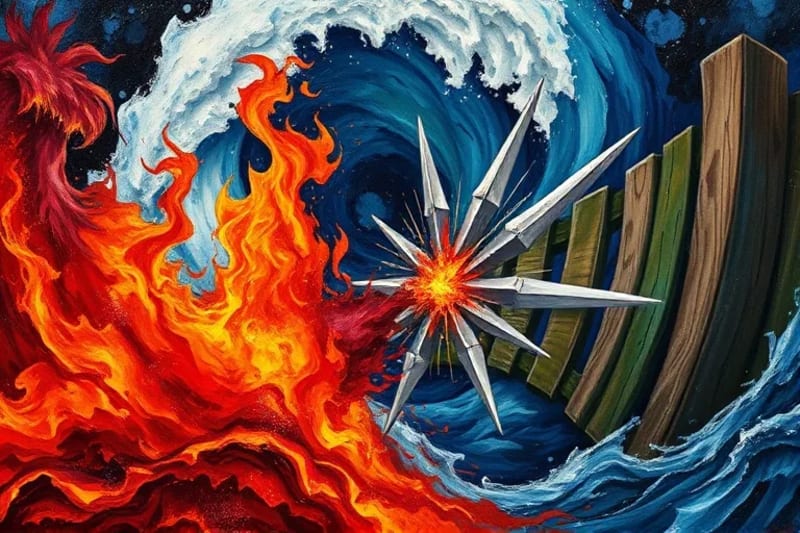
An abstract depiction of elemental forces in direct opposition, symbolizing the inherent challenges and tensions that arise from conflicting energies.
Specific Elemental Clashes and Their Dynamics
Let's examine the primary destructive pairings and their typical manifestations in personality and relationships. These are generalized dynamics, and individual charts will always present unique nuances.
- Wood vs. Metal (Metal controls Wood):
Wood types are often creative, flexible, and growth-oriented, sometimes impulsive. Metal types are structured, disciplined, and logical, sometimes rigid. In a clash, Metal's need for order can stifle Wood's spontaneity, while Wood's expansive nature can feel chaotic to Metal. Metal may criticize Wood's lack of planning, and Wood may resent Metal's controlling tendencies.
- Fire vs. Water (Water controls Fire):
Fire types are passionate, enthusiastic, and expressive, sometimes prone to emotional outbursts. Water types are intuitive, calm, and introspective, sometimes overly cautious. Water can dampen Fire's enthusiasm or make them feel misunderstood, while Fire's intensity can overwhelm or agitate Water, leading to emotional withdrawal. Fire may see Water as too reserved, and Water may find Fire too aggressive.
- Earth vs. Wood (Wood controls Earth):
Earth types are grounded, practical, and nurturing, sometimes stubborn or resistant to change. Wood types are ambitious, innovative, and assertive, sometimes impatient. Wood's drive for expansion can destabilize Earth's need for security, while Earth's resistance can frustrate Wood's progress. Wood may perceive Earth as slow, and Earth may see Wood as reckless.
- Metal vs. Fire (Fire controls Metal):
Metal types value precision, integrity, and justice, sometimes appearing cold or overly critical. Fire types are warm, charismatic, and inspiring, sometimes lacking attention to detail. Fire's intensity can melt Metal's resolve or make them feel overwhelmed, while Metal's critical nature can extinguish Fire's spark. Fire may find Metal too rigid, and Metal may find Fire too impulsive.
- Water vs. Earth (Earth controls Water):
Water types are adaptable, empathetic, and philosophical, sometimes indecisive or moody. Earth types are stable, reliable, and practical, sometimes inflexible or overly cautious. Earth can restrict Water's flow or make them feel trapped, while Water's emotional depth can feel overwhelming or unpredictable to Earth. Water may see Earth as unfeeling, and Earth may find Water too emotional.
Impact of Clashes on Personality and Relationships
The presence of elemental clashes, whether within an individual's birth chart or between two people, can significantly influence various aspects of life. In terms of personality, an internal clash might manifest as persistent inner conflict, difficulty making decisions, or a feeling of being pulled in opposing directions. For example, a strong Wood element clashing with a dominant Metal element within one's chart could lead to a constant struggle between creative freedom and rigid self-discipline, making it hard to find a balanced approach to work or personal projects.
In relationships, elemental clashes often present as fundamental differences in communication styles, emotional needs, and core values. These differences, if unaddressed, can lead to frequent misunderstandings, resentment, and a sense of incompatibility. A Fire person and a Water person, for instance, might struggle with how to express affection or deal with stress; Fire wants to confront and express, while Water prefers to retreat and reflect. This can create a cycle where one feels overwhelmed and the other feels neglected.
The key is not to view these clashes as insurmountable obstacles, but rather as energetic patterns that require conscious awareness and strategic intervention. Just as a river can carve a new path through earth, or a blacksmith can temper metal with fire and water, these interactions can be managed to produce strength and resilience. Understanding the specific nature of the clash provides the necessary insight to develop effective coping mechanisms and resolution strategies.
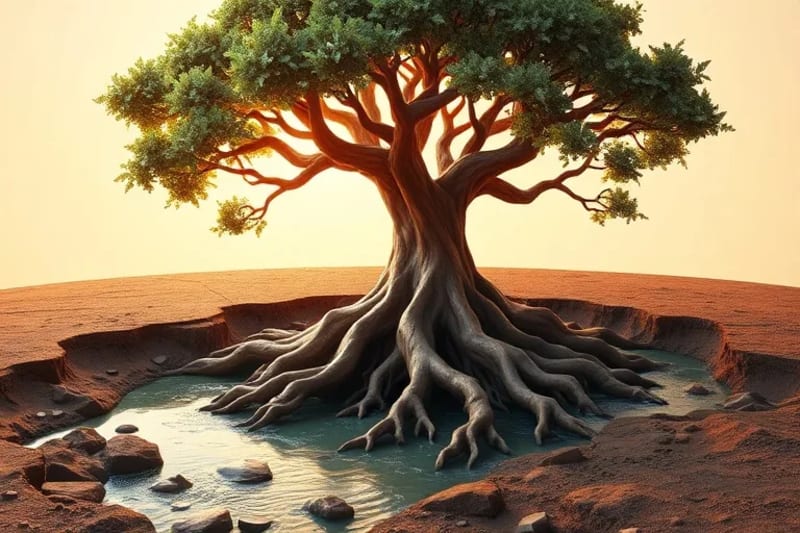
A balanced 3D rendering showcasing the peaceful and interconnected flow of the Five Elements, illustrating a state of natural harmony and mutual support.
Strategies for Resolution and Fostering Harmony
Resolving elemental clashes involves more than just identifying them; it requires conscious effort to introduce a mediating element or shift perspectives. The goal is to transform a destructive cycle into a creative or balancing one. Here are several advanced strategies:
- Introducing a Mediating Element: This is the most direct approach. If Wood and Metal clash, introduce Water. Metal collects Water, and Water nourishes Wood, thus transforming the destructive Metal-cuts-Wood into a creative Metal-produces-Water-nourishes-Wood cycle. Similarly, for Fire-Water clashes, introduce Wood (Water nourishes Wood, Wood feeds Fire). This can be done symbolically, behaviorally, or environmentally.
- Understanding and Acceptance: Acknowledging that differences stem from fundamental energetic patterns, rather than personal failings, can foster empathy. Accepting the other's elemental nature, even if it conflicts with your own, is the first step towards resolution. This means recognizing that a Metal person's need for structure isn't a deliberate attempt to control a Wood person, but an inherent aspect of their being.
- Adaptive Communication Techniques: Tailoring communication to the other person's elemental style is crucial. For instance, when dealing with a Fire type, be direct and enthusiastic. For a Water type, be gentle and allow space for reflection. Earth types respond well to practical, step-by-step communication, while Metal types appreciate logic and precision.
- Environmental Adjustments (Feng Shui Principles): Applying Feng Shui principles can help balance elemental energies in shared spaces. If there's a Fire-Water clash in a home, introducing Wood elements (plants, wooden furniture) can act as a mediator. Colors, materials, and shapes can all be strategically used to enhance or mitigate elemental influences, creating a more harmonious environment.
- Cultivating Self-Awareness and Flexibility: Individuals should strive to understand their own elemental strengths and weaknesses. This self-knowledge allows for greater flexibility and adaptability when confronted with conflicting energies. Developing the qualities of a mediating element within oneself can also be powerful; for example, a Wood person learning to cultivate some of Metal's discipline can soften the impact of a Metal-Wood clash.
- Seeking Common Ground and Shared Goals: Focus on areas where elements can collaborate. Even in a destructive cycle, there are often shared objectives that can be highlighted. For example, while Wood and Earth clash, both can contribute to growth (Wood's vision, Earth's foundation) if a common goal is established and respected.
Integrating Elemental Wisdom for Personal Growth
The study of Chinese Zodiac elemental clashes is not merely an academic exercise; it's a practical tool for profound personal growth and improved relationships. By understanding the energetic blueprints that shape our interactions, we can move beyond superficial conflicts and address the root causes of disharmony. This wisdom empowers individuals to become active participants in shaping their experiences, rather than being passive recipients of elemental fate.
Integrating elemental wisdom means cultivating a dynamic balance within oneself and in interactions with others. It involves recognizing when an element is in excess or deficient, and consciously introducing balancing energies. This might mean a fiery individual learning to embrace the calming introspection of Water, or a rigid Metal type developing the flexibility of Wood. The journey towards elemental harmony is continuous, offering endless opportunities for self-mastery and deeper connection.
Ultimately, the goal is to leverage the inherent tension of elemental clashes as a source of strength and evolution. Just as diamonds are formed under immense pressure, challenging elemental interactions can forge stronger, more resilient individuals and more profound, understanding relationships. Embrace the dynamic interplay of the Five Elements, and unlock a richer, more balanced existence.
Source: Hybrid content assisted by AIs and human editorial supervision.


Comments
Post a Comment