
Sacred Smudge Blends: Energetic Purification Rituals
The practice of smudging, or the ceremonial burning of sacred herbs, is an ancient ritual revered across various cultures for its profound ability to purify spaces, objects, and individuals. It involves igniting dried plants or resins and allowing the smoke to cleanse negative energies, invite positive vibrations, and establish a sacred atmosphere. Far more than just burning incense, smudging is a mindful act that connects us with nature's healing properties and ancestral wisdom.
This introductory guide explores the art of crafting sacred smudge blends, delving into the historical significance, common ingredients, and step-by-step instructions for performing effective energetic purification rituals. Understanding the origins and proper techniques ensures that this powerful practice is approached with respect and intention. By embracing smudging, individuals can foster environments of peace, clarity, and spiritual well-being.
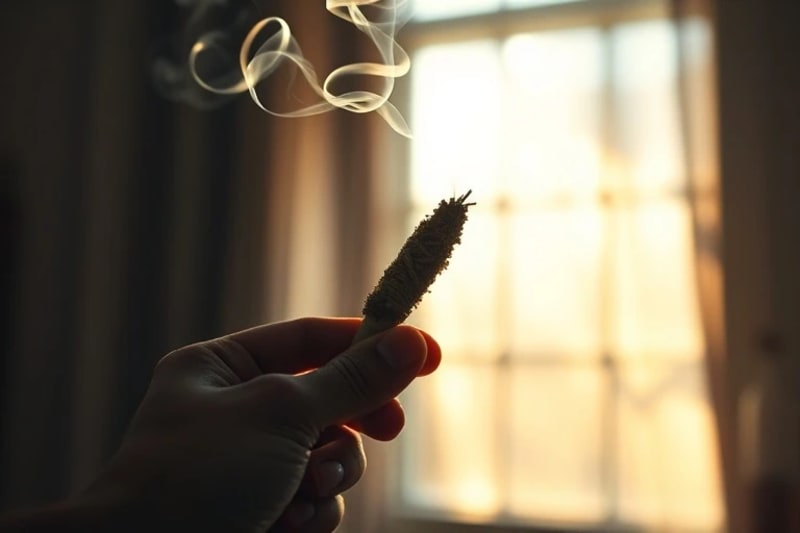
A hand gently performs a sacred smudging ritual, releasing purifying smoke into the air to cleanse and renew the energetic space.
Table of Contents
- Historical and Cultural Significance of Smudging
- Common Sacred Herbs and Resins for Smudging
- Crafting Your Own Sacred Smudge Blends
- The Ritual of Smudging: A Step-by-Step Guide
- Benefits of Energetic Purification Through Smudging
- Ethical Sourcing and Sustainability in Smudging Practices
- Frequently Asked Questions About Smudging
Historical and Cultural Significance of Smudging
Smudging has roots in numerous indigenous cultures worldwide, particularly among Native American tribes, where it is a cornerstone of spiritual ceremonies and daily life. For these communities, smudging is a sacred act of purification, prayer, and connection to the spirit world. It is used to cleanse individuals, spaces, and ceremonial objects of negative energies, spirits, or influences.
The smoke from sacred plants is believed to carry prayers to the heavens and to clear away spiritual impurities. Different tribes and regions use specific herbs, each with unique properties and meanings. This rich cultural heritage underscores the importance of approaching smudging with deep respect and understanding, recognizing its origins and significance beyond mere aromatherapy.
Beyond Native American traditions, similar smoke-cleansing rituals can be found in ancient Celtic practices, where herbs like mugwort and rosemary were burned, and in various Asian and African spiritual systems. The common thread across these diverse cultures is the belief in the purifying power of smoke to transform and renew energetic fields. This universal appeal highlights humanity's innate desire for spiritual cleanliness and harmony.
Common Sacred Herbs and Resins for Smudging
The effectiveness of a smudge blend largely depends on the properties of the herbs and resins used. Each plant carries a unique energetic signature and purpose, contributing to the overall intention of the ritual. Understanding these properties allows for the creation of tailored blends that address specific energetic needs.
Below is a table outlining some of the most commonly used sacred herbs and resins, along with their traditional uses and energetic associations. This knowledge is crucial for anyone looking to deepen their smudging practice and craft meaningful blends. It also emphasizes the importance of selecting ingredients with intention.
A curated collection of dried herbs and resins, including sage, palo santo, and cedar, ready for crafting potent smudge blends.
| Herb/Resin | Traditional Use | Energetic Association |
|---|---|---|
| White Sage (Salvia apiana) | Deep cleansing, purification, banishing negative energy, blessing. | Clarity, protection, spiritual renewal. |
| Palo Santo (Bursera graveolens) | Cleansing, healing, inspiring creativity, attracting positive energy. | Grounding, inspiration, sacred connection. |
| Cedar (Thuja plicata) | Protection, grounding, attracting good spirits, purification. | Strength, wisdom, spiritual cleansing. |
| Sweetgrass (Hierochloe odorata) | Inviting positive energy, blessing, calling good spirits, healing. | Harmony, peace, sacred feminine energy. |
| Frankincense Resin | Spiritual connection, meditation, consecration, purification. | Divinity, enlightenment, deep calm. |
| Myrrh Resin | Protection, healing, grounding, enhancing spiritual awareness. | Wisdom, protection, emotional balance. |
| Rosemary (Salvia rosmarinus) | Memory enhancement, protection, cleansing, warding off evil. | Clarity, purification, mental strength. |
| Lavender (Lavandula angustifolia) | Calming, peace, relaxation, attracting love and happiness. | Tranquility, healing, emotional release. |
When selecting your herbs, consider the specific intention of your smudging ritual. For instance, a blend for deep purification might heavily feature sage and cedar, while a blend for attracting peace and love could include lavender and sweetgrass. The synergy of different plants can amplify their individual properties, creating a more potent energetic effect.
Crafting Your Own Sacred Smudge Blends
Creating your own smudge blends is a deeply personal and empowering process. It allows you to infuse your intentions directly into the tools of your ritual, making the practice more meaningful. The process typically involves gathering dried herbs, binding them together, and allowing them to cure.
Here’s a general guide to crafting your own smudge sticks or loose blends:
- Gather Your Herbs: Choose fresh, ethically sourced herbs. If harvesting yourself, do so respectfully and give thanks to the plant. Popular choices include sage, cedar, rosemary, lavender, and mugwort.
- Prepare for Drying: Remove any excess moisture or dirt. For smudge sticks, aim for sprigs that are roughly 6-10 inches long. For loose blends, simply ensure leaves and flowers are clean.
- Bind Your Smudge Stick: Gather your chosen herbs into a tight bundle. Start by tying a string (preferably natural cotton or hemp) tightly around the base of the bundle. Wrap the string spirally up the length of the bundle, then back down, ensuring all herbs are securely bound. Tie off at the base.
- Dry the Bundle: Hang your smudge stick upside down in a cool, dark, well-ventilated area. This process can take 2-4 weeks, depending on the humidity and herb density. Ensure it is completely dry to prevent mold and ensure proper burning.
- Create Loose Blends: For loose blends, simply combine dried herbs and resins in a heat-proof bowl or abalone shell. This method is often preferred for resins like frankincense or myrrh, which require charcoal tablets to burn effectively.
- Infuse with Intention: As you craft your blend, focus on your purpose. Visualize the positive energies you wish to invite or the negative energies you aim to release. This intentionality amplifies the blend's power.
Remember that the act of creation itself is part of the ritual. Approach it with a calm mind and a clear heart, allowing your energy to flow into the blend. This personal touch makes your smudge blend uniquely powerful for your spiritual journey.
The Ritual of Smudging: A Step-by-Step Guide
Performing a smudging ritual requires more than just lighting a stick; it demands intention, respect, and a clear understanding of the process. A well-executed ritual can profoundly shift the energy of a space, promoting peace and clarity. This guide outlines the essential steps to conduct an effective smudging ceremony.
Before you begin, ensure you have all necessary tools and a clear intention. This preparation sets the stage for a powerful and respectful cleansing. The environment should be calm and free from distractions, allowing for full focus on the ritual.
- Gather Your Tools: You will need your smudge stick or loose blend, a fire-safe bowl (like an abalone shell or ceramic dish) to catch ashes, a feather or your hand to direct smoke, and a lighter or matches.
- Set Your Intention: Before lighting, take a moment to center yourself. Clearly state your intention for the smudging ritual, whether it's to cleanse negative energy, invite peace, or bless a new space.
- Open a Window: Always open a window or door before smudging. This provides an exit for negative energies to leave and allows fresh air to circulate, preventing smoke buildup.
- Light the Smudge Stick/Blend: Light the tip of your smudge stick or the charcoal tablet (for loose blends) until it catches fire. Allow it to burn for a few seconds, then gently blow out the flame, letting it smolder and produce smoke.
- Direct the Smoke: Using your hand or a feather, gently direct the smoke.
- For a Person: Start from the feet and move upwards, circling the body, paying attention to areas that feel heavy or stagnant.
- For a Space: Begin at the entrance and move clockwise around the room, wafting smoke into corners, closets, and behind furniture. Pay special attention to areas where energy might accumulate.
- For Objects: Pass the object through the smoke, ensuring all sides are exposed.
- Maintain Focus: As you smudge, continue to hold your intention. You can recite a mantra, prayer, or simply visualize the smoke clearing away unwanted energies and filling the space with light.
- Extinguish Properly: Once finished, gently press the smoldering tip of the smudge stick into your fire-safe bowl until it is completely extinguished. Never leave a burning smudge stick unattended.
- Give Thanks: Conclude your ritual by expressing gratitude for the cleansing, the herbs, and the positive energy you've invited.

An ethereal depiction of a smudging ritual, where the smoke gracefully intertwines with natural elements, symbolizing profound energetic purification.
Consistency is key; regular smudging can help maintain a clear and vibrant energetic environment. This ritual is a powerful tool for spiritual hygiene, promoting a sense of renewal and protection in your daily life. It is a testament to the enduring power of ancient practices in modern times.
Benefits of Energetic Purification Through Smudging
The practice of smudging offers a multitude of benefits that extend beyond simple air freshening. Energetic purification through sacred smoke can significantly impact one's mental, emotional, and spiritual well-being. These benefits are rooted in both traditional beliefs and anecdotal experiences shared across generations.
One of the primary benefits is the clearing of stagnant or negative energies that can accumulate in spaces over time. Just as we clean our physical surroundings, our energetic environments also require regular purification. Smudging helps to reset the energetic field, making room for fresh, positive vibrations.
Key benefits include:
- Spiritual Cleansing: Removes unwanted spiritual attachments or heavy energies from individuals and spaces, fostering a sense of lightness and purity.
- Emotional Release: Helps to release emotional blockages, stress, and anxiety, promoting emotional balance and tranquility.
- Enhanced Focus and Clarity: By clearing energetic clutter, smudging can improve mental clarity, focus, and decision-making abilities.
- Protection: Creates a protective energetic barrier around a space or person, warding off negative influences and promoting a sense of security.
- Meditation and Ritual Enhancement: Prepares the environment for meditation, prayer, or other spiritual practices, deepening the connection to inner wisdom.
- Improved Sleep: A cleansed and peaceful environment can contribute to better sleep quality and more restful nights.
- Welcoming Positive Energy: After clearing, the space becomes more receptive to positive energy, abundance, and harmonious interactions.
Scientific studies have also explored the antimicrobial properties of certain smudge herbs, suggesting that the smoke can purify the air of bacteria and viruses. While this offers a practical dimension, the spiritual and energetic benefits remain the core of the practice. The holistic impact of smudging supports a more balanced and vibrant existence.
Ethical Sourcing and Sustainability in Smudging Practices
As smudging gains popularity, it is crucial to address the importance of ethical sourcing and sustainability. The overharvesting of certain sacred plants, particularly white sage and palo santo, has become a significant concern. Respecting the plants and the indigenous cultures that introduced these practices is paramount.
To ensure your smudging practice is responsible and respectful:
- Research Your Suppliers: Purchase smudge sticks and herbs from reputable sources that practice sustainable harvesting. Look for companies that work directly with indigenous communities or cultivate their own plants.
- Ask About Sourcing: Don't hesitate to inquire about where and how the herbs are harvested. Ethical suppliers will be transparent about their practices.
- Consider Alternatives: Explore other locally grown or less endangered herbs for smudging, such as rosemary, lavender, or garden sage. These can be equally effective for energetic cleansing.
- Support Indigenous Communities: Whenever possible, buy directly from indigenous artisans and businesses. This ensures that the profits benefit the communities whose traditions we are honoring.
- Harvest Responsibly: If you choose to harvest your own herbs, do so sparingly and with deep respect. Never take more than you need, and always leave enough for the plant to thrive. Offer a prayer or thanks before harvesting.
- Educate Others: Share your knowledge about ethical sourcing with friends and family who are interested in smudging. Collective awareness can drive positive change in the industry.
By committing to ethical and sustainable practices, we honor the sacredness of the plants and the traditions from which smudging originates. This mindful approach ensures the longevity of these precious resources and maintains the integrity of the spiritual practice. It transforms smudging into an act of environmental and cultural stewardship.
Frequently Asked Questions About Smudging
Understanding the nuances of smudging can enhance its effectiveness and ensure respectful practice. Here are answers to some common questions:
Q: How often should I smudge my space?
A: The frequency depends on your needs and the energy of your space. Some people smudge daily, weekly, or after significant events or visitors. Trust your intuition to guide you.
Q: Can I smudge with children or pets present?
A: Use caution. Ensure good ventilation and keep children and pets at a safe distance from the smoke. Some individuals or animals may be sensitive to strong scents. Always prioritize safety and comfort.
Q: What is the difference between smudging and burning incense?
A: While both produce aromatic smoke, smudging is a specific ceremonial practice with deep cultural and spiritual roots, focused on energetic purification. Incense is often used for fragrance, relaxation, or general ambiance, though it can also have spiritual uses.
Q: Do I need to be spiritual to smudge?
A: Not necessarily, but approaching it with intention and respect for its origins is important. While it's a spiritual practice, anyone can benefit from the energetic cleansing it provides. An open mind is key.
Q: Is it okay to use smudging if I am not Indigenous?
A: This is a complex and debated topic. Many indigenous leaders encourage non-Indigenous people to learn about and respect the traditions, and to use smudging mindfully, ethically, and with deep gratitude, rather than appropriating it. Supporting indigenous communities and understanding the cultural context is vital.
Conclusion
Sacred smudge blends offer a powerful and ancient pathway to energetic purification, spiritual cleansing, and creating harmonious environments. By understanding the historical significance, the properties of various sacred herbs, and the respectful steps of the ritual, individuals can engage in this practice with profound intention and efficacy. Crafting your own blends further deepens this connection, infusing your personal energy into the cleansing process.
As we embrace the benefits of smudging, it is equally vital to uphold ethical sourcing and sustainability, ensuring that these sacred plants and traditions are preserved for future generations. Approaching smudging with respect, gratitude, and mindfulness transforms it into a holistic practice that nurtures not only our personal well-being but also our connection to the Earth and its diverse cultures. May your spaces be clear, your spirit light, and your intentions manifest with purity.
Fuente: Contenido híbrido asistido por IAs y supervisión editorial humana.


Comments
Post a Comment