
Medical Astrology Elemental Balance Wellness Regimens | StarPluto
Medical astrology, an ancient branch of astrological study, delves into the intricate connections between celestial bodies, elemental energies, and human health. Far from being a predictive tool for specific illnesses, it serves as a diagnostic framework to understand an individual's constitutional predispositions, potential vulnerabilities, and inherent strengths. By analyzing the natal chart, practitioners aim to identify energetic imbalances and recommend personalized wellness regimens that align with the cosmic blueprint of the individual.
This holistic approach considers the interplay of the four classical elements—Fire, Earth, Air, and Water—which are fundamental to both astrological interpretation and traditional medicine systems. Each element corresponds to specific temperaments, physiological functions, and even dietary needs. Understanding one's dominant and deficient elements, as revealed by planetary placements and zodiacal signs, can unlock profound insights into maintaining optimal health and preventing disease. This deep dive will explore the historical context, elemental dynamics, planetary and zodiacal rulerships, and practical applications for customizing wellness.
Table of Contents
- Historical Foundations of Medical Astrology
- The Four Elements and Their Health Implications
- Identifying Elemental Imbalances
- Planetary Influences and Zodiacal Rulerships
- Zodiac Signs and Their Anatomical Rulerships
- Customizing Wellness Regimens through Medical Astrology
- Dietary Recommendations by Element
- Lifestyle Adjustments and Therapeutic Modalities
- Astrological Timing for Health Interventions
- Ethical Considerations and Complementary Approach
- Conclusion: A Holistic Path to Wellness
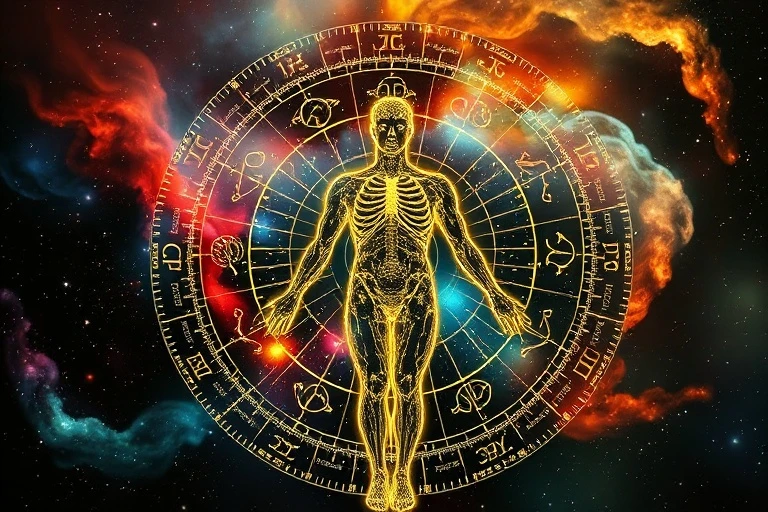
A stylized depiction of an ancient astronomical chart, subtly integrated with human anatomical outlines and swirling elemental energies, illustrating the profound connections between celestial bodies and individual health predispositions.
Historical Foundations of Medical Astrology
The practice of medical astrology boasts a rich and extensive history, dating back to ancient civilizations. Early Mesopotamian, Egyptian, and Greek physicians often integrated astrological observations into their medical diagnoses and treatments. The Ebers Papyrus, an ancient Egyptian medical text from around 1550 BC, contains references to astrological timing for medical procedures, highlighting its long-standing presence in healing arts.
Hippocrates, often hailed as the "Father of Medicine," famously stated that "a physician without knowledge of astrology has no right to call himself a physician." This sentiment underscored the belief that human health was inextricably linked to the cosmos. His teachings, particularly the humoral theory, directly correlated the four humors (blood, yellow bile, black bile, and phlegm) with the four elements (Air, Fire, Earth, and Water, respectively) and specific planetary influences.
During the Hellenistic period, medical astrology flourished, with prominent figures like Galen synthesizing astrological principles with humoral theory. This system formed the bedrock of Western medicine for over a millennium, guiding practitioners in understanding disease etiology and prescribing remedies based on elemental and humoral balance. Physicians would consult ephemerides (tables of planetary positions) to determine the most propitious times for administering medicines, performing surgeries, or even bleeding patients.
Medieval and Renaissance physicians, including figures like Avicenna and Paracelsus, continued to refine and expand upon these astrological-medical correlations. They meticulously documented the correspondences between planets, signs, body parts, herbs, and diseases, creating comprehensive compendiums that served as essential medical texts. While modern medicine has largely moved away from these direct astrological applications, the underlying principles of holistic health and individualized care are experiencing a resurgence in contemporary wellness paradigms, often seeking to integrate ancient wisdom with scientific understanding.
The Four Elements and Their Health Implications
Central to medical astrology is the concept of elemental balance. Each individual possesses a unique elemental constitution, determined by the distribution of planets across Fire, Earth, Air, and Water signs in their natal chart. An excess or deficiency of any element can indicate specific health tendencies and vulnerabilities. Understanding these elemental dynamics is crucial for customizing effective wellness strategies.
Here’s a detailed breakdown of each element, its qualities, and associated health characteristics:
- Fire (Aries, Leo, Sagittarius): Qualities are hot and dry. Associated with heat, energy, enthusiasm, and vitality. Physiologically, Fire governs the metabolic processes, adrenal glands, heart, circulatory system, and muscular strength. An excess of Fire can lead to inflammation, fevers, acute infections, high blood pressure, impatience, and burnout. A deficiency might manifest as low energy, poor circulation, sluggish metabolism, and lack of motivation.
- Earth (Taurus, Virgo, Capricorn): Qualities are cold and dry. Linked to stability, structure, practicality, and grounding. Earth rules the skeletal system, teeth, skin, nails, connective tissues, and digestive organs (especially the large intestine). An excess of Earth can result in sluggishness, constipation, rigidity, weight gain, and a tendency towards chronic conditions. A deficiency might manifest as a lack of grounding, poor bone density, nervous instability, and difficulty manifesting goals.
- Air (Gemini, Libra, Aquarius): Qualities are hot and wet. Connected to intellect, communication, movement, and the nervous system. Air influences the lungs, respiratory tract, nervous system, blood oxygenation, and mental faculties. An excess of Air can lead to anxiety, nervous disorders, insomnia, respiratory issues, and scattered thinking. A deficiency might manifest as mental fogginess, poor communication, lack of social connection, and difficulty adapting to change.
- Water (Cancer, Scorpio, Pisces): Qualities are cold and wet. Pertains to emotions, intuition, nurturing, and fluids. Water governs the lymphatic system, kidneys, bladder, reproductive organs, stomach, and all bodily fluids. An excess of Water can result in fluid retention, lymphatic congestion, emotional hypersensitivity, hormonal imbalances, and a tendency towards depression. A deficiency might manifest as dehydration, dryness, emotional numbness, and difficulty expressing feelings.

A vibrant watercolor composition illustrating the harmonious blend of the four classical elements—Fire, Earth, Air, and Water—each subtly hinting at their physiological correspondences within the human body.
Identifying Elemental Imbalances
An individual's natal chart provides a map of their elemental constitution. A predominance of planets in one element suggests an inherent strength and potential for excess in that area, while a lack of planets in another element can indicate a deficiency. For instance, a strong Fire element may lead to high energy levels but also tendencies towards inflammation, fever, or impatience. Conversely, a weak Earth element might manifest as a lack of grounding, poor bone density, or digestive issues.
Astrologers assess elemental balance by looking at the number of planets in each elemental group, the position of the Sun and Moon, and the Ascendant sign. The Ascendant, or rising sign, is particularly important as it represents the physical body and constitutional temperament. This analysis helps pinpoint areas where a person might naturally thrive or struggle, offering a proactive approach to health management. The goal is not to eliminate an element but to bring all four into a dynamic equilibrium that supports overall well-being.
Planetary Influences and Zodiacal Rulerships
Beyond the elements, each planet and zodiac sign holds specific medical correspondences. Understanding these rulerships allows for a more granular analysis of health predispositions. For example, Mars, the planet of energy and action, rules Aries and Scorpio and is associated with acute conditions, inflammation, muscle tissue, and the head. An afflicted Mars in a natal chart might indicate a propensity for accidents, fevers, or surgical interventions.
Similarly, the Moon, governing Cancer, is linked to digestion, bodily fluids, and emotional well-being. Stressful aspects to the Moon can manifest as digestive disturbances, fluid retention, or mood swings. Saturn, the planet of structure and restriction, rules Capricorn and Aquarius, and is associated with chronic conditions, bones, teeth, and skin. A challenging Saturn placement might point to issues like arthritis, dental problems, or skin conditions.
| Celestial Body | Associated Body Parts/Systems | Health Tendencies (Excess/Affliction) |
|---|---|---|
| Sun | Heart, spine, general vitality, right eye (men), left eye (women) | Cardiac issues, back problems, low vitality, fevers, ego-related stress |
| Moon | Stomach, breasts, bodily fluids, lymphatic system, reproductive organs, left eye (men), right eye (women) | Digestive issues, fluid retention, hormonal imbalances, mood swings, emotional eating |
| Mercury | Nervous system, lungs, hands, arms, thyroid, speech organs | Nervous disorders, respiratory issues, speech impediments, anxiety, restless mind |
| Venus | Kidneys, throat, neck, ovaries, skin, sense of taste, endocrine glands | Kidney problems, throat infections, skin conditions, glandular imbalances, sugar cravings |
| Mars | Muscles, adrenals, head, blood, reproductive organs, acute inflammation | Inflammation, fevers, accidents, cuts, aggression-related issues, rapid heart rate |
| Jupiter | Liver, thighs, pancreas, arterial system, growth, fat metabolism | Liver issues, obesity, diabetes, circulatory problems, excessive growth, gout |
| Saturn | Bones, teeth, skin, joints, spleen, chronic conditions, structural integrity | Arthritis, dental problems, skin diseases, chronic fatigue, structural issues, depression |
| Uranus | Nervous system (sudden onset), circulation, ankles, electrical impulses | Sudden illnesses, nervous breakdowns, circulatory disruptions, spasms, unpredictable conditions |
| Neptune | Pineal gland, lymphatic system, immune system, psychic sensitivity, glandular system | Mysterious illnesses, addictions, immune deficiencies, glandular issues, allergies, confusion |
| Pluto | Reproductive system, elimination organs, cellular regeneration, deep-seated issues | Degenerative diseases, reproductive problems, compulsive disorders, healing crises, power struggles affecting health |
Zodiac Signs and Their Anatomical Rulerships
Each of the twelve zodiac signs is traditionally associated with specific parts of the human body, from head to toe. These correspondences provide further layers of insight into potential areas of strength, sensitivity, or vulnerability. Understanding these connections can help individuals focus their preventative care and address specific physical complaints.
- Aries (Head): Rules the head, face, brain, and eyes. Tendencies: headaches, migraines, eye strain, facial injuries, high blood pressure in the head.
- Taurus (Neck & Throat): Rules the neck, throat, thyroid gland, vocal cords, and ears. Tendencies: sore throats, stiff neck, thyroid imbalances, ear infections, issues with metabolism.
- Gemini (Arms & Lungs): Rules the arms, hands, lungs, bronchial tubes, and nervous system. Tendencies: respiratory issues like asthma or bronchitis, nervous tension, carpal tunnel, anxiety, restless hands.
- Cancer (Chest & Stomach): Rules the chest, breasts, stomach, digestive system, and lymphatic system. Tendencies: digestive upset, ulcers, fluid retention, emotional eating, breast sensitivity.
- Leo (Heart & Spine): Rules the heart, spine, upper back, and circulatory system. Tendencies: heart conditions, back pain, circulatory problems, vitality issues, spinal stiffness.
- Virgo (Abdomen & Intestines): Rules the abdomen, intestines, spleen, and nervous system related to digestion. Tendencies: digestive disorders (IBS), nervousness, nutrient absorption issues, food sensitivities.
- Libra (Kidneys & Lower Back): Rules the kidneys, lower back, adrenal glands, and skin. Tendencies: kidney imbalances, lower back pain, skin conditions, hormonal issues, urinary tract problems.
- Scorpio (Reproductive Organs): Rules the reproductive organs, bladder, bowels, and excretory system. Tendencies: reproductive issues, UTIs, constipation, deep-seated infections, prostate issues.
- Sagittarius (Hips & Thighs): Rules the hips, thighs, liver, and sciatic nerve. Tendencies: hip problems, sciatica, liver strain, issues with mobility, blood disorders.
- Capricorn (Bones & Joints): Rules the bones, joints, knees, teeth, skin, and structural integrity. Tendencies: arthritis, joint pain, dental problems, skin conditions, chronic stiffness, rheumatism.
- Aquarius (Ankles & Circulation): Rules the ankles, calves, circulatory system, and nervous system (sudden impulses). Tendencies: ankle sprains, circulatory issues, varicose veins, nervous tension, cramps.
- Pisces (Feet & Lymphatic System): Rules the feet, lymphatic system, pineal gland, and immune system. Tendencies: foot problems, lymphatic congestion, immune deficiencies, sensitivity to toxins, allergies.
Customizing Wellness Regimens through Medical Astrology
The ultimate goal of medical astrology is to empower individuals to create highly personalized wellness plans. By understanding their unique elemental and planetary constitution, people can make informed choices about diet, lifestyle, and therapeutic interventions that resonate with their energetic makeup. This customization moves beyond generic health advice, offering a truly bespoke path to well-being that honors the individual's cosmic signature.
Dietary Recommendations by Element
Food, like everything else, possesses elemental qualities. A diet designed to balance one's dominant elements or strengthen deficient ones can be profoundly healing. This approach considers not just the nutritional content but also the energetic properties of food. For example:
- Fire Dominant (Excess Heat/Dryness): Individuals with an excess of Fire may benefit from cooling, moistening foods such as cucumbers, melons, leafy greens, and lean proteins like fish. They should moderate stimulating foods like spicy dishes, caffeine, alcohol, and excessive red meat, which can exacerbate inflammation and restlessness. Emphasis on hydration and raw or lightly cooked vegetables is key to cooling the system.
- Earth Dominant (Excess Cold/Dryness or Sluggishness): Those with strong Earth energy often thrive on grounding, warming, and easily digestible foods like root vegetables, whole grains (quinoa, millet), and light stews. They might need to be mindful of heavy, rich foods, excessive dairy, or cold, raw foods that can lead to sluggishness, weight gain, and digestive stagnation. Regular, smaller meals and digestive spices are often beneficial.
- Air Dominant (Excess Hot/Wet or Nervousness): People with a strong Air element can benefit from regular, nourishing meals that are grounding and calming. Warm, cooked foods, healthy fats (avocado, ghee), and root vegetables can help stabilize their often-scattered energy. Avoiding excessive raw foods, stimulating substances (caffeine), and irregular meal times is often recommended to soothe the nervous system and prevent mental agitation.
- Water Dominant (Excess Cold/Wet or Congestion): Individuals with a predominant Water element may find balance with warming, drying foods that support fluid balance and circulation. Lean proteins, cooked vegetables, and spices that aid digestion (ginger, black pepper, turmeric) can be beneficial. They might need to limit excessive dairy, cold or damp foods, and sugary items that can contribute to congestion, lymphatic stagnation, and emotional overwhelm.
Lifestyle Adjustments and Therapeutic Modalities
Beyond diet, lifestyle choices play a critical role in maintaining elemental harmony. Exercise, environment, and even daily routines can be tailored to support one's astrological constitution. For instance, a Fire-dominant individual might benefit from cooling activities like swimming, gentle yoga, or spending time near water to temper their fiery nature. Conversely, a Water-dominant person might seek out invigorating exercises, dry climates, or activities that promote warmth and circulation, such as brisk walking or hot baths.
Therapeutic modalities can also be chosen based on astrological insights. Herbal medicine, for example, assigns elemental and planetary rulerships to plants, allowing for precise remedies. A Mars-ruled herb like cayenne pepper might be used for sluggish circulation, while a Moon-ruled herb like chamomile could soothe digestive upset. Acupuncture points and meridians can also be correlated with planetary energies and zodiac signs, offering targeted energetic interventions. Mindfulness and meditation practices can be adapted to balance specific elemental excesses or deficiencies, such as grounding meditations for excess Air or invigorating practices for deficient Fire.
Furthermore, environmental factors are considered. An Air-dominant person prone to anxiety might benefit from a calm, structured environment, while an Earth-dominant individual could thrive with more exposure to nature and open spaces to prevent stagnation. Even color therapy and aromatherapy can be aligned with planetary and elemental correspondences to create a supportive healing environment.
Astrological Timing for Health Interventions
Electional astrology, a branch focused on timing, can be applied to health matters. This involves selecting auspicious planetary alignments for initiating new wellness practices, scheduling medical appointments, or even undergoing surgery. For example, a surgical procedure might be ideally timed when the Moon is not in the sign ruling the body part to be operated on, and when beneficial planetary aspects support healing and recovery. This approach aims to work with cosmic energies rather than against them, potentially enhancing outcomes and minimizing complications.
For less invasive interventions, such as starting a new diet or detoxification program, choosing a time when the Moon is in a favorable sign for elimination (e.g., Scorpio) or purification (e.g., Virgo) can be beneficial. Similarly, initiating a new exercise regimen during a waxing Moon phase or when Mars is strong and well-aspected can provide an energetic boost for motivation and physical endurance. This careful consideration of astrological timing adds another layer of personalization and efficacy to wellness plans.
A sophisticated 3D render of a personalized wellness interface, where holographic projections visualize elemental energy flows within a human form, dynamically adjusting to tailored dietary and lifestyle recommendations.
Ethical Considerations and Complementary Approach
It is imperative to approach medical astrology as a complementary system, not a substitute for conventional medical diagnosis and treatment. While it offers valuable insights into predispositions and holistic wellness, it does not replace the need for evidence-based medical care from qualified healthcare professionals. Medical astrology can serve as an empowering tool for self-awareness and preventative health, but acute or serious conditions always require professional medical attention.
Ethical practitioners of medical astrology emphasize collaboration with conventional medicine, using astrological insights to enhance a patient's understanding of their body and to support their overall well-being. The focus is on promoting vitality, strengthening inherent weaknesses, and fostering a deeper connection between mind, body, and spirit, rather than predicting specific diseases or offering cures. This integration allows for a more comprehensive and patient-centered approach to health, respecting both ancient wisdom and modern scientific advancements.
The World Health Organization (WHO) recognizes traditional and complementary medicine as integral to healthcare systems globally, advocating for the safe and effective integration of diverse healing practices. While medical astrology is not explicitly listed, its principles align with the broader concept of holistic, personalized care that many traditional systems embody, focusing on the individual's unique constitution and environment.
Source: WHO Traditional, Complementary and Integrative Medicine Strategy 2014-2023.
Conclusion: A Holistic Path to Wellness
Medical astrology and the understanding of elemental balance offer a profound lens through which to view human health. By integrating ancient wisdom with modern self-awareness, individuals can move beyond a reactive approach to health and embrace a proactive, personalized path to well-being. This involves recognizing the subtle energetic currents within their own bodies, informed by the celestial dance above, and making conscious choices that support their unique constitutional needs. As we continue to explore the intricate connections between cosmos and consciousness, medical astrology stands as a powerful reminder of our inherent interconnectedness and the potential for deep, individualized healing. It encourages a mindful engagement with one's own health, recognizing the body as a microcosm reflecting the macrocosm.
Source: Hybrid content assisted by AI and human editorial supervision.


Comments
Post a Comment