
Psycho-Astrology Jungian Archetypes Shadow Work Wholeness
Psycho-astrology represents a sophisticated interdisciplinary field that merges the profound insights of Carl Jung's analytical psychology with the ancient wisdom of astrological principles. This integrative approach offers a unique lens through which to understand the human psyche, revealing the archetypal patterns and unconscious dynamics that shape our lives. By analyzing the birth chart through a Jungian framework, individuals can gain deeper self-awareness, identify their inherent potentials, and confront the often-unacknowledged aspects of their personality, collectively known as the shadow.
The core objective of psycho-astrology is to facilitate the process of individuation, Jung's term for the psychological journey towards becoming a whole, integrated self. This involves conscious engagement with both light and dark aspects of one's being, moving beyond ego identification to embrace a more expansive sense of self. Through this synthesis, the astrological chart transcends its traditional predictive role, becoming a diagnostic map of the soul's journey, highlighting areas for psychological growth and transformation. It provides a symbolic language to articulate complex inner experiences and offers guidance on how to navigate the challenges inherent in self-discovery.
Table of Contents
- Understanding Psycho-Astrology: A Synthesis
- Jungian Archetypes in the Birth Chart
- The Shadow in Astrology: Unveiling Hidden Aspects
- Integrating the Shadow: Pathways to Wholeness
- Planetary Aspects and Archetypal Dynamics
- The Individuation Process Through Astrological Cycles
- Ethical Considerations and Practical Application
 The intricate dance between celestial mechanics and the human unconscious, a profound exploration of archetypal patterns and the journey towards psychological integration.
Conceptual rendering generated by advanced AI, reflecting the complex interplay of Jungian psychology and astrological symbolism.
Understanding Psycho-Astrology: A Synthesis
Psycho-astrology posits that the birth chart is not merely a map of planetary positions at the moment of birth, but a symbolic blueprint of the psyche. Each planet, sign, and house corresponds to specific psychological functions, drives, and areas of life experience. Carl Jung's concept of the collective unconscious, a reservoir of universal experiences and images, finds a natural parallel in astrology's archetypal symbolism. The zodiac signs, planets, and aspects can be understood as manifestations of these archetypes, influencing our personality, relationships, and life path.
This field moves beyond deterministic interpretations, emphasizing free will and conscious choice in responding to astrological influences. Instead of predicting events, psycho-astrology helps individuals understand the underlying psychological dynamics that may lead to certain experiences or behavioral patterns. It encourages a proactive approach to self-development, where challenges are viewed as opportunities for growth and integration. The birth chart becomes a tool for self-reflection, guiding individuals to recognize and work with their innate psychological structures.
The synthesis of these two disciplines provides a rich vocabulary for inner exploration. Astrology offers a precise timing mechanism for psychological development through planetary stations and retrograde cycles, while Jungian psychology provides a framework for interpreting the meaning and purpose of these cycles. This allows for a deeper understanding of personal crises, developmental stages, and spiritual awakenings, framing them within a larger archetypal narrative. The goal is not to change one's chart, but to consciously embody its highest potential.
Jungian Archetypes in the Birth Chart
Jungian archetypes are universal, archaic patterns and images that derive from the collective unconscious and are the psychic counterpart of instinct. In psycho-astrology, these archetypes are seen as expressed through the planets, signs, and houses of the natal chart. For instance, the Sun often symbolizes the Hero archetype, representing the ego's journey and conscious identity, while the Moon can embody the Great Mother or Nurturer, reflecting our emotional needs and unconscious patterns.
Each astrological component resonates with specific archetypal energies. Mars, for example, is linked to the Warrior or Aggressor, symbolizing our drive, assertion, and capacity for action. Venus relates to the Lover or Artist, representing our values, aesthetic sense, and capacity for relationship. Understanding these connections allows for a nuanced interpretation of an individual's psychological landscape, revealing the dominant archetypal forces at play in their life and how they are likely to manifest.
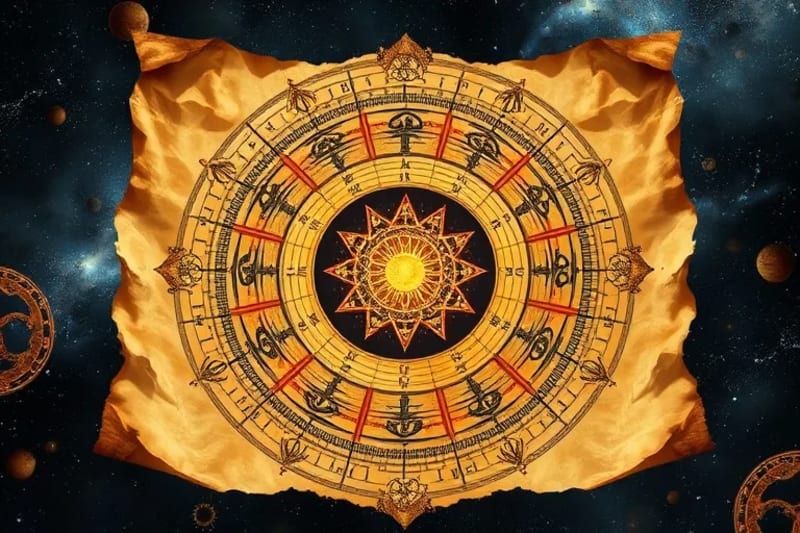 A visual representation of how Jungian archetypes are mapped onto the intricate design of an astrological birth chart, revealing the symbolic architecture of the psyche.
Digital artwork created by AI, illustrating the conceptual link between astrological mapping and universal psychological patterns, drawing from the public domain of symbolic representation.
The houses of the birth chart further delineate where these archetypal energies are expressed in life. The 1st House relates to the Persona, how we present ourselves to the world. The 7th House speaks to the Anima/Animus, projected onto partners and close relationships. The 12th House often holds the deepest unconscious material, including elements of the Shadow. By integrating these archetypal insights, individuals can move beyond superficial personality traits to understand their deeper motivations and life purpose. This comprehensive view helps in navigating major transits and global events from an inner perspective.
| Archetype | Astrological Correspondence | Psychological Expression |
|---|---|---|
| Hero | Sun, Mars, 1st House | Quest for identity, courage, self-assertion, overcoming obstacles. |
| Great Mother | Moon, Cancer, 4th House | Nurturing, emotional security, unconditional love, primal instincts. |
| Wise Old Man/Woman | Saturn, Jupiter, 9th/10th House | Wisdom, guidance, authority, structure, moral compass. |
| Shadow | Pluto, 8th/12th House, challenging aspects | Repressed desires, fears, unacceptable traits, hidden potential. |
| Anima/Animus | Venus/Mars, 7th House, opposite sex projections | Inner feminine/masculine, soul image, relationship dynamics. |
| Trickster | Mercury, Uranus, Gemini/Aquarius | Challenging norms, disruption, humor, innovation, chaos. |
The Shadow in Astrology: Unveiling Hidden Aspects
The concept of the Shadow, as defined by Jung, refers to the unconscious aspect of the personality that the conscious ego does not identify with. It comprises all the traits, desires, and experiences that are deemed unacceptable by the individual or society and are therefore repressed. In psycho-astrology, the Shadow is often revealed through challenging planetary placements, difficult aspects, or planets in the 8th and 12th houses, which represent areas of hidden depths and unconscious processes.
Planets like Pluto, Saturn, and Neptune, especially when forming hard aspects or placed in certain houses, can illuminate where the Shadow resides. Pluto, the ruler of the underworld, directly correlates with the deepest, most primal aspects of the Shadow, including power dynamics, hidden compulsions, and transformative crises. Saturn can indicate areas where we feel inadequate or restricted, leading to repression and the creation of a "negative" shadow of self-doubt and fear. Neptune's elusive nature can obscure parts of the self, leading to confusion about identity and potential for self-deception.
 The dynamic process of confronting and integrating the repressed aspects of the self, symbolized by a journey through darkness towards a unified and illuminated consciousness.
An abstract 3D rendering, conceptualizing the psychological journey of shadow work and individuation, freely available for educational use.
Unveiling the astrological Shadow involves recognizing patterns of projection onto others, recurring conflicts, or feelings of shame and guilt. These are often indicators of unintegrated shadow material seeking conscious acknowledgment. For example, a strong Mars-Pluto aspect might point to a repressed need for power or an unacknowledged aggressive drive that manifests as external conflicts or a fear of one's own strength. Understanding these astrological signatures provides a roadmap for psychological exploration, helping individuals to identify and begin the process of integrating these hidden parts.
- Projection: Attributing undesirable traits in oneself to others. Astrologically, this can be seen in challenging aspects to the 7th House or Venus/Mars.
- Repression: Pushing unacceptable thoughts, feelings, or memories into the unconscious. Often linked to Saturnian influences or planets in the 12th House.
- Compensation: Overdeveloping certain traits to mask the opposite, repressed qualities. For instance, an overly agreeable person might have a strong, unacknowledged aggressive shadow.
- Sublimation: Channeling unacceptable impulses into socially acceptable or constructive activities. A healthy way to integrate shadow energy.
- Resistance: Avoiding self-reflection or confrontation with difficult emotions, indicating areas where the Shadow is strongly defended.
Integrating the Shadow: Pathways to Wholeness
Shadow integration is a crucial step towards psychological wholeness and individuation. It involves consciously acknowledging, accepting, and eventually integrating the repressed aspects of the personality, rather than allowing them to operate unconsciously and potentially destructively. In psycho-astrology, this process is guided by the understanding of natal chart placements and transits that activate shadow material. For instance, a Pluto transit to a personal planet often brings repressed issues to the surface, demanding confrontation and transformation.
Techniques for shadow integration often involve active imagination, dream analysis, and journaling, where individuals engage directly with their unconscious content. From an astrological perspective, understanding the nature of the planet and sign involved in a challenging aspect can provide clues about the specific qualities of the shadow to be integrated. For example, a square between the Moon and Pluto might suggest a need to confront deeply buried emotional patterns or power struggles within the family lineage.
The integration of the Shadow does not mean acting out its negative impulses, but rather becoming conscious of them and finding constructive outlets for their energy. It leads to increased authenticity, vitality, and a deeper connection to the Self. This process can be challenging, often requiring courage and perseverance, but the rewards are profound: a more complete and resilient personality. This journey is akin to the moon manifestation rituals, but applied to the inner self.
| Technique | Description | Astrological Relevance |
|---|---|---|
| Active Imagination | Consciously engaging with unconscious material (dreams, fantasies) through dialogue or visualization. | Helps personify planetary energies or archetypal figures in the chart. |
| Dream Analysis | Interpreting symbols and narratives from dreams to understand unconscious messages. | Dreams often reflect activated planetary transits or natal aspects. |
| Journaling & Self-Reflection | Writing down thoughts, feelings, and experiences to gain insight into patterns and motivations. | Connects daily experiences to chart themes, especially challenging aspects. |
| Therapeutic Dialogue | Working with a qualified therapist to explore repressed emotions and behaviors. | A therapist can help navigate intense planetary activations or shadow material. |
| Creative Expression | Channeling unconscious content into art, music, writing, or other creative forms. | Especially useful for integrating Neptune or Venus-related shadow aspects. |
Planetary Aspects and Archetypal Dynamics
In psycho-astrology, planetary aspects are not merely geometric relationships but represent dynamic interactions between archetypal energies within the psyche. Conjunctions signify a fusion of energies, while oppositions highlight polarity and the need for balance. Squares indicate tension and conflict, often pointing to areas of significant psychological growth and the need for conscious effort to integrate conflicting drives. Trines and sextiles, on the other hand, represent harmonious flow and ease of expression, indicating natural talents and areas of support.
Understanding the archetypal nature of the planets involved in an aspect provides profound insights into an individual's inner conflicts and potentials. For example, a square between Mars (Warrior/Aggressor) and Venus (Lover/Artist) might indicate an inner conflict between assertion and harmony, or between personal desire and relational needs. This tension, while challenging, can be a powerful catalyst for developing a more integrated expression of both energies, leading to creative solutions or a more balanced approach to relationships.
Beyond the major aspects, minor aspects and midpoint structures can also reveal subtle yet significant archetypal dynamics. The Chiron placement, for example, often points to a "wounded healer" archetype, indicating areas of deep personal wound that, once acknowledged and worked through, can become sources of profound wisdom and compassion. The nodes of the Moon, representing the karmic path, can be interpreted through the lens of the Hero's Journey, outlining the soul's evolutionary trajectory. This deep analysis contributes to understanding unveiling esoteric destiny points.
The Individuation Process Through Astrological Cycles
Jung's concept of individuation is the lifelong psychological process of integrating the conscious and unconscious, leading to the development of a unique and whole personality. In psycho-astrology, this process is intimately linked to astrological cycles, particularly the transits and progressions of the outer planets (Jupiter, Saturn, Uranus, Neptune, Pluto). These cycles mark significant developmental stages and archetypal activations that challenge the ego and propel the individual towards greater self-realization.
Saturn returns, for instance, are critical periods for ego consolidation and confronting personal limitations, often bringing unconscious material to conscious awareness for integration. Uranus transits typically signify periods of liberation, innovation, and breaking free from old structures, aligning with the archetype of the Rebel or Awakener. Neptune transits can dissolve ego boundaries, fostering spiritual awakening or confronting illusions, echoing the Mystic or Dreamer archetype. Pluto transits, perhaps the most intense, demand profound transformation, confronting the Shadow and leading to psychological rebirth, embodying the Destroyer/Creator archetype.
By understanding these astrological rhythms, individuals can consciously cooperate with the forces of growth and transformation, rather than resisting them. The birth chart, when viewed through this lens, becomes a dynamic map for the individuation journey, offering guidance on when and where specific archetypal challenges and opportunities are likely to arise. This allows for a more intentional and meaningful engagement with life's inevitable changes, fostering resilience and psychological maturity. It also helps in understanding evolutionary psychology through zodiac transits.
Ethical Considerations and Practical Application
The practice of psycho-astrology demands a high degree of ethical responsibility. Given the profound psychological insights it can offer, practitioners must approach clients with sensitivity, respect, and a non-judgmental attitude. The goal is empowerment and self-discovery, not diagnosis or prediction of predetermined fates. It is crucial to emphasize that the birth chart reveals potentials and tendencies, not fixed destinies, and that conscious choice plays a pivotal role in how these energies are expressed.
Practical application involves a collaborative process between the psycho-astrologer and the individual. This typically begins with a detailed analysis of the natal chart, focusing on key archetypal placements, challenging aspects, and potential shadow indicators. The consultation then moves into a dialogue, helping the individual connect these astrological symbols to their lived experiences, emotional patterns, and unconscious dynamics. The aim is to foster insight, provide a framework for understanding inner conflicts, and suggest pathways for integration and growth.
Psycho-astrology can be integrated with various therapeutic modalities, offering a symbolic language that complements traditional psychological approaches. It is particularly valuable for individuals seeking deeper meaning in their lives, struggling with recurring patterns, or undergoing significant life transitions. By providing a comprehensive map of the psyche's archetypal landscape, it serves as a powerful tool for self-exploration, fostering greater authenticity, resilience, and ultimately, a more profound sense of wholeness and purpose.
Explore Our Content Ecosystem
- Medical Astrology: Chronic Disease Predispositions, Planetary Debilities
- Sacred Geometry Tarot Universal Truths Forms
- Electional Astrology Timing Life Events Success Guide
- Mediumship Basics: Communicating Spirit World
- June 2026 Horoscopes: All 12 Zodiac Signs Forecast
- Moon Influence Daily Choices: Emotional Rhythms Guidance
- Bio-Acoustic Therapy Cellular Regeneration Frequencies Health
- Gastronomía Fusión Latinoamericana: Sabores, Influencias y Tendencias
- Cristales Resonantes Activación Tránsitos Planetarios Bienestar
- Arte Generativo Inteligencia Artificial: Mística Digital
Source: Hybrid content assisted by AI and human editorial supervision.


Comments
Post a Comment