
Medical Astrology: Chronic Disease Predispositions, Planetary Debilities | StarPluto
Medical astrology, a specialized branch of astrological study, delves into the intricate relationship between celestial placements at the moment of birth and an individual's inherent health predispositions. Far from being a diagnostic tool in the conventional sense, it offers a profound framework for understanding potential vulnerabilities, energetic imbalances, and the psychosomatic roots of chronic conditions. By analyzing planetary debilities and their placements within the twelve astrological houses, practitioners aim to identify areas of the body and mind that may require particular attention throughout a person's life.
This ancient discipline posits that the natal chart, a snapshot of the heavens at birth, serves as a cosmic blueprint not only for personality and destiny but also for physical and mental well-being. It provides insights into the body's constitution, inherent strengths, and potential weaknesses, allowing for a proactive approach to health management. Understanding these predispositions can empower individuals to adopt preventive measures, cultivate beneficial lifestyle habits, and seek appropriate support to mitigate the manifestation of chronic diseases.
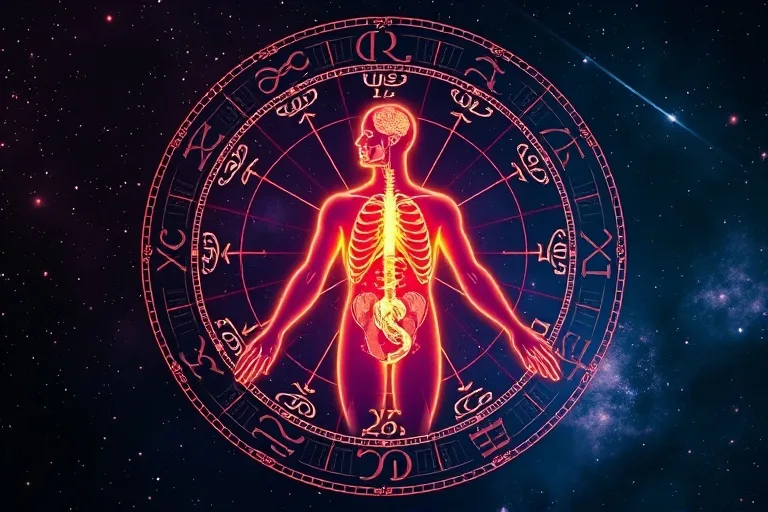
An intricate astrological chart revealing the deep connections between celestial bodies and human physiological systems.
The methodology of medical astrology is deeply rooted in the hermetic principle of "as above, so below," suggesting a direct correspondence between macrocosmic celestial patterns and microcosmic human physiology. This article will explore the advanced techniques used to identify chronic disease predispositions, focusing specifically on planetary debilities and the critical role of astrological houses in birth chart analysis.
Historical Foundations of Medical Astrology
The practice of medical astrology is not a modern invention but boasts a rich history spanning millennia. Ancient civilizations, including the Babylonians, Egyptians, Greeks, and Romans, integrated astrological principles into their medical practices. Physicians like Hippocrates, often called the "Father of Medicine," advocated for the study of astrology as essential for a complete understanding of the human body and its ailments.
During the medieval and Renaissance periods, medical astrology reached its zenith, with prominent figures such as Galen, Avicenna, and Nicholas Culpeper extensively documenting the correlations between planets, signs, and human health. These early practitioners believed that each zodiac sign governed specific body parts and organs, and that planetary positions within these signs indicated areas of strength or vulnerability. The decline of medical astrology began with the rise of empirical science, yet its foundational concepts continue to offer a unique perspective on holistic health.
Understanding Planetary Debilities in Health Analysis
Planetary debilities refer to positions where a planet is considered weakened, challenged, or unable to express its energies optimally. In medical astrology, these debilities are crucial indicators of potential health vulnerabilities or chronic conditions. A planet in debility may signify an organ or system associated with that planet that is inherently weaker or prone to dysfunction.
The primary forms of planetary debility include detriment, fall, combustion, and retrograde motion. Each carries distinct implications for health:
- Detriment: A planet is in detriment when it is in the zodiac sign opposite to the sign it rules. For example, Mars rules Aries, so Mars in Libra (opposite Aries) is in detriment. This position suggests that the planet's energy is expressed in a way that is contrary to its natural function, potentially leading to imbalances in the associated body parts or functions.
- Fall: A planet is in fall when it is in the zodiac sign opposite to its sign of exaltation. For instance, the Sun is exalted in Aries, so the Sun in Libra (opposite Aries) is in fall. This indicates a position where the planet's energy is at its weakest, struggling to manifest its positive attributes, which can translate to chronic weakness or susceptibility in related health areas.
- Combustion: A planet is combust when it is too close to the Sun (typically within 8.5 degrees). The Sun's overwhelming light is believed to "burn up" or obscure the planet's influence, making its functions less effective or erratic. In medical astrology, this can point to hidden or difficult-to-diagnose conditions, or a general lack of vitality in the organ system governed by the combust planet.
- Retrograde Motion: While not strictly a debility in the same way as detriment or fall, a retrograde planet signifies an internalized, delayed, or re-evaluated expression of its energies. Health-wise, retrograde planets can indicate conditions that are chronic, recurrent, or require unconventional approaches to healing. They might also point to issues that stem from past life patterns or deep-seated psychological blocks.

Subtle energetic influences from weakened planetary positions, indicating potential health vulnerabilities.
The presence of multiple debilities affecting a single planet or a cluster of planets can amplify health risks. For example, a planet in detriment and also combust would indicate a particularly challenging area of health. Analyzing these positions requires a nuanced understanding of Tarot Quantum Mechanics Intersecting Divination Reality and their subtle interactions within the natal chart.
The Astrological Houses and Their Health Correlates
Beyond planetary positions in signs, their placement within the twelve astrological houses provides critical context for health predispositions. Each house governs specific areas of life, including particular body parts, types of illnesses, and the environment in which health issues may arise. Understanding these associations is paramount for a comprehensive medical astrological assessment.
| House | Associated Health Areas | Chronic Predisposition Indicators |
|---|---|---|
| 1st House | Physical body, constitution, vitality, head, face. | Overall physical health, inherent strength or weakness, susceptibility to conditions affecting the head or general constitution. |
| 2nd House | Neck, throat, thyroid, metabolism, self-worth. | Issues related to the throat, vocal cords, thyroid gland, or metabolic disorders. |
| 3rd House | Lungs, arms, hands, nervous system, communication. | Respiratory issues, nervous disorders, conditions affecting the upper limbs. |
| 4th House | Stomach, breasts, digestive system, emotional roots, home environment. | Digestive problems, stomach ulcers, breast conditions, emotionally-rooted illnesses. |
| 5th House | Heart, spine, upper back, creativity, children. | Cardiac issues, spinal problems, conditions affecting the upper back. |
| 6th House | Acute illnesses, daily health, intestines, spleen, work environment, diet. | Crucial for chronic illness. Indicates predispositions to digestive disorders, autoimmune conditions, and stress-related ailments from daily routines. Malefic planets here are significant. |
| 7th House | Kidneys, lower back, partnerships, adrenal glands. | Kidney issues, lower back pain, conditions influenced by relationship stress. |
| 8th House | Chronic illnesses, surgery, reproductive organs, bowels, psychological trauma, regeneration. | Highly significant for chronic and degenerative diseases, inherited conditions, and issues requiring surgical intervention. Planets here indicate deep-seated health patterns. |
| 9th House | Hips, thighs, liver, long journeys, higher mind. | Liver conditions, hip and thigh problems, issues related to travel or cultural adaptation. |
| 10th House | Knees, bones, teeth, skin, public image, career. | Skeletal issues, joint problems, skin conditions, stress-related ailments from career pressures. |
| 11th House | Ankles, circulatory system, hopes, groups, nervous system. | Circulatory problems, ankle injuries, conditions influenced by social networks or collective stress. |
| 12th House | Hidden illnesses, confinement, lymphatic system, immune system, self-undoing, hospitals, subconscious. | Conditions that are difficult to diagnose, chronic fatigue, autoimmune disorders, mental health issues, and illnesses requiring hospitalization or isolation. |
The 6th, 8th, and 12th houses are traditionally considered the "houses of illness" or "cadent houses" and hold particular significance in medical astrology. Malefic planets (Mars, Saturn, Uranus, Neptune, Pluto) placed in these houses, especially if debilitated or afflicted by challenging aspects, greatly increase the likelihood of chronic health issues related to the house's domain and the planet's nature.
Zodiac Signs and Their Physiological Rulerships
Each of the twelve zodiac signs is associated with specific body parts, organs, and physiological functions. When a sign is emphasized in a natal chart—for example, by housing the Sun, Moon, Ascendant, or multiple planets—the corresponding body parts may be either particularly strong or, if afflicted, prone to specific ailments. This forms another layer of analysis in identifying chronic predispositions.
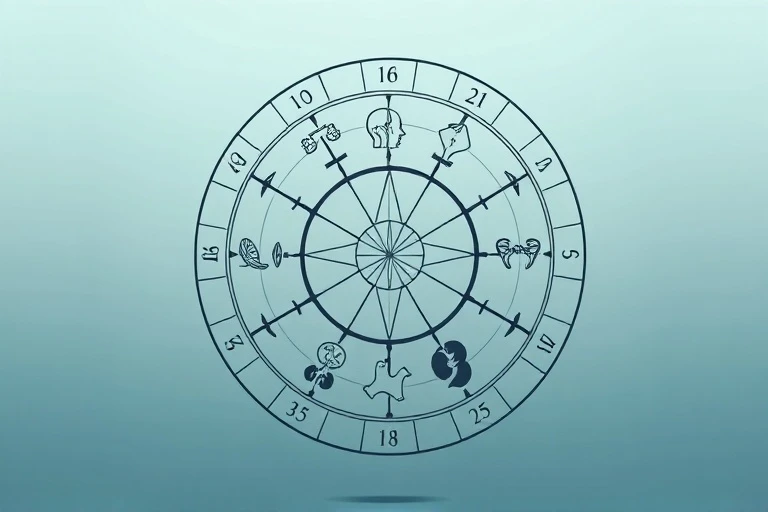
A clear, modern illustration of the twelve astrological houses, each linked to specific health areas and bodily functions.
Below is a summary of the zodiac signs and their primary physiological rulerships:
- Aries (Head): Head, brain, eyes, face, pineal gland. Predispositions: headaches, migraines, high blood pressure, inflammation, accidents involving the head.
- Taurus (Neck): Neck, throat, vocal cords, thyroid gland, tonsils, cerebellum. Predispositions: sore throats, thyroid imbalances, stiff neck, goiter.
- Gemini (Arms & Lungs): Lungs, bronchi, arms, hands, nervous system, clavicle. Predispositions: respiratory issues (asthma, bronchitis), nervous disorders, carpal tunnel syndrome.
- Cancer (Stomach): Stomach, breasts, esophagus, pancreas, digestive system. Predispositions: digestive problems, ulcers, breast issues, emotional eating disorders.
- Leo (Heart): Heart, spine, upper back, aorta. Predispositions: cardiac conditions, back pain, circulatory issues.
- Virgo (Intestines): Intestines, spleen, nervous system, digestive tract. Predispositions: irritable bowel syndrome, constipation, anxiety-related digestive issues, malabsorption.
- Libra (Kidneys): Kidneys, lower back, skin, adrenal glands, buttocks. Predispositions: kidney stones, lower back pain, skin conditions, hormonal imbalances.
- Scorpio (Reproductive Organs): Reproductive organs, bladder, bowels, prostate, rectum. Predispositions: urinary tract infections, reproductive system disorders, hemorrhoids, sexually transmitted infections.
- Sagittarius (Hips & Thighs): Hips, thighs, liver, sciatic nerve, pituitary gland. Predispositions: hip problems, sciatica, liver dysfunction, alcoholism.
- Capricorn (Knees & Bones): Knees, bones, teeth, skin, joints, gallbladder. Predispositions: arthritis, joint pain, dental problems, skin conditions (eczema, psoriasis).
- Aquarius (Ankles & Circulation): Ankles, circulatory system, calves, shins, nervous system. Predispositions: ankle injuries, varicose veins, circulatory problems, restless leg syndrome.
- Pisces (Feet & Lymphatic System): Feet, lymphatic system, immune system, mucous membranes. Predispositions: foot problems, lymphatic congestion, weakened immune system, allergies, addictions.
When a debilitated planet falls within a sign, the health predispositions associated with both the planet and the sign are amplified. For example, a debilitated Mars in Cancer could indicate chronic inflammatory conditions (Mars) affecting the stomach or digestive system (Cancer).
Planetary Influences on Organ Systems and Illnesses
Each planet is associated with specific organs, glands, and bodily functions. The condition of these planets in the natal chart provides further layers of insight into health. A strong, well-aspected planet generally indicates robust health in its associated areas, while a debilitated or afflicted planet suggests potential weakness or chronic issues.
- Sun: Heart, spine, vitality, general constitution, right eye (men), left eye (women). Afflictions: cardiac issues, spinal problems, low vitality, fevers.
- Moon: Stomach, breasts, fluids, lymphatic system, left eye (men), right eye (women), emotional body. Afflictions: digestive disorders, edema, hormonal imbalances, emotional instability, lymphatic issues.
- Mercury: Nervous system, lungs, hands, arms, thyroid, brain (lower functions). Afflictions: nervous disorders, respiratory problems, speech impediments, anxiety.
- Venus: Kidneys, lower back, throat, skin, glands, reproductive organs (female). Afflictions: kidney disease, skin conditions, throat infections, venereal diseases.
- Mars: Muscles, blood, adrenal glands, head, reproductive organs (male), inflammation. Afflictions: inflammatory conditions, fevers, accidents, cuts, surgeries, high blood pressure.
- Jupiter: Liver, thighs, pituitary gland, arterial system, growth. Afflictions: liver dysfunction, obesity, diabetes, gout, circulatory problems.
- Saturn: Bones, teeth, skin, joints, gallbladder, spleen, chronic conditions. Afflictions: arthritis, osteoporosis, dental problems, skin diseases, depression, chronic fatigue.
- Uranus: Nervous system (higher functions), ankles, circulatory system, spasms. Afflictions: sudden illnesses, nervous breakdowns, cramps, unpredictable conditions.
- Neptune: Lymphatic system, immune system, pineal gland, feet, addictions, mysterious illnesses. Afflictions: autoimmune disorders, allergies, drug/alcohol addiction, chronic fatigue syndrome, difficult-to-diagnose conditions.
- Pluto: Reproductive system, bowels, cellular regeneration, deep-seated psychological issues. Afflictions: degenerative diseases, cancer, reproductive disorders, sexually transmitted diseases, issues requiring transformation or surgery.
The interaction between these planetary rulerships and their placement in signs and houses forms the bedrock of medical astrological interpretation. For example, a debilitated Saturn in the 6th house, ruling the bones and chronic conditions, could indicate a predisposition to chronic skeletal or joint issues, especially if it's in a sign like Cancer (which rules the stomach and emotional body, potentially linking stress to bone density).
Synthesizing the Analysis: Identifying Chronic Predispositions
Identifying chronic disease predispositions in a birth chart involves a multi-layered synthesis of all the elements discussed. It is rarely about a single indicator but rather a confluence of factors that highlight a particular vulnerability. The process typically involves:
- Ascendant and 1st House Analysis: The rising sign and planets in the 1st house describe the physical constitution and overall vitality. A debilitated planet or challenging aspect to the Ascendant ruler can indicate a general constitutional weakness.
- 6th, 8th, and 12th House Examination: These are the primary houses of health. The signs on their cusps, the planets within them, and the aspects they receive are crucial. Malefic planets (Mars, Saturn, Uranus, Neptune, Pluto) in these houses are significant indicators. For instance, Saturn in the 6th house often points to chronic conditions related to the digestive system or work-related stress.
- Planetary Debilities Assessment: Identify all planets in detriment, fall, or combustion. Note their sign and house placements. These planets represent inherent weaknesses in their associated organs or functions. For example, a combust Moon in the 12th house could suggest hidden emotional issues leading to chronic lymphatic or immune system problems.
- Rulerships and Aspects: Trace the rulers of the 6th, 8th, and 12th houses. Where do they fall? Are they debilitated? What aspects do they make? Hard aspects (squares, oppositions, quincunxes) from malefic planets to vital points (Sun, Moon, Ascendant, house rulers) or to other planets can indicate stress, friction, and chronic challenges. Conversely, harmonious aspects (trines, sextiles) can offer resilience or ease of recovery.
- Elemental and Modal Balance: An imbalance in the elemental (Fire, Earth, Air, Water) or modal (Cardinal, Fixed, Mutable) distribution in the chart can also point to constitutional predispositions. For example, an excess of Water signs might indicate lymphatic or emotional sensitivities, while a lack of Earth signs could suggest issues with grounding or physical structure.
- Fixed Stars and Midpoints: For advanced analysis, the conjunction of planets or sensitive points with certain fixed stars can add another layer of specific health implications. Similarly, midpoints can reveal subtle energetic connections between planets that manifest as health patterns.
Consider a scenario: a natal chart shows Saturn in Cancer in the 6th house, in fall. Cancer rules the stomach and digestive system, and Saturn is associated with chronic conditions, bones, and restriction. Its placement in the 6th house (daily health, intestines) amplifies health concerns. The fall of Saturn indicates a weakened expression of its energies, making the individual prone to chronic digestive issues, possibly related to emotional stress (Cancer) or structural problems (Saturn) affecting the gut. This individual might benefit from dietary adjustments, stress management, and regular check-ups targeting digestive health.
Limitations and Ethical Considerations
It is crucial to reiterate that medical astrology is a complementary system and should never replace conventional medical diagnosis or treatment. Its role is to provide a deeper understanding of inherent energetic patterns and predispositions, offering a framework for preventative care and holistic well-being. Astrologers are not medical doctors and should not offer medical advice or diagnose illnesses.
Ethical practice demands that medical astrologers emphasize personal responsibility for health, encouraging clients to consult qualified healthcare professionals for any symptoms or conditions. The insights gained from a medical astrological reading can serve as a powerful tool for self-awareness, guiding individuals towards lifestyle choices that support their unique constitutional needs and help them navigate potential health challenges with greater consciousness.
In conclusion, medical astrology provides a sophisticated lens through which to view an individual's health potential and vulnerabilities. By meticulously analyzing planetary debilities, house placements, zodiacal rulerships, and planetary aspects within the natal chart, practitioners can uncover deep-seated predispositions to chronic diseases. This knowledge empowers individuals to engage in proactive health management, fostering a more harmonious relationship with their physical and energetic bodies.
Fuente: Contenido híbrido asistido por IAs y supervisión editorial humana.


Comments
Post a Comment