
AI Dream Interpretation Ethics: Deciphering Subconscious Algorithms
The advent of artificial intelligence has revolutionized countless fields, and now, its gaze turns inward, towards the enigmatic realm of human dreams. AI dream interpretation represents a frontier where technology attempts to decipher the intricate narratives of our subconscious, promising unprecedented insights into psychology, creativity, and well-being. However, this powerful capability comes with a complex web of ethical considerations that demand careful examination and thoughtful navigation.
As algorithms become increasingly sophisticated, their ability to process vast amounts of data, including personal narratives and biometric responses during sleep, opens doors to understanding our inner worlds in ways previously unimaginable. Yet, the very intimacy of this data raises profound questions about privacy, consent, potential misuse, and the fundamental nature of human consciousness in a digitally mediated age. This article delves into the ethical landscape surrounding AI dream interpretation, exploring its promises and pitfalls.
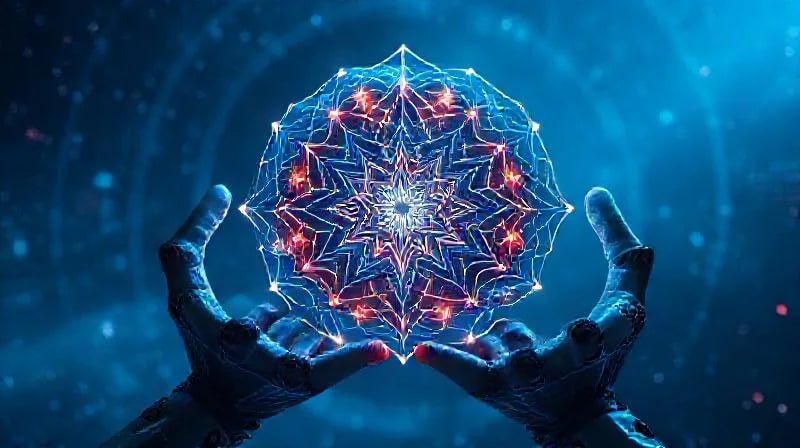 Conceptual rendering of the intricate dance between artificial intelligence and the profound depths of human consciousness, symbolizing the digital age's quest to understand our inner narratives.
This conceptual artwork, a render by AI, explores the complex interplay of technology and the subconscious, reflecting the evolving understanding of dreams.
Table of Contents
- Introduction to AI Dream Interpretation
- The Mechanics of AI in Dream Analysis
- Ethical Imperatives: Privacy and Data Security
- The Challenge of Algorithmic Bias
- Psychological Impacts and Misinterpretation Risks
- Autonomy, Consciousness, and the Digital Self
- Navigating Commercialization and Exploitation
- Towards Responsible AI Dream Interpretation
- The Future Landscape of Subconscious Algorithms
Introduction to AI Dream Interpretation
Dream interpretation, a practice as old as civilization itself, has historically relied on human intuition, cultural symbolism, and psychological theories. From ancient shamans to Freudian analysts, the quest to understand dreams has been a deeply personal and often subjective endeavor. Today, AI introduces a new paradigm, promising to bring data-driven analysis to this inherently mysterious domain.
The concept involves AI systems analyzing dream narratives provided by users, alongside other contextual data such as daily activities, emotional states, and even biometric information collected during sleep. By identifying patterns, correlations, and symbolic representations, these algorithms aim to offer interpretations that could potentially be more objective, comprehensive, or even predictive than traditional methods. This shift from human-centric to algorithm-centric interpretation marks a significant evolution in how we might engage with our subconscious.
The Mechanics of AI in Dream Analysis
At its core, AI dream interpretation leverages advanced machine learning techniques, particularly natural language processing (NLP) and pattern recognition. Users typically input detailed descriptions of their dreams, which are then processed by algorithms trained on vast datasets of dream reports, psychological theories, and symbolic dictionaries. The AI identifies recurring themes, emotional tones, and connections to waking life experiences.
Some sophisticated systems might even integrate data from wearable devices that monitor sleep cycles, heart rate, and brain activity, correlating physiological states with dream content. This multi-modal approach allows for a deeper, more contextual analysis, moving beyond mere symbolic translation to a more holistic understanding of the dreamer's mental and emotional landscape. The goal is to provide insights that can aid in self-discovery, problem-solving, or even therapeutic interventions.
Ethical Imperatives: Privacy and Data Security
The most immediate and critical ethical concern in AI dream interpretation is privacy. Dream narratives are inherently intimate, reflecting our deepest fears, desires, traumas, and aspirations. Handing over such sensitive data to an AI system, and by extension, to the companies that develop and operate them, raises significant questions about who owns this data, how it is stored, and who has access to it.
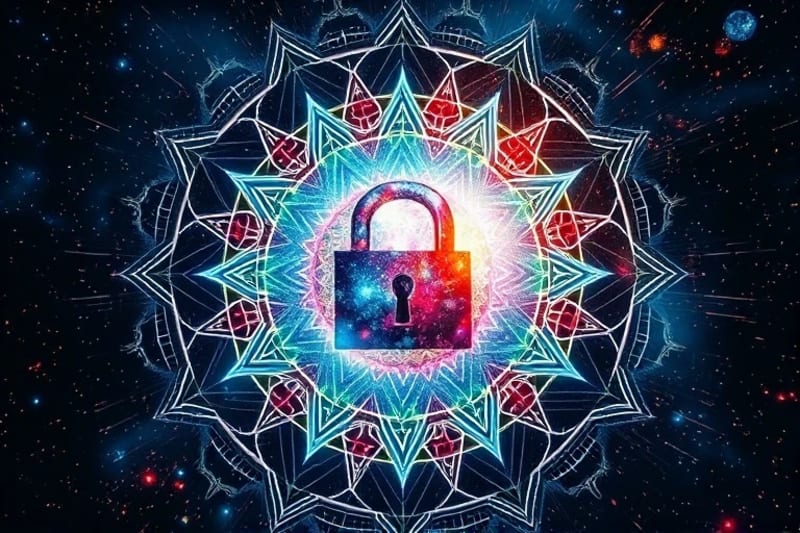 An abstract visualization of the delicate balance between digital security and the fragmented nature of dream data, highlighting the critical need for robust privacy protocols.
This digital painting, created by AI, symbolizes the complex challenges of protecting personal dream data in the age of advanced algorithms.
Robust data encryption, anonymization techniques, and strict access controls are paramount. Users must be fully informed about how their dream data will be used, whether it will be shared with third parties, and for what purposes. The potential for this highly personal information to be exploited for targeted advertising, psychological manipulation, or even discrimination is a serious threat that requires comprehensive regulatory frameworks and transparent ethical guidelines. The principles of Navigating Astral Planes: Advanced Conscious Exploration Techniques often emphasize personal sovereignty, a concept equally vital here.
The Challenge of Algorithmic Bias
AI systems are only as unbiased as the data they are trained on. If the datasets used to train dream interpretation algorithms predominantly reflect certain cultural perspectives, demographics, or psychological theories, the interpretations provided by the AI may exhibit significant biases. This could lead to misinterpretations that are culturally insensitive, perpetuate stereotypes, or fail to accurately reflect the diversity of human experience.
For instance, an algorithm trained primarily on Western psychological models might misinterpret dream symbols from non-Western cultures, leading to inaccurate or even harmful advice. Addressing algorithmic bias requires diverse and representative training data, continuous auditing of AI outputs, and the involvement of experts from various cultural and psychological backgrounds in the development process. Transparency in how algorithms are trained and what data they use is essential to mitigate these risks.
Psychological Impacts and Misinterpretation Risks
The interpretations provided by AI, even if well-intentioned, carry the risk of significant psychological impact. Dreams are often complex, multi-layered, and open to various interpretations. An AI's definitive pronouncement on the meaning of a dream, especially if inaccurate or oversimplified, could cause distress, anxiety, or lead individuals to make life decisions based on flawed advice. This is particularly true given the highly personal nature of dream content, which can touch upon deep-seated emotions and unresolved issues.
Moreover, an over-reliance on AI for dream interpretation might diminish an individual's capacity for self-reflection and personal insight. The process of interpreting one's own dreams, even with professional guidance, is often a journey of self-discovery. Delegating this entirely to an algorithm could strip away a valuable aspect of personal growth. The field of Astrology Dreams: Interpreting Planetary Messages Subconscious similarly highlights the nuanced and subjective nature of such interpretations.
Autonomy, Consciousness, and the Digital Self
As AI delves deeper into our subconscious, it raises philosophical questions about human autonomy and the nature of consciousness itself. If an AI can consistently and accurately interpret our dreams, influencing our understanding of ourselves, where does the boundary between human and machine insight lie? This interaction could fundamentally alter our relationship with our inner selves, potentially leading to an over-externalization of self-understanding.
The "digital self" created through AI analysis of our dreams might become a dominant narrative, overshadowing our subjective experience. Ensuring that individuals retain agency over their dream interpretations and personal narratives is crucial. AI should serve as a tool for augmentation, providing perspectives and data points, rather than as an ultimate authority on the meaning of our inner lives. The concept of Vibrational Linguistics Sigil Magic: Reality Creation often explores how personal belief and interpretation shape reality, a principle that should extend to dream analysis.
Navigating Commercialization and Exploitation
The commercial potential of AI dream interpretation is immense, but so are the risks of exploitation. Companies might seek to monetize dream data through highly personalized advertising, predictive analytics for insurance or employment, or by selling "insights" that are not truly beneficial to the user. The allure of understanding one's subconscious could be used to manipulate consumer behavior or personal choices.
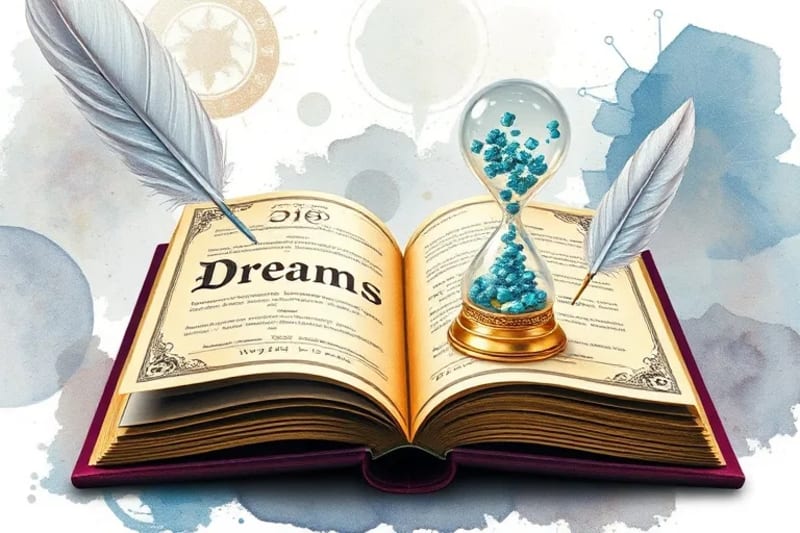 A contemplative arrangement of an ancient text alongside modern AI components and symbolic elements, illustrating the convergence of historical dream wisdom with contemporary technological advancements.
This 3D render, generated by AI, highlights the fascinating intersection of traditional dream lore and cutting-edge artificial intelligence.
Ethical guidelines must explicitly prohibit such exploitative practices. Clear consent mechanisms, data ownership rights, and independent oversight bodies are necessary to ensure that the commercial development of AI dream interpretation tools serves the user's best interests rather than corporate profit at the expense of individual well-being. The development of ethical business models that prioritize user empowerment over data extraction is crucial for the sustainable growth of this technology.
Towards Responsible AI Dream Interpretation
Developing AI dream interpretation ethically requires a multi-faceted approach involving technologists, ethicists, psychologists, legal experts, and policymakers. Key principles should include:
- Transparency: Clear disclosure of how algorithms work, what data they use, and the limitations of their interpretations.
- Accountability: Mechanisms for addressing errors, biases, and misuse of data, with clear lines of responsibility.
- User Control: Empowering users with full control over their data, including the right to access, modify, or delete their dream records.
- Human Oversight: Ensuring that AI interpretations are not taken as definitive truths but are presented as tools to aid human self-reflection or professional psychological guidance.
- Beneficence: Prioritizing the well-being and psychological health of the user above all other considerations.
These principles align with broader discussions around responsible AI development across all sectors, emphasizing the need for technology that serves humanity rather than controlling it. The insights gained from Techno Shamanism Digital Healing Ancient Rituals can also inform this, bridging ancient wisdom with modern tech for holistic well-being.
The Future Landscape of Subconscious Algorithms
The future of AI dream interpretation is poised to be a fascinating, yet challenging, landscape. As AI capabilities continue to advance, we can anticipate more sophisticated analyses, potentially even real-time dream tracking and interpretation. The integration of virtual and augmented reality could create immersive experiences that allow users to interact with their dreamscapes in novel ways, guided by AI insights.
However, the ethical considerations will only grow in complexity. The ongoing dialogue between technological innovation and ethical responsibility will be crucial in shaping a future where AI dream interpretation genuinely enhances human understanding and well-being without compromising privacy, autonomy, or the rich, subjective tapestry of our inner lives. The journey into the subconscious, guided by algorithms, must be undertaken with profound respect for the human spirit.
Explore More Insights
Delve deeper into related topics that illuminate the intersection of technology, consciousness, and personal growth:
- Mercury Sign Communication Intellect: Astrological Guide
- Humor's Path to Enlightenment: Spiritual Awakening
- Advanced Planetary Aspects Natal Chart Synthesis
- Five Element Personality Types: Chinese Zodiac Mastery
- Astrology Debt Abundance Financial Karma Unpacked
- Medical Astrology Health Natal Chart: Diagnosing Trends
- Daily Affirmations Zodiac Signs: Boost Your Day
- Chakra Balancing Basics: Aligning Energy Centers
- Planetary Rulers Houses Deeper Insights Chart
- Emerald Tablet Hermetic Principles Quantum Manifestation
- Feng Shui Nómadas Digitales Metaverso Armonizando Espacio Virtual
- Canto Gregoriano Neurociencia Sanación Profunda Meditación Sonora
Source: Hybrid content assisted by AI and human editorial supervision.


Comments
Post a Comment