
Techno Shamanism Digital Healing Ancient Rituals
In an increasingly interconnected world, the boundaries between ancient spiritual practices and cutting-edge technology are beginning to blur, giving rise to fascinating new movements. One such phenomenon is techno-shamanism, a contemporary approach that seeks to integrate the profound wisdom and healing modalities of traditional shamanism with the innovative tools and insights offered by the digital age. This emergent field explores how technology can facilitate spiritual growth, enhance well-being, and even replicate or augment experiences traditionally achieved through ancient rituals.
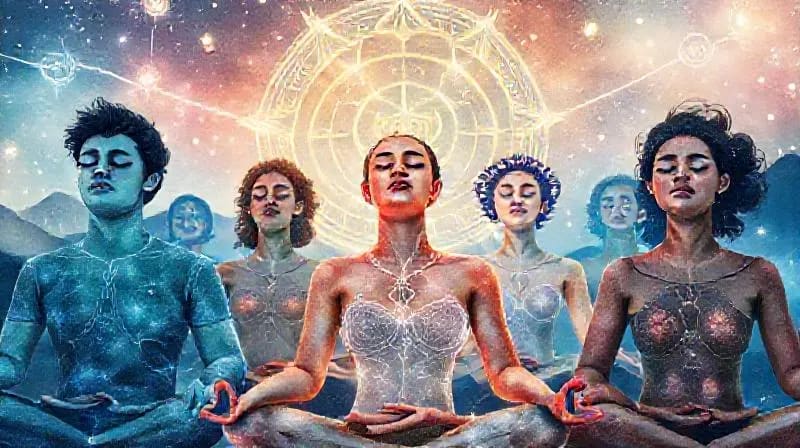
Precursors intellectuales, diagramas fundamentales y representaciones conceptuales que forjaron la visión del Techno-Shamanismo sobre la integración de lo ancestral y lo digital.
Fuente visual sujeta a disponibilidad del ecosistema: Wikimedia Commons bajo licencia CC BY-SA 4.0 o renderizado conceptual IA.
The concept of digital healing, a core tenet of techno-shamanism, encompasses a wide array of practices that leverage technology to promote physical, mental, and spiritual health. From virtual reality meditations to biofeedback-driven energy work, these methods aim to make spiritual exploration and therapeutic benefits more accessible and adaptable to modern lifestyles. This article will delve into the origins, practices, benefits, and challenges of techno-shamanism and digital healing, offering an introductory and educational perspective for those new to this intriguing intersection.
The Roots of Shamanism: A Brief Overview
To understand techno-shamanism, it is essential to first grasp the foundational principles of traditional shamanism. Shamanism, one of humanity's oldest spiritual practices, dates back tens of thousands of years and is found in diverse cultures across the globe. At its heart, shamanism involves a practitioner, the shaman, who acts as a bridge between the ordinary and non-ordinary realities, often entering altered states of consciousness to communicate with spirits, heal individuals, and guide communities.
Traditional shamans utilize various techniques to achieve these altered states, including rhythmic drumming, chanting, dancing, fasting, and the use of psychoactive plants. Their work is deeply rooted in a holistic worldview, recognizing the interconnectedness of all life and the spiritual dimensions of illness and well-being. The core functions of a shaman typically include healing, divination, soul retrieval, and guiding souls to the afterlife, all performed with a profound respect for nature and the spirit world.
The wisdom accumulated over millennia through these practices offers invaluable insights into human consciousness, healing, and our relationship with the cosmos. It is this ancient wisdom that techno-shamans seek to preserve and reinterpret through a contemporary lens, adapting it to the challenges and opportunities of the 21st century. The underlying principles of energy work and spiritual connection remain constant, even as the tools evolve.
The Digital Transformation: Bridging Worlds
The emergence of techno-shamanism is a natural evolution in a society increasingly reliant on technology for communication, information, and even personal development. Modern technology, far from being antithetical to spirituality, can serve as a powerful medium for exploring consciousness and facilitating healing. The digital realm provides new avenues for creating immersive experiences, generating specific frequencies, and connecting individuals across vast distances.
One of the primary ways technology intersects with spiritual practices is through the creation of altered states of consciousness. While traditional shamans might use drumming or plant medicines, techno-shamans might employ virtual reality (VR) environments, binaural beats, or neurofeedback devices to guide users into meditative or trance-like states. These tools can help individuals achieve deeper levels of relaxation, focus, and self-awareness, mirroring the effects sought in ancient rituals.
Moreover, the digital age has democratized access to spiritual knowledge and practices. Online platforms, apps, and communities make guided meditations, energy healing techniques, and shamanic teachings available to a global audience. This accessibility allows more people to explore these paths without needing to travel to remote locations or find a traditional shaman, fostering a broader understanding and appreciation for spiritual wisdom.
Key Components of Digital Healing
Digital healing encompasses a diverse range of technological applications designed to support spiritual and holistic well-being. These components often work in conjunction to create comprehensive healing experiences.
- Virtual Reality (VR) and Augmented Reality (AR) for Altered States: VR and AR technologies can create highly immersive environments that transport users to serene natural landscapes, cosmic journeys, or symbolic inner worlds. These experiences can facilitate deep meditation, visualization, and even simulate shamanic journeys, helping users explore their subconscious and connect with spiritual archetypes. The ability to control visual and auditory stimuli allows for precise guidance into specific states of consciousness.
- Biofeedback and Neurofeedback: These technologies monitor physiological responses like heart rate, brainwaves, and skin conductance, providing real-time feedback to the user. By learning to consciously regulate these responses, individuals can achieve states of deep relaxation, reduce stress, and improve mental clarity. In a shamanic context, this can be seen as a modern form of self-regulation to achieve desired states for healing or insight.
- Sound and Frequency Healing (Digital Formats): Ancient cultures understood the power of sound for healing and spiritual transformation. Today, digital audio technologies allow for the precise generation of binaural beats, isochronic tones, and specific frequencies believed to resonate with different energy centers or promote various states of mind. These digital soundscapes can be used for meditation, relaxation, and energy balancing, akin to the use of drums or chanting in traditional rituals.
- Online Communities and Guided Meditations: The internet fosters global communities where individuals can share experiences, receive support, and learn from virtual teachers. Platforms offering guided meditations, online workshops, and virtual ceremonies provide structured pathways for spiritual development and collective healing. This aspect of digital healing emphasizes the importance of community, even in a virtual setting, for spiritual growth.
- Wearable Technology and Biometric Tracking: Devices like smartwatches and fitness trackers can monitor sleep patterns, stress levels, and activity, offering insights into one's overall well-being. While not directly spiritual, this data can inform personalized digital healing practices, helping individuals understand their body's responses and tailor their spiritual routines for optimal benefit.
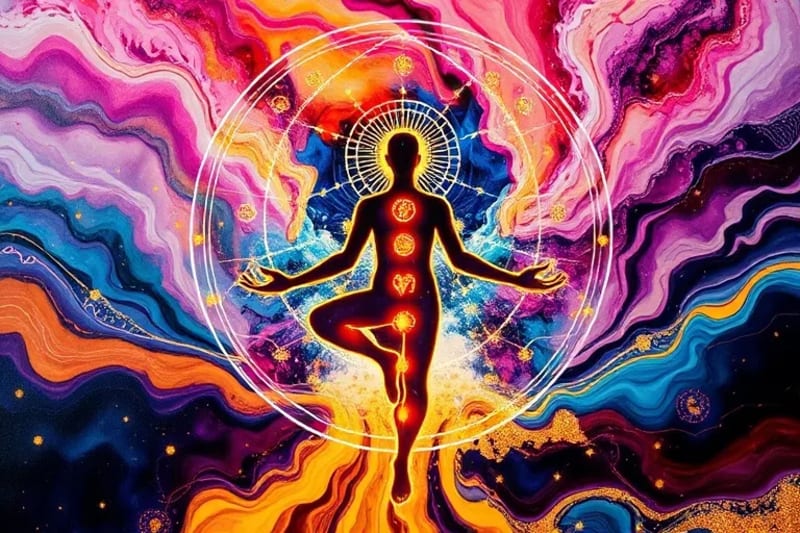
Visualización de herramientas de curación digital, mostrando la interacción entre la tecnología y los centros energéticos del cuerpo.
Benefits and Potential of Techno-Shamanism
The integration of ancient wisdom with modern technology offers a multitude of benefits for individuals seeking holistic well-being and spiritual exploration. One of the most significant advantages is enhanced accessibility. Digital platforms remove geographical and financial barriers, making spiritual practices available to a broader audience, including those in remote areas or with limited mobility. This democratization of spiritual tools can foster a global awakening to the power of inner work.
Another key benefit lies in the precision and personalization that technology can offer. Unlike traditional methods that rely heavily on the shaman's intuition, digital tools can provide objective data and tailored experiences. For example, biofeedback devices can help individuals understand their unique physiological responses to stress, allowing them to develop personalized strategies for relaxation and emotional regulation. This scientific approach can complement intuitive practices, offering a more comprehensive path to healing.
Techno-shamanism also provides new avenues for exploring altered states of consciousness in a controlled and safe environment. VR experiences can simulate profound journeys without the use of psychoactive substances, making deep spiritual exploration accessible to those who prefer or require a drug-free approach. These controlled environments can be particularly beneficial for therapeutic purposes, allowing individuals to process trauma or explore personal insights in a guided setting.
The potential for community building is also immense. Online forums, virtual gatherings, and live-streamed ceremonies connect like-minded individuals globally, fostering a sense of belonging and shared purpose. This digital community can provide vital support for personal growth and collective healing, reinforcing the idea that spiritual journeys are not solitary endeavors. Engaging with these communities can also enhance one's manifestation techniques by aligning collective energy with individual desires.
Furthermore, digital healing can complement traditional therapeutic approaches, offering a holistic framework for mental and emotional health. Tools like guided meditation apps and neurofeedback can be integrated into daily routines, providing continuous support for stress reduction, anxiety management, and overall mental clarity. The synergy between ancient wisdom and modern science creates a powerful paradigm for contemporary well-being, helping to rebalance planetary imbalances as well, metaphorically speaking, through individual healing. More on this can be explored in articles about energy healing and planetary imbalances.
Challenges and Ethical Considerations
Despite its promising potential, techno-shamanism and digital healing face several challenges and ethical considerations that warrant careful attention. One significant concern is the issue of authenticity and cultural appropriation. Traditional shamanic practices are deeply embedded in specific cultural contexts and often involve years of apprenticeship and lineage. The digital adaptation risks superficiality or misrepresentation if not approached with respect and a genuine understanding of the source material.
The commercialization of spiritual practices is another ethical dilemma. As digital healing gains popularity, there is a risk of it becoming another consumer product, devoid of its deeper spiritual meaning. The commodification of ancient wisdom can lead to exploitative practices and a focus on profit over genuine healing and spiritual growth. It is crucial for practitioners and users alike to discern authentic offerings from mere commercial ventures.
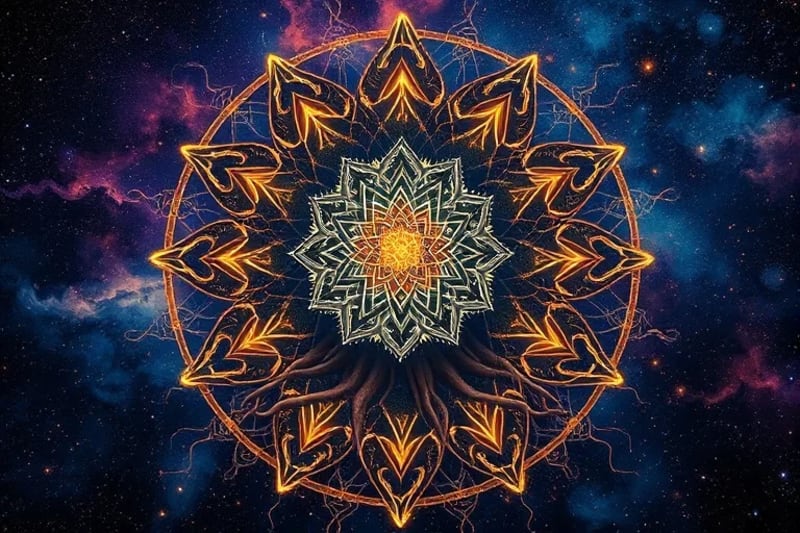
Representación abstracta de la fusión entre la sabiduría ancestral y la tecnología moderna, destacando la interconexión espiritual.
The digital divide also presents a challenge. While technology can increase accessibility for some, it simultaneously excludes those without access to reliable internet, devices, or the technical literacy required to navigate digital platforms. This can exacerbate existing inequalities, limiting the benefits of digital healing to a privileged few. Efforts must be made to ensure equitable access and inclusive design.
Furthermore, the potential for misuse or over-reliance on technology is a concern. While digital tools can be powerful aids, they should not replace the importance of direct human connection, personal responsibility, or critical thinking. There's a fine line between using technology as a supportive tool and becoming overly dependent on it, potentially hindering one's own inner development and intuitive capacities. For complex problem-solving, sometimes even subconscious solutions are unlocked through practices like automatic writing, which can be enhanced digitally but not fully replaced.
The Future of Techno-Shamanism
The trajectory of techno-shamanism suggests a future where spiritual practices become even more integrated with daily life through technological means. As VR and AR technologies become more sophisticated and affordable, immersive spiritual experiences will likely become commonplace. Imagine personalized spiritual guides powered by AI, adapting meditations and visualizations to your real-time emotional and physiological states. This could lead to highly individualized paths to spiritual growth, making profound experiences more attainable.
We may also see the development of more advanced biofeedback and neurofeedback systems that not only monitor but actively guide brainwave states to facilitate deep meditative or astral projection experiences. These systems could offer unprecedented control over one's consciousness, opening new frontiers for self-exploration and healing. The ethical implications of such powerful tools will require ongoing discussion and careful development to ensure responsible use.
The role of online communities will continue to expand, evolving into sophisticated virtual temples or healing circles where individuals can participate in collective rituals and share energy across geographical boundaries. These digital spaces could foster a new form of global spiritual interconnectedness, transcending traditional limitations and creating a sense of universal community. The blending of ancient ritual structures with modern digital interaction could redefine collective spiritual practice.
Ultimately, techno-shamanism represents a dynamic and evolving field that challenges our traditional notions of spirituality and healing. It invites us to consider how the tools we create can serve not only our material needs but also our deepest spiritual aspirations. By thoughtfully integrating ancient wisdom with modern technology, we can forge new pathways to consciousness expansion, personal well-being, and a more harmonized existence in the digital age.
Conclusion: A Symbiotic Path Forward
Techno-shamanism and digital healing stand as compelling testaments to humanity's enduring quest for meaning, connection, and well-being. By thoughtfully integrating the timeless wisdom of ancient rituals with the innovative capabilities of modern technology, this movement offers a unique and accessible path for spiritual exploration and holistic healing in the 21st century. It is a symbiotic relationship where technology amplifies ancient practices, making them relevant and impactful for a new generation.
As we navigate the complexities of contemporary life, the principles of interconnectedness, inner exploration, and holistic health remain more vital than ever. Techno-shamanism provides a framework for harnessing our technological prowess not just for convenience, but for profound spiritual transformation. It encourages us to look beyond conventional boundaries, embracing a future where the sacred and the digital can coexist, enriching our lives and expanding our understanding of what it means to be human in a rapidly evolving world.
Table of Contents
Explore Further: Related Insights
- Electional Astrology: Choosing Auspicious Timing
- Dragon Phoenix Synastry: Elemental Compatibility Dynamics
- 1st House Astrology: Identity, Self-Image, First Impressions
- Planetary Herbalism Urban Gardens: Cultivating Celestial Remedies
- Chinese Zodiac Conflicts: Turning Challenges into Growth
- Fixed Stars Galactic Center Natal Chart Soul Purpose
- Burbuja Inmobiliaria Global: Causas, Consecuencias Futuras (Althox)
- Ética IA Astrología: Algoritmo Predice Destino (AstroFuturo)
Source: Hybrid content assisted by AI and human editorial supervision.


Comments
Post a Comment