
Digital Nomads Feng Shui: Harmonizing Virtual Physical Spaces
The rise of digital nomadism has reshaped the way millions approach work and life, offering unparalleled freedom and flexibility. However, this lifestyle also presents unique challenges, particularly concerning the creation of stable and supportive environments. As digital nomads frequently move between locations, establishing a sense of home and a productive workspace can be elusive. This constant flux can impact well-being, focus, and overall productivity, making the integration of harmonizing practices more crucial than ever.
Feng Shui, an ancient Chinese art and science, offers profound insights into how our surroundings influence our energy, health, and prosperity. Traditionally applied to homes and offices, its principles are surprisingly adaptable to the transient nature of digital nomadism. By understanding how to arrange physical and even virtual spaces, nomads can cultivate environments that foster creativity, reduce stress, and enhance their nomadic journey. This guide explores how to apply Feng Shui to both your ever-changing physical locations and your increasingly dominant digital realm, ensuring a balanced and thriving lifestyle.
- 1. Understanding Feng Shui for the Modern Digital Nomad
- 2. Optimizing Your Physical Workspace: A Nomad's Guide
- 3. Harmonizing Your Virtual Environment: Digital Feng Shui
- 4. Integrating Well-being: Mind, Body, and Digital Balance
- 5. Practical Applications and Common Challenges
- 6. The Future of Nomadic Well-being and Feng Shui
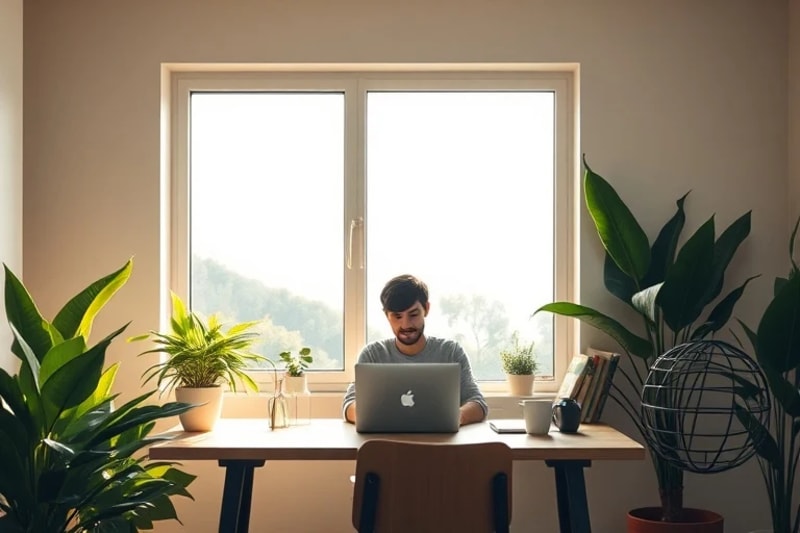
Visualizing a balanced and productive environment for the modern, location-independent professional.
Fuente visual sujeta a disponibilidad del ecosistema: Wikimedia Commons bajo licencia CC BY-SA 4.0 o renderizado conceptual IA.
1. Understanding Feng Shui for the Modern Digital Nomad
Feng Shui, which literally translates to "wind and water," is an ancient Chinese philosophical system of harmonizing everyone with their surrounding environment. It focuses on the flow of energy, or "Chi," and how it impacts our lives. For digital nomads, understanding these foundational concepts is key to transforming any temporary dwelling into a supportive sanctuary.
The core principles involve the Bagua map, the Five Elements (Wood, Fire, Earth, Metal, Water), and the concept of Yin and Yang. The Bagua map is an energy map that can be overlaid onto any space to identify areas corresponding to different life aspects, such as wealth, health, and career. By consciously arranging elements within these areas, nomads can enhance specific aspects of their lives, regardless of their current location.
The Five Elements represent different types of energy and are used to create balance and flow. Each element is associated with specific colors, shapes, materials, and even emotions. For instance, Wood represents growth and creativity, while Water signifies wisdom and flow. Recognizing and balancing these elements in a workspace can significantly influence mood and productivity.
Yin and Yang describe complementary forces that exist in everything, such as light and dark, active and passive. A balanced environment incorporates both, preventing stagnation or overstimulation. For a digital nomad, this might mean balancing intense work periods (Yang) with restful breaks (Yin) in a calming space. Understanding these elements can also be crucial when considering Chinese Zodiac Elements: Navigating Clashes Resolutions, which often draw from similar energetic principles.
2. Optimizing Your Physical Workspace: A Nomad's Guide
Even if your workspace changes every few weeks or months, applying basic Feng Shui principles can make a significant difference. The goal is to create a sense of stability, focus, and positive energy flow. This starts with mindful selection of your temporary living arrangements and extends to the daily setup of your work area, no matter how small.
Visualizing the seamless integration of online and offline elements for a harmonious nomadic lifestyle.
Desk Placement: The Commanding Position
One of the most crucial Feng Shui principles for a workspace is the "commanding position." This means your desk should be positioned so you can see the door without being directly in line with it. This provides a sense of security and control, allowing you to feel more relaxed and focused.
If a commanding position isn't possible, try to place a mirror strategically to reflect the door. Avoid sitting with your back to a door or window, as this can create a feeling of vulnerability and drain your energy. A solid wall behind you offers support and stability, which is especially important for those constantly on the move.
Decluttering and Organization
Clutter creates stagnant energy and can lead to mental fog and procrastination. For digital nomads, this means keeping both physical and digital spaces tidy. Regularly clear your desk, put away items you're not using, and maintain a minimalist approach to your belongings.
Even in temporary accommodations, a few minutes spent organizing can significantly improve the energy of your workspace. Consider using portable organizers or digital tools to keep things streamlined. This practice aligns with the broader concept of Feng Shui Chinese Zodiac Home Energy, emphasizing clear pathways for positive Chi.
Natural Light and Airflow
Natural light is vital for well-being and productivity, and fresh air circulates Chi. Position your workspace to maximize natural light and open windows whenever possible. If natural light is limited, use full-spectrum bulbs to mimic daylight and ensure good ventilation.
Avoid working in dark, stuffy corners, as this can lead to feelings of sluggishness and depression. A well-lit and airy space promotes clarity and vitality, essential for sustained focus during long work sessions. Even a small fan can help circulate energy in a confined space.
Color Psychology and Elements
Colors have a powerful impact on our mood and energy. Incorporate colors that support your work goals and personal well-being. For example, greens and blues (Wood and Water elements) promote calm and creativity, while earth tones (Earth element) offer stability and grounding.
Even small accents, like a colorful mug, a notebook, or a piece of art, can introduce beneficial elemental energy. Be mindful of excessive use of fiery reds or intense yellows, which can be overstimulating for a work environment. Aim for balance and subtle integration.
Plants and Nature
Bringing elements of nature into your workspace can significantly enhance Chi. Plants not only purify the air but also introduce living energy and a sense of growth. Choose low-maintenance plants like succulents or snake plants, which are ideal for a nomadic lifestyle.
If live plants are not feasible, incorporate natural elements through images, wooden accessories, or even a small bowl of polished stones. These connections to nature help ground you and reduce the feeling of being disconnected, a common challenge for digital nomads.
3. Harmonizing Your Virtual Environment: Digital Feng Shui
In the digital age, our virtual spaces are just as impactful as our physical ones. For digital nomads, the digital realm often serves as their primary "office" and connection point to the world. Applying Feng Shui principles to your digital environment can reduce mental clutter, improve focus, and enhance your digital well-being.
A conceptual representation of how ancient wisdom can guide the arrangement of modern digital tools.
Digital Decluttering: Your Desktop and Files
Just as physical clutter creates stagnant energy, a chaotic digital desktop or disorganized file system can lead to mental overwhelm. Regularly clean up your desktop, organizing files into logical folders. Delete unnecessary documents, screenshots, and downloads that accumulate over time.
Consider implementing a consistent naming convention for your files and folders. This practice not only saves time but also creates a sense of order and calm. A clean digital space allows your mind to focus more clearly on tasks at hand, reducing cognitive load.
Mindful Tech Use and Notifications
Constant notifications and distractions disrupt your Chi and pull your focus away from important work. Practice mindful tech use by turning off unnecessary notifications, especially during dedicated work blocks. Schedule specific times to check emails and social media.
Creating boundaries with your digital devices helps maintain a healthy energy flow. This prevents your virtual world from completely overwhelming your physical presence. It's about consciously managing your digital input to protect your mental space.
Cybersecurity as Protection
From a Feng Shui perspective, protection and security are vital for positive energy. In the digital realm, this translates to robust cybersecurity practices. Ensure your devices are protected with strong passwords, two-factor authentication, and up-to-date antivirus software.
A secure digital environment provides peace of mind, allowing you to work without the underlying stress of potential threats. This metaphorical "shielding" helps maintain a clear and protected energy field around your digital activities. It's an often-overlooked aspect of digital well-being.
Virtual Backgrounds and Aesthetics
For video calls, your virtual background can extend your personal Feng Shui. Choose backgrounds that are clean, uncluttered, and convey a sense of professionalism or calm. Avoid busy or distracting images that can drain energy from your interactions.
Similarly, your desktop wallpaper and screen saver can influence your mood. Opt for calming nature scenes, minimalist designs, or inspiring imagery. These visual elements contribute to the overall Chi of your digital workspace, even if subtly.
4. Integrating Well-being: Mind, Body, and Digital Balance
Feng Shui is not just about arranging objects; it's about creating an environment that supports your holistic well-being. For digital nomads, this means actively integrating practices that balance the demands of remote work with personal health. The constant travel and digital engagement can easily lead to burnout if not managed consciously.
Incorporating elements that promote physical comfort and mental clarity is paramount. This holistic approach ensures that your nomadic lifestyle is sustainable and enriching, rather than exhausting. It's about nurturing your inner Chi as much as your external surroundings.
Mindfulness and Meditation
Regular mindfulness and meditation practices are powerful tools for grounding yourself amidst constant change. Dedicate a small, clean corner of your temporary space for meditation or quiet reflection. Even a few minutes daily can significantly reduce stress and improve focus.
These practices help you connect with your inner self, creating a stable internal environment regardless of external shifts. This is a fundamental aspect of Mindful Energy Hygiene: Daily Practices for Well-being, ensuring your personal energy remains vibrant.
Ergonomics and Movement
Poor ergonomics can lead to physical discomfort and stagnant energy. While a fully ergonomic setup might be challenging for nomads, prioritize good posture and take regular breaks to move your body. Simple stretches or a short walk can reactivate Chi and prevent physical strain.
Consider portable ergonomic accessories like a laptop stand or an external keyboard and mouse. These small investments can make a big difference in maintaining physical comfort and energy flow, preventing common nomad ailments like back pain or wrist strain.
Digital Detox and Nature Connection
Consciously disconnect from your devices and immerse yourself in nature. This digital detox allows your mind to rest and recharge, balancing the intense Yang energy of constant screen time with the calming Yin energy of the natural world. Seek out local parks, beaches, or hiking trails.
Connecting with nature helps to ground your energy and provides a sense of stability that can be lacking in a transient lifestyle. It's a powerful way to replenish your Chi and maintain mental clarity, essential for long-term nomadic success.
5. Practical Applications and Common Challenges
Implementing Feng Shui as a digital nomad requires adaptability and creativity. Not every principle can be applied rigidly, especially in rented accommodations or co-working spaces. The key is to focus on what you can control and make small, incremental changes that have a cumulative positive effect.
Here are some practical tips and ways to overcome common challenges:
- Portable Feng Shui Kit: Carry a few small, meaningful items that represent the Five Elements or bring you comfort. This could be a small crystal (Earth), a mini water feature (Water), a wooden figurine (Wood), a metallic pen (Metal), or a red scarf (Fire). These items can instantly transform any space.
- Flexible Bagua Application: Instead of applying the Bagua to an entire apartment, apply it to your desk area. Identify the career sector of your desk and place items that support your professional goals there. This micro-application is highly effective for limited spaces.
- Energetic Cleansing: Regularly cleanse the energy of your temporary spaces. This can be as simple as opening windows, burning a natural candle or essential oil diffuser, or playing calming music. Visualizing positive energy filling the room can also be powerful.
- Co-working Space Strategies: In shared environments, focus on your immediate personal space. Use headphones to create an auditory boundary, keep your desk tidy, and position yourself to avoid having your back to high-traffic areas. A small plant or a personal item can help define your energetic zone.
- Digital Boundaries: Establish clear "work hours" and "off hours" for your digital devices. This helps separate your professional energy from your personal relaxation time, preventing burnout. It also reinforces the concept of Sacred Geometry Universal Patterns Creation: Unveiling Cosmic Design by establishing clear energetic boundaries.
The goal is not perfection, but consistent effort. Each small adjustment contributes to a more harmonious and supportive environment, enhancing your overall nomadic experience. Embracing these practices allows you to carry a sense of stability and well-being with you, no matter where your travels take you.
6. The Future of Nomadic Well-being and Feng Shui
As digital nomadism continues to grow, the emphasis on well-being and sustainable living will only intensify. Feng Shui offers a timeless framework for addressing these needs, providing practical tools for creating supportive environments in an increasingly transient world. Its adaptability makes it particularly relevant for those who continually redefine their living and working spaces.
The integration of ancient wisdom with modern challenges highlights a growing trend towards holistic living. Digital nomads are not just seeking freedom; they are seeking a fulfilling and balanced life. By consciously applying Feng Shui principles, they can transform the inherent challenges of constant movement into opportunities for growth and enhanced well-being.
Ultimately, Feng Shui for digital nomads is about empowering individuals to take control of their energetic surroundings. It's a reminder that even in the most temporary of spaces, we have the power to cultivate harmony, focus, and prosperity. This ancient practice provides a powerful compass for navigating the exciting, yet sometimes disorienting, landscape of global remote work.
Explore More Insights
Source: Hybrid content assisted by AI and human editorial supervision.


Comments
Post a Comment