
Synastry Attachment Theory Bridging Relationship Dynamics
In the intricate tapestry of human relationships, understanding the underlying dynamics is paramount for fostering deeper connections and mutual growth. The emerging field of Synastry Attachment Theory offers a groundbreaking lens through which to examine these dynamics, merging the ancient wisdom of astrology with contemporary psychological insights into attachment. This approach provides a comprehensive framework for analyzing how our innate attachment styles interact with the astrological blueprint of our relationships, revealing patterns of connection, conflict, and potential for evolution.

Celestial bodies intertwined by threads of light, symbolizing astrological and psychological bonds in relationships.
Traditional astrology, particularly synastry, has long offered profound insights into the compatibility and challenges between individuals by comparing their birth charts. Simultaneously, attachment theory, a cornerstone of modern psychology, illuminates how early life experiences shape our relational patterns. By integrating these two powerful disciplines, Synastry Attachment Theory seeks to uncover the celestial underpinnings of our attachment behaviors and how they manifest in our most significant bonds.
This article delves into the core tenets of this integrative approach, exploring how specific planetary placements and aspects in synastry can correlate with different attachment styles and influence the overall health and trajectory of a relationship. We will examine the foundational concepts of both fields and then illustrate how their synthesis can provide unparalleled clarity into relationship dynamics.
Understanding Attachment Theory: The Psychological Foundation
Attachment theory, pioneered by John Bowlby and further developed by Mary Ainsworth, posits that humans have an innate need to form strong emotional bonds with primary caregivers. These early interactions shape our "internal working models" of relationships, influencing how we perceive ourselves, others, and the world. These models, in turn, manifest as distinct attachment styles in adulthood.
The four primary adult attachment styles are:
- Secure Attachment: Individuals with secure attachment typically feel comfortable with intimacy and interdependence. They are able to balance closeness with autonomy, trust their partners, and effectively manage conflict.
- Anxious-Preoccupied Attachment: Characterized by a strong desire for intimacy, approval, and responsiveness from partners, often leading to a fear of abandonment. These individuals may be overly dependent and highly sensitive to perceived rejection.
- Dismissive-Avoidant Attachment: People with this style tend to value independence and self-sufficiency highly, often suppressing emotions and avoiding deep emotional intimacy. They may appear aloof or uncomfortable with closeness.
- Fearful-Avoidant (Disorganized) Attachment: This style is a complex mix of anxious and avoidant tendencies. Individuals desire intimacy but also fear it, often due to past trauma or inconsistent caregiving. They may exhibit unpredictable behaviors, pushing partners away while simultaneously craving connection.
These styles are not rigid categories but rather spectrums, and individuals can exhibit traits from multiple styles depending on the relationship context. Understanding one's own attachment style and that of a partner is a crucial step towards building healthier, more fulfilling relationships.
Fundamentals of Synastry: The Astrological Blueprint
Synastry is an astrological technique that overlays two birth charts to analyze the energetic interplay between individuals. It highlights areas of harmony, challenge, attraction, and growth. Key astrological components examined in synastry include:
- Personal Planets (Sun, Moon, Mercury, Venus, Mars): These planets represent our core identity, emotional nature, communication style, values, and drive. Their inter-aspects are crucial for understanding daily relational dynamics.
- Outer Planets (Jupiter, Saturn, Uranus, Neptune, Pluto): These planets indicate broader themes, life lessons, and transformative influences that impact the relationship over time.
- Angles (Ascendant, Descendant, Midheaven, Imum Coeli): These points define our self-presentation, how we relate to others, career path, and home life, respectively. Inter-aspects to these angles are highly significant.
- Houses: When one person's planet falls into another's house, it activates that area of life for the house owner, indicating where and how the relationship's energy will manifest.
- Aspects: The angular relationships between planets in the two charts (e.g., conjunctions, oppositions, squares, trines, sextiles) reveal the nature of the interaction—harmonious, challenging, or dynamic.
By meticulously analyzing these elements, synastry can uncover deep layers of compatibility and areas requiring conscious effort. For a deeper dive into how planetary positions influence our connections, consider exploring resources on Venus Sign Decoding: Love, Values, Relationships Guide, which offers insights into the astrological representation of our romantic inclinations.
Integrating Synastry and Attachment Styles: A New Perspective
The core premise of Synastry Attachment Theory is that specific astrological configurations in a synastry chart can either reinforce or challenge an individual's inherent attachment style, as well as influence how those styles interact within a relationship. It suggests that our birth chart, particularly the Moon, Venus, and Saturn placements, may offer clues to our predispositions towards certain attachment behaviors.
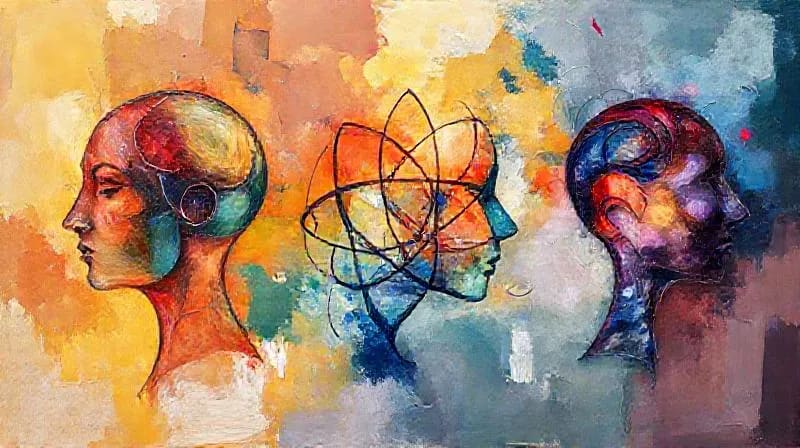
Abstract digital painting depicting secure, anxious, and avoidant attachment styles through geometric shapes and colors.
For instance, a strong, harmonious Moon in synastry (e.g., Moon trine Moon, Moon conjunction Venus) might correlate with a greater capacity for emotional security and nurturing, supporting a balanced emotional dynamic. Conversely, challenging aspects involving the Moon, Saturn, or outer planets could indicate areas where attachment wounds are triggered or where emotional needs are difficult to meet.
Let's explore potential correlations:
- Secure Attachment & Synastry: Often supported by harmonious Moon-Moon, Moon-Venus, or Moon-Jupiter aspects, indicating emotional ease, mutual understanding, and a sense of safety. Saturn in harmonious aspect can provide stability without rigidity.
- Anxious-Preoccupied Attachment & Synastry: May be exacerbated by challenging Moon-Neptune aspects (idealization, confusion), Moon-Pluto (intensity, control issues), or Venus-Pluto (obsessive tendencies, power struggles). Strong 7th house overlays or a partner's planets in the 12th house could also trigger fears of abandonment or hidden issues.
- Dismissive-Avoidant Attachment & Synastry: Could be reinforced by strong Saturn aspects (emotional boundaries, detachment), Uranus aspects to personal planets (need for freedom, emotional distance), or a lack of water element emphasis in the synastry, leading to difficulty expressing emotions.
- Fearful-Avoidant Attachment & Synastry: Often a complex interplay, potentially involving challenging aspects from Pluto, Neptune, or Uranus to personal planets, especially the Moon or Venus. This can create a push-pull dynamic, where intimacy is both desired and feared, leading to unpredictable relationship patterns.
Key Astrological Aspects and Their Attachment Implications
Specific planetary interactions in synastry can illuminate the nuances of attachment dynamics:
| Astrological Aspect | Potential Attachment Implications |
|---|---|
| Moon-Moon Aspects | Conjunctions and trines foster emotional resonance and security (secure). Squares and oppositions can lead to emotional misunderstandings or unmet needs (anxious/avoidant triggers). |
| Moon-Saturn Aspects | Harmonious aspects (trine, sextile) offer stability and commitment. Challenging aspects (square, opposition, conjunction) can create emotional inhibition, fear of vulnerability, or feelings of criticism, potentially reinforcing avoidant tendencies or triggering anxious fears of inadequacy. |
| Venus-Mars Aspects | These indicate attraction and passion. Harmonious aspects suggest dynamic, balanced desire. Challenging aspects can lead to power struggles or difficulty in expressing needs, potentially exacerbating anxious or avoidant patterns in how desire is pursued or withheld. |
| Moon-Uranus Aspects | Can bring excitement and independence but also emotional instability and unpredictability. May challenge secure attachment by introducing a need for excessive freedom, or trigger anxious attachment due to inconsistency. |
| Moon-Neptune Aspects | Can foster deep empathy and spiritual connection but also illusion, confusion, or codependency. May contribute to anxious attachment through idealization or a blurring of boundaries, or fearful-avoidant due to a lack of clear emotional ground. |
| Moon-Pluto Aspects | Signify intense emotional bonds, transformation, and power dynamics. Can lead to deep intimacy but also control issues, manipulation, or emotional upheaval, strongly impacting anxious, avoidant, or disorganized attachment styles. |
| North Node/South Node Aspects | Connections to the Lunar Nodes can indicate karmic or destined relationships, highlighting areas of growth and past life patterns that influence current attachment behaviors. This can be particularly relevant for understanding the evolutionary path of the soul in relationships, as explored in Progressed Charts: Soul's Evolution, Life Cycles Unveiled. |
Practical Applications and Self-Awareness
The true power of Synastry Attachment Theory lies in its practical application. By understanding the astrological indicators that correlate with certain attachment dynamics, individuals and couples can:
- Identify Triggers: Recognize which planetary aspects or placements in synastry might activate their own or their partner's attachment wounds. For example, a partner's Saturn conjunct one's Moon might trigger feelings of inadequacy or emotional withdrawal if one has an anxious attachment style.
- Foster Empathy: Gain a deeper appreciation for why a partner behaves a certain way, understanding that some patterns are rooted in deep-seated psychological and energetic predispositions. This can shift blame to understanding.
- Promote Conscious Relating: Move beyond unconscious reactions to consciously choose healthier responses. If a challenging Moon-Pluto aspect suggests power struggles, couples can work on empowering each other rather than seeking control.
- Cultivate Growth: Use challenging aspects as opportunities for personal and relational growth. Saturn aspects, while difficult, can build resilience and commitment. Uranus aspects can encourage healthy individuation within the relationship.
- Enhance Communication: Learn to articulate needs and boundaries more effectively, especially when astrological indicators suggest potential communication blocks or emotional sensitivities.

Conceptual 3D render of intricate gears and cogs, symbolizing relationship mechanics and psychological interplay.
This integrated approach encourages a proactive stance toward relationship challenges, viewing them not as insurmountable obstacles but as invitations for deeper self-discovery and relational maturity. The journey of understanding our Zodiac Myths and Archetypes can further enrich this process, providing a rich symbolic language for our inner worlds.
Limitations and Ethical Considerations
While Synastry Attachment Theory offers compelling insights, it is crucial to approach it with an understanding of its limitations. Astrology is a symbolic language and a tool for self-understanding, not a deterministic force. It highlights potentials and predispositions, but free will and conscious effort remain paramount.
Ethically, this approach should be used to empower individuals, not to label or excuse problematic behaviors. It is a framework for deeper introspection and compassionate understanding, encouraging individuals to take responsibility for their relational patterns and work towards healing and growth. Professional psychological support should always be sought for deep-seated attachment issues or relationship crises.
The goal is not to predict the "success" or "failure" of a relationship based on a chart, but to provide a roadmap for navigating its complexities with greater awareness and intention. By integrating the wisdom of the cosmos with the insights of the psyche, we can build more resilient, authentic, and fulfilling connections.
Conclusion: Bridging Worlds for Deeper Connection
Synastry Attachment Theory represents an exciting frontier in understanding human relationships. By weaving together the predictive and descriptive power of synastry with the profound psychological insights of attachment theory, it offers a holistic perspective on why we connect the way we do. This integrated framework provides invaluable tools for self-awareness, empathy, and conscious relationship building, empowering individuals to transform their relational patterns and forge bonds that are both deeply satisfying and conducive to personal evolution.
As we continue to explore the intricate dance between celestial influences and psychological predispositions, Synastry Attachment Theory promises to unlock new pathways to understanding love, intimacy, and the profound journey of human connection.
Explore Further Insights
- Rat Dragon Business Synastry Entrepreneurial Success
- Pisces Zodiac Sign: Spiritual Awakening, Creative Expression
- Venus Sign Decoding: Love, Values, Relationships Guide
- Progressed Charts: Soul's Evolution, Life Cycles Unveiled
- Advanced Planetary Dignities Synastry Relationship Potentials
- Zodiac Myths Archetypes Modern Spiritual Self-Discovery Journey
- Sacred Geometry Ritual: Energetic Templates for Transformation
- Uranus Astrology: Awakening, Rebellion, Birth Chart Insights
- Reiki Healing: Universal Life Force Energy Explained
- Sigil Magic: Crafting Symbols for Manifestation
- Palmistry Hand Analysis Destiny Unlocking: Your Guide
- Auspicious Dates Times Electional Astrology Business Ventures
- Chrono-Astrology Ancestral Echoes Personal Time Cycles Precision
- Past Life Regression Birth Chart: Unveiling Soul Contracts
- Elemental Balance: Birth Chart Dynamics Explained
- Vigencia Paradigma Lovelace Programación Cuántica IA
- Astro-Gastronomía Consciente: Recetas Intuitivas Armonización Chakras Signos
- Sincronicidad Cuántica Cerebral: Neuroastrología Intuición
Source: Hybrid content assisted by AI and human editorial supervision.


Comments
Post a Comment