
Psycho-Astrology: Jungian Archetypes Shadow Self Mastery
Psycho-Astrology: Integrating Jungian Archetypes for Shadow Self Mastery
Psycho-astrology represents a profound convergence of two powerful disciplines: the ancient wisdom of astrology and the depth psychology pioneered by Carl Jung. This interdisciplinary approach offers a unique lens through which to understand the complexities of the human psyche, particularly in identifying and integrating the often-elusive "shadow self." By mapping Jungian archetypes onto the astrological birth chart, individuals gain unparalleled insights into their unconscious patterns, motivations, and hidden potentials, paving the way for profound personal transformation and self-mastery.

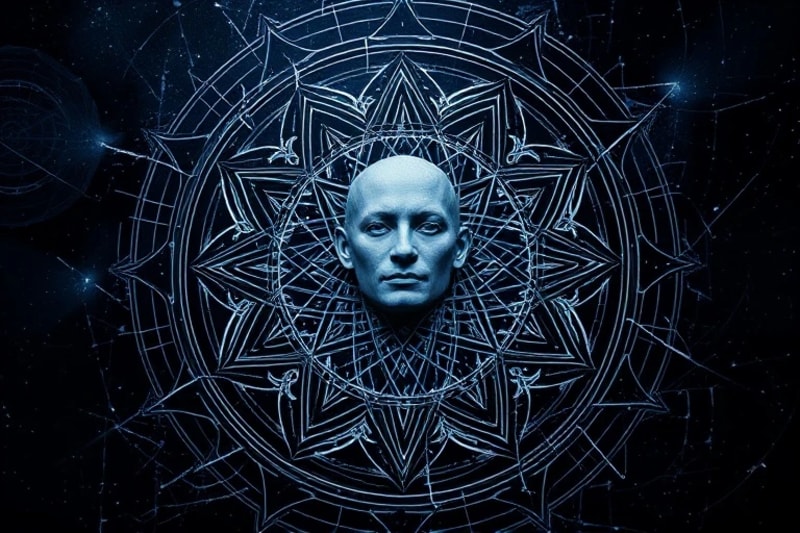
Conceptual representation of the intricate interplay between Jungian archetypes and astrological influences, illustrating the foundational elements of shadow self mastery.
Fuente visual sujeta a disponibilidad del ecosistema: Wikimedia Commons bajo licencia CC BY-SA 4.0 o renderizado conceptual IA.
The synergy between these fields is not merely coincidental; both astrology and Jungian psychology delve into symbolic language, archetypal patterns, and the cyclical nature of human experience. Astrology provides a cosmic blueprint of an individual's inherent energies and life path, while Jung's work offers a framework for understanding the universal psychic structures that manifest through these energies. Together, they form a comprehensive system for self-exploration.
Table of Contents
- Foundations of Jungian Archetypes
- Astrological Correlations of Archetypes
- The Shadow Self in Astrology
- Identifying the Shadow in the Natal Chart
- Strategies for Shadow Integration and Mastery
- Benefits of Shadow Self Mastery
- Conclusion
Foundations of Jungian Archetypes
Carl Jung's theory of archetypes posits that humanity shares a "collective unconscious," a reservoir of universal patterns and images derived from our ancestral experiences. These archetypes are not inherited ideas but rather predispositions to react in certain ways, shaping our perceptions, behaviors, and personality. Understanding these fundamental archetypes is crucial for any deep psychological work.
Key Jungian archetypes include:
- The Persona: This is the mask we present to the world, the role we play in society. It's often a compromise between our true self and societal expectations. While necessary for social functioning, an overly developed Persona can lead to a disconnect from our authentic self.
- The Anima/Animus: These represent the unconscious feminine qualities in men (Anima) and masculine qualities in women (Animus). They are crucial for understanding our relationships, projections, and inner balance.
- The Shadow: Perhaps the most significant for psycho-astrology, the Shadow embodies the repressed, disowned, and unacknowledged aspects of our personality. It contains both negative traits we deem unacceptable and positive potentials we have not integrated.
- The Self: The central archetype, representing the totality of the psyche, conscious and unconscious. It is the ultimate goal of individuation, the process of becoming a whole and integrated individual.
Astrological Correlations of Archetypes
The astrological birth chart provides a rich symbolic language that directly correlates with Jungian archetypes. Each planet, sign, and house can be seen as an archetypal expression, offering clues to how these universal patterns manifest in an individual's life. For instance, the Sun often represents the ego and the hero archetype, while the Moon symbolizes the mother archetype and our emotional core.
Consider the following correlations:
- Sun: The Hero, the King/Queen, the Ego. Represents conscious identity, vitality, and purpose.
- Moon: The Mother, the Child, the Nurturer. Governs emotions, instincts, and security needs.
- Mercury: The Messenger, the Trickster, the Thinker. Relates to communication, intellect, and adaptability.
- Venus: The Lover, the Artist, the Goddess. Represents values, relationships, and aesthetic appreciation.
- Mars: The Warrior, the Pioneer, the Aggressor. Governs drive, assertion, and courage.
- Jupiter: The Sage, the Benefactor, the Explorer. Associated with expansion, wisdom, and optimism.
- Saturn: The Father, the Taskmaster, the Elder. Represents discipline, structure, and responsibility.
- Outer Planets (Uranus, Neptune, Pluto): These often signify collective archetypal forces and transpersonal experiences, reflecting societal shifts and deep psychological transformations.
The signs of the zodiac further refine these archetypal expressions. For example, a Mars in Aries might embody the Warrior archetype with raw, impulsive energy, while a Mars in Libra might express it through strategic negotiation or a fight for justice. For a deeper understanding of specific zodiacal influences, exploring resources like the Capricorn Zodiac Sign: Traits, Compatibility, Life Path can provide valuable context.

A visual metaphor for the interconnectedness of Jungian archetypes within the human psyche.
The Shadow Self in Astrology
The Shadow is arguably the most potent and often misunderstood archetype. It comprises everything we have disowned about ourselves, both positive and negative. These are the parts of our personality that we deem unacceptable, shameful, or simply too difficult to integrate into our conscious self-image. Paradoxically, the Shadow also holds immense creative potential and unexpressed talents.
In psycho-astrology, the Shadow is not represented by a single planet or house, but rather by a combination of factors that indicate areas of repression, unconscious drives, and projected qualities. These can include:
- Opposite Signs and Houses: The sign directly opposite our Sun sign, or the house opposite our Ascendant, often reveals qualities we project onto others and struggle to embody ourselves. For example, a Leo Sun might struggle with the humility or analytical nature of Aquarius.
- Pluto and the 8th House: These are deeply associated with transformation, power dynamics, and hidden psychological material. Pluto's placement and aspects can highlight where we experience intense unconscious drives, fears, and the need for profound psychological regeneration.
- Unaspected Planets: Planets without major aspects to others in the chart can sometimes function as isolated, unintegrated energies, operating outside conscious awareness and potentially contributing to shadow manifestations.
- Retrograde Planets: While not inherently "shadowy," retrograde planets can indicate internal processing, delays, or a need to re-evaluate certain archetypal functions, which can lead to unconscious patterns if not consciously addressed.
Understanding the Shadow is not about eliminating it, but about acknowledging its existence and integrating its contents into conscious awareness. This process, known as "shadow integration," is vital for achieving psychological wholeness and preventing unconscious projections onto others.
Identifying the Shadow in the Natal Chart
A psycho-astrological analysis of the natal chart can pinpoint specific areas where the Shadow operates most strongly. This involves looking beyond the surface interpretations and delving into the deeper psychological implications of planetary placements and aspects. Here are some key areas to examine:
| Astrological Element | Shadow Manifestation | Integration Focus |
|---|---|---|
| 6th House & Virgo | Perfectionism, self-criticism, obsessive worry about health or routine, fear of inadequacy. | Embracing imperfection, self-compassion, finding joy in service without self-sacrifice. |
| 12th House & Pisces | Escapism, self-deception, victim mentality, difficulty with boundaries, hidden addictions. | Developing spiritual discernment, healthy boundaries, conscious connection to the collective unconscious. |
| Pluto Aspects | Power struggles, manipulation, intense fears, compulsive behaviors, repressed trauma. | Conscious use of personal power, confronting fears, psychological healing and transformation. |
| Chiron Placement | Deep-seated wounds, feelings of inadequacy, areas where we feel perpetually hurt or flawed. | Healing through service, transforming wounds into wisdom, becoming a "wounded healer." |
| Opposite of Sun Sign | Qualities we deny in ourselves but project onto others, leading to attraction or repulsion. | Acknowledging and developing the complementary qualities, balancing the ego's expression. |
The houses where challenging aspects (squares, oppositions) occur can also highlight areas where unconscious conflicts manifest. For example, a square between Mars and Saturn might indicate a struggle with expressing assertiveness (Mars) due to fear of authority or consequences (Saturn), leading to passive-aggressive behaviors or repressed anger that forms part of the Shadow.
A conceptual representation of the shadow self, often fragmented and distorted, awaiting integration.
Strategies for Shadow Integration and Mastery
Integrating the Shadow is a lifelong journey, not a destination. It requires courage, self-awareness, and a willingness to confront uncomfortable truths about oneself. Psycho-astrology offers powerful tools to guide this process:
1. Natal Chart Analysis for Shadow Indicators: Begin by thoroughly analyzing the astrological indicators mentioned above (Pluto, 8th/12th houses, challenging aspects, opposite signs). Identify the archetypal energies that are likely repressed or projected. For instance, if your chart shows a strong emphasis on the 11th House, you might explore how your aspirations and social circles are influenced by unconscious patterns. Learn more about this by reading 11th House Astrology: Friendships, Hopes, Social Circles.
2. Active Imagination and Dream Work: Jung advocated for active imagination, a technique where one engages in dialogue with figures from the unconscious, often encountered in dreams or meditation. Astrological symbols can provide prompts for this. For example, if Mars in Scorpio is a shadow indicator, one might actively imagine confronting a "Scorpio warrior" figure and asking what it needs or fears.
3. Projection Awareness: Pay close attention to what irritates or fascinates you intensely in others. These strong reactions are often indicators of projected shadow material. If you despise someone's arrogance, consider where you might be repressing your own confidence or desire for recognition. The natal chart can show which planetary energies are being projected.
4. Embracing Opposites: Consciously practice embodying the qualities of the signs or houses opposite to your dominant placements where the Shadow is suspected. If your Sun is in Aries, explore the diplomatic and relational aspects of Libra. This helps to balance the psyche and integrate disowned traits.
5. Creative Expression: The Shadow often holds immense creative energy. Engaging in artistic endeavors such as writing, painting, music, or dance can provide a safe outlet for these repressed energies, allowing them to be expressed constructively rather than destructively. This can be a powerful form of self-discovery and integration.
6. Ritual and Symbolic Action: Incorporate symbolic actions or rituals that acknowledge and integrate shadow aspects. This could be as simple as journaling about your shadow traits or engaging in practices like Astro-Linguistics Sigil Magic Words Manifestation to consciously direct unconscious energies towards healing and growth. Such practices help to externalize and process internal conflicts.
Benefits of Shadow Self Mastery
The journey of shadow integration, though challenging, yields profound rewards. Mastering the shadow self through psycho-astrology leads to a more authentic, empowered, and integrated existence. The benefits are far-reaching, impacting all areas of life:
- Increased Authenticity: By acknowledging and integrating all parts of yourself, you become more genuine and less reliant on the Persona, fostering deeper connections with others.
- Enhanced Personal Power: The energy previously spent suppressing shadow aspects is liberated, leading to increased vitality, creativity, and inner strength.
- Improved Relationships: Reduced projections mean less conflict and misunderstanding in relationships. You can see others more clearly when you're not projecting your own disowned traits onto them.
- Greater Emotional Resilience: Understanding your unconscious patterns allows for better navigation of emotional challenges and a reduction in self-sabotaging behaviors.
- Unleashed Potential: The Shadow often contains repressed talents and gifts. Integration allows these positive aspects to emerge and be utilized.
- A Sense of Wholeness: The ultimate goal of individuation, leading to a profound sense of inner peace and completeness.
Conclusion
Psycho-astrology offers a sophisticated and deeply personal pathway to shadow self mastery. By meticulously analyzing the natal chart through the lens of Jungian archetypes, individuals can uncover the hidden dynamics of their unconscious, confront their disowned parts, and embark on a transformative journey towards psychological wholeness. This integration is not about becoming "perfect," but about becoming complete, embracing both the light and the dark within, and ultimately living a more conscious and fulfilling life. The insights gained from this powerful synthesis empower individuals to navigate their inner world with greater wisdom and compassion, fostering true self-mastery.
Explore Further: Related Insights & Tools
Source: Hybrid content assisted by AI and human editorial supervision.


Comments
Post a Comment