
Feng Shui Digital Nomads Harmonizing Virtual Physical Spaces
In an increasingly interconnected world, the rise of digital nomadism has redefined the concept of the workspace. No longer confined to traditional offices, professionals now operate from diverse locations, from bustling co-working spaces to tranquil beachside villas. This flexibility, while liberating, presents unique challenges in maintaining balance and productivity. This is where the ancient art and science of Feng Shui offers profound insights, providing a framework to harmonize both virtual and physical environments for the modern remote worker.
Feng Shui, literally meaning "wind-water," is a traditional Chinese practice that uses energy forces to harmonize individuals with their surrounding environment. Its principles, rooted in Taoist philosophy, aim to optimize the flow of Chi (life force energy) to promote health, wealth, and well-being. For digital nomads, whose environments are constantly shifting, adapting these principles becomes crucial for creating stable, supportive, and inspiring work setups, regardless of their geographical location.
Table of Contents
The Essence of Feng Shui for the Modern Nomad | Optimizing Your Physical Workspace | Harmonizing Your Virtual Space | Integrating Chinese Zodiac Principles | The Nomad's Bagua Map | Maintaining Balance on the Go | Benefits Beyond Productivity
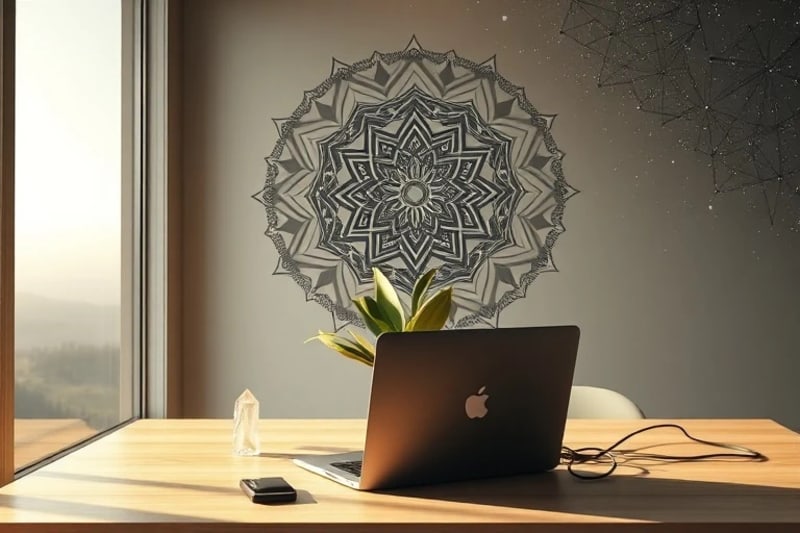
Precursors intellectuales, diagramas fundamentales y representaciones conceptuales que forjaron la visión de un entorno de trabajo equilibrado y productivo.
Fuente visual sujeta a disponibilidad del ecosistema: Wikimedia Commons bajo licencia CC BY-SA 4.0 o renderizado conceptual IA.The Essence of Feng Shui for the Modern Nomad
At its core, Feng Shui is about balancing the five elements (Wood, Fire, Earth, Metal, Water) and ensuring the smooth flow of Chi. For digital nomads, this means intentionally designing spaces that support their unique lifestyle, fostering creativity, focus, and emotional well-being. It's not just about aesthetics; it's about creating an energetic foundation that empowers their work and life.
The constant movement inherent in a nomad's life can disrupt energetic stability. Feng Shui provides tools to re-establish this stability, transforming temporary setups into power zones. By understanding how different elements interact, nomads can consciously choose items and arrangements that enhance their desired outcomes, whether it's increased productivity, better client relationships, or sustained creative inspiration.
Optimizing Your Physical Workspace
Even if your physical workspace changes frequently, certain principles can be applied universally. The goal is to create a sanctuary that supports your professional endeavors and personal growth. This involves mindful placement, decluttering, and integrating natural elements.
Location and Layout: The Commanding Position
The "commanding position" is fundamental in Feng Shui. This means your desk should be positioned so you can see the door without being directly in line with it. This provides a sense of security and control, allowing you to anticipate opportunities and challenges. Avoid sitting with your back to the door or facing a wall, as these positions can lead to feelings of vulnerability or stagnation.
Decluttering and Organization
Clutter is a major impediment to Chi flow. A clean, organized workspace promotes mental clarity and reduces stress. Regularly clear your desk, dispose of unnecessary items, and ensure everything has its designated place. This applies to both your immediate desk area and any surrounding shelves or storage. A minimalist approach often aligns well with the transient nature of digital nomadism.
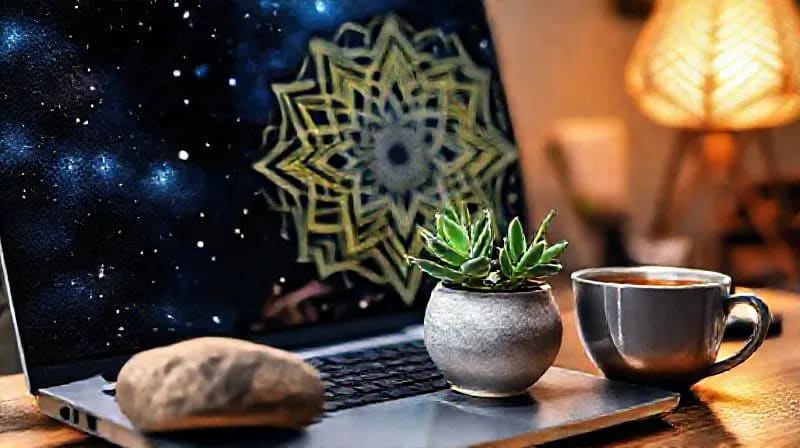
A well-arranged desk, incorporating natural elements, fosters concentration and positive energy flow.
The Five Elements in Practice
Balancing the five elements is key to a harmonious space. Each element corresponds to specific energies and can be incorporated through various objects:
- Wood: Represents growth, creativity, and new beginnings. Integrate with plants, wooden furniture, or green/brown colors.
- Fire: Symbolizes passion, recognition, and inspiration. Use candles, red/orange accents, or triangular shapes.
- Earth: Provides stability, grounding, and nourishment. Introduce ceramic items, square shapes, or yellow/brown tones.
- Metal: Enhances focus, organization, and precision. Incorporate metallic objects, white/grey colors, or round shapes.
- Water: Encourages flow, wisdom, and communication. Use mirrors, glass, dark colors, or wavy patterns.
A thoughtful blend of these elements can create a dynamic yet balanced environment. For instance, a small plant (Wood) next to a metallic laptop (Metal) on a wooden desk (Wood) with a blue mat (Water) can create a harmonious interplay of energies. Understanding these interactions can also be beneficial in understanding Synastry Attachment Theory Relational Dynamics Soul Contracts, as both disciplines emphasize balance and flow.
Light and Air Quality
Natural light is vital for good Chi. Position your workspace to maximize daylight exposure. If natural light is limited, use full-spectrum bulbs that mimic natural light. Ensure good air circulation, either through open windows or air purifiers, to keep the energy fresh and vibrant. Stagnant air can lead to stagnant energy and reduced productivity.
Color Psychology
Colors have a profound impact on mood and energy. Choose colors that support your work goals. Green and blue promote calm and creativity, while yellow and orange can stimulate optimism and focus. Avoid overly stimulating colors like bright red in large areas, as they can lead to restlessness. Subtle accents are usually more effective.
Harmonizing Your Virtual Space
In the digital age, our virtual spaces are just as important as our physical ones. Applying Feng Shui principles to your digital environment can significantly impact your focus, efficiency, and mental well-being. This is a frontier of modern Feng Shui, adapting ancient wisdom to contemporary challenges.
Digital Decluttering and Organization
Just like physical clutter, digital clutter can drain your energy and hinder productivity. Regularly organize your files, delete old documents, and clean up your desktop. A well-structured digital environment makes it easier to find what you need and reduces mental overhead. Consider adopting a consistent naming convention for files and folders to maintain order.
Desktop and Digital Aesthetics
Your desktop background, screen saver, and even the layout of your apps contribute to your digital Chi. Choose calming, inspiring images for your background, preferably those depicting nature or abstract art that evokes peace. Arrange your icons logically, grouping similar applications. Minimize distractions by closing unnecessary tabs and applications when focusing on a task.
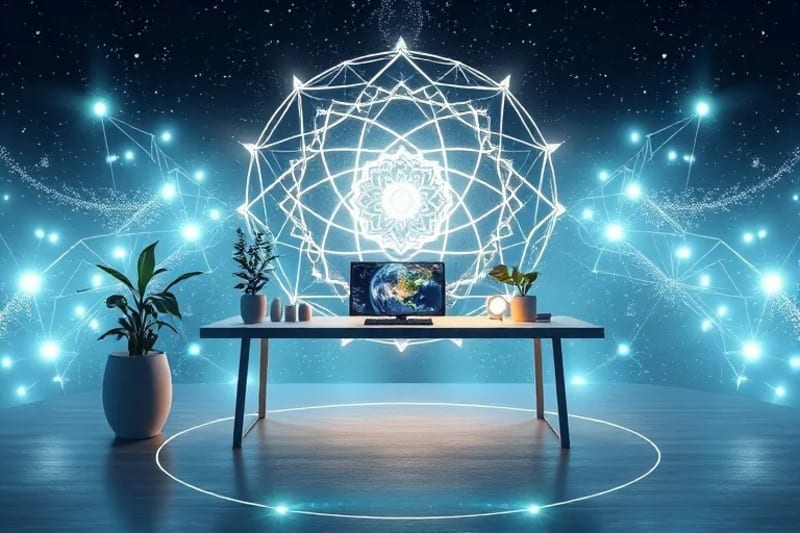
Conceptualizing the invisible energy flows that link our digital interactions with our physical presence.
Cybersecurity as Protection
In a metaphorical sense, robust cybersecurity acts as a protective barrier for your digital Chi. Unsecured networks, viruses, and data breaches can create significant energetic disruptions, leading to stress and loss. Ensuring your digital space is secure, updated, and protected is paramount for maintaining a harmonious workflow. This aligns with broader concerns about cybersecurity challenges in smart cities, emphasizing the need for digital protection everywhere.
Managing Digital Energy
Notifications, constant pings, and excessive screen time can fragment your focus and deplete your energy. Practice digital mindfulness by setting boundaries for notifications, scheduling specific times for email and social media, and taking regular screen breaks. This helps to preserve your mental Chi and allows for deeper concentration on your work. Techniques like those explored in astral projection, which involve mental discipline and focus, can offer parallels in managing digital distractions.
Integrating Chinese Zodiac Principles
For an even deeper layer of personalization, digital nomads can consider their Chinese Zodiac sign when applying Feng Shui. Each sign is associated with specific elements, characteristics, and energetic needs. Understanding your primary element and personality traits can guide you in choosing the most beneficial Feng Shui adjustments for your workspace.
For example, a person born in the Year of the Rat (Water element) might benefit from incorporating more Earth elements (stability, grounding) to balance their naturally fluid and adaptable nature. Conversely, a Dragon (Wood element) might thrive with more Fire elements to fuel their ambition and creativity, or Metal elements to enhance focus. This personalized approach ensures Feng Shui truly resonates with your individual energy. Further insights into how elements interact can be found when navigating Chinese Zodiac elements and their resolutions.
Here's a simplified guide to how different Chinese Zodiac signs might benefit from specific Feng Shui elements:
| Chinese Zodiac Sign | Associated Element | Recommended Feng Shui Enhancement |
|---|---|---|
| Rat, Pig | Water | Earth elements for grounding (ceramics, square shapes), Wood for growth (plants). |
| Tiger, Rabbit | Wood | Fire elements for inspiration (candles, red accents), Water for wisdom (dark colors, mirrors). |
| Snake, Horse | Fire | Earth elements for stability (stones, yellow tones), Wood for fuel (plants, wooden items). |
| Ox, Dragon, Goat, Dog | Earth | Metal elements for clarity (metallic objects, white), Fire for energy (red, triangular shapes). |
| Monkey, Rooster | Metal | Water elements for flow (glass, dark blue), Earth for support (browns, square shapes). |
The Nomad's Bagua Map
The Bagua map is a fundamental Feng Shui tool, dividing a space into nine areas, each corresponding to a different life aspect (wealth, career, relationships, etc.). For digital nomads, applying the Bagua isn't about rigidly mapping a fixed home, but rather understanding its energetic implications for their transient spaces.
Consider your entire digital nomad journey as your "home." When you set up a temporary workspace, mentally overlay the Bagua onto your desk or room. If you need to boost your career, ensure the "Career" area of your desk (often the front center) is clear and inspiring. If you're focusing on relationships, ensure the "Relationships" corner (back right) is clean and perhaps adorned with a pair of objects. This flexible application allows for intentional energy activation wherever you are.
Maintaining Balance on the Go
The true challenge for digital nomads is maintaining Feng Shui principles across multiple locations. The key is portability and adaptability. Carry a few small, meaningful items that represent your desired energy – a small crystal for clarity, a miniature plant for growth, or a specific color scarf for inspiration. These portable anchors can help you quickly infuse positive Chi into any new workspace.
Before settling into a new location, take a moment to assess the energy of the space. Is it cluttered? Does it feel dark or stagnant? Make small adjustments where possible: open windows, tidy up, rearrange furniture if feasible, or simply use your portable Feng Shui tools. Even a few minutes of intentional setup can make a significant difference in how you feel and perform in that space.
Benefits Beyond Productivity
While enhanced productivity and focus are significant benefits of applying Feng Shui, the advantages extend far beyond the professional realm. A harmonized environment contributes to overall well-being, reducing stress and fostering a sense of calm. It can also stimulate creativity, improve communication, and even positively impact personal relationships by creating a more balanced internal state.
For digital nomads, who often grapple with feelings of isolation or constant change, Feng Shui offers a powerful tool for self-care and grounding. It provides a sense of control and intentionality in an otherwise fluid lifestyle, helping to create a consistent energetic anchor regardless of where their journey takes them. This holistic approach to living and working is essential for long-term success and happiness in the nomadic lifestyle.
In conclusion, Feng Shui for digital nomads is not about rigid rules, but about adaptable principles. By thoughtfully applying these ancient wisdoms to both physical and virtual spaces, remote workers can cultivate environments that not only boost their professional output but also nourish their spirit and enhance their overall quality of life. Embracing these practices can transform the nomadic journey into a path of continuous growth, harmony, and well-being.
Related Searches
- Ogham Divination Celtic Tree Astrology Ancient Wisdom
- Karmic Ancestral Patterns Healing North South Node
- Advanced Synastry Midpoint Structures Axis Alignments Soul Contracts
- Sigil Magic: Manifesting Desires Through Symbols
Source: Hybrid content assisted by AI and human editorial supervision.


Comments
Post a Comment