
Psycho-Astrology Jungian Archetypes Shadow Mastery Wholeness
Psycho-Astrology: Jungian Archetypes and Shadow Self Mastery for Inner Wholeness
Psycho-astrology represents a profound intersection between the ancient wisdom of astrology and the depths of modern psychology, particularly the analytical psychology of Carl Jung. This integrative approach offers a unique lens through which to understand the intricate patterns of the human psyche, revealing how celestial configurations at the moment of birth correlate with innate psychological structures and developmental paths. By combining these two powerful disciplines, individuals can gain unparalleled insights into their core motivations, hidden potentials, and the unconscious forces that shape their lives.
At its heart, psycho-astrology is a journey of self-discovery, aiming to foster inner wholeness by acknowledging and integrating all facets of the self. It moves beyond simple personality descriptions to explore the dynamic interplay of archetypes, complexes, and the crucial concept of the shadow self. This holistic perspective empowers individuals to navigate their psychological landscape with greater awareness, leading to personal growth and a more integrated sense of being.
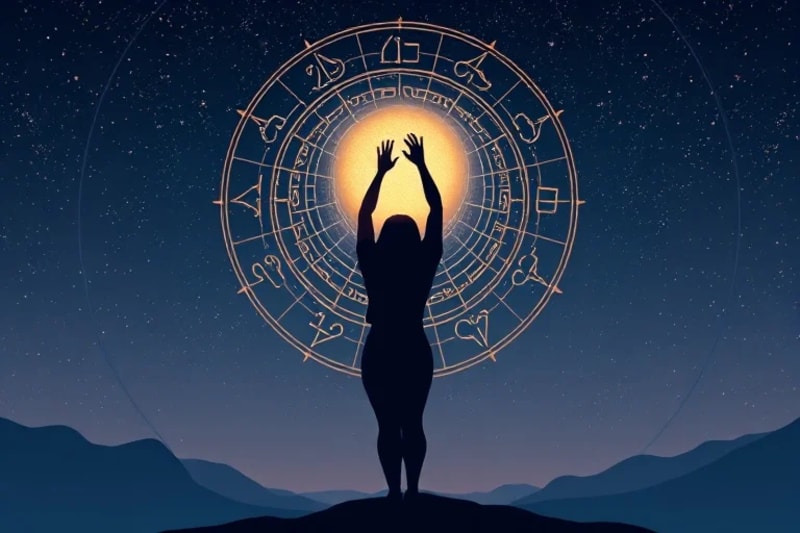 A contemplative journey through cosmic influences, symbolizing the quest for self-discovery and inner integration within the vastness of existence.
Fuente visual sujeta a disponibilidad del ecosistema: Wikimedia Commons bajo licencia CC BY-SA 4.0 o renderizado conceptual IA.
A contemplative journey through cosmic influences, symbolizing the quest for self-discovery and inner integration within the vastness of existence.
Fuente visual sujeta a disponibilidad del ecosistema: Wikimedia Commons bajo licencia CC BY-SA 4.0 o renderizado conceptual IA.
The concept of inner wholeness, or individuation as Jung termed it, is the ultimate goal of this psychological and astrological exploration. It involves a continuous process of integrating conscious and unconscious elements of the psyche, leading to a more complete and authentic self. Astrology provides the map, outlining the inherent energies and predispositions, while Jungian psychology offers the framework for understanding the psychological dynamics at play, particularly in the realm of the unconscious.
This article will delve into the foundational principles of psycho-astrology, exploring how Jungian archetypes manifest through the birth chart and the critical role of shadow self mastery in achieving inner wholeness. We will examine practical approaches to identifying and working with these psychological dimensions, offering a comprehensive guide for those seeking deeper self-understanding and personal evolution.
Table of Contents
- Understanding Jungian Archetypes in Astrology
- The Shadow Self: Unveiling Hidden Aspects
- Mastery for Inner Wholeness: Integration Techniques
- Practical Application: Birth Chart Analysis
- Conclusion: The Path to Integrated Self
Understanding Jungian Archetypes in Astrology
Carl Jung’s theory of archetypes posits that humanity shares a collective unconscious, a reservoir of universal patterns and images derived from ancestral experiences. These archetypes are not inherited ideas, but rather predispositions to react in certain ways, manifesting as recurring themes, symbols, and behaviors across cultures and individuals. In psycho-astrology, these archetypes find expression through the planetary placements, signs, and houses in a natal chart, offering a symbolic language for the psyche's deeper structures.
Each planet and zodiac sign can be associated with specific archetypal energies. For instance, the Sun often represents the Hero or the Self archetype, symbolizing our conscious identity and quest for purpose. The Moon, conversely, embodies the Great Mother or the Nurturer, reflecting our emotional needs, instincts, and unconscious patterns. Mars aligns with the Warrior or the Aggressor, denoting our drive and assertion, while Venus resonates with the Lover or the Artist, representing our values and capacity for connection.
Understanding these correlations allows for a richer interpretation of the birth chart. Instead of merely describing personality traits, we can explore the underlying archetypal dynamics that drive an individual's behavior and life experiences. For example, a prominent Jupiter might indicate the Sage or the Benefactor archetype, suggesting a natural inclination towards wisdom, expansion, and generosity, while a strong Saturn could point to the Father or the Taskmaster, emphasizing structure, discipline, and responsibility.
The interplay between these archetypes is crucial. A person's chart is not a collection of isolated archetypes but a dynamic system where these universal patterns interact, sometimes harmoniously, sometimes in conflict. This complex dance reveals the unique psychological blueprint of an individual, highlighting areas of strength, potential challenges, and opportunities for growth. The houses in the birth chart further specify the life areas where these archetypal energies are most actively expressed, providing a contextual layer to their manifestation.
The concept of archetypes also extends to the less conscious parts of the psyche. The Anima (the feminine principle in a man's unconscious) and Animus (the masculine principle in a woman's unconscious) are often reflected in the placement and aspects of Venus and Mars, or even the Moon and Sun in relation to the individual's gender identity. Integrating these inner opposites is a vital step towards psychological balance and wholeness, a process that astrology can illuminate by showing where these energies are expressed and how they can be consciously engaged.
 An abstract representation of the shadow self, subtly emerging from the depths of a birth chart, revealing hidden archetypal symbols.
The Shadow Self: Unveiling Hidden Aspects
Perhaps one of Jung's most impactful contributions is the concept of the "shadow self." The shadow comprises all the aspects of our personality that we deem unacceptable, undesirable, or simply unconscious. These can be negative traits like anger, jealousy, or selfishness, but also positive qualities that we have suppressed due to societal conditioning or personal fear, such as creativity, power, or vulnerability. The shadow is not inherently evil; it is merely unintegrated and often projected onto others.
In psycho-astrology, the birth chart offers significant clues to the nature and location of one's shadow. Planets in difficult aspects, particularly to the Sun or Moon, can indicate suppressed energies or traits that are hard to acknowledge. Pluto, the planet of transformation and the unconscious, is a primary indicator of shadow material. Its house placement and aspects reveal where intense, often hidden, psychological dynamics reside, pointing to areas where power struggles, fears, and unacknowledged desires may manifest.
The 8th house, traditionally associated with death, rebirth, and shared resources, also strongly correlates with the shadow. It represents the psychological depths, secrets, and the parts of ourselves that we keep hidden from others and often from ourselves. Planets residing in the 8th house, or its ruling planet, can highlight specific shadow themes related to control, intimacy, and transformation. Similarly, the 12th house, representing hidden enemies, self-undoing, and the unconscious, can also point to shadow aspects that operate beneath the surface of conscious awareness.
Ignoring the shadow does not make it disappear; instead, it often leads to projections, where we see our unacknowledged traits in others, or to self-sabotage and unconscious patterns that hinder our growth. Unintegrated shadow material can manifest as chronic self-criticism, unexplained fears, or repetitive negative experiences. Recognizing and beginning to integrate the shadow is a crucial step towards inner wholeness, as it reclaims lost parts of the self and transforms them into sources of strength and wisdom.
The process of shadow integration is not about eliminating these parts but about bringing them into conscious awareness and accepting them as aspects of the self. This acceptance allows for a more authentic expression of one's personality and reduces the energy spent on suppression. For those interested in understanding deeper karmic patterns related to the shadow, exploring Reincarnation Astrology: Tracing Past Lives Chart can provide additional context on how past life experiences might contribute to current shadow manifestations.
Mastery for Inner Wholeness: Integration Techniques
Achieving inner wholeness through shadow self mastery is an ongoing, transformative process. It requires courage, self-awareness, and a willingness to confront uncomfortable truths about oneself. The goal is not to become "perfect" but to become more complete and integrated. Here are several techniques, both psychological and astrological, that facilitate this journey:
- Active Imagination: Jung's technique of engaging with unconscious material through dreams, fantasies, and spontaneous imagery. In psycho-astrology, one can focus on planetary symbols or archetypal images from their chart during active imagination to uncover hidden meanings.
- Dream Analysis: Dreams are direct messages from the unconscious. By recording and analyzing dreams, especially recurring themes or symbols related to planetary aspects in the natal chart, individuals can gain insight into their shadow content.
- Projection Awareness: Noticing when you strongly react to a trait in another person, either positively or negatively. This can be a sign that you are projecting an unacknowledged part of your own shadow. Astrological aspects, especially squares and oppositions involving personal planets, can highlight areas prone to projection.
- Journaling and Self-Reflection: Regularly writing about feelings, reactions, and recurring patterns can help bring unconscious material to the surface. Focusing on challenging planetary transits or progressions can be particularly insightful.
- Embracing Paradox: Accepting that you can hold seemingly contradictory traits (e.g., being both strong and vulnerable, generous and selfish). The birth chart often displays these paradoxes through opposing signs or challenging aspects, encouraging their integration rather than suppression.
- Therapeutic Work: Working with a Jungian analyst or a psycho-astrologer can provide a safe and guided space to explore deep unconscious material and facilitate shadow integration.
The benefits of shadow integration are profound. It leads to increased self-acceptance, reduced internal conflict, and a greater sense of personal power. By reclaiming projected qualities, individuals become less reactive to others and more grounded in their own identity. This process also liberates creative energy that was previously tied up in suppression, allowing for a more vibrant and authentic life expression. Understanding how astrological energies align with our internal energy centers can further enhance this process, as detailed in Chakra-Astrology Integration: Energy Centers Birth Chart Alignment.
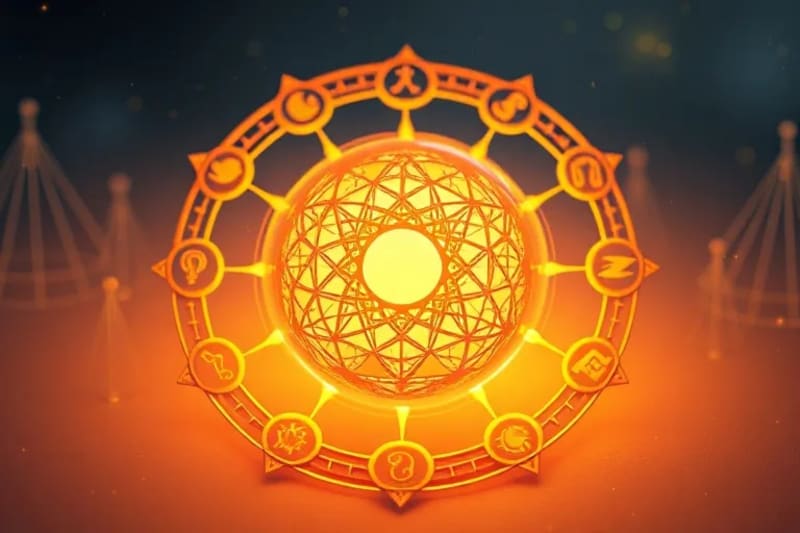 A harmonious 3D render illustrating the integrated self, where Jungian archetypes and astrological symbols converge into a glowing core of inner balance.
Practical Application: Birth Chart Analysis
Applying psycho-astrology to a birth chart involves a systematic approach to identify archetypal expressions and shadow indicators. The birth chart acts as a symbolic map of the psyche, offering clues to the individual's inherent psychological landscape. Here’s how to approach a practical analysis:
| Astrological Element | Jungian Archetypal Connection | Shadow Indicators |
|---|---|---|
| Sun Sign & House | Hero, Self, Ego. Represents conscious identity and life purpose. | Difficult aspects (squares, oppositions) to the Sun can indicate suppressed ego needs, fear of self-expression, or inflated ego. |
| Moon Sign & House | Great Mother, Child, Nurturer. Emotional core, instincts, unconscious patterns. | Challenging Moon aspects can reveal emotional wounds, dependency issues, or suppressed emotional needs. |
| Ascendant (Rising Sign) | Persona, the mask we show to the world. How we initiate action. | Discrepancy between Ascendant and Sun/Moon can indicate a persona that hides the true self, leading to inauthenticity. |
| Pluto & 8th House | Shadow, Transformer, Destroyer, Healer. Unconscious power, death, rebirth, hidden desires. | Direct indicators of shadow material, power dynamics, fears, and suppressed desires. Aspects reveal how these are expressed. |
| Saturn & 10th House | Father, Taskmaster, Senex. Structure, discipline, authority, limitations. | Difficult Saturn aspects or placement can point to feelings of inadequacy, fear of failure, or an overly critical inner parent. |
| Chiron | Wounded Healer. Core wounds and the potential for healing through them. | Chiron's placement and aspects highlight areas of deep insecurity or pain that, when integrated, become sources of empathy and wisdom. |
When analyzing the chart, look for patterns. Are there clusters of planets in certain houses or signs that emphasize particular archetypes? Are there challenging aspects (squares, oppositions, quincunxes) that indicate internal conflicts or unintegrated energies? These are often the areas where shadow work is most needed and where the greatest potential for growth lies. For example, a strong emphasis on the 12th house or challenging aspects to Neptune might suggest a need to explore unconscious patterns and illusions, which can be further informed by understanding Decoding Dream Symbolism: Metaphysical Keys Subconscious Wisdom.
The process is not about labeling oneself but about understanding the dynamic energies within. By consciously engaging with these archetypal forces and shadow aspects, individuals can move from being unconsciously driven to becoming active participants in their own psychological development. This leads to a more authentic and empowered existence, where inner conflicts are resolved and personal potential is fully realized.
Conclusion: The Path to Integrated Self
Psycho-astrology offers a rich and comprehensive framework for understanding the self, bridging the symbolic language of the cosmos with the profound insights of analytical psychology. By exploring Jungian archetypes and confronting the shadow self through the lens of the birth chart, individuals embark on a powerful journey towards inner wholeness, or individuation. This path is characterized by self-awareness, acceptance, and the conscious integration of all aspects of the psyche, both light and dark.
The synergy between astrology and Jungian psychology provides not just a diagnostic tool but a transformative guide. It illuminates the unconscious patterns that shape our lives, reveals hidden potentials, and offers practical strategies for psychological integration. Embracing the shadow, understanding our archetypal drives, and consciously working with our birth chart energies empowers us to live more authentically, resolve internal conflicts, and cultivate a deep, abiding sense of self-acceptance and peace.
Ultimately, the pursuit of inner wholeness through psycho-astrology is a testament to the human spirit's capacity for growth and evolution. It invites us to look inward, to understand the complex tapestry of our being, and to consciously weave together all threads of our experience into a harmonious and integrated self. This journey, while challenging, is profoundly rewarding, leading to a life lived with greater purpose, authenticity, and profound inner peace.
Explore Further: Related Insights
- Horary Astrology: Answering Specific Questions with a Chart - Get immediate answers to your burning questions using precise astrological techniques.
- Ethical Digital Divination: Online Tarot Runes Oracles - Explore modern divination practices with ethical considerations.
- Fixed Stars Soul Healing Karmic Imbalances Natal Chart - Discover the influence of fixed stars on your soul's journey and karmic healing.
Source: Hybrid content assisted by AI and human editorial supervision.


Comments
Post a Comment