
Bio-Acoustic Therapy: Sound Healing Frequencies Cellular Alignment
Bio-acoustic therapy represents a fascinating intersection of ancient wisdom and modern scientific inquiry, exploring the profound impact of sound frequencies on human physiology and well-being. This therapeutic approach posits that every cell, organ, and system within the body possesses a unique resonant frequency. When these frequencies become imbalanced due to stress, illness, or environmental factors, the body's natural harmony is disrupted. Bio-acoustic therapy aims to restore this balance by introducing specific sound frequencies that encourage cellular alignment and promote a return to optimal health.
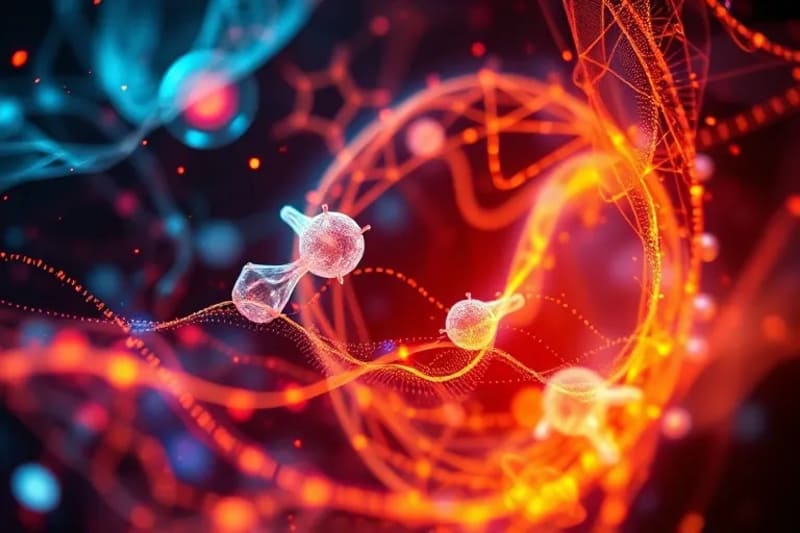
Precursors intellectuales, diagramas fundamentales y representaciones conceptuales que forjaron la visión de la terapia bio-acústica sobre la resonancia celular.
Fuente visual sujeta a disponibilidad del ecosistema: Wikimedia Commons bajo licencia CC BY-SA 4.0 o renderizado conceptual IA.
The concept is rooted in the understanding that sound is not merely an auditory phenomenon but a form of vibrational energy that can penetrate and influence matter at a fundamental level. From the rhythmic chants of ancient cultures to the precise frequencies used in modern medical diagnostics, sound has long been recognized for its therapeutic potential. Bio-acoustic therapy takes this a step further, utilizing advanced technology to identify and deliver frequencies tailored to an individual's specific needs, fostering a deep sense of healing and restoration.
Table of Contents
- 1. Understanding Bio-Acoustic Therapy: The Fundamentals
- 2. The Science Behind Sound Healing: Resonance and Cellular Response
- 3. Historical Roots and Modern Applications of Sonic Therapy
- 4. How Bio-Acoustic Therapy Works: Frequencies and Their Effects
- 5. Potential Benefits and Holistic Well-being
- 6. Different Modalities and Tools in Bio-Acoustic Practice
- 7. Safety, Considerations, and Future Directions
1. Understanding Bio-Acoustic Therapy: The Fundamentals
Bio-acoustic therapy, often categorized under vibrational medicine, operates on the premise that the human body is a complex symphony of frequencies. Every biological process, from cellular respiration to neural communication, involves subtle electromagnetic and vibrational exchanges. Disruptions in these natural frequencies are believed to contribute to various physical and emotional ailments.
The core principle involves identifying these dissonant frequencies and then introducing corrective sound waves. These corrective frequencies are designed to resonate with the affected areas, encouraging them to return to their optimal vibrational state. This process is often compared to tuning a musical instrument; when a string is out of tune, it produces a discordant sound, and similarly, an imbalanced cell or organ can contribute to overall disharmony in the body.
Practitioners of bio-acoustic therapy utilize specialized equipment to analyze an individual's unique vocal patterns, which are believed to reflect the vibrational state of their body. Based on this analysis, precise frequencies are generated and delivered, often through headphones or transducers, to specific areas. The goal is not to force a change but to provide the body with the exact vibrational information it needs to self-correct and heal.
2. The Science Behind Sound Healing: Resonance and Cellular Response
While bio-acoustic therapy is often considered an alternative modality, its underlying principles draw parallels with established scientific concepts such as resonance and entrainment. Resonance occurs when an object vibrates at its natural frequency in response to an external vibration of the same frequency. In the context of the human body, this means that specific sound frequencies can cause cells or tissues to vibrate in sympathy, potentially stimulating various physiological effects.
Research in biophysics suggests that cells are not merely static structures but dynamic entities that respond to mechanical and vibrational stimuli. Studies have shown that sound waves can influence cellular processes, including gene expression, protein synthesis, and cellular regeneration. For instance, low-frequency vibrations have been explored for their potential in bone healing and tissue repair, indicating a direct cellular response to sonic input.

Visualizing the profound impact of sound frequencies on the human body's energetic balance.
Entrainment, another key concept, describes the phenomenon where two oscillating systems, when brought into proximity, synchronize their rhythms. This can be observed in various natural phenomena, from fireflies flashing in unison to heart cells beating rhythmically. In bio-acoustic therapy, the idea is that the body's imbalanced frequencies can be "entrained" by therapeutic sound frequencies, guiding them back to a state of coherence and harmony. This concept is also foundational to other energy healing practices, such as Reiki Healing Basics: Energy Flow for Wellness, which focuses on channeling universal life force energy.
The exact mechanisms by which sound influences cellular alignment are still a subject of ongoing research. However, theories suggest that sound waves can affect cellular membranes, ion channels, and even the structural integrity of DNA, potentially leading to biochemical changes that support healing. The field of Salud Personalizada: Genómica y Medicina Preventiva also explores how individual biological responses can be targeted for optimal health outcomes, aligning with the personalized approach of bio-acoustic therapy.
3. Historical Roots and Modern Applications of Sonic Therapy
The use of sound for healing is not a new concept; it has deep historical roots across various cultures. Ancient Egyptians used vocal incantations in healing rituals, and Indigenous cultures worldwide have long employed drumming, chanting, and singing bowls for spiritual and physical well-being. The Pythagorean school of thought in ancient Greece extensively explored the mathematical relationships of musical intervals and their potential therapeutic effects on the human psyche and body.
In modern times, the understanding of sound's therapeutic potential has evolved with technological advancements. Beyond the traditional uses of music therapy for mental health and pain management, bio-acoustic therapy leverages sophisticated frequency generators and diagnostic tools. These tools can analyze subtle vocal nuances, which are believed to correspond to specific physiological and emotional states, allowing for highly personalized treatment plans.
Contemporary applications extend to a wide range of conditions, from chronic pain and stress to neurological disorders and emotional imbalances. While some applications are still considered experimental, the growing interest in non-invasive and holistic healing methods has propelled bio-acoustic therapy into the spotlight as a complementary approach to conventional medicine. The integration of such therapies often requires an open mind and a willingness to explore beyond conventional paradigms, much like the process of interpreting Oracle Decks: Choosing & Interpreting Your Personal Guide for personal insights.
4. How Bio-Acoustic Therapy Works: Frequencies and Their Effects
The operational mechanism of bio-acoustic therapy typically involves several stages. Initially, a practitioner conducts an assessment, often using voice analysis software. This software analyzes the client's vocal frequencies, looking for specific patterns or "dips" that may indicate areas of imbalance or stress within the body. The premise here is that the voice, being a direct output of the nervous system and influenced by various physiological processes, carries a unique vibrational signature of an individual's health.
Once imbalances are identified, the therapist generates precise sound frequencies designed to counteract these dissonances. These frequencies are often delivered through headphones, allowing the sound to directly stimulate the auditory system and, by extension, the brain and nervous system. In some modalities, transducers are used to transmit vibrations directly to specific body parts, allowing for localized cellular stimulation.

Exploring the microscopic and energetic aspects of cellular alignment through bio-acoustic principles.
The therapeutic frequencies are believed to work by encouraging the body's cells to "re-tune" themselves. This can lead to a cascade of positive effects, including reduced inflammation, improved circulation, enhanced cellular repair, and a more balanced nervous system. The frequencies are often subtle, not necessarily audible to the conscious ear, but are thought to be perceived and processed by the body at a cellular and subconscious level. This concept is somewhat akin to the vibrational principles explored in Astro-Botánica Viajeros Interdimensionales: Elixires Vibracionales Paralelos, where specific plant essences are believed to carry vibrational signatures that support well-being.
5. Potential Benefits and Holistic Well-being
Advocates of bio-acoustic therapy report a wide array of potential benefits, contributing to a more holistic sense of well-being. These benefits often span physical, emotional, and mental dimensions, reflecting the interconnectedness of these aspects of health.
Physically, individuals may experience reductions in pain, improved sleep quality, enhanced energy levels, and faster recovery from injuries. The targeted frequencies are thought to stimulate the body's natural healing processes, reduce inflammation, and promote detoxification. For example, specific frequencies might be used to target muscle tension or support organ function, leading to tangible improvements in physical comfort and performance.
Emotionally and mentally, bio-acoustic therapy is often associated with stress reduction, anxiety relief, and improved mood. The calming effect of certain frequencies can help to balance the autonomic nervous system, shifting the body from a "fight or flight" state to a more relaxed "rest and digest" state. This can lead to greater emotional resilience, mental clarity, and a deeper sense of inner peace. Some users also report enhanced spiritual connection and a greater sense of purpose, as the therapy is believed to harmonize the energetic body.
It is important to note that while many individuals report positive experiences, the scientific evidence supporting these claims is still developing. Bio-acoustic therapy is generally considered a complementary therapy, meaning it is used alongside, rather than as a replacement for, conventional medical treatments.
6. Different Modalities and Tools in Bio-Acoustic Practice
The field of bio-acoustic therapy encompasses various modalities and utilizes a range of specialized tools, each designed to deliver sound frequencies in unique ways. These approaches often differ in their diagnostic methods, frequency generation techniques, and delivery systems, offering practitioners flexibility in tailoring treatments to individual needs.
One common approach involves voice analysis software, which is used to create a "sound portrait" of an individual. This software identifies the dominant and deficient frequencies in a person's voice, which are then correlated with specific physiological and emotional states. Based on this analysis, personalized frequency protocols are generated, often in the form of audio files that clients listen to regularly.
Other modalities incorporate the use of tuning forks, which are calibrated to specific frequencies and applied to various points on the body, similar to acupuncture points. These vibrations are intended to stimulate energy flow, release blockages, and promote cellular resonance. Sound beds or tables, equipped with embedded speakers or transducers, are also used to deliver full-body vibrational experiences, allowing the sound to permeate deeply into tissues and organs.
Some practitioners integrate biofeedback mechanisms, where the client's physiological responses (e.g., heart rate, skin conductance) are monitored in real-time as frequencies are applied. This allows for immediate adjustments to the sound protocol, optimizing its therapeutic effect. The diversity of tools and techniques highlights the evolving nature of bio-acoustic therapy and its continuous adaptation to individual client requirements.
Legal Disclaimer: Bio-acoustic therapy is considered an alternative or complementary health practice. It is not intended to diagnose, treat, cure, or prevent any disease. Always consult with a qualified healthcare professional for any health concerns or before making any decisions about your health or treatment. Individual results may vary, and the efficacy of bio-acoustic therapy is not universally recognized or scientifically proven by all medical authorities.
This information is provided for educational purposes only and should not be taken as medical advice. The content reflects the current understanding and practices within the bio-acoustic community and related fields.
7. Safety, Considerations, and Future Directions
As with any therapeutic modality, safety and informed consideration are paramount in bio-acoustic therapy. While generally considered non-invasive and low-risk, individuals with certain medical conditions, such as epilepsy, pacemakers, or severe mental health disorders, should consult their healthcare provider before engaging in bio-acoustic sessions. Pregnant women and individuals with acute infections may also need to exercise caution or avoid certain types of frequency application.
Choosing a qualified and experienced practitioner is crucial. Look for therapists who have received accredited training in bio-acoustic principles and who operate with transparency regarding their methods and expected outcomes. A reputable practitioner will conduct a thorough intake, discuss any potential contraindications, and ensure that the treatment plan is tailored to the individual's specific health profile.
The future of bio-acoustic therapy holds promising avenues for research and integration. As scientific understanding of the human biofield and cellular communication advances, so too will the precision and efficacy of sound-based interventions. Further studies are needed to rigorously validate the reported benefits and to elucidate the exact physiological mechanisms at play. The potential for personalized, non-pharmacological interventions in areas like chronic pain, stress management, and even neurorehabilitation makes bio-acoustic therapy a compelling field to watch in the evolving landscape of holistic health.
Explore More Insights
- Lilith Karmic Nodes: Shadow Wisdom for Evolutionary Growth
- Synastry Soul Contracts Karmic Astrology Deep Insights
- Part Fortune Birth Chart: Joy, Abundance, Destiny Location
- Electional Astrology: Choosing Auspicious Timing
- 12th House Astrology: Spirituality, Secrets, Unconscious
- Animal Totems and Spirit Animals: Nature's Guides Unveiled
- Wood Element Chinese Zodiac: Growth, Creativity
- Planets in 1st House: Ascendant Ruler Explained
- Zodiac Compatibility: Advanced Elemental Balance in Relationships
- Advanced Astrocartography: Jupiter, Venus, Sun Lines for Relocation
Source: Hybrid content assisted by AI and human editorial supervision.


Comments
Post a Comment