
Bio-Acoustic Therapy Cellular Regeneration Sound Frequencies
Bio-acoustic therapy represents a fascinating frontier in holistic health, harnessing the power of sound frequencies and resonance to potentially influence cellular regeneration and overall well-being. This innovative approach suggests that specific vibrational patterns can interact with the body's biological systems, promoting healing and restoring balance at a fundamental level. As a field of "DIVERSIFICACIÓN," we aim to introduce this concept, exploring its underlying principles and potential applications in an accessible and educational manner.
The human body is a complex symphony of vibrations, from the rhythmic beating of the heart to the subtle electrical impulses of the brain. Proponents of bio-acoustic therapy believe that when these natural frequencies become imbalanced due to stress, illness, or environmental factors, the body's ability to heal itself can be compromised. By reintroducing specific, therapeutic sound frequencies, the goal is to gently guide cells back to their optimal resonant state, thereby facilitating repair and regeneration.
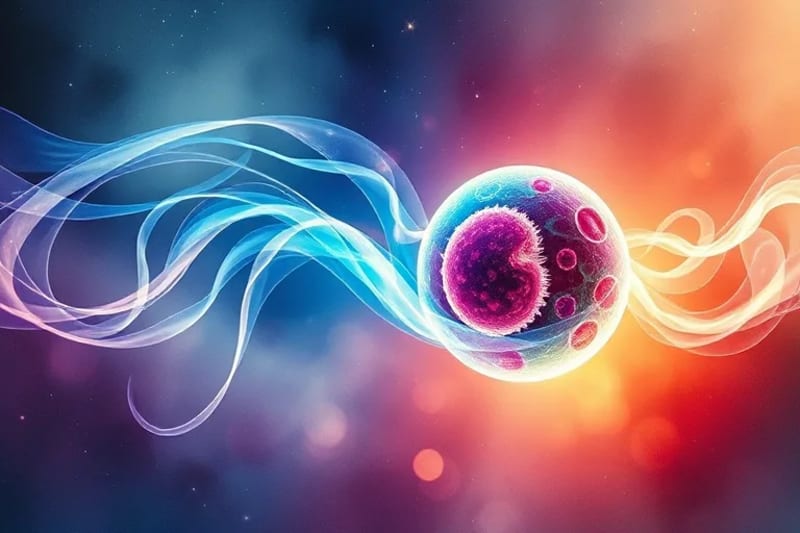
Precursors intellectuales, diagramas fundamentales y representaciones conceptuales que forjaron la visión de la terapia bio-acústica sobre la regeneración celular.
Fuente visual sujeta a disponibilidad del ecosistema: Wikimedia Commons bajo licencia CC BY-SA 4.0 o renderizado conceptual IA.
This article will delve into the scientific underpinnings of how sound and vibration can impact biological processes, exploring the mechanisms through which bio-acoustic therapy aims to achieve its therapeutic effects. We will examine the principles of resonance, entrainment, and cellular communication, providing a comprehensive overview for those new to this intriguing field. Our discussion will also cover potential applications and the broader implications for integrative health practices.
Table of Contents
- The Science of Sound and Vibration
- Principles of Bio-Acoustic Therapy
- Cellular Regeneration Mechanisms
- Applications and Benefits
- Historical Context and Modern Innovations
- Integrating Bio-Acoustic Therapy into Wellness
The Science of Sound and Vibration
At its core, sound is vibration, a mechanical wave that propagates through a medium. In the context of the human body, this medium is primarily water, which constitutes a significant portion of our cellular and extracellular environment. Every cell, organ, and system within the body vibrates at its own unique resonant frequency when healthy.
Scientific research, particularly in fields like biophysics and quantum biology, suggests that cells are highly responsive to external vibrational stimuli. This responsiveness is partly attributed to phenomena such as piezoelectricity, where mechanical stress (like sound waves) can generate electrical charges in biological tissues. These electrical signals play a crucial role in cellular communication, growth, and repair processes.
Furthermore, the concept of resonance is central to understanding bio-acoustic therapy. When an external vibration matches the natural frequency of an object, that object will absorb energy and vibrate with increased amplitude. In the body, this principle implies that introducing specific sound frequencies can resonate with particular cells or tissues, potentially stimulating them to return to a state of optimal function. This interaction aligns with broader principles observed in quantum physics and celestial mechanics, where vibrational energy dictates interactions at fundamental levels.
Studies have shown that sound waves can influence various cellular activities, including protein synthesis, enzyme activity, and even gene expression. The mechanical forces exerted by sound can trigger mechanotransduction pathways, converting physical stimuli into biochemical responses. This intricate dance between sound and cellular biology provides a compelling framework for bio-acoustic interventions.
Principles of Bio-Acoustic Therapy
Bio-acoustic therapy employs several key principles to achieve its therapeutic effects. One primary principle is entrainment, where two oscillating systems, when brought into proximity, will eventually synchronize their rhythms. In this context, the body's cells are encouraged to synchronize with the therapeutic frequencies introduced by the sound therapy.
Another crucial aspect is coherence. Healthy biological systems exhibit high levels of coherence, meaning their various components work together in an organized and harmonious way. Disease, conversely, is often characterized by incoherence or disorganization. Bio-acoustic therapy aims to restore this coherence by providing a template of harmonious frequencies.

Luminous DNA strands interacting with sound waves, illustrating the potential for genetic repair and activation through resonant frequencies.
Different frequencies are believed to target different aspects of the body. For instance, some frequencies might be associated with bone density, others with muscle relaxation, and yet others with nerve regeneration. Practitioners often use specialized equipment that generates precise frequencies, sometimes based on individual voice analysis or specific therapeutic goals. The precision in frequency application is paramount to ensure effective resonance and avoid dissonance.
The application methods can vary widely, from listening to specific tones through headphones to experiencing full-body vibration through specialized sound tables or chairs. These methods ensure that the vibrational stimuli are effectively transmitted to the body, allowing for deep cellular penetration and interaction. The holistic nature of this therapy often resonates with concepts of biofield manifestation, where subtle energy fields play a role in physical reality.
Cellular Regeneration Mechanisms
The most compelling aspect of bio-acoustic therapy lies in its potential to stimulate cellular regeneration. While research is ongoing, several mechanisms are proposed through which sound frequencies might facilitate repair and renewal within the body. These mechanisms often involve complex biochemical and biophysical pathways.
One key mechanism is the enhancement of cellular metabolism. Sound vibrations can increase cellular permeability, allowing for more efficient nutrient uptake and waste removal. This improved metabolic function is vital for cells to perform their repair processes effectively and to synthesize new components necessary for regeneration.
Another proposed mechanism involves the reduction of inflammation. Chronic inflammation is a significant impediment to healing and regeneration. Certain frequencies are thought to modulate inflammatory responses, helping to create a more conducive environment for tissue repair. This anti-inflammatory effect can be crucial in conditions ranging from chronic pain to autoimmune disorders.
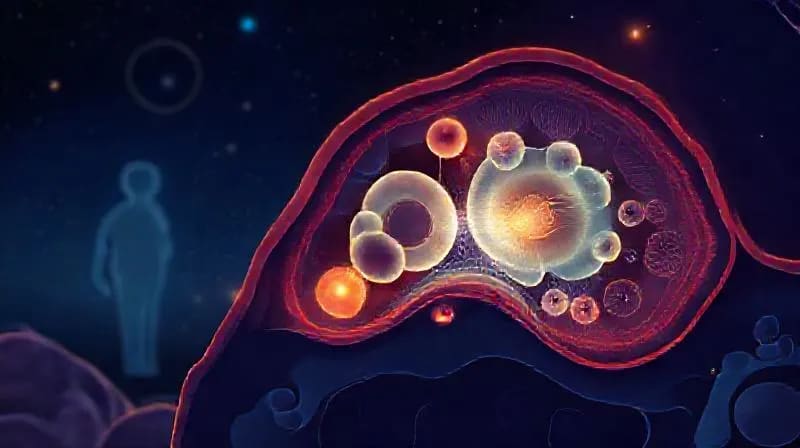
A scientific illustration depicting healthy, regenerated cells in human tissue, highlighting the precise impact of sound waves on cellular function.
Furthermore, there is growing interest in the potential of sound to influence stem cell activity. Stem cells are the body's master cells, capable of differentiating into various cell types and playing a pivotal role in tissue repair and regeneration. Preliminary studies suggest that specific vibrational stimuli might encourage stem cell proliferation and differentiation, accelerating the body's natural healing capabilities. This area holds immense promise for future therapeutic developments.
The interaction of sound with the extracellular matrix, the non-cellular component of tissues, is also being investigated. The extracellular matrix provides structural support and biochemical cues to cells. Vibrations can influence its organization and elasticity, which in turn can affect cellular behavior and promote a healthier tissue environment for regeneration.
Applications and Benefits
The potential applications of bio-acoustic therapy are diverse, spanning various aspects of physical and mental health. While many claims require further rigorous scientific validation, anecdotal evidence and preliminary research suggest a wide range of benefits. These benefits often extend beyond mere symptom relief, aiming at deeper physiological and psychological shifts.
One of the most commonly reported benefits is stress reduction. The calming effects of certain sound frequencies can help to downregulate the nervous system, reducing cortisol levels and promoting a state of relaxation. This can be particularly beneficial in managing chronic stress, anxiety, and sleep disorders. The therapeutic sound acts as a natural tranquilizer, guiding the brain into more relaxed states.
Pain management is another significant area of application. By reducing inflammation, relaxing muscles, and potentially influencing nerve pathways, bio-acoustic therapy may offer a non-invasive approach to alleviate various types of pain, including chronic back pain, fibromyalgia, and arthritis. The vibrational input can disrupt pain signals and promote the release of endorphins, the body's natural painkillers.
Beyond physical ailments, bio-acoustic therapy is also explored for its potential to enhance mental clarity, focus, and emotional balance. By promoting brainwave entrainment, specific frequencies can guide the brain into states conducive to meditation, creativity, and improved cognitive function. This can be particularly useful for individuals seeking to enhance their mental performance or overcome mental fog.
Some practitioners also utilize bio-acoustic therapy to support detoxification processes, improve circulation, and boost the immune system. The increased cellular activity and improved metabolic function facilitated by sound vibrations can contribute to these systemic health benefits. It's an approach that considers the body as an integrated system, where balance in one area can positively impact others, much like understanding cosmic omens and esoteric symbols can reveal deeper patterns in life.
Historical Context and Modern Innovations
The concept of using sound for healing is by no means new. Ancient civilizations across the globe, from the Egyptians and Greeks to indigenous cultures in Australia and Africa, employed various forms of sound healing. Chanting, drumming, singing bowls, and vocal toning were integral parts of their spiritual and healing practices, recognizing the profound impact of sound on the human psyche and body.
In modern times, the scientific exploration of sound healing began to gain traction in the 20th century with the advent of advanced acoustic technologies. Pioneers in the field started investigating specific frequencies and their effects on biological systems, moving beyond anecdotal evidence to more systematic research. This shift marked the transition from traditional sound healing to the more scientifically oriented bio-acoustic therapy.
Today, bio-acoustic therapy benefits from sophisticated technology, including frequency generators, biofeedback devices, and advanced software for voice analysis. These tools allow practitioners to identify specific frequency imbalances in an individual's voice or body and then apply precise, targeted sound frequencies for therapeutic purposes. The integration of technology has brought a new level of precision and personalization to the practice.
Innovations continue to emerge, with ongoing research exploring the use of ultrasound for targeted tissue regeneration, the application of infrasound for deep relaxation, and the development of wearable devices that deliver therapeutic vibrations. The interdisciplinary nature of bio-acoustic therapy, drawing from physics, biology, medicine, and engineering, ensures a continuous evolution of techniques and understanding.
Integrating Bio-Acoustic Therapy into Wellness
For individuals interested in exploring bio-acoustic therapy, it's important to approach it as a complementary modality within a broader wellness strategy. It is not intended to replace conventional medical treatments but rather to support and enhance the body's natural healing capabilities. Consulting with a healthcare professional before starting any new therapy is always advisable.
When seeking a practitioner, look for those with proper training and certifications in bio-acoustic therapy or related sound healing modalities. A qualified practitioner will typically conduct an initial assessment, which may include a voice analysis, to determine the most appropriate frequencies and treatment plan for your specific needs. They will also explain the process and what to expect during sessions.
Many people find bio-acoustic therapy sessions to be deeply relaxing and meditative, often experiencing a sense of profound peace and well-being. Some may feel subtle vibrations or sensations in their body, while others may simply experience a reduction in stress or pain. The experience can be highly individual, and results may vary depending on the person and the condition being addressed.
As the understanding of the body's energetic and vibrational nature continues to expand, bio-acoustic therapy stands as a promising area for future research and development in integrative medicine. Its gentle yet profound approach to healing at the cellular level offers a unique pathway to restoring balance and promoting regeneration, contributing to a more holistic vision of health and wellness.
In conclusion, bio-acoustic therapy offers an intriguing perspective on health, emphasizing the body's inherent capacity for self-healing through the intelligent application of sound and vibration. By understanding the science behind resonance and cellular communication, we can begin to appreciate the profound potential of this ancient yet cutting-edge modality for fostering cellular regeneration and enhancing overall vitality.
Explore More on StarPluto
- Dragon Chinese Zodiac: 2024 Forecast
- Psychic Detective Dream Interpretation Esoteric Symbolism
- Runes Ancient Divination Self-Discovery Tool
- Rabbit Chinese Zodiac: Elemental Traits Explained
- AI Dream Interpretation: Decoding Symbols with Algorithmic Insights
- Quantum Physics Celestial Mechanics: Universe Predictive System
- Financial Astrology: Timing Investments, Market Trends Guide
- Astrology Writers Creative Flow Publication Timing Guide
- Biofield Manifestation: Quantum Physics Sacred Geometry
- Cosmic Omens: Synchronicities, Esoteric Symbols, Horoscopes Interpretation
- Retrograde Planets: Reclaiming Past Life Lessons
- Saturn Return: Navigating Major Life Milestones
- Fixed Stars Past Life Wounds Natal Chart Integration
- June 2026 Horoscopes: All 12 Zodiac Signs Forecast
- Karmic Debts Gifts: Advanced North South Node Astrology
Source: Hybrid content assisted by AI and human editorial supervision.


Comments
Post a Comment