
AI Dream Interpretation: Decoding Subconscious Algorithmic Language
Dreams have fascinated humanity for millennia, serving as a mysterious conduit to our deepest fears, desires, and unresolved thoughts. From ancient shamans interpreting visions to Freudian psychoanalysis, the quest to understand the subconscious language of dreams has been a constant. Today, a new frontier is emerging: the intersection of artificial intelligence and dream interpretation. This innovative approach promises to revolutionize how we decode the intricate narratives spun by our minds during sleep, offering unprecedented insights into human psychology and consciousness.
The advent of advanced AI and machine learning algorithms provides a powerful toolkit for analyzing complex data patterns, a capability perfectly suited for the seemingly chaotic world of dreams. By applying sophisticated computational models, researchers are beginning to identify recurring themes, symbols, and emotional signatures that might otherwise remain hidden. This shift from subjective, human-led interpretation to objective, data-driven analysis marks a significant paradigm change in the field of dream studies.
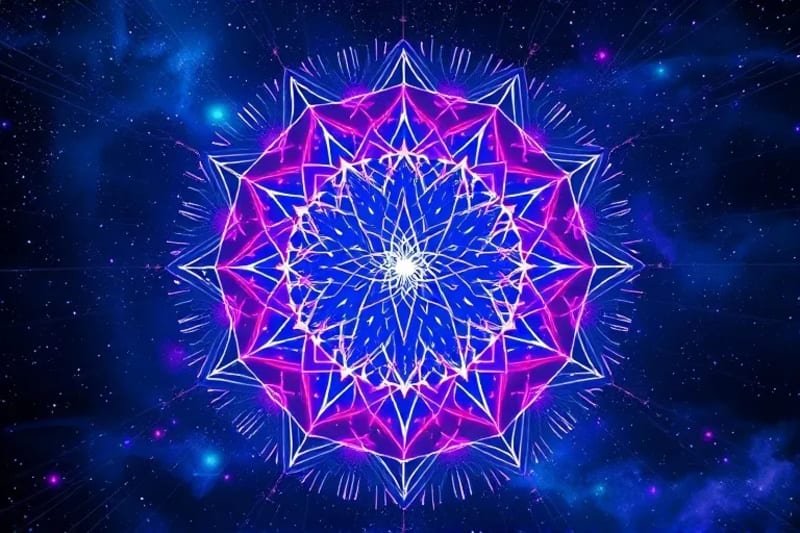
Precursors intellectuales, diagramas fundamentales y representaciones conceptuales que forjaron la visión de la Inteligencia Artificial sobre la interpretación de sueños y el subconsciente.
This article delves into the burgeoning field of AI dream interpretation, exploring the methodologies, potential benefits, ethical considerations, and the exciting future that lies ahead. We will examine how algorithms are trained to recognize patterns in dream reports, the challenges inherent in quantifying subjective experiences, and the profound implications for mental health, self-discovery, and even the very definition of consciousness. As AI continues to evolve, its capacity to unlock the algorithmic language of the subconscious promises to be one of its most intriguing applications.
Table of Contents
- The Ancient Mystery of Dreams Meets Modern AI
- How AI Interprets Dreams: Algorithmic Approaches
- Techniques and Methodologies in AI Dream Analysis
- Benefits and Applications of AI Dream Interpretation
- Ethical Considerations and Challenges
- The Future of AI and Subconscious Exploration
The Ancient Mystery of Dreams Meets Modern AI
For centuries, dreams have been considered portals to other realms, messages from deities, or reflections of our inner turmoil. Ancient civilizations, from Egypt to Greece, meticulously recorded and interpreted dreams, believing they held prophetic or psychological significance. Sigmund Freud, in his seminal work "The Interpretation of Dreams," posited that dreams are the "royal road to the unconscious," a symbolic fulfillment of repressed wishes.
Carl Jung expanded on this, introducing the concept of the collective unconscious and archetypes, suggesting that dream symbols are universal and deeply embedded in the human psyche. Despite these profound insights, traditional dream interpretation has always been highly subjective, relying heavily on the interpreter's experience, cultural background, and theoretical framework. This subjectivity often leads to varied and sometimes contradictory interpretations, making it challenging to establish a standardized, verifiable method.
The emergence of artificial intelligence offers a potential solution to this inherent subjectivity. AI systems, particularly those employing natural language processing (NLP) and machine learning, can analyze vast datasets of dream reports with an objectivity that human interpreters cannot match. By identifying patterns, correlations, and semantic relationships across millions of dream narratives, AI can uncover insights that transcend individual biases and cultural specificities.
This fusion of ancient wisdom and cutting-edge technology represents a fascinating evolution in our quest for self-understanding. It moves dream analysis from an art form to a more scientific discipline, capable of generating empirical data and testable hypotheses. The goal is not to replace human intuition but to augment it with computational power, providing a more comprehensive and nuanced understanding of the subconscious mind.
How AI Interprets Dreams: Algorithmic Approaches
AI dream interpretation primarily leverages machine learning models, especially those designed for natural language processing (NLP). The process typically begins with collecting a large corpus of dream reports, often crowdsourced or gathered from psychological studies. These reports, usually textual descriptions of dreams, serve as the raw data for the AI.
Once collected, the data undergoes pre-processing, which involves cleaning the text, removing noise, and tokenizing words. Advanced NLP techniques then come into play, such as sentiment analysis to gauge the emotional tone of the dream, entity recognition to identify key objects, people, or places, and topic modeling to discern overarching themes. For instance, an AI might detect frequent mentions of "flying" and "freedom" in a user's dreams, suggesting a desire for liberation.
Deep learning models, particularly recurrent neural networks (RNNs) and transformer architectures like BERT or GPT, are instrumental in understanding the sequential and contextual nature of dream narratives. These models can learn complex linguistic patterns and even generate plausible interpretations based on their training data. They can identify subtle connections between dream elements that a human might overlook, revealing deeper layers of meaning.
Furthermore, some AI systems integrate symbolic AI approaches, where human-defined rules and knowledge bases about common dream symbols are encoded. This hybrid approach combines the pattern-recognition power of machine learning with the structured reasoning of symbolic AI, enhancing the accuracy and interpretability of the results. The ultimate aim is to translate the "algorithmic language" of the subconscious – the unique way our minds process and symbolize experiences – into understandable insights.
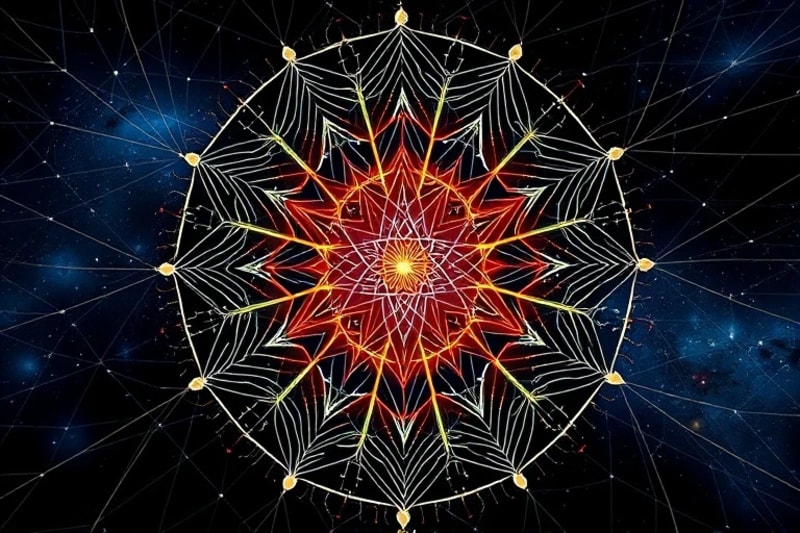
Visualización abstracta de redes neuronales y flujos de datos, ilustrando cómo la IA procesa y traduce los complejos símbolos oníricos en información comprensible.
Techniques and Methodologies in AI Dream Analysis
The methodologies employed in AI dream analysis are diverse and continually evolving. One common technique involves clustering algorithms, which group similar dream reports together based on shared keywords, themes, or emotional content. This can reveal common human experiences or anxieties that manifest in dreams across different individuals.
Another powerful method is semantic network analysis. This involves constructing a network where nodes represent dream elements (e.g., "house," "water," "mother") and edges represent relationships between them (e.g., "house near water," "mother in house"). AI can then analyze the structure of these networks to identify central themes, recurring motifs, and the emotional valence associated with different connections. This can be particularly useful for understanding the esoteric meanings of symbols within a personal context.
Predictive modeling is also gaining traction. By correlating dream patterns with waking life events, psychological states, or even physiological data (like sleep stages), AI might eventually predict future emotional states or highlight areas of psychological distress. For example, consistent dreams of being chased might correlate with waking anxiety levels, which an AI could flag for further attention. This predictive capability extends beyond individual analysis, offering insights into broader psychological trends.
Furthermore, some researchers are exploring the use of generative adversarial networks (GANs) to visualize dream content. While still in early stages, GANs could potentially create visual representations based on textual dream descriptions, offering a new dimension to interpretation. This could help individuals better connect with their dream experiences and facilitate deeper self-reflection. The complex interplay of these techniques highlights the multidisciplinary nature of this emerging field.
Benefits and Applications of AI Dream Interpretation
The potential benefits of AI dream interpretation are vast and far-reaching, impacting various aspects of personal well-being and scientific research. One of the most significant applications lies in mental health support. AI can act as an early warning system, identifying recurring negative patterns or symbols indicative of stress, anxiety, or trauma. This can prompt individuals to seek professional help sooner, potentially preventing more severe mental health issues. It offers a non-invasive way to monitor psychological states.
For self-discovery and personal growth, AI tools can provide objective insights into one's subconscious motivations and desires. By tracking dream themes over time, individuals can gain a clearer understanding of their evolving psychological landscape, helping them make more informed decisions in their waking lives. This process can foster a deeper connection with one's inner self, promoting holistic development.
In the realm of scientific research, AI can analyze massive datasets of dream reports to uncover universal dream patterns, cultural variations, and the impact of global events on the collective unconscious. This could lead to groundbreaking discoveries in psychology, neuroscience, and anthropology. For example, it might reveal how balancing divine feminine and masculine energies manifests in dream narratives across different cultures.
Beyond individual interpretation, AI could also facilitate lucid dreaming techniques by identifying triggers or common dream signs unique to an individual, allowing them to gain conscious control within their dreams. This opens up possibilities for dream-based therapy and creative exploration. The ability to analyze dreams at scale also has implications for understanding sleep disorders and optimizing sleep cycles.
Ethical Considerations and Challenges
While the promise of AI dream interpretation is compelling, it also presents significant ethical considerations and challenges that must be addressed. Privacy and data security are paramount. Dream reports are deeply personal and sensitive, containing intimate details of an individual's psyche. Ensuring that this data is collected, stored, and processed securely, without unauthorized access or misuse, is critical. Robust anonymization and encryption protocols are essential.
Another challenge is the risk of misinterpretation or over-reliance on AI. Dreams are complex and highly contextual. An AI, no matter how advanced, might miss subtle nuances or cultural specificities that a human expert would grasp. Over-reliance on AI-generated interpretations could lead to self-misunderstanding or even exacerbate psychological issues if not handled with care. The human element, particularly in therapeutic contexts, remains irreplaceable.
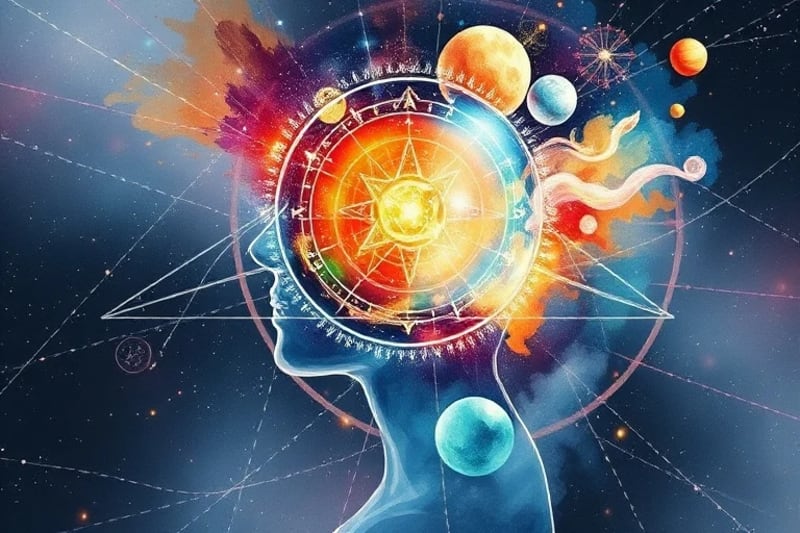
Representación conceptual de la mente subconsciente, donde patrones algorítmicos luminosos se entrelazan con elementos cósmicos, simbolizando la traducción de pensamientos oníricos por la IA.
The potential for bias in AI algorithms is also a concern. If the training data for AI dream interpretation systems is biased (e.g., predominantly from one cultural group or demographic), the interpretations generated by the AI may not be universally applicable or could perpetuate harmful stereotypes. Developing diverse and representative datasets is crucial for fair and equitable AI systems. This ties into the broader discussion of explainable AI and building trust in its applications.
Finally, there's the philosophical question of reducing subjective experience to algorithms. Can the richness and depth of human dreams truly be captured and understood through computational models? While AI can identify patterns, the subjective meaning and emotional impact of a dream often extend beyond quantifiable data. A balanced approach that integrates AI insights with human intuition and empathy will likely be the most effective path forward.
The Future of AI and Subconscious Exploration
The future of AI dream interpretation is poised for significant advancements, promising to deepen our understanding of the human mind in unprecedented ways. As AI models become more sophisticated, they will likely move beyond mere textual analysis to integrate multimodal data. This could include physiological data from sleep trackers, emotional responses recorded during waking hours, and even real-time brain activity monitoring during REM sleep. Such integration would provide a holistic view of the individual's mental and emotional state, offering richer and more accurate dream interpretations.
Personalized AI dream assistants could become commonplace, offering daily insights and guidance based on an individual's unique dream patterns. These assistants might not only interpret dreams but also suggest personalized interventions for stress reduction, creative enhancement, or even help in achieving specific personal goals. Imagine an AI that helps you understand how your dreams are guiding your career path or public persona.
Furthermore, the insights gained from AI dream analysis could contribute to the development of more effective therapeutic approaches for various psychological conditions. By understanding the root causes of distress as revealed in dreams, therapists could tailor treatments more precisely. This could also lead to breakthroughs in understanding consciousness itself, bridging the gap between neuroscience and the subjective experience of the mind. The exploration of dreams through AI could even inform our understanding of quantum manifestation and co-creating reality.
However, the journey will require careful navigation of ethical boundaries, ensuring that technological advancements serve humanity's best interests without compromising privacy or autonomy. Collaboration between AI developers, psychologists, neuroscientists, and ethicists will be essential to harness the full potential of this transformative field responsibly. The algorithmic language of the subconscious is slowly being unlocked, promising a future where our inner worlds are understood with unprecedented clarity.
Explore More Insights
- Chinese Zodiac Elements
- Dwarf Planets Asteroid Goddesses
- Lunar Mansions Urban Geomancy
- Astro-Archeology
- Fixed Stars Arabic Parts
- Solar Return Chart
- The Part of Fortune
- Fixed Stars Galactic Center
- Virgo Scorpio Synastry
- Medical Astrology
- Deep Sleep Biohacking
- Genómica Nutricional Rendimiento
- Géminis Comunicación
- Remedios Kármicos Védicos
- Geometría Sagrada
- Santa Faustina Kowalska
- Misticismo Cristiano
- Rosario Gozosos
Source: Hybrid content assisted by AI and human editorial supervision.


Comments
Post a Comment