
Astro-Archeology Unearthing Celestial Ancient Civilizations Narratives
Astro-archeology is a captivating interdisciplinary field that investigates the astronomical knowledge of ancient cultures and its manifestation in their architecture, art, and societal structures. It bridges the scientific rigor of archaeology and astronomy with the cultural insights of anthropology and history, offering a profound understanding of how our ancestors perceived and interacted with the cosmos. This discipline moves beyond mere celestial observation, delving into the complex narratives and symbolic meanings embedded within ancient sites and artifacts.
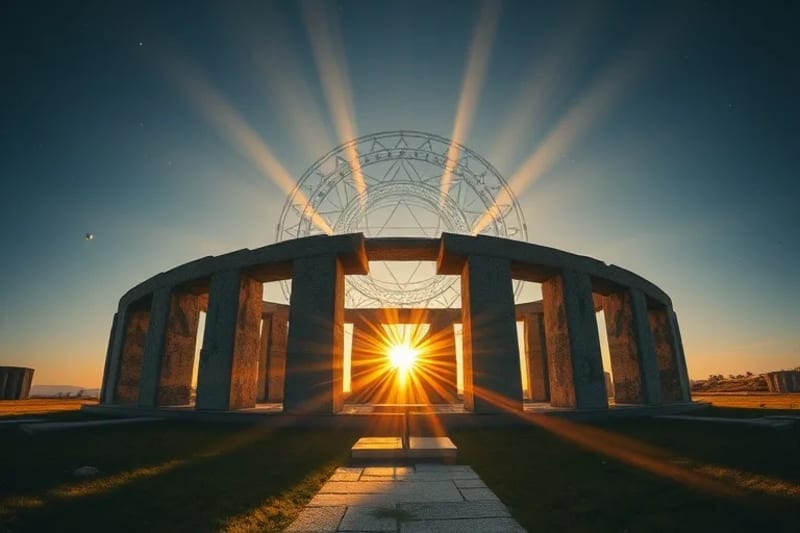 Precursors, conceptual frameworks, and architectural representations that forged humanity's vision of celestial mechanics and its impact on ancient civilizations.
Fuente visual sujeta a disponibilidad del ecosistema: Wikimedia Commons bajo licencia CC BY-SA 4.0 o renderizado conceptual IA.
The study of astro-archeology reveals that celestial phenomena were not just natural occurrences but were often central to religious beliefs, agricultural practices, and political power. From the precise alignments of megalithic structures to the intricate astronomical calendars of Mesoamerican civilizations, the heavens provided a framework for understanding time, destiny, and the divine. This deep connection underscores the universal human desire to find meaning in the vastness of the universe.
Table of Contents
- Historical Roots of Celestial Observation
- Methodologies and Techniques in Astro-Archeology
- Case Studies: Global Celestial Alignments
- Astrology and Ancient Societies: A Symbiotic Relationship
- Challenges and Future Directions
- Conclusion: Echoes of the Cosmos
Historical Roots of Celestial Observation
The earliest evidence of human interest in the sky dates back tens of thousands of years, with cave paintings and carved bones suggesting an awareness of lunar cycles and constellations. As societies evolved, this interest deepened, driven by practical needs such as agriculture and navigation, as well as spiritual and philosophical inquiries. Ancient civilizations across the globe developed sophisticated systems for tracking celestial movements, often integrating this knowledge into their daily lives and monumental constructions.
In Mesopotamia, the Sumerians, Babylonians, and Assyrians were pioneers in systematic astronomical observation. Their cuneiform tablets record detailed planetary movements, eclipses, and the creation of early zodiacal systems. These observations were not merely scientific; they were deeply intertwined with divination and the belief that celestial events influenced earthly affairs, laying foundational concepts for what would become Feng Shui Digital Nomads Harmonizing Virtual Well-being. The alignment of their ziggurats and temple structures often reflected astronomical principles, connecting the terrestrial realm with the divine cosmos.
Ancient Egypt also demonstrated a profound understanding of astronomy, evident in the precise orientation of its pyramids and temples. The rising of Sirius (Sopdet) was critical for predicting the annual flooding of the Nile, essential for their agricultural prosperity. Many temples, such as Karnak, were aligned to the solstices or specific stars, creating dramatic light and shadow effects on significant days, reinforcing the pharaoh's divine connection and the cosmic order. This meticulous attention to celestial cycles highlights a worldview where the heavens and Earth were inextricably linked.
Methodologies and Techniques in Astro-Archeology
Astro-archeologists employ a diverse array of methods to uncover and interpret ancient celestial narratives. These techniques combine traditional archaeological fieldwork with advanced astronomical calculations and digital modeling. The primary goal is to identify deliberate astronomical alignments in ancient structures and understand their cultural significance.
- Site Surveys and Excavation: Traditional archaeological methods are crucial for identifying potential sites and understanding their architectural layout. Precise measurements of orientations and angles are taken.
- Astronomical Software and Modeling: Sophisticated software is used to reconstruct ancient skies, calculating the exact positions of the sun, moon, stars, and planets at specific historical dates and times. This allows researchers to test hypotheses about alignments.
- Statistical Analysis: To differentiate intentional alignments from random occurrences, statistical methods are applied. This helps determine the probability that an alignment is deliberate rather than coincidental.
- Ethnoastronomy: Studying the astronomical knowledge and beliefs of contemporary indigenous cultures can provide valuable insights into how ancient societies might have interpreted celestial phenomena. This comparative approach helps contextualize findings.
- Textual Analysis: Deciphering ancient texts, such as Babylonian cuneiform tablets, Egyptian hieroglyphs, or Mayan codices, provides direct evidence of astronomical observations and their cultural interpretations.
The interdisciplinary nature of astro-archeology demands a holistic approach, where archaeological data, astronomical calculations, and cultural context are all considered. For instance, understanding the Jungian archetypes within zodiacal systems can offer deeper insights into the psychological and symbolic meanings ancient people attached to celestial bodies. This approach helps avoid anachronistic interpretations, ensuring that modern scientific understanding does not overshadow the original cultural significance.
Case Studies: Global Celestial Alignments
Numerous sites around the world bear witness to the astronomical prowess of ancient peoples, each telling a unique story of their celestial narratives.
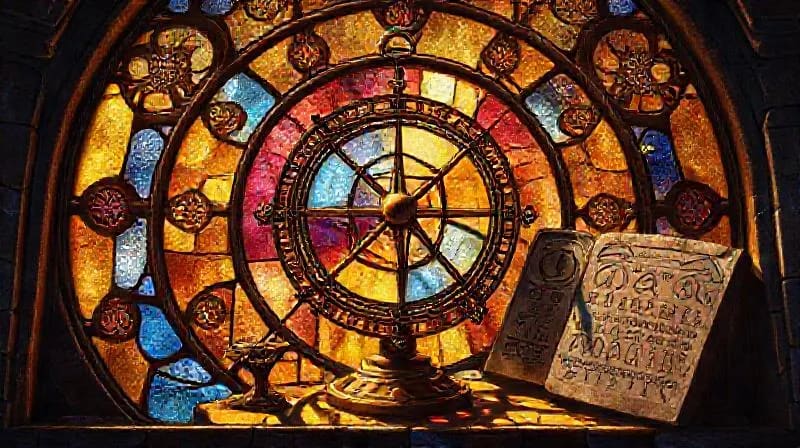 Depiction of ancient tools and records used to chart the heavens, reflecting meticulous observation and symbolic interpretation.
- Stonehenge, England: Perhaps the most famous example, Stonehenge is precisely aligned with the sunrise on the summer solstice and the sunset on the winter solstice. This megalithic monument served as both a calendar and a ceremonial site, marking crucial points in the agricultural and ritualistic year.
- Chichen Itza, Mexico: The Mayan civilization's El Castillo pyramid at Chichen Itza is renowned for its equinoctial serpent shadow effect. During the spring and autumn equinoxes, the sun creates a shadow illusion of a serpent descending the pyramid's staircase, symbolizing the feathered serpent deity Kukulcan. The Caracol observatory at the same site is meticulously aligned to track the movements of Venus, a planet of immense significance in Mayan cosmology.
- Abu Simbel, Egypt: The Great Temple of Ramesses II at Abu Simbel features an extraordinary solar alignment. Twice a year, on specific dates, the sun's rays penetrate the temple's sanctuary, illuminating statues of four deities, including Ramesses himself. These dates are believed to correspond to the pharaoh's coronation and birth, showcasing the fusion of astronomical knowledge with royal ideology.
- Chaco Canyon, USA: The ancestral Puebloans of Chaco Canyon built complex structures like Fajada Butte, where the "Sun Dagger" petroglyph marks the solstices and equinoxes with striking precision. Other structures like Pueblo Bonito show alignments to lunar standstills, indicating a sophisticated understanding of both solar and lunar cycles.
These examples illustrate a global pattern of integrating celestial observations into monumental architecture, reflecting a shared human endeavor to understand and harness the power of the cosmos. The precision involved often suggests a long tradition of astronomical knowledge passed down through generations, influencing everything from urban planning to spiritual practices.
Astrology and Ancient Societies: A Symbiotic Relationship
The distinction between astronomy and astrology was often blurred in ancient civilizations, with celestial observations serving both practical and divinatory purposes. The movements of planets and stars were believed to carry messages from the gods, influencing human events and natural phenomena. This belief system formed the bedrock of early astrological practices, which played a significant role in governance, religion, and individual lives.
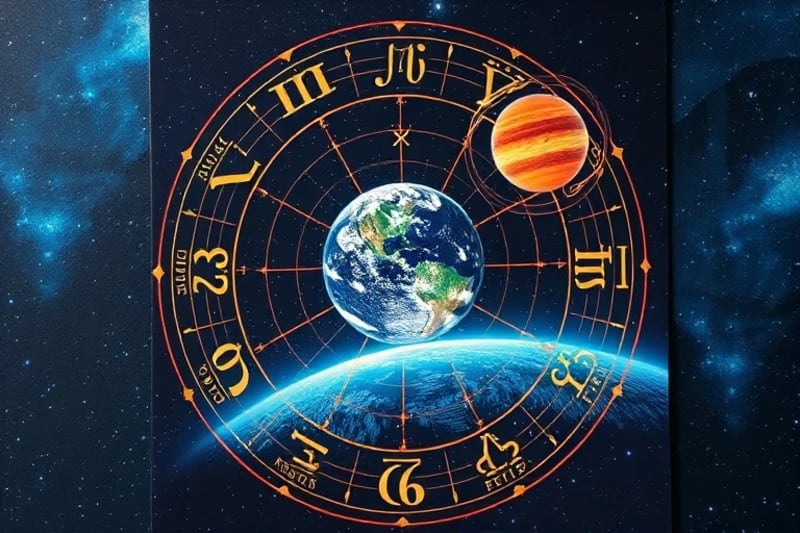 Conceptual representation of the ancient cosmos, illustrating the perceived order and interconnectedness of celestial bodies and human existence.
In many ancient cultures, astrologers were highly respected figures, advising rulers on matters of war, peace, and succession. The development of complex calendrical systems, like the Mayan Long Count, was intrinsically linked to astrological cycles, dictating auspicious times for ceremonies and agricultural activities. The concept of planetary influences, such as those associated with Uranus in modern astrology, has ancient roots in the attribution of specific qualities and powers to each celestial body.
The societal impact of these celestial narratives was profound. They provided a sense of order and predictability in a world often perceived as chaotic. Religious rituals were often timed to coincide with astronomical events, reinforcing the connection between the earthly and divine. This deep integration of celestial knowledge into every facet of life underscores the importance of astro-archeology in understanding the comprehensive worldview of ancient peoples. It helps us appreciate how they navigated their existence, guided by the silent, powerful narratives written in the stars.
Challenges and Future Directions
Despite its significant contributions, astro-archeology faces several challenges. One major hurdle is the accurate interpretation of ancient intentions. Distinguishing between deliberate astronomical alignments and coincidental orientations requires rigorous statistical analysis and a deep understanding of the cultural context. The degradation of ancient sites over millennia also complicates precise measurements and interpretations.
Furthermore, the ethical considerations of studying and preserving these sites are paramount. Researchers must navigate the complexities of indigenous rights, cultural heritage, and the potential for misinterpretation or exploitation of sacred knowledge. Adhering to astrological ethics and navigating boundaries responsibly is crucial for respectful and meaningful research.
Future directions in astro-archeology involve leveraging advanced technologies such as LiDAR, satellite imagery, and virtual reality to map and analyze sites with unprecedented accuracy. These tools can help uncover previously undetected alignments and provide new perspectives on known structures. Increased interdisciplinary collaboration, particularly with indigenous communities and cultural experts, will also be vital for enriching interpretations and ensuring respectful engagement with ancient heritage. The field continues to expand, promising to reveal even more about the intricate relationship between humanity and the cosmos.
Conclusion: Echoes of the Cosmos
Astro-archeology offers a compelling window into the minds of ancient peoples, demonstrating their profound observational skills, mathematical ingenuity, and deep spiritual connection to the heavens. From the megalithic circles of Europe to the pyramids of Mesoamerica and the temples of Egypt, ancient civilizations meticulously encoded their celestial narratives into the very fabric of their world. These narratives were not merely scientific records but comprehensive worldviews that guided their daily lives, religious practices, and understanding of existence.
By unearthing these celestial echoes, astro-archeology enriches our understanding of human history and the universal quest for meaning. It reminds us that long before telescopes and space probes, humanity looked to the stars for guidance, inspiration, and a profound sense of connection to something larger than themselves. The legacy of these ancient sky-watchers continues to resonate, inviting us to ponder our own place within the grand cosmic tapestry.
The study of ancient astronomical alignments provides critical insights into the cognitive and cultural development of early human societies. These alignments often reflect sophisticated observational practices and a deep integration of celestial knowledge into religious, social, and political structures. The precision observed in many monumental constructions indicates a long tradition of empirical observation and theoretical understanding of celestial mechanics.
Furthermore, the symbolic interpretations associated with these alignments underscore the holistic worldview of ancient peoples, where the natural world and the cosmos were seen as interconnected and imbued with profound meaning. This interdisciplinary approach, combining archaeology, astronomy, and anthropology, is essential for a comprehensive understanding of humanity's relationship with the universe throughout history.
Related Searches
- Advanced Planetary Dignities Beyond Rulerships Synastry Electional Astrology
- Planetary Dignities Electional Astrology Optimizing Timings
- Mindfulness Astrological Cycles Daily Practices
- Astro-Economics: Predicting Financial Markets Planetary Cycles
Source: Hybrid content assisted by AI and human editorial supervision.


Comments
Post a Comment