
Feng Shui Digital Nomads Harmonious Virtual Spaces
Feng Shui for Digital Nomads: Crafting Harmonious Virtual Spaces
In an increasingly interconnected world, the digital nomad lifestyle has soared in popularity, offering unparalleled freedom and flexibility. However, this freedom often comes with the challenge of constantly adapting to new environments, which can impact productivity, well-being, and overall harmony. This is where the ancient Chinese art of Feng Shui offers profound insights, providing a framework for creating balanced and supportive spaces, no matter how temporary or compact they may be. By consciously arranging our surroundings, even in a virtual or transient context, we can significantly influence our energy, focus, and success.
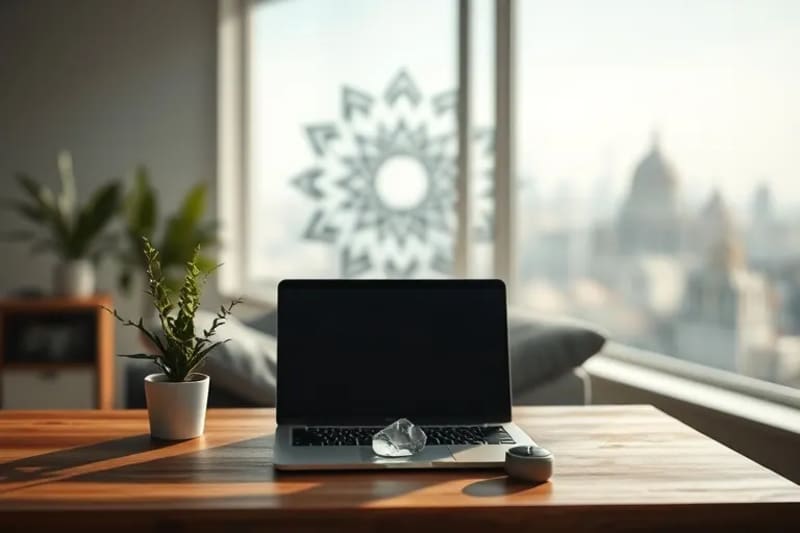
A tranquil digital nomad workspace, where thoughtful arrangement fosters focus and well-being amidst a dynamic lifestyle.
Feng Shui, which literally translates to "wind and water," is a pseudoscience and ancient Chinese practice of arranging buildings, objects, and space to achieve harmony and balance with the natural environment. Its core principle revolves around the concept of Qi (life force energy), aiming to optimize its flow to enhance health, wealth, and relationships. For digital nomads, this means transforming temporary apartments, co-working spaces, or even hotel rooms into personal sanctuaries that support their ambitious goals and nomadic spirit.
This guide explores how to adapt traditional Feng Shui principles to the unique challenges and opportunities of a nomadic existence, offering practical tips and strategies for cultivating harmonious virtual and physical spaces that empower productivity and peace of mind.
Table of Contents
- Understanding Feng Shui for the Modern Nomad
- Core Principles Adapted for Transient Spaces
- Optimizing Your Digital Nomad Workspace
- Harmonizing Your Temporary Home Away From Home
- The Five Elements in a Nomadic Context
- Feng Shui for Digital Well-being and Boundaries
- Overcoming Common Nomadic Feng Shui Challenges
- Benefits of Applying Feng Shui on the Go
- Conclusion: Empowering Your Nomadic Journey
- Frequently Asked Questions about Feng Shui for Digital Nomads
Understanding Feng Shui for the Modern Nomad
Feng Shui is not about rigid rules but about understanding how energy interacts with our environment and how we can influence it for our benefit. For digital nomads, this means cultivating an awareness of their surroundings, whether it's a bustling café, a quiet Airbnb, or a co-working space. The goal is to create a personal energetic bubble that supports their work, rest, and personal growth, regardless of the physical location.
The modern nomad often faces unique challenges: limited personal items, constantly changing layouts, and the need for quick adaptation. Traditional Feng Shui principles can be distilled into adaptable guidelines that focus on intention, decluttering, and strategic placement of the few items they carry. It's about making the most of what you have and where you are, rather than adhering to fixed architectural blueprints.
Core Principles Adapted for Transient Spaces
Several foundational Feng Shui concepts can be powerfully applied by digital nomads to enhance their temporary abodes and workspaces.
- The Commanding Position: This is arguably the most crucial principle. Your desk, bed, or primary seating area should be positioned so you can see the door without being directly in line with it. This provides a sense of security and control, allowing you to be aware of opportunities and potential challenges entering your space. For nomads, this might mean rearranging a small table or simply choosing a specific seat in a public space.
- Decluttering and Organization: Clutter obstructs the flow of Qi, creating stagnation and mental fog. For nomads, this principle is even more critical due to limited space. Regularly decluttering physical belongings and digital files is essential. A clean, organized space promotes clear thinking and reduces stress, making it easier to focus on work and embrace new experiences.
- Good Airflow and Natural Light: Fresh air and natural light are vital for healthy Qi. Open windows when possible, even for short periods, to circulate air. Maximize natural light by opening curtains or blinds. If natural light is scarce, use full-spectrum lighting to mimic daylight, which can boost mood and productivity.
- The Bagua Map (Simplified): The Bagua map divides a space into nine areas, each corresponding to a life aspect (e.g., wealth, relationships, career). While applying a full Bagua to every temporary room is impractical, nomads can focus on key areas. For instance, identify the "career" or "wealth" corner of your main workspace and place a small, symbolic item there, such as a plant (for growth) or a small, meaningful object.
Optimizing Your Digital Nomad Workspace
Whether it's a desk in a co-working space or a corner of a rented room, your workspace is central to your nomadic life. Applying Feng Shui here can significantly boost your productivity and creativity.
- Desk Placement: Always aim for the commanding position. If you can't face the door, place a small mirror on your desk to see what's behind you. Avoid facing a wall directly, as this can create a feeling of being blocked or limited. If unavoidable, place an inspiring image or a small plant on the wall to open up the energy.
- Declutter Your Digital Space: Beyond physical clutter, digital clutter can be equally detrimental. Organize your desktop, files, and email inbox. A clean digital environment reflects a clear mind.
- Lighting: Ensure adequate lighting, preferably natural. Supplement with task lighting that doesn't create harsh shadows. Warm, ambient lighting can be used for relaxation areas, while brighter, cooler light supports focus.
- Plants and Nature: Even a small succulent or air plant can bring vital wood energy into your space, promoting growth and vitality. If live plants are not feasible, images of nature can also help.
- Personal Touches: Carry a few small, meaningful items that bring you joy or represent your goals. These can be crystals, a small figurine, or a photo. These items ground your energy and create a sense of familiarity in new places.
Conceptual artwork depicting the vital energy flow, illustrating how it can be harnessed for a balanced nomadic lifestyle.
Harmonizing Your Temporary Home Away From Home
Your temporary living space is your sanctuary. Creating harmony here is crucial for rest and rejuvenation. Consider how daily planetary intentions can align with your efforts to create a peaceful environment.
- Bedroom Harmony: Your bed should be in a commanding position, ideally with a solid wall behind the headboard for support. Avoid placing your bed directly under a window or in line with the door. Keep the area under your bed clear to allow energy to flow freely, promoting better sleep.
- Entrance and First Impressions: The entrance to your temporary home is where Qi enters. Keep it clean, well-lit, and inviting. Even a small, portable welcome mat or a pleasant scent can make a difference.
- Bathroom Considerations: Bathrooms are considered drains of energy in Feng Shui. Keep the toilet lid down and the door closed to prevent good Qi from escaping. Use plants or vibrant colors to counteract the draining effect.
- Kitchen Functionality: If you have a kitchen, keep it clean and organized. The stove represents wealth, so ensure it's functional and used regularly.
The Five Elements in a Nomadic Context
The Five Elements (Wood, Fire, Earth, Metal, Water) represent different energies and can be incorporated through colors, materials, and shapes. Understanding their interplay, much like Chinese Zodiac elements, helps create balance.
| Element | Characteristics | Nomadic Application |
|---|---|---|
| Wood | Growth, vitality, creativity, new beginnings. | Small plants, wooden items, green/brown colors. |
| Fire | Passion, energy, recognition, inspiration. | Candles (safely), red/orange accents, triangular shapes, inspiring images. |
| Earth | Stability, grounding, nurturing, security. | Ceramic items, square shapes, earthy tones (yellow, brown), comfortable cushions. |
| Metal | Focus, clarity, precision, organization. | Metallic objects, white/grey colors, round shapes, efficient storage solutions. |
| Water | Flow, wisdom, intuition, connection, wealth. | Small water features (if practical), wavy patterns, blue/black colors, mirrors. |
By consciously incorporating elements that might be lacking in a temporary space, nomads can create a more balanced energetic environment. For example, if a space feels too sterile (excess Metal), adding a small plant (Wood) can introduce growth and vitality.
Feng Shui for Digital Well-being and Boundaries
The digital aspect of nomadic life also benefits from Feng Shui principles, particularly in establishing healthy boundaries and managing technology's impact.
- Designated Work and Rest Zones: Even in a small studio, try to mentally and physically separate your workspace from your sleeping area. Use screens, curtains, or even just the arrangement of furniture to create distinct zones. This helps your mind associate each area with its intended function, improving focus during work and relaxation during rest.
- Managing Electromagnetic Fields (EMFs): While not a traditional Feng Shui concept, modern practitioners acknowledge the impact of technology. Keep electronic devices, especially Wi-Fi routers and charging phones, away from your bed. Consider using natural materials around your workspace to help ground energy.
- Digital Detox Spaces: Designate a "no-tech" zone or time each day. This could be a specific chair for reading, a corner for meditation, or simply turning off notifications during meals. This practice supports mental clarity and reduces digital overload.

A conceptual representation of the Bagua map adapted for the global, dynamic lifestyle of a digital nomad, emphasizing balance and intention.
Overcoming Common Nomadic Feng Shui Challenges
The nomadic lifestyle presents unique obstacles to applying traditional Feng Shui, but creative solutions abound.
- Limited Space: Focus on multi-functional items and vertical storage. Even a small space can feel expansive if it's well-organized and free of clutter. Use mirrors to visually enlarge a room, but be mindful of what they reflect.
- Frequent Moves: Embrace a minimalist approach. Your "Feng Shui kit" can be a small bag of essentials: a favorite crystal, a small plant, a travel candle, or a meaningful photo. The power lies in your intention and consistency, not in elaborate setups.
- Rental Restrictions: Many temporary accommodations have rules against painting or major rearrangements. Focus on what you can control: decluttering, lighting, portable decor, and the energy you bring into the space. A simple rearrangement of existing furniture can often achieve a better flow.
- Public Workspaces: In co-working spaces or cafes, you can't control the overall layout. Focus on your immediate personal space. Use headphones to create an auditory boundary, position yourself in a commanding view, and keep your desk tidy. Your personal energy field is your most portable Feng Shui tool.
Benefits of Applying Feng Shui on the Go
Integrating Feng Shui into your nomadic routine offers a myriad of advantages that extend beyond mere aesthetics.
- Enhanced Productivity and Focus: A well-arranged workspace, free from distractions and with good energy flow, naturally leads to improved concentration and efficiency.
- Reduced Stress and Anxiety: Creating a sense of order and harmony in your immediate environment provides a psychological anchor, reducing the stress associated with constant change and uncertainty.
- Improved Well-being: Better sleep, a clearer mind, and a feeling of being supported by your surroundings contribute to overall physical and mental health.
- Increased Creativity: Spaces that encourage free flow of energy often stimulate creative thinking and problem-solving, essential for digital nomads.
- Greater Adaptability: By developing a conscious approach to your environment, you become more adept at quickly transforming any space into one that serves your needs, making transitions smoother.
Conclusion: Empowering Your Nomadic Journey
Feng Shui for digital nomads is not about rigid adherence to ancient rules but about intelligent adaptation and mindful intention. It's a powerful tool for creating stability and harmony in a life defined by movement. By understanding and applying these adaptable principles, digital nomads can transform any temporary space into a wellspring of positive energy, supporting their work, well-being, and continuous journey of exploration and growth. Embrace the wisdom of wind and water to empower your virtual and physical spaces, ensuring that every destination feels like a harmonious home.
Frequently Asked Questions about Feng Shui for Digital Nomads
Here are some common questions digital nomads have about applying Feng Shui principles to their unique lifestyle.
- How can I apply Feng Shui if I'm constantly moving? Focus on portable essentials like a small plant, a favorite crystal, or a meaningful photo. Prioritize decluttering, good lighting, and always aim for the commanding position for your workspace and bed. The intention you bring to each new space is key.
- Is it possible to use Feng Shui in a co-working space or café? Absolutely. While you can't control the entire environment, you can control your immediate personal space. Keep your area tidy, face the entrance if possible, and use headphones to create a sound barrier. Your mindful presence and organized setup will still influence your personal energy.
- What are the most important Feng Shui principles for nomads? The most critical principles are the commanding position for your desk and bed, decluttering both physical and digital spaces, ensuring good airflow and natural light, and incorporating elements that bring you joy and represent your goals.
- How do I deal with unfavorable layouts in temporary rentals? Focus on mitigation. If your bed faces the door, use a screen or curtain. If you face a wall, place an inspiring image. Use mirrors strategically to expand space or reflect positive views. The goal is to make small, impactful adjustments rather than major renovations.
Explore Further: Related Insights
- Jupiter Houses: Expansion, Fortune, Birth Chart
- Daily Planetary Intentions: Co-create Horoscope Guidance
- Astral Projection: Exploring Beyond Physical Body
- Snake Chinese Zodiac: 2024 Forecast
- Part of Fortune: Locating Your Path to Happiness
- Square Aspects Natal Chart: Unpacking Dynamic Tensions
- Pig Rooster Compatibility: Chinese Zodiac Insights
- Fixed Stars Karmic Destiny Natal Chart Analysis
- AI Dream Interpretation: Decoding Symbolic Language
- Chiron in Astrology: Healing Your Deepest Wounds
- Planetary Aspects Alchemy: Challenges Opportunities Astrology
- Asteroids Astrology: Minor Planet Influences
- Augmented Reality in Manufacturing 4.0
- Korean Jusan Abacus: History, Design, Cognitive Benefits
- AI in Supply Chain: Optimization, Efficiency, Logistic Future
- Mars Transits: Energy, Action, Goal Conquest
- Astrology & Lucid Dreams: Explore Cosmic Unconscious
- Fixed Stars and Critical Degrees in Natal Chart
- Guided Meditations: Angels, Archangels, Celestial Connection
- Transfiguration of Jesus: Celestial Glory and Meaning
- Rosary of Holy Wounds: Devotion and Passion of Christ
Source: Hybrid content assisted by AI and human editorial supervision.


Comments
Post a Comment