
Guided Meditation Lunar Phases Emotional Well-being
In our fast-paced modern world, finding moments of peace and emotional balance can be a significant challenge. Many ancient traditions and contemporary wellness practices suggest that aligning with natural rhythms, such as the lunar cycle, can profoundly enhance our well-being. Guided meditation, when synchronized with the moon's phases, offers a powerful pathway to tap into these cosmic energies for emotional healing and growth.
This comprehensive guide explores how to integrate lunar phases into your meditation practice, providing specific techniques for each stage of the moon's journey. By understanding the unique energetic qualities of the New Moon, Waxing Moon, Full Moon, and Waning Moon, you can tailor your meditative intentions and practices to foster greater emotional clarity, release, and manifestation.

A serene woman finds inner peace through meditation, bathed in the gentle glow of a full moon within an ethereal forest.
Table of Contents
- Introduction to Lunar Meditation
- Understanding the Lunar Cycle and Its Energetics
- Core Principles of Lunar Meditation
- Guided Meditations for Each Lunar Phase
- Benefits of Lunar Phase Meditation
- Practical Tips for Your Lunar Meditation Practice
- Scientific Perspectives on Meditation and Well-being
- Conclusion: Harmonizing with Cosmic Rhythms
Introduction to Lunar Meditation
The moon, our closest celestial neighbor, has long been associated with emotions, intuition, and the subconscious mind. Its gravitational pull influences tides, and many believe it also subtly affects human energy and mood. Integrating guided meditation with the moon's various phases offers a unique approach to emotional well-being, allowing us to flow with natural cycles rather than against them.
This practice is not merely about observing the moon; it's about consciously aligning our inner world with its external rhythm. By doing so, we can enhance our self-awareness, facilitate emotional processing, and cultivate a deeper connection to the universal energies that surround us. It’s a holistic method that combines ancient wisdom with modern mindfulness techniques.
Understanding the Lunar Cycle and Its Energetics
The lunar cycle spans approximately 29.5 days, moving through eight distinct phases, each carrying a unique energetic signature. Understanding these energies is crucial for tailoring your meditation practice effectively. Each phase provides a natural backdrop for specific types of emotional work and intention setting.
- New Moon: Represents new beginnings, introspection, and setting intentions. It's a time for planting seeds for future growth.
- Waxing Crescent & First Quarter: Symbolizes growth, action, and overcoming initial challenges. Energy builds, encouraging forward movement.
- Waxing Gibbous: A period of refinement and adjustment before the culmination. It's about fine-tuning your efforts and preparing for manifestation.
- Full Moon: The peak of the cycle, representing illumination, culmination, and release. Emotions can be heightened, making it ideal for letting go.
- Waning Gibbous & Last Quarter: A time for reflection, gratitude, and discerning what to release. Energy begins to decrease, encouraging introspection.
- Waning Crescent: The final stage before the New Moon, perfect for deep cleansing, surrender, and rest. It’s about preparing for a new cycle.
Each phase offers a unique opportunity to engage with your emotional landscape. For instance, the New Moon's energy is conducive to introspection and goal-setting, while the Full Moon invites release and celebration of what has manifested. This cyclical approach can bring a profound sense of rhythm and purpose to your inner work.
Core Principles of Lunar Meditation
Regardless of the lunar phase, several core principles underpin an effective guided meditation practice. These foundations ensure that your sessions are grounded, mindful, and conducive to emotional well-being. Consistency and a gentle approach are key to unlocking the full potential of this practice.
- Mindfulness and Presence: The ability to be fully present in the moment, observing thoughts and feelings without judgment. This forms the bedrock of any meditation.
- Breathwork: Conscious breathing helps to calm the nervous system, focus the mind, and connect with your inner self. Deep, rhythmic breaths are fundamental.
- Intention Setting: Clearly defining what you wish to achieve or release during your meditation. This directs your energy and focus, especially potent during specific lunar phases.
- Visualization: Using mental imagery to enhance your meditative experience, such as visualizing the moon's light or the manifestation of your intentions.
- Non-Attachment: Allowing thoughts and emotions to pass without clinging to them. This fosters emotional resilience and detachment from negative patterns.
By cultivating these principles, you create a fertile ground for emotional transformation. The lunar phases then act as a natural guide, amplifying the effects of your intentions and helping you navigate your inner world with greater ease and wisdom. This practice can also be seen as a form of shadow work, as it encourages deep self-reflection and integration of all aspects of the self.
Guided Meditations for Each Lunar Phase
Here, we delve into specific guided meditation practices tailored to each major lunar phase, designed to optimize your emotional well-being. Each meditation aims to harness the unique energy of the moon at that particular time, guiding you through processes of introspection, growth, release, and reflection.
New Moon: Intentions and New Beginnings
The New Moon is a potent time for introspection and planting seeds for new beginnings. Its dark sky invites us to look inward and clarify our desires. This meditation focuses on setting clear intentions for the upcoming lunar cycle, aligning your emotional goals with universal creative energy.
- Preparation: Find a quiet space. Light a candle or diffuse essential oils. Have a journal nearby.
- Centering: Close your eyes and take several deep breaths, inhaling peace and exhaling tension. Feel yourself grounding into the earth.
- Visualization: Imagine yourself under a dark, star-filled sky. See a tiny, luminous seed in your hands. This seed represents an intention you wish to cultivate—perhaps emotional resilience, self-love, or clarity.
- Intention Setting: Clearly articulate your intention in your mind or whisper it aloud. Focus on how this intention feels in your body.
- Planting the Seed: Visualize burying the seed in fertile soil, knowing it will grow with the moon's light. Feel a sense of hope and anticipation.
- Affirmation: Repeat a mantra like, "I am open to new beginnings and manifest my highest good."
- Integration: Gently return to your surroundings. Journal about your intentions and how you felt during the meditation.
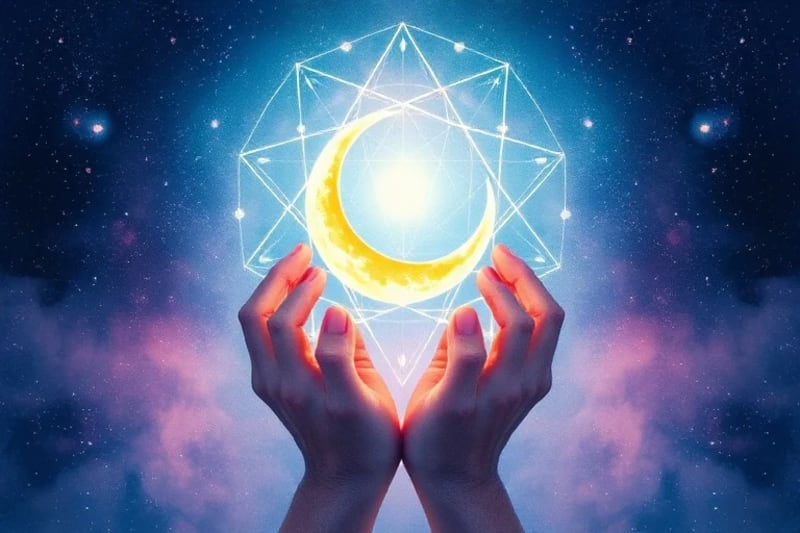
Gentle hands cradle a radiant crescent moon, symbolizing the delicate promise of new beginnings and growth.
Waxing Moon: Growth and Action
As the moon waxes, its light grows, symbolizing increasing energy and momentum. This phase is ideal for taking action on your New Moon intentions and nurturing their growth. This meditation focuses on building confidence and overcoming obstacles, while also fostering positive emotional states.
- Preparation: Sit comfortably, perhaps facing the waxing moon if visible.
- Breathing: Engage in energizing breathwork, like Kapalabhati (skull shining breath) if comfortable, or simply deep, intentional breaths.
- Visualization: Imagine your New Moon intention as a sprout pushing through the soil, reaching for the sun. Feel its inherent strength and resilience.
- Overcoming Obstacles: Visualize any challenges as gentle breezes that only make the sprout stronger, bending but not breaking. Affirm your ability to navigate difficulties.
- Empowerment: Feel a surge of confidence and determination within you. Connect with your inner strength and sense of purpose.
- Affirmation: Repeat, "I am growing stronger each day, and my intentions are manifesting with ease."
- Integration: Carry this feeling of empowerment into your day. Take a small, concrete step towards one of your intentions.
Full Moon: Release and Culmination
The Full Moon illuminates everything, bringing emotions to the surface. It's a powerful time for culmination, gratitude, and especially, release. This meditation helps you acknowledge what has come to fruition and consciously let go of what no longer serves your highest emotional good. This can include negative thought patterns or unhealthy attachments, often explored in practices like energetic cord cutting.
- Preparation: Meditate under the direct light of the Full Moon if possible, or visualize its brilliance.
- Deep Breathing: Take long, slow, deep breaths, allowing your body to relax completely.
- Gratitude: Reflect on all you have achieved and received since the New Moon. Feel genuine gratitude for your journey.
- Identification of Release: Bring to mind any emotions, patterns, or situations that are holding you back. Acknowledge them without judgment.
- Visualization of Release: Imagine the Full Moon's light washing over you, dissolving these burdens. Visualize them as mist or smoke rising and dissipating into the night sky.
- Affirmation: Repeat, "I release all that no longer serves me with love and gratitude, making space for new blessings."
- Integration: Consider a symbolic act of release, such as writing down what you're letting go of and safely burning the paper (if appropriate).
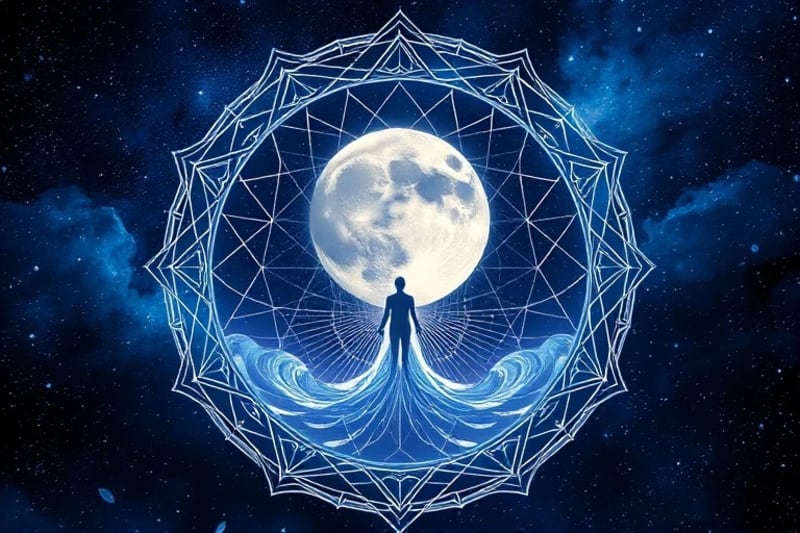
Abstract digital art depicts lunar energy flowing into a human form, surrounded by symbols of emotional equilibrium and liberation.
Waning Moon: Reflection and Letting Go
As the moon wanes, its light diminishes, inviting us into a period of reflection, introspection, and deep cleansing. This phase is about processing experiences, integrating lessons learned, and preparing for the next cycle by shedding what is no longer needed. It is a time for quiet contemplation and emotional renewal.
- Preparation: Create a cozy, introspective environment. Dim the lights, perhaps play soft, calming music.
- Body Scan: Lie down or sit comfortably. Perform a gentle body scan, noticing any areas of tension or emotional residue.
- Reflection: Mentally review the past lunar cycle. What lessons did you learn? What experiences shaped you?
- Gentle Release: As you exhale, imagine releasing any lingering emotions, regrets, or attachments from the previous cycle. Visualize them gently drifting away with the waning light of the moon.
- Self-Compassion: Offer yourself kindness and understanding for your journey. Acknowledge your efforts and growth.
- Affirmation: Repeat, "I am releasing what no longer serves me, embracing wisdom, and preparing for renewal."
- Integration: Journal about your reflections. Consider decluttering your physical space, mirroring the emotional cleansing.
Benefits of Lunar Phase Meditation
Engaging in lunar phase meditation offers a myriad of benefits for emotional well-being, extending beyond the meditative moments themselves. This practice fosters a deeper connection to oneself and the natural world, promoting holistic health. Understanding your horoscope or birth chart can further deepen this understanding by revealing your personal lunar influences.
- Enhanced Emotional Awareness: By tuning into the moon's phases, you become more attuned to your own emotional fluctuations and patterns.
- Stress Reduction: Regular meditation, especially when aligned with natural cycles, significantly reduces stress and anxiety levels.
- Improved Emotional Regulation: The practice provides tools to process and release emotions in a healthy, constructive manner, preventing emotional buildup.
- Increased Self-Compassion: Understanding that emotional cycles are natural, like lunar cycles, fosters greater self-acceptance and kindness.
- Boosted Intuition: Connecting with the moon, often associated with the subconscious, can sharpen your intuitive insights and inner guidance.
- Greater Sense of Purpose: Aligning intentions with lunar phases can bring clarity and direction to your goals and life path.
- Connection to Nature: This practice deepens your appreciation and connection to the rhythms of the natural world, fostering a sense of belonging.
These benefits contribute to a more balanced, resilient, and emotionally intelligent self. The cyclical nature of the practice reinforces the idea that life, like the moon, moves through phases of growth, culmination, and release, all essential for evolution.
Practical Tips for Your Lunar Meditation Practice
To maximize the effectiveness of your lunar meditation journey, consider incorporating these practical tips into your routine. These suggestions aim to create a supportive environment and foster consistency in your practice, ensuring a profound and lasting impact on your emotional well-being.
- Create a Sacred Space: Designate a quiet corner in your home for meditation. This space can include elements like crystals, candles, plants, or images that inspire peace.
- Track the Lunar Cycle: Use a lunar calendar or an app to stay informed about the current moon phase. This helps you plan your meditations accordingly.
- Journaling: Keep a lunar journal to record your intentions, reflections, emotional shifts, and insights gained during each phase. This helps track your progress.
- Consistency over Duration: Short, consistent meditations are more beneficial than infrequent, long ones. Aim for 10-15 minutes daily, adjusting to the moon's energy.
- Listen to Guided Meditations: If you're new to meditation, use guided audio tracks specifically designed for lunar phases. Many are available online.
- Connect with Nature: Spend time outdoors during different moon phases. Observe the moon directly, feel its presence, and connect with the natural world.
- Be Patient and Kind to Yourself: Emotional well-being is a journey, not a destination. Embrace the process with self-compassion and allow for natural fluctuations.
By integrating these tips, you create a holistic practice that supports your emotional landscape through every turn of the lunar cycle. This dedication can lead to a more profound and sustainable sense of inner peace and emotional resilience. Furthermore, understanding how your Venus zodiac sign influences your love language and values can provide additional insights into your emotional needs and how they interact with lunar energies.
Scientific Perspectives on Meditation and Well-being
While the direct correlation between lunar phases and human emotions is often explored in spiritual and esoteric contexts, the benefits of meditation for emotional well-being are extensively supported by scientific research. Mindfulness-based practices have been shown to have tangible positive effects on the brain and body, contributing to overall mental health.
- Neuroplasticity: Studies indicate that regular meditation can lead to changes in brain structure, particularly in areas associated with emotion regulation, self-awareness, and memory (e.g., the prefrontal cortex and hippocampus).
- Stress Reduction: Meditation activates the parasympathetic nervous system, counteracting the "fight or flight" response and reducing levels of stress hormones like cortisol.
- Emotional Regulation: Mindfulness training helps individuals observe their emotions without getting overwhelmed, fostering a greater capacity to respond thoughtfully rather than react impulsively.
- Improved Mood: Consistent practice can alleviate symptoms of depression and anxiety, promoting feelings of calm and contentment.
- Enhanced Focus: Meditation strengthens attentional control, leading to improved concentration and mental clarity in daily life.
From a scientific standpoint, integrating meditation into your routine, regardless of its alignment with lunar phases, offers robust benefits for emotional health. The lunar framework merely provides an additional layer of intention and structure that many find deeply resonant and motivating for their practice. It serves as a natural calendar for self-care and emotional check-ins.
Conclusion: Harmonizing with Cosmic Rhythms
Guided meditation for emotional well-being during lunar phases offers a profound and enriching path to inner harmony. By consciously aligning with the moon's cyclical journey, we can tap into ancient wisdom and natural rhythms to support our emotional landscape. This practice encourages introspection, facilitates growth, aids in release, and promotes deep reflection, fostering a more balanced and resilient self.
Whether you are seeking to set new intentions, release old patterns, or simply cultivate a deeper connection to yourself and the cosmos, lunar meditation provides a powerful framework. Embrace the moon's guidance, and allow its gentle light to illuminate your path toward lasting emotional well-being and spiritual growth. The journey is continuous, much like the moon's eternal dance across the night sky.
Explore More Insights
Deepen your understanding of spiritual and astrological concepts with our curated resources:
- Archetypal Shadow Work: Integrating Jungian Wholeness
- Techno-Shamanism Digital Age Integrating Ancient Rituals
- Digital Alchemy AI-Powered Sigils Virtual Manifestation
- Astro-Archaeology Unearthing Ancient Celestial Narratives
- Nodos Lunares Casas: Camino del Alma en Carta Natal
- Oración Sanación Interior: Guía para la Paz Emocional
Source: Hybrid content assisted by AI and human editorial supervision.


Comments
Post a Comment