
AI Astrology: Ethical Implications, Future Cosmic Readings
The convergence of Artificial Intelligence (AI) and astrology marks a fascinating frontier, promising to revolutionize how individuals engage with cosmic insights. This emerging field, often termed AI astrology, leverages advanced algorithms and machine learning to analyze vast datasets of astrological information, from planetary positions to historical events, offering interpretations that aim to be both precise and deeply personalized. As technology continues its rapid advancement, the integration of AI into ancient practices like astrology presents both exciting opportunities and complex ethical challenges that warrant careful consideration.
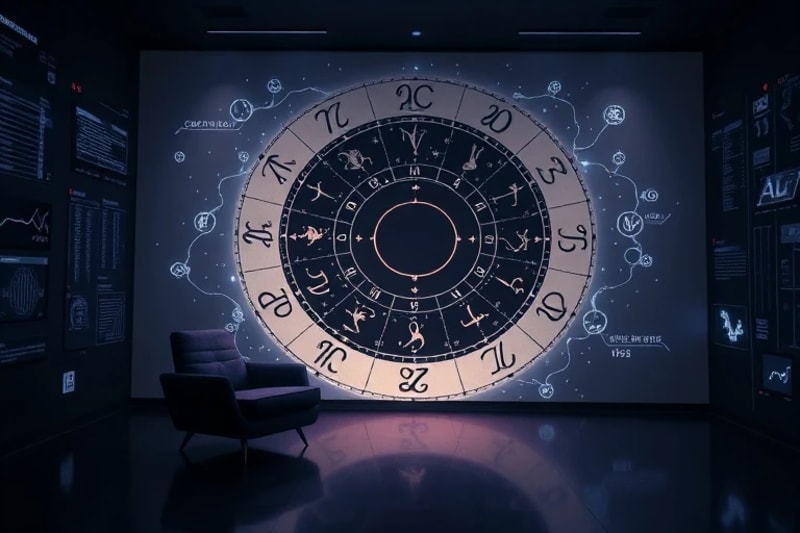
Conceptual representations and advanced algorithmic interpretations illustrating the synthesis of Artificial Intelligence with cosmic readings.
Fuente visual sujeta a disponibilidad del ecosistema: Wikimedia Commons bajo licencia CC BY-SA 4.0 o renderizado conceptual IA.Historically, astrology has relied on human interpretation, intuition, and extensive study of celestial mechanics. Astrologers spend years mastering the intricate symbolism of zodiac signs, planetary aspects, and houses, developing a nuanced understanding that goes beyond mere calculation. The introduction of AI, however, brings the potential for unprecedented computational power, capable of processing millions of birth charts, identifying patterns, and even predicting trends with a speed and scale impossible for human practitioners. This shift necessitates a re-evaluation of what constitutes an astrological reading and how its insights are derived and communicated.
The core appeal of AI in astrology lies in its ability to offer highly individualized readings. By feeding an AI model a person's precise birth data—date, time, and location—along with a wealth of astrological knowledge, the system can generate comprehensive reports that delve into personality traits, life paths, and potential challenges. These readings can be far more detailed and exhaustive than what a human astrologer might provide in a single session, making cosmic insights more accessible to a broader audience. However, this accessibility also raises questions about the depth and authenticity of such interpretations.
Table of Contents
● The Dawn of AI in Astrology: A New Paradigm
● Ethical Considerations: Navigating the Digital Cosmos
● The Promise and Peril of Algorithmic Interpretations
● Future Trends: Personalization and Predictive Power
● Human Intuition vs. Machine Logic: A Symbiotic Future
● Regulatory Frameworks and Data Privacy in AI Astrology
The Dawn of AI in Astrology: A New Paradigm
The integration of AI into astrology is not merely about automating calculations; it represents a fundamental shift in how we approach cosmic interpretation. Traditional astrology relies heavily on the astrologer's accumulated wisdom, intuitive understanding, and ability to synthesize complex symbolic meanings within a human context. AI, conversely, operates on algorithms, pattern recognition, and statistical analysis. It can identify correlations between planetary alignments and life events that might be too subtle or numerous for human observation alone.
For instance, an AI system could analyze millions of birth charts alongside biographical data to pinpoint specific planetary configurations that consistently correlate with certain career paths, relationship dynamics, or health predispositions. This data-driven approach offers a level of empirical validation that has often been sought in astrological studies. However, it also raises questions about the nature of astrological truth: is it purely statistical, or does it encompass a deeper, more qualitative layer of meaning that AI might struggle to grasp?
The potential for AI to enhance astrological research is immense. Researchers could use AI to test long-held astrological hypotheses, explore the impact of lesser-known celestial bodies, or even develop new interpretive models based on previously undiscovered patterns. This could lead to a more scientific and evidence-based understanding of astrological principles, bridging the gap between ancient wisdom and modern empirical methods. The field of cosmic omens and esoteric symbols could be profoundly enriched by AI's capacity to process and connect disparate pieces of information.
Ethical Considerations: Navigating the Digital Cosmos
As AI delves deeper into personal and spiritual guidance, a multitude of ethical concerns arise. Foremost among these is data privacy. Astrological readings require highly personal information, including birth date, time, and location. When this data is fed into AI systems, especially those developed by third-party companies, there is a significant risk of misuse, breaches, or unauthorized sharing. Robust data protection protocols, transparent data handling policies, and user consent mechanisms are paramount to safeguard sensitive personal information.
Another critical ethical issue is algorithmic bias. AI models learn from the data they are trained on. If this data reflects societal biases—for example, if historical astrological interpretations disproportionately favor certain demographics or perpetuate stereotypes—the AI will inevitably replicate and even amplify these biases in its readings. This could lead to discriminatory or inaccurate advice, particularly concerning sensitive topics like relationships, career, or health. Ensuring diverse and unbiased training datasets is crucial to mitigate this risk.
The intricate dance between neural networks and celestial symbolism, illustrating the algorithmic heart of AI-driven astrological insights.
The potential for over-reliance on AI-generated readings also poses an ethical dilemma. While AI can provide extensive information, it lacks human empathy, intuition, and the ability to engage in a nuanced dialogue. Users might become overly dependent on AI predictions, potentially diminishing their own critical thinking, decision-making skills, and spiritual growth. The human element in astrological consultation often involves active listening, compassionate guidance, and the ability to interpret symbols in a way that resonates deeply with an individual's lived experience, aspects that AI currently cannot fully replicate.
The Promise and Peril of Algorithmic Interpretations
The promise of AI in astrology is its capacity to democratize access to complex astrological knowledge. No longer would one need years of study or expensive consultations to gain insights into their natal chart or planetary transits. AI platforms could offer instant, affordable, and detailed reports, making astrological wisdom available to anyone with an internet connection. This could empower individuals to better understand themselves and their cosmic blueprint, fostering a greater sense of self-awareness and personal agency.
Moreover, AI could help in identifying patterns across various astrological systems, such as Western, Vedic, or Chinese astrology, leading to a more holistic and integrated understanding of cosmic influences. Imagine an AI capable of synthesizing insights from a natal chart, a critical degrees karmic hotspots birth chart analysis, and even a Mayan cosmic calendar, offering a multi-layered perspective that transcends traditional boundaries. This cross-cultural synthesis could unlock new dimensions of astrological interpretation.
However, the peril lies in the reduction of astrology to a purely mechanistic system. Astrology, at its heart, is a symbolic language that speaks to the human soul. It deals with archetypes, metaphors, and the subtle interplay of energies that defy simple quantification. An AI, no matter how advanced, processes information based on predefined rules and statistical correlations. It may struggle to grasp the poetic, spiritual, and deeply personal resonance that an astrological symbol can hold for an individual. The risk is that AI-generated readings might be technically accurate but spiritually hollow, lacking the depth and transformative power that a human astrologer can facilitate.
Future Trends: Personalization and Predictive Power
Looking ahead, several trends are likely to shape the future of AI in cosmic readings. One major trend is hyper-personalization. Beyond static birth chart reports, AI could offer dynamic, real-time astrological guidance tailored to an individual's current life circumstances, emotional state, and even biometric data. Imagine an AI that not only tells you about your daily transits but also suggests specific practices or meditations based on your current mood, sleep patterns, or even genetic predispositions, blending astrology with biohacking principles.
Another significant trend is enhanced predictive power. While traditional astrology offers insights into potential future energies, AI could refine these predictions by analyzing vast historical data and identifying more precise correlations between astrological events and outcomes. This could lead to more accurate forecasts for personal life, global events, or even market trends. However, it's crucial to remember that astrology typically speaks of tendencies and potentials, not deterministic fate. AI must be programmed to reflect this nuance, avoiding the creation of rigid or fear-inducing predictions.
A conceptual bridge where human curiosity meets algorithmic precision, symbolizing the collaborative future of spiritual inquiry and artificial intelligence.
Furthermore, AI could facilitate interactive and adaptive learning experiences. Users could engage with AI astrologers in conversational interfaces, asking specific questions and receiving tailored explanations. This could make learning astrology more accessible and engaging, transforming complex concepts into digestible insights. Such advancements could also extend to specialized areas like astrology for parents, providing AI-driven insights into a child's natal chart for better understanding and guidance.
Human Intuition vs. Machine Logic: A Symbiotic Future
The ongoing debate between human intuition and machine logic is particularly pertinent in the realm of AI astrology. While AI excels at processing data and identifying patterns, it lacks the subjective experience, emotional intelligence, and spiritual insight that human astrologers bring to their practice. A human astrologer can interpret a challenging planetary aspect not just as a statistical probability of difficulty, but as an opportunity for growth, a call to introspection, or a reflection of a deeper soul journey. This nuanced understanding is often derived from years of experience, personal wisdom, and an empathetic connection with the client.
Therefore, the most promising future for AI astrology may lie in a symbiotic relationship between human and machine. AI could serve as a powerful tool for astrologers, handling the laborious calculations, data analysis, and initial report generation. This would free up human practitioners to focus on the more qualitative, intuitive, and counseling aspects of their work. Astrologers could use AI-generated reports as a foundation, then add their unique insights, provide emotional support, and guide clients through complex interpretations, ensuring that the readings remain deeply human and transformative.
This collaborative model would leverage the strengths of both entities: AI's computational prowess for accuracy and breadth, and human intuition for depth, empathy, and personalized guidance. It would ensure that astrology evolves with technology without losing its soul. The integration could also extend to other esoteric practices, where AI could help in mapping and understanding the intricate connections within Akashic Records or other spiritual libraries, providing a framework for human interpretation.
Regulatory Frameworks and Data Privacy in AI Astrology
Given the sensitive nature of personal data used in astrological readings and the potential for AI to influence personal decisions, the development of robust regulatory frameworks is becoming increasingly important. These frameworks should address issues such as data ownership, consent, transparency in algorithmic decision-making, and accountability for inaccurate or biased readings. Governments and industry bodies may need to collaborate to establish guidelines that protect consumers while fostering innovation in the AI astrology space.
Transparency is key. Users should be fully informed about how their data is collected, stored, and used by AI astrology platforms. They should also understand the limitations of AI interpretations and the extent to which human oversight is involved. Clear disclaimers and educational resources can help manage expectations and prevent over-reliance on purely algorithmic advice. Furthermore, mechanisms for users to challenge or correct AI-generated information should be in place, ensuring a degree of user control and recourse.
The ethical development of AI astrology also calls for ongoing dialogue among astrologers, AI developers, ethicists, and legal experts. This interdisciplinary approach can help anticipate potential pitfalls, design responsible AI systems, and ensure that the integration of technology serves to enhance, rather than diminish, the rich tradition of cosmic guidance. As with any powerful technology, the ethical implications must be considered from the outset to ensure a beneficial and sustainable future.
In conclusion, the astrology of Artificial Intelligence represents a transformative chapter in our understanding of cosmic influences. While offering unparalleled opportunities for personalization, research, and accessibility, it also brings forth critical ethical considerations regarding data privacy, algorithmic bias, and the balance between machine logic and human intuition. The path forward lies in a thoughtful, symbiotic integration where AI acts as a powerful assistant, augmenting the wisdom of human astrologers and empowering individuals with deeper, yet ethically sound, cosmic insights. The future of cosmic readings is not just about more data, but about wiser, more responsible interpretations that honor both ancient traditions and cutting-edge technology.
Explore More Cosmic Insights
Aquarius Zodiac Sign: Traits, Innovation, Humanitarian Ideals
Lilith Signs Houses: Wild Feminine & Primal Nature
Aura Cleansing Techniques: Energy Field Protection Guide
Quantum Entanglement Synastry: Non-Local Soul Connections
Cardinal Fixed Mutable Signs: Astrological Modalities Explained
Chart Patterns Astrology: Grand Trines, T-Squares, Yods Explained
Social Robotics: Geriatric and Therapeutic Assistance (Althox)
Elective Astrology: Perfect Timing for Important Decisions (AstroFuturo)
Source: Hybrid content assisted by AI and human editorial supervision.


Comments
Post a Comment