
Astrology for Parents: Understanding Child's Natal Chart | StarPluto
Parenting is a journey filled with both immense joy and profound challenges. Every child is a unique individual, a complex tapestry of personality, emotions, and potential. While traditional psychology and developmental theories offer invaluable insights, an increasing number of parents are turning to astrology as an additional tool to better understand their children. The child's natal chart, a cosmic blueprint of the sky at the exact moment of their birth, can offer a fascinating perspective on their innate traits, needs, and life path.
This guide aims to introduce parents to the foundational concepts of a child's natal chart, providing an educational and informed approach to using astrological insights for more empathetic and effective parenting. By understanding the celestial influences at play, parents can foster an environment that truly supports their child's authentic self, helping them to navigate their strengths and challenges with greater awareness and love.
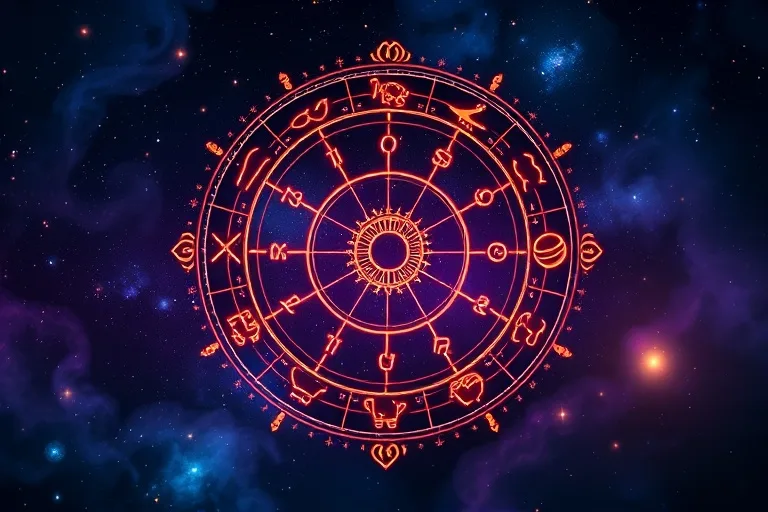
The natal chart provides a comprehensive map of a child's inherent predispositions and potential.
Understanding the Child's Natal Chart: Key Components
A natal chart is essentially a snapshot of the heavens at the precise moment and location of a child's birth. It is a circular diagram divided into twelve houses, representing different areas of life, and features the twelve zodiac signs, the Sun, Moon, and planets, each positioned in a specific sign and house. The relationships between these celestial bodies, known as aspects, further refine the interpretation, offering a nuanced understanding of the child's psychological and behavioral patterns.
For parents, focusing on a few core elements can provide significant insights without requiring an in-depth mastery of complex astrological calculations. These primary components offer a solid foundation for understanding your child's unique energetic signature and their fundamental needs.
- The Sun Sign: Core Identity and Ego: This is the most commonly known astrological placement, often simply referred to as "your zodiac sign." In a child's chart, the Sun represents their fundamental identity, their conscious self, and their drive for self-expression. It indicates their core personality traits, their natural vitality, and what makes them feel alive and recognized. For example, a child with a Leo Sun might naturally seek attention and express themselves creatively, while a Virgo Sun child might be more analytical and detail-oriented.
- The Moon Sign: Emotional Nature and Security: The Moon in a child's chart reveals their emotional landscape, their unconscious needs, and how they seek comfort and security. It speaks to their deepest feelings, their reactions to stress, and their relationship with their primary caregiver. Understanding your child's Moon sign can help you provide the specific type of emotional support they require. A Cancer Moon child, for instance, might need constant reassurance and a strong sense of belonging, whereas an Aquarius Moon child might crave emotional independence and intellectual stimulation.
- The Ascendant (Rising Sign): First Impressions and Approach to Life: The Ascendant represents the zodiac sign that was rising on the eastern horizon at the moment of birth. It governs the child's outward personality, their initial reactions, and how they present themselves to the world. It's their "mask" or the lens through which they interact with their environment. A child with an Aries Ascendant might appear energetic and direct, while a Libra Ascendant child might be naturally diplomatic and focused on harmony.
- Planetary Placements: Specific Drives and Functions: Each planet in the natal chart symbolizes a different psychological function or drive.
- Mercury: Communication and Learning: Mercury's placement indicates how your child thinks, learns, and communicates. A Gemini Mercury might be quick-witted and curious, while a Taurus Mercury might learn best through practical, hands-on experiences.
- Venus: Love, Values, and Affection: Venus reveals what your child values, how they give and receive affection, and their aesthetic preferences. A Pisces Venus might be highly empathetic and artistic, while a Capricorn Venus might express love through practical acts of service.
- Mars: Energy, Action, and Assertiveness: Mars shows how your child asserts themselves, their energy levels, and how they handle anger or frustration. A Scorpio Mars might be intensely focused and strategic, while a Sagittarius Mars might be adventurous and impulsive.
- The Houses: Areas of Life: The twelve houses of the natal chart represent different spheres of life. For a child, these houses can indicate where their energy is naturally directed, what areas of life will be significant for their development, and where they might experience growth or challenges. For example, planets in the 1st House (Self) emphasize self-identity, while planets in the 4th House (Home and Family) highlight their need for roots and emotional security.
Practical Applications for Parents: Nurturing Your Child's Potential
Understanding these core astrological components can empower parents to create a more supportive and enriching environment for their children. It's not about pigeonholing a child into a specific type, but rather recognizing their inherent qualities and adapting parenting strategies to align with their unique energetic blueprint. This approach fosters a deeper connection and minimizes potential friction arising from misunderstood needs.
Here are several practical ways parents can apply natal chart insights:
- Understanding Behavior and Temperament:
A child's Sun, Moon, and Ascendant signs offer profound clues about their fundamental temperament. For example, a child with a fiery Sun sign (Aries, Leo, Sagittarius) might exhibit more energy, enthusiasm, and a need for independence, while an earthy Sun sign (Taurus, Virgo, Capricorn) might be more grounded, practical, and resistant to change. Recognizing these innate tendencies can help parents avoid misinterpreting behaviors as defiance or stubbornness, instead seeing them as expressions of their child's core nature.
Similarly, the Moon sign sheds light on their emotional reactions. A child with a water Moon (Cancer, Scorpio, Pisces) might be highly sensitive and absorb the emotions of those around them, needing a safe space to process feelings. A child with an air Moon (Gemini, Libra, Aquarius) might intellectualize emotions and prefer to talk things through. Adjusting your emotional responses and communication style to match their needs can significantly improve emotional regulation and connection.
- Tailoring Parenting Approaches:
Astrology encourages a personalized parenting style. If your child has a strong emphasis on independence (e.g., prominent Mars or Uranus), allowing them more autonomy within safe boundaries will likely be more effective than strict control. Conversely, a child with strong Saturnian influences might thrive with clear rules, routines, and a sense of structure. The natal chart helps identify what motivates your child and what kind of discipline or encouragement resonates most effectively with them.
- Supporting Strengths and Challenges:
Each planetary placement highlights areas of natural talent and potential challenges. For instance, a child with Mercury in a creative sign like Pisces or Leo might excel in imaginative writing or performing arts. A challenging aspect to Mercury could indicate learning difficulties or a unique communication style that requires patience and alternative teaching methods. By identifying these areas early, parents can provide targeted support, nurturing inherent gifts and helping to mitigate potential struggles.
For example, if a child has a challenging Saturn aspect to their Moon, they might struggle with emotional self-expression or feel emotionally restricted. A parent aware of this could proactively encourage emotional literacy, provide consistent reassurance, and create a safe space for them to explore their feelings without judgment, helping them to build emotional resilience over time.
- Fostering Emotional Intelligence:
The Moon sign is particularly crucial for understanding a child's emotional needs. Knowing if your child needs physical comfort (Taurus Moon), intellectual understanding (Aquarius Moon), or imaginative play (Pisces Moon) to feel secure can transform your interactions. This awareness allows parents to validate their child's emotions, teaching them healthy coping mechanisms that are aligned with their natural emotional processing style. It moves beyond generic advice to truly personalized emotional support.
- Educational Guidance and Learning Styles:
Mercury's placement, along with the 3rd, 9th, and 10th houses, can offer insights into a child's learning style and potential academic paths. A child with Mercury in an air sign might thrive in environments that encourage discussion and debate, while a child with Mercury in an earth sign might prefer practical, hands-on learning. Understanding these preferences can help parents and educators choose appropriate learning environments, subjects, and study methods, reducing frustration and enhancing academic success.
Every child's journey of self-discovery can be illuminated by their unique astrological blueprint.
Ethical Considerations and Limitations of Astrological Parenting
While astrology can be a powerful tool for self-understanding and parental guidance, it is crucial to approach it with an ethical and balanced perspective. Astrology should not be used as a deterministic prophecy or an excuse for behavior, but rather as a framework for understanding potential tendencies and fostering growth. It is a guide, not a rigid script.
Parents should avoid labeling their children based solely on their astrological placements. A child is more than their Sun sign or Moon sign; they are a dynamic individual shaped by countless factors, including their environment, experiences, and free will. The natal chart provides a map of potential, but the journey itself is always unique and evolving. The goal is to empower, not to limit or define. For more on the broader impact of celestial bodies, explore planetary dignities and their chart strength.
Furthermore, it is important to remember that astrology is a symbolic language. Its interpretations are not scientific facts in the conventional sense, but rather a system of correlations and archetypes that have been observed over millennia. When using astrological insights, integrate them with other reliable sources of information on child development, psychology, and education. Always prioritize professional advice from medical and psychological experts when dealing with health or behavioral concerns.
The true value of astrological parenting lies in its ability to cultivate empathy and curiosity. It encourages parents to look beyond surface-level behaviors and consider the deeper motivations and needs of their child. By doing so, it opens avenues for richer communication, stronger bonds, and a more harmonious family life. It's about meeting your child where they are, celebrating their individuality, and supporting their journey to become their most authentic self. The interplay of planetary aspects, such as conjunctions, oppositions, and trines, can further refine these insights.

An abstract representation of a child's cosmic potential, guided by celestial influences.
Advanced Insights for Deeper Understanding
For parents who wish to delve deeper, exploring additional astrological concepts can provide even more nuanced insights into their child's natal chart. These advanced elements offer layers of complexity that paint a more complete picture of their unique psychological makeup and life trajectory. Understanding these can truly personalize your parenting approach.
- Chiron: The Wounded Healer: Chiron's placement in the natal chart indicates areas of deep wounding or vulnerability, but also where a child possesses unique gifts for healing and teaching others. Understanding your child's Chiron can help you support them through their sensitivities and empower them to transform their challenges into sources of strength and empathy. For example, Chiron in the 5th House (Creativity) might suggest a child who initially struggles with creative self-expression but ultimately becomes a powerful artistic healer.
- Lunar Nodes: Karmic Path and Destiny: The North Node and South Node represent a child's karmic path. The South Node indicates past life talents and comfort zones, while the North Node points to the soul's evolutionary direction and lessons to be learned in this lifetime. Guiding your child towards their North Node qualities can help them fulfill their higher purpose and overcome ingrained patterns. For more detailed information, consider reading about Lunar Nodes and their karmic path.
- Retrograde Planets: Inner Processing: Planets in retrograde motion at birth suggest that the energies associated with that planet are processed internally or in a non-conventional way. For example, a retrograde Mercury might mean a child who processes information deeply before speaking, or who learns best through introspection rather than external instruction. This indicates a need for patience and understanding regarding their unique pace and method of engagement.
- Aspects and Patterns: Dynamic Interactions: The angles (aspects) between planets reveal the dynamic interplay of different energies within the child's personality. Conjunctions blend energies, oppositions create tension and awareness, trines offer ease and flow, and squares present challenges that foster growth. Recognizing dominant aspect patterns, such as a Grand Trine or a T-Square, can highlight major themes and areas of focus in their life. For example, a child with many challenging squares might be highly driven and resilient, constantly pushing through obstacles.
- Elemental Balance: Overall Temperament: Assessing the balance of elements (Fire, Earth, Air, Water) in the natal chart provides a quick overview of a child's overall temperament. A predominance of Fire signs (Aries, Leo, Sagittarius) suggests an energetic and enthusiastic child, while a strong Water influence (Cancer, Scorpio, Pisces) points to a highly emotional and intuitive nature. Understanding this balance helps parents support their child's natural inclinations and address any imbalances. For instance, an overly fiery child might need activities to channel their excess energy, while an overly watery child might need help developing emotional boundaries.
By integrating these deeper astrological insights with intuitive parenting, you can gain an unparalleled perspective into your child's inner world. This holistic understanding allows you to parent not just based on observed behavior, but on a profound appreciation for their inherent spirit and destiny. It fosters a relationship built on recognition, respect, and unconditional support, empowering your child to blossom into their fullest potential. To learn more about how planetary positions influence personality, explore articles on planets in houses.
Ultimately, astrology for parents is about providing a lens through which to view your child's journey with greater clarity and compassion. It’s a tool for connection, helping you to celebrate their unique gifts and guide them through their challenges, ensuring they feel seen, understood, and loved for exactly who they are. This approach can lead to a more harmonious and fulfilling family life, where each member's individuality is cherished and respected. Further insights into how celestial bodies shape our lives can be found by understanding astrological aspects and their meanings.
Source: Hybrid content assisted by AIs and human editorial supervision.


Comments
Post a Comment