
Advanced Astrological Ethics AI Divination Consciousness
The confluence of advanced artificial intelligence (AI) and the ancient practice of astrology presents a fascinating, yet complex, ethical landscape. As AI systems become increasingly sophisticated in processing vast datasets and recognizing intricate patterns, their application in fields traditionally reliant on intuition and symbolic interpretation, such as divination, raises profound questions. This exploration delves into the advanced ethical considerations necessary for navigating AI-assisted astrological practices and their potential impact on individual agency and the collective consciousness.
The integration of AI into astrology is not merely a technological upgrade; it represents a paradigm shift that demands a rigorous ethical framework. This framework must address issues ranging from data privacy and algorithmic bias to the preservation of human intuition and the potential for AI to influence, rather than merely reflect, our understanding of destiny and free will. Understanding these dynamics is crucial for both practitioners and enthusiasts as we step into this new era of cosmic interpretation.

Conceptual fusion of advanced AI and traditional astrological charting, symbolizing the intricate ethical considerations at their intersection.
Visual source subject to ecosystem availability: Wikimedia Commons under CC BY-SA 4.0 license or conceptual AI rendering.Table of Contents
- Introduction to AI in Astrology
- Ethical Foundations for AI-Assisted Divination
- AI Capabilities and Limitations in Astrological Analysis
- AI, Astrology, and the Collective Consciousness
- Algorithmic Bias and Data Privacy Concerns
- Preserving Human Intuition and Interpretation
- Guidelines for Responsible AI-Assisted Astrological Practice
- The Future: Symbiosis of AI and Human Wisdom
- Conclusion: The Ethical Imperative
Introduction to AI in Astrology
Artificial Intelligence, particularly machine learning and deep learning algorithms, offers unprecedented capabilities for analyzing complex datasets. In astrology, this translates to the potential for processing millions of birth charts, planetary transits, and historical events to identify correlations and predictive patterns that might elude human observation. AI can rapidly calculate intricate astrological configurations, cross-reference them with vast databases of human experiences, and even generate personalized interpretations.
However, the introduction of such powerful tools into a field deeply rooted in symbolism, myth, and subjective experience necessitates careful consideration. The core challenge lies in balancing the efficiency and analytical power of AI with the nuanced, intuitive, and often philosophical dimensions of astrological practice. This balance is critical to ensure that technology serves to augment, rather than diminish, the rich tapestry of astrological wisdom.
Ethical Foundations for AI-Assisted Divination
Any ethical framework for AI in astrology must draw upon established principles from both technological ethics and traditional spiritual guidance. Key principles include beneficence (doing good), non-maleficence (avoiding harm), autonomy (respecting individual choice), and justice (fairness and equity). These principles serve as guiding stars in the development and deployment of AI tools for divination.
Specifically, practitioners must consider the potential for psychological harm from deterministic or overly negative AI-generated readings. The principle of autonomy demands that individuals retain the right to interpret and act upon astrological insights, rather than being dictated by an algorithm. Furthermore, ensuring equitable access to these advanced tools, without creating new forms of digital or spiritual divide, aligns with the principle of justice.
AI Capabilities and Limitations in Astrological Analysis
AI excels at pattern recognition, statistical correlation, and predictive modeling based on historical data. In astrology, this means AI can identify subtle correlations between planetary movements and life events across vast populations, potentially uncovering new astrological principles or validating existing ones with empirical evidence. It can also personalize readings by integrating a user's specific life choices and experiences into the analysis, moving beyond generic interpretations.
However, AI's limitations are equally significant. It lacks consciousness, intuition, and the capacity for subjective understanding. Astrology is not merely a system of correlations; it is a symbolic language that speaks to the human soul, requiring empathy, wisdom, and an understanding of the human condition. AI cannot grasp the poetic, archetypal, or spiritual dimensions of astrological symbolism, nor can it offer genuine counsel or emotional support. This distinction is crucial for maintaining the depth and meaning of astrological practice.
AI, Astrology, and the Collective Consciousness
The concept of collective consciousness, popularized by Carl Jung, posits a shared reservoir of archetypes and experiences that influence humanity. Planetary cycles have long been associated with shifts in collective moods, societal trends, and historical events. AI, with its capacity to analyze global data—from social media sentiments to economic indicators—in conjunction with astrological transits, offers an unprecedented lens into these collective dynamics.
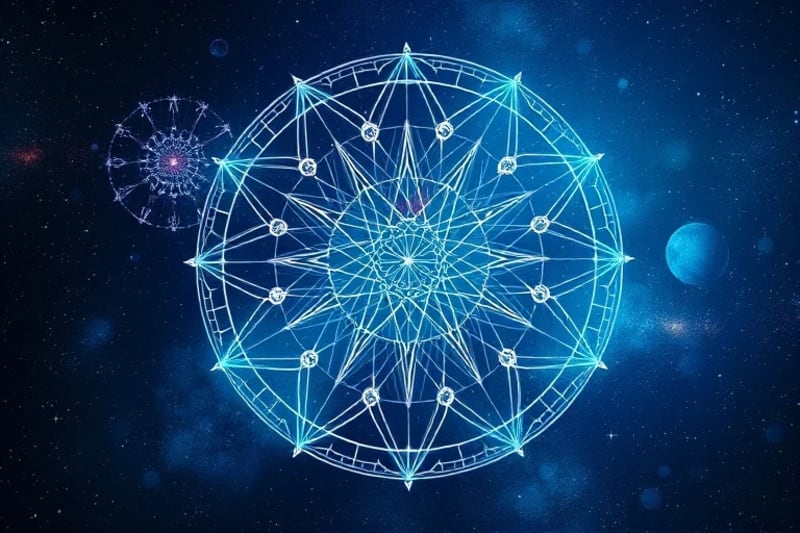
An abstract representation of the interconnected human mind, reflecting the influence of astrological patterns on collective consciousness.
The ethical implications here are profound. If AI can predict, or even subtly influence, collective consciousness through tailored astrological insights, who holds the power? How do we prevent misuse, manipulation, or the creation of self-fulfilling prophecies on a global scale? The Astro-Economy Predicting Financial Markets Planetary Cycles article highlights how planetary cycles can influence large-scale human behavior, a domain where AI's predictive power could have significant ethical considerations. This intersection demands robust ethical guidelines to safeguard collective autonomy and prevent the instrumentalization of spiritual insights.
Algorithmic Bias and Data Privacy Concerns
A critical ethical concern with any AI system is algorithmic bias. If the data used to train astrological AI models reflects historical biases—whether cultural, gender, or socioeconomic—then the AI's interpretations will perpetuate and amplify those biases. For instance, if historical astrological interpretations disproportionately associate certain planetary configurations with negative outcomes for specific demographics, an AI trained on this data might unfairly stigmatize individuals from those groups.
Data privacy is another paramount concern. Astrological readings often delve into highly personal and sensitive aspects of an individual's life. The collection and analysis of vast amounts of personal astrological data by AI systems raise questions about consent, data security, and the potential for misuse. Robust anonymization techniques and strict data governance policies are essential to protect users' privacy and prevent the exploitation of their spiritual and personal information.
Preserving Human Intuition and Interpretation
While AI can provide unparalleled analytical power, the essence of astrological practice often lies in the intuitive interpretation of symbols and the empathetic connection between practitioner and client. The human astrologer brings wisdom, life experience, and the capacity for nuanced understanding that AI cannot replicate. Ethical AI integration should aim to augment, not replace, these human qualities.
The role of the human astrologer evolves into that of a guide, mediator, and ethical overseer. They use AI tools to quickly process complex calculations and identify patterns, freeing them to focus on the deeper, more subjective layers of interpretation and client counseling. This approach ensures that the spiritual and psychological depth of astrology remains intact, preventing a purely mechanistic view of destiny. The understanding of Karmic Nodes Lunar Returns: Soul Purpose Revelation, for example, requires a profound intuitive grasp that transcends mere algorithmic prediction.
Guidelines for Responsible AI-Assisted Astrological Practice
To navigate this new terrain responsibly, a set of clear guidelines is imperative:
- Transparency: Users must be fully informed when AI is used in their astrological readings and understand its limitations.
- Accountability: Developers and practitioners using AI tools must take responsibility for the ethical implications of their systems and interpretations.
- Human Oversight: AI-generated insights should always be reviewed and contextualized by a human astrologer, especially for sensitive topics.
- Bias Mitigation: Continuous efforts must be made to identify and correct biases in AI training data and algorithms.
- Data Security: Strict protocols for data privacy and security must be implemented to protect personal astrological information.
- Educational Focus: AI tools should be designed to empower users with knowledge and self-understanding, rather than fostering dependence on algorithmic predictions.
These guidelines ensure that the power of AI is harnessed for the greater good, aligning with the principles of beneficence and non-maleficence. They also resonate with the broader principles of personal growth and manifestation, as explored in articles like Law of Attraction: Manifesting Desires, Universal Principles, emphasizing conscious and ethical choices.
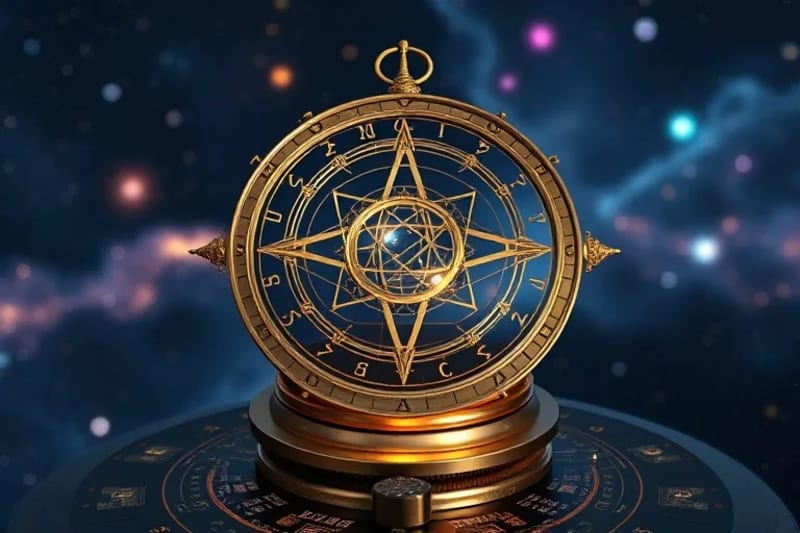
A conceptual render illustrating the delicate balance between traditional astrological instruments and modern AI technology, symbolizing ethical integration.
The Future: Symbiosis of AI and Human Wisdom
The ideal future for advanced astrological ethics involves a symbiotic relationship between AI and human wisdom. AI can serve as a powerful assistant, handling the computational heavy lifting, identifying intricate patterns, and providing objective data points. This frees human astrologers to focus on the subjective, spiritual, and counseling aspects of their work. It allows for a deeper dive into the symbolic narratives that define individual and collective journeys.
This symbiosis could lead to unprecedented insights, expanding our understanding of astrological influences beyond current capabilities. Imagine AI systems that can cross-reference astrological charts with psychological profiles, historical events, and even real-time global data to offer dynamic, evolving interpretations. The challenge will be to ensure that this expansion of knowledge is always guided by a strong ethical compass, prioritizing human well-being and spiritual growth over mere predictive accuracy.
Conclusion: The Ethical Imperative
The advent of AI-assisted divination in astrology marks a pivotal moment, offering immense potential for deeper understanding and broader accessibility. However, this potential comes with a profound ethical imperative. Navigating the complex interplay between artificial intelligence, astrological interpretation, and the collective consciousness requires constant vigilance, thoughtful design, and a steadfast commitment to ethical principles.
By embracing transparency, mitigating bias, preserving human intuition, and prioritizing user autonomy and well-being, we can ensure that AI serves as a valuable ally in our quest for cosmic wisdom. The future of astrology, augmented by AI, can be one of enlightened insight, provided we consciously choose an ethical path forward, understanding that true wisdom transcends algorithms and resides in the mindful application of knowledge for the benefit of all.
Explore Further: Related Astrological Insights
Source: Hybrid content assisted by AI and human editorial supervision.


Comments
Post a Comment