
Celestial Mechanics Eclipses Astrological Impact
Eclipses have captivated humanity for millennia, inspiring both awe and apprehension across cultures and civilizations. From a purely astronomical perspective, these phenomena are predictable celestial alignments where one body obscures another. However, their significance extends far beyond mere visual spectacle, particularly within the realm of astrology. Understanding the celestial mechanics behind eclipses is crucial for deciphering their profound energetic and astrological impact on individuals and the collective consciousness.
This comprehensive guide delves into the intricate dance of the cosmos that creates eclipses, exploring their scientific underpinnings before transitioning into their powerful astrological interpretations. We will uncover how these moments of cosmic shadow and light act as potent catalysts for change, revelation, and accelerated growth, offering a unique lens through which to view our personal and collective evolutionary journeys.
Table of Contents
- The Astronomical Foundations of Eclipses
- Astrological Interpretations: Eclipses as Catalysts
- Solar Eclipses: New Beginnings and Endings
- Lunar Eclipses: Emotional Culmination and Release
- Navigating Eclipse Seasons: Practical Guidance
- Eclipses and the Zodiac: Personalized Impacts
- Historical and Cultural Significance
- Conclusion: Embracing the Eclipse Energy
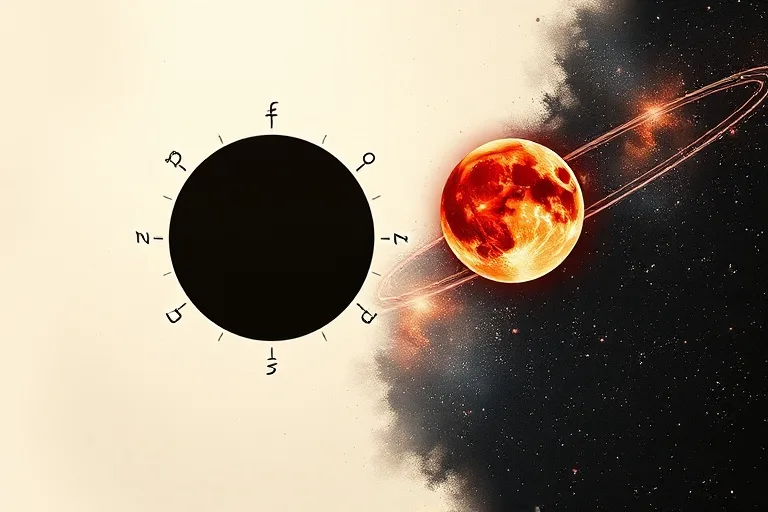
The intricate celestial mechanics of eclipses, where the alignment of the Sun, Moon, and Earth creates moments of profound cosmic significance and energetic shifts.
The Astronomical Foundations of Eclipses
From a scientific standpoint, an eclipse occurs when one celestial body blocks the light from another. On Earth, we primarily observe two types of eclipses: solar and lunar. These events are governed by the precise orbital mechanics of the Earth, Moon, and Sun, requiring a specific alignment known as syzygy.
A solar eclipse takes place when the Moon passes between the Sun and Earth, casting a shadow on Earth and either partially or totally obscuring the Sun's light. This can only happen during a New Moon phase. Conversely, a lunar eclipse occurs when the Earth passes between the Sun and Moon, casting a shadow on the Moon. This phenomenon can only happen during a Full Moon phase.
The reason eclipses don't happen every New and Full Moon is due to the inclination of the Moon's orbit. The Moon's orbit around Earth is tilted by about 5 degrees relative to Earth's orbit around the Sun (the ecliptic plane). Eclipses can only occur when the Sun, Earth, and Moon are aligned, and the Moon is also near one of the two points where its orbit crosses the ecliptic. These points are known as the lunar nodes, often referred to as the North Node (Rahu) and South Node (Ketu) in Vedic astrology.
The periodicity and recurrence of eclipses are often described by the Saros cycle, a period of approximately 18 years, 11 days, and 8 hours. After one Saros cycle, the Sun, Earth, and Moon return to approximately the same relative geometry, and a nearly identical eclipse will occur. This astronomical predictability forms the backbone of understanding when and where eclipses will occur, allowing astrologers to anticipate their energetic influence.
Astrological Interpretations: Eclipses as Catalysts
In astrology, eclipses are not merely astronomical curiosities but powerful cosmic events that act as energetic portals, accelerating change and bringing fated events into our lives. They are often associated with significant beginnings and endings, revelations, and shifts in direction. Unlike regular New or Full Moons, which offer gentle nudges, eclipses deliver potent pushes, often forcing us to confront unresolved issues or embrace new paths.
The presence of the lunar nodes (North and South Node) is central to the astrological interpretation of eclipses. These nodes represent our karmic path and evolutionary journey. Eclipses occurring near the North Node often signify new beginnings, forward movement, and embracing our destiny. Conversely, eclipses near the South Node tend to highlight release, letting go of old patterns, and resolving past karma. This nodal axis defines the overarching theme of any eclipse season.
Eclipses tend to "fast-forward" karmic lessons and bring situations to a head. Events that unfold around an eclipse often feel destined or unavoidable, marking turning points that were perhaps brewing beneath the surface for months or even years. The impact of an eclipse can be felt for several months before and after the actual event, with the most intense period typically occurring within a few weeks of the eclipse date.
The zodiac sign in which an eclipse occurs also provides crucial insight into its thematic influence. For example, an eclipse in Aries might trigger themes of self-assertion, independence, and pioneering new ventures, while an eclipse in Libra could bring focus to relationships, balance, and justice. The house in an individual's natal chart where the eclipse falls indicates the specific life areas that will be most affected.
Solar Eclipses: New Beginnings and Endings
A solar eclipse, occurring at a New Moon, is astrologically interpreted as a powerful reset button. It signifies new beginnings, fresh starts, and the initiation of significant life chapters. However, for something new to begin, something old often needs to end. Therefore, solar eclipses are also associated with sudden endings, revelations that clear the path, or a dramatic closing of a cycle.
The Sun in astrology represents our ego, conscious self, vitality, and life purpose. When the Moon obscures the Sun during a solar eclipse, it symbolically "blacks out" our conscious awareness, allowing the subconscious to surface. This can lead to moments of profound clarity, where hidden truths about ourselves or our circumstances are suddenly revealed. It's a time when the universe might intervene to redirect our path, often in ways we didn't anticipate.
Solar eclipses are opportune times for setting intentions, but with a caveat: the universe often has its own plans. Instead of rigidly dictating outcomes, it's more effective to set intentions around desired qualities or directions, allowing for flexibility in how they manifest. They can bring about sudden career changes, new relationships, geographical moves, or a complete overhaul of personal identity. The impact is often external and visible.

A vibrant watercolor representing the emotional release and inner cleansing facilitated by the transformative energies of a lunar eclipse.
Lunar Eclipses: Emotional Culmination and Release
Lunar eclipses, occurring at a Full Moon, are intense culminations. They bring situations to a head, revealing hidden emotions, truths, and dynamics that have been simmering beneath the surface. The Moon represents our emotions, intuition, subconscious, and inner world. When the Earth casts its shadow upon the Moon, it symbolizes a temporary obscuring of our emotional comfort, forcing us to confront what we've been avoiding.
These eclipses are powerful times for emotional release, closure, and letting go. Old patterns, relationships, or beliefs that no longer serve our highest good can be dramatically illuminated and released. There's often a sense of urgency or an undeniable push to deal with long-standing issues. The revelations brought by a lunar eclipse are often internal and deeply personal, affecting our emotional landscape and relationships.
Lunar eclipses can manifest as emotional breakthroughs, relationship endings or significant shifts, or the culmination of long-term projects. They can bring to light secrets, betrayals, or hidden motivations, leading to a necessary clearing of the emotional slate. The energy is often highly charged, and it's advisable to approach this period with self-awareness and a willingness to process deep feelings.
Navigating Eclipse Seasons: Practical Guidance
Eclipse seasons typically occur twice a year, lasting approximately 34 days, with a pair of eclipses (one solar, one lunar) occurring about two weeks apart. During these periods, the cosmic energy is heightened, and life events can unfold rapidly and unexpectedly. Navigating these intense energies requires conscious awareness and strategic action. Here are some practical tips:
- Observe and Reflect: Instead of initiating major changes, observe what is unfolding around you. Eclipses often reveal what needs to change or what is being brought to your attention. Journaling, meditation, and quiet reflection can be particularly beneficial.
- Release and Let Go: Lunar eclipses, in particular, are potent for releasing old habits, emotional baggage, and relationships that no longer serve your growth. Consciously decide to let go of what is holding you back.
- Embrace the Unexpected: Eclipses often bring surprises. Be open to new opportunities or shifts in direction that may not align with your initial plans. Trust that the universe is guiding you towards your highest path.
- Ground Yourself: With heightened energy, it's easy to feel overwhelmed. Engage in grounding practices like spending time in nature, yoga, deep breathing, or connecting with loved ones.
- Avoid Impulsive Decisions: While eclipses accelerate change, it's wise to avoid making hasty, emotionally charged decisions. Allow some time for the dust to settle before committing to major life shifts.
- Set Intentions with Flexibility: For solar eclipses, set intentions for what you wish to manifest, but hold them lightly. Be open to how these intentions might manifest in unexpected ways. Focus on the feeling or quality you desire, rather than a specific outcome.
Understanding the interplay between your natal chart and the eclipse's specific zodiac sign and house placement can offer more personalized guidance. Consulting an astrologer during these periods can provide deeper insights into how these cosmic events might specifically impact your life.
Eclipses and the Zodiac: Personalized Impacts
The zodiac sign in which an eclipse occurs imbues it with specific thematic energies, influencing how its transformative power is experienced. For instance, an eclipse in a fire sign like Aries or Leo might ignite passions, drive, and creative expression, while an eclipse in a water sign like Cancer or Scorpio could stir deep emotions, intuition, and psychological insights.
More importantly, the house in your individual natal chart where an eclipse falls will pinpoint the specific areas of your life that are most likely to undergo significant change or revelation. Each house represents different facets of human experience:
| Astrological House | Life Areas Affected by Eclipses |
|---|---|
| 1st House (Self & Identity) | Personal identity, self-image, physical appearance, new beginnings related to self. |
| 2nd House (Values & Resources) | Finances, possessions, self-worth, values, material security. |
| 3rd House (Communication & Learning) | Communication, short journeys, siblings, early education, local community. |
| 4th House (Home & Family) | Home, family roots, parents, emotional foundations, security. |
| 5th House (Creativity & Romance) | Creativity, romance, children, hobbies, speculation, self-expression. |
| 6th House (Work & Health) | Daily routines, work environment, health, service to others, pets. |
| 7th House (Partnerships) | Marriage, business partnerships, open enemies, one-on-one relationships. |
| 8th House (Transformation & Shared Resources) | Sex, death, rebirth, shared finances, inheritance, psychological transformation. |
| 9th House (Higher Learning & Travel) | Higher education, philosophy, long-distance travel, foreign cultures, spirituality. |
| 10th House (Career & Public Image) | Career, public reputation, social status, life direction, authority figures. |
| 11th House (Friendships & Hopes) | Friendships, groups, social causes, hopes, wishes, future plans. |
| 12th House (Spirituality & Hidden Matters) | Spirituality, subconscious, hidden enemies, solitude, self-undoing, karma. |
For example, a solar eclipse in your 10th house could signal a major career change or a new public role, while a lunar eclipse in your 7th house might bring a relationship to a significant turning point or conclusion. The specific aspects formed by the eclipse to your natal planets further refine its meaning, offering a highly personalized forecast of its impact. This integration of celestial mechanics with individual birth charts allows for a nuanced understanding of these potent cosmic events. You can explore more about planetary transits and their impact on your life through resources like planetary transits astrology.
A detailed 3D render of an ancient observatory, symbolizing the timeless pursuit of understanding celestial mechanics and their profound astrological implications.
Historical and Cultural Significance
Throughout history, eclipses have been viewed with a mix of fear, wonder, and reverence across diverse cultures. Ancient civilizations, lacking a scientific understanding of these phenomena, often attributed them to divine intervention, omens, or mythical battles in the heavens. For example, in ancient China, a solar eclipse was often interpreted as a dragon devouring the sun, portending famine or the death of an emperor, leading to loud noises and rituals to scare the dragon away.
In other cultures, eclipses were seen as moments of profound spiritual significance, opportunities for purification, or direct communication from the gods. The Babylonians, renowned for their advanced astronomical observations, meticulously recorded eclipses and developed sophisticated methods for predicting them, linking them to omens for kings and empires. Their records form some of the earliest systematic astrological interpretations of celestial events.
Even in modern times, despite our scientific understanding, eclipses continue to hold a powerful psychological and spiritual sway. They serve as reminders of our place within the vast cosmos, prompting introspection and a deeper connection to the rhythms of the universe. The collective experience of witnessing an eclipse often fosters a sense of shared humanity and wonder, transcending cultural boundaries.
Conclusion: Embracing the Eclipse Energy
Eclipses are extraordinary celestial events that offer humanity a unique opportunity for accelerated growth and transformation. By understanding their celestial mechanics, we gain a scientific appreciation for their occurrence. By delving into their astrological interpretations, we unlock a deeper understanding of their profound energetic impact on our lives. They are not to be feared, but rather approached with respect, awareness, and a willingness to embrace the shifts they bring.
Whether they manifest as sudden new beginnings or necessary endings, eclipses serve as powerful cosmic catalysts, guiding us closer to our authentic selves and our destined path. By consciously engaging with their energies—through reflection, release, and flexible intention-setting—we can harness their transformative potential to navigate life's evolutionary journey with greater wisdom and grace. The dance of shadow and light in the heavens mirrors the profound changes within us, urging us to evolve and align with our highest purpose.
Fuente: Contenido híbrido asistido por IAs y supervisión editorial humana.


Comments
Post a Comment