
AI Dream Interpretation: Decoding Symbolic Language Algorithmic Insights
Dreams have fascinated humanity for millennia, serving as a mysterious conduit to the subconscious mind. From ancient civilizations to modern psychology, the quest to understand these nocturnal narratives has been a persistent endeavor. Traditionally, dream interpretation relied on personal intuition, cultural symbolism, and established psychological frameworks. However, the advent of Artificial Intelligence (AI) is ushering in a new era, promising to decode the intricate symbolic language of dreams with unprecedented algorithmic insights.
This article explores the burgeoning field of AI-powered dream interpretation, examining how advanced computational methods are being applied to unravel the complexities of our nocturnal experiences. We will delve into the mechanisms by which AI analyzes dream content, its potential benefits, and the ethical considerations that arise from entrusting our deepest subconscious expressions to algorithms. The goal is to provide an introductory and educational overview for those curious about the intersection of technology and the mystical realm of dreams.
Table of Contents
- Understanding Dream Interpretation: A Historical Perspective
- The Mechanics of AI Dream Analysis: Algorithms and Data
- Decoding the Symbolic Language: AI's Approach to Archetypes and Personal Narratives
- Benefits of AI-Powered Dream Interpretation: Objectivity and Accessibility
- Limitations and Ethical Considerations: Navigating the Digital Psyche
- The Future Landscape: Integrating AI with Holistic Well-being
Understanding Dream Interpretation: A Historical Perspective
Before diving into the digital age of dream analysis, it's crucial to acknowledge the rich history of dream interpretation. For ancient Egyptians, dreams were messages from the gods, often recorded and analyzed by priests. Greeks and Romans viewed dreams as prophetic omens, with figures like Artemidorus of Daldis compiling extensive dream dictionaries.
The modern scientific approach largely began with Sigmund Freud, who in his seminal work "The Interpretation of Dreams," proposed that dreams are disguised fulfillments of repressed wishes. His method involved free association to uncover the latent content hidden beneath the manifest dream. Carl Jung, a student of Freud, later introduced the concept of the collective unconscious and archetypes, suggesting that certain symbols hold universal meanings across cultures. These foundational theories have shaped much of contemporary dream analysis, emphasizing the dream's role in psychological processing and self-understanding.
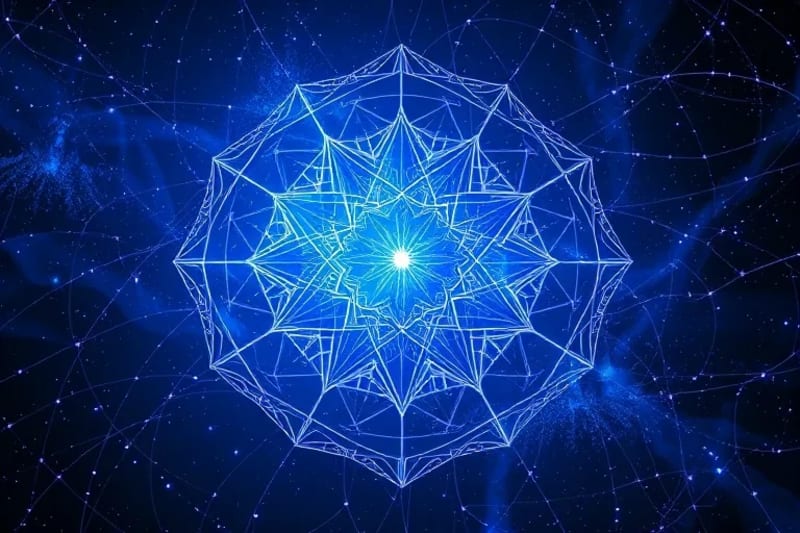
Conceptual representations of advanced AI systems interpreting the complex, multi-layered symbolic language of human dreams, blending neuroscience with digital abstraction.
The Mechanics of AI Dream Analysis: Algorithms and Data
AI-powered dream interpretation leverages sophisticated machine learning algorithms, primarily natural language processing (NLP), to analyze dream narratives. Users typically input their dream descriptions, which the AI then processes. The core mechanism involves identifying patterns, keywords, and semantic relationships within the text.
- Natural Language Processing (NLP): This branch of AI allows computers to understand, interpret, and generate human language. In dream analysis, NLP algorithms parse dream descriptions, extracting entities (objects, people, places), actions, and emotions.
- Machine Learning (ML): AI models are trained on vast datasets of dream reports and their corresponding interpretations (often from psychological studies, dream dictionaries, or expert analyses). Through this training, the AI learns to associate certain symbols or narrative structures with specific psychological themes or meanings.
- Pattern Recognition: AI excels at identifying subtle patterns that might escape human observation. It can detect recurring symbols across multiple dreams from an individual, or common themes shared by a large user base, providing insights into deeper psychological states.
The effectiveness of these systems heavily relies on the quality and quantity of the data used for training. Anonymized user-submitted dream journals, coupled with expert-curated symbolic databases, form the backbone of these AI models. This data allows the AI to develop a nuanced understanding of how symbols manifest and what they might signify in various contexts, moving beyond simplistic, one-to-one interpretations.
Decoding the Symbolic Language: AI's Approach to Archetypes and Personal Narratives
One of the most challenging aspects of dream interpretation is the symbolic nature of dream content. AI systems attempt to bridge this gap by combining universal symbolic meanings with personalized contextual analysis. For instance, while a "snake" might universally symbolize transformation or danger, its specific meaning in a dream can vary greatly depending on the dreamer's personal experiences, cultural background, and emotional state within the dream.
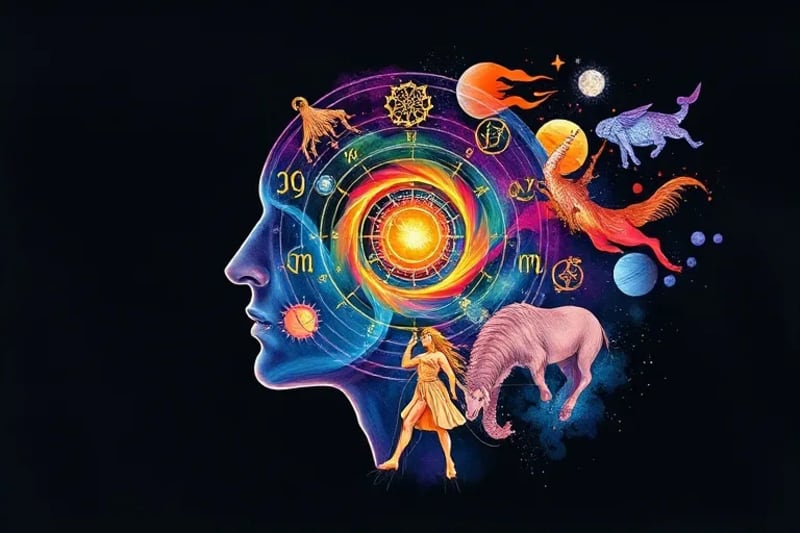
A conceptual artwork exploring the intricate interplay between human consciousness, symbolic dreamscapes, and the analytical power of artificial intelligence.
AI models can be trained to recognize Jungian archetypes, such as the Shadow, Anima/Animus, or the Hero, by analyzing patterns in narratives and character roles within dreams. This allows them to offer interpretations that resonate with deeper, collective human experiences. Furthermore, by continuously learning from an individual's submitted dreams, the AI can build a personalized profile, refining its interpretations based on the dreamer's unique life circumstances and psychological landscape. This iterative process allows for a more nuanced and accurate analysis over time, moving beyond generic dictionary definitions.
This personalized approach is crucial because dream symbolism is highly subjective. What one person perceives as a threat, another might see as an opportunity for growth. AI's ability to learn and adapt to individual narratives is a significant advantage, providing insights that are more relevant and impactful. Understanding these deeper connections can be a pathway to greater self-awareness, much like exploring the Akashic Library for universal knowledge and soul records.
Benefits of AI-Powered Dream Interpretation: Objectivity and Accessibility
The integration of AI into dream analysis offers several compelling benefits, making interpretation more accessible and potentially more objective.
- Objectivity: Unlike human interpreters, AI is not influenced by personal biases, emotional states, or preconceived notions. It processes data based on learned patterns and algorithms, offering a more neutral perspective on dream content.
- Accessibility: AI-powered tools can be accessed anytime, anywhere, making dream interpretation available to a global audience without the need for expensive therapy sessions or specialized knowledge. This democratizes access to self-exploration.
- Speed and Efficiency: AI can analyze vast amounts of dream data and provide interpretations almost instantly, a task that would take human experts considerable time. This allows users to get immediate feedback on their dreams.
- Identifying Hidden Patterns: AI's capacity for big data analysis means it can identify correlations and recurring themes across numerous dreams that might be too subtle for human perception. This can reveal deeper psychological patterns or emerging concerns.
- Personalized Insights: As mentioned, AI can learn from an individual's dream history, providing increasingly tailored and relevant interpretations over time, fostering a deeper understanding of one's inner world. This can complement practices like exploring Tarot Quantum Mechanics Intersecting Divination Reality.
These benefits underscore the transformative potential of AI in helping individuals gain insights into their subconscious, contributing to overall mental and emotional well-being. The ability to quickly identify and understand recurring symbols can be a powerful tool for self-reflection and personal growth.
Limitations and Ethical Considerations: Navigating the Digital Psyche
Despite its promising capabilities, AI-powered dream interpretation is not without its limitations and ethical challenges. The nuanced and deeply personal nature of dreams means that a purely algorithmic approach may fall short in certain areas.
- Lack of Human Intuition and Empathy: AI cannot replicate the empathy, intuition, and lived experience of a human therapist. Dreams often carry profound emotional weight and require a sensitive, human touch for true understanding and processing.
- Contextual Nuance: While AI can learn personal patterns, it may struggle with highly idiosyncratic symbols or situations that are unique to an individual's very specific, complex life circumstances, which a human might grasp through dialogue.
- Privacy and Data Security: Dream reports contain highly sensitive personal information. Ensuring robust data encryption, anonymization, and ethical data handling practices is paramount to protect user privacy.
- Over-reliance and Misinterpretation: There is a risk that users might over-rely on AI interpretations, potentially leading to misunderstandings or neglecting professional psychological help when needed. AI outputs should be viewed as tools for self-reflection, not definitive diagnoses.
- Bias in Training Data: If the datasets used to train AI models contain inherent biases (e.g., culturally specific interpretations, limited demographic representation), the AI's interpretations may perpetuate these biases, leading to inaccurate or culturally insensitive analyses.
Addressing these limitations requires a careful balance between technological advancement and human oversight. The goal should be to augment human understanding, not replace it entirely. For instance, understanding how different chakras energy centers relate to emotional states can add another layer of context that AI might not fully grasp without explicit programming.

A symbolic still-life representing the blend of ancient wisdom and modern technology in the pursuit of understanding subconscious narratives through algorithmic analysis.
The Future Landscape: Integrating AI with Holistic Well-being
The future of AI-powered dream interpretation likely involves deeper integration with other aspects of holistic well-being and advanced psychological models. Imagine AI not just interpreting dreams, but also correlating them with biometric data, sleep patterns, daily mood logs, and even genetic predispositions to offer a truly comprehensive view of an individual's mental state. This could lead to predictive insights, identifying potential psychological stressors or opportunities for growth before they fully manifest.
Further advancements in AI could also lead to more sophisticated pattern recognition capabilities, allowing for the identification of highly abstract or complex symbolic systems within dreams that are currently beyond human or current AI comprehension. The development of multimodal AI, capable of analyzing not just text but also dream imagery (if captured through advanced brain-computer interfaces), could revolutionize the field entirely. This could involve generating visual interpretations or even interactive dreamscapes based on user input, creating a more immersive and intuitive interpretive experience.
Ultimately, the goal is to create tools that empower individuals to better understand themselves and their inner worlds. AI in dream interpretation is not about replacing the profound human experience of dreaming or the wisdom of human insight, but rather about augmenting our capacity for self-discovery and personal evolution. It represents a fascinating frontier where technology meets the deepest mysteries of the human psyche.
AI vs. Human Dream Interpretation
To better understand the distinct contributions of AI and human experts, here's a comparative overview:
| Feature | AI-Powered Interpretation | Human Interpretation |
|---|---|---|
| Objectivity | High; based on algorithms and data, minimal personal bias. | Variable; influenced by interpreter's experiences, biases, and theoretical framework. |
| Accessibility | High; available 24/7, often at lower cost or free, global reach. | Limited; requires appointments, can be costly, geographical constraints. |
| Speed | Instantaneous analysis and feedback. | Time-consuming; requires careful consideration and dialogue. |
| Personalization | Learns and adapts over time based on user's input history. | Highly personalized through direct interaction and understanding of nuances. |
| Intuition/Empathy | Lacks genuine empathy and intuitive grasp of emotional depth. | Core strength; provides emotional support and deeper understanding. |
| Contextual Nuance | Can struggle with highly unique or abstract personal contexts. | Excels at understanding complex personal histories and current life situations. |
| Data Privacy | Requires robust security measures; potential for data breaches if not managed well. | Bound by professional ethics and confidentiality agreements. |
This comparison highlights that both approaches have their unique strengths. The most effective path forward may lie in a hybrid model, where AI provides initial, data-driven insights, and human experts offer the empathetic, nuanced interpretation essential for profound psychological work. This collaborative approach could unlock new dimensions in our understanding of dreams.
The integration of artificial intelligence into the realm of dream interpretation represents a significant leap in our ongoing quest for self-understanding. By leveraging advanced algorithms, AI can process vast amounts of data, identify intricate patterns, and offer interpretations that are both objective and highly personalized.
However, it is crucial to recognize that AI serves as a powerful tool to augment human insight, not to replace it. The profound emotional and contextual nuances of dreams often require the empathy and intuition that only a human interpreter can provide.
As this field evolves, striking a balance between technological efficiency and human wisdom will be key to unlocking the full potential of AI-powered dream analysis, fostering deeper self-awareness and contributing to holistic well-being.
Explore More Insights
- ► Lilith Planetary Aspects: Integrating Shadow Feminine Empowerment
- ► Crystal Grids Planetary Alignments Manifestation: Advanced Healing
- ► Cosmic Sociology AI Ethics Global Consciousness Digital Age
- ► Planetary Dignities: Rulership, Detriment, Fall
- ► Aromatherapy Chakra Balance: Essential Oils Guide
- ► Planetary Crystal Therapy: Crafting Gem Elixirs for Energetic Balance
- ► Chrono-Astrology: Personal Time Cycles, Destiny Navigation
- ► Sacred Geometry Celestial Mechanics: Cosmic Patterns Life
- ► Libra Horoscope 2024: Balance, Relationships, Growth
Source: Hybrid content assisted by AI and human editorial supervision.


Comments
Post a Comment