
Medical Astrology: Organ Systems & Planetary Rulerships Explained | StarPluto
Medical astrology is an ancient branch of astrology that explores the intricate connections between celestial bodies, zodiac signs, and human health. This fascinating discipline posits that planetary positions and astrological configurations at the time of birth, or during specific transits, can offer profound insights into an individual's physical constitution, potential health vulnerabilities, and even predispositions to certain ailments. Far from being a diagnostic tool in the modern medical sense, medical astrology serves as a complementary framework for understanding health from a holistic perspective, emphasizing prevention and personalized wellness strategies.
The core premise is that each planet, zodiac sign, and astrological house corresponds to specific parts of the human body, organ systems, and physiological functions. By analyzing an individual's natal chart, a medical astrologer can identify areas of inherent strength or weakness, shedding light on why certain individuals might be more prone to particular health issues or respond better to specific types of treatments. This approach encourages a deeper understanding of the body's energetic blueprint and its relationship with the cosmos.
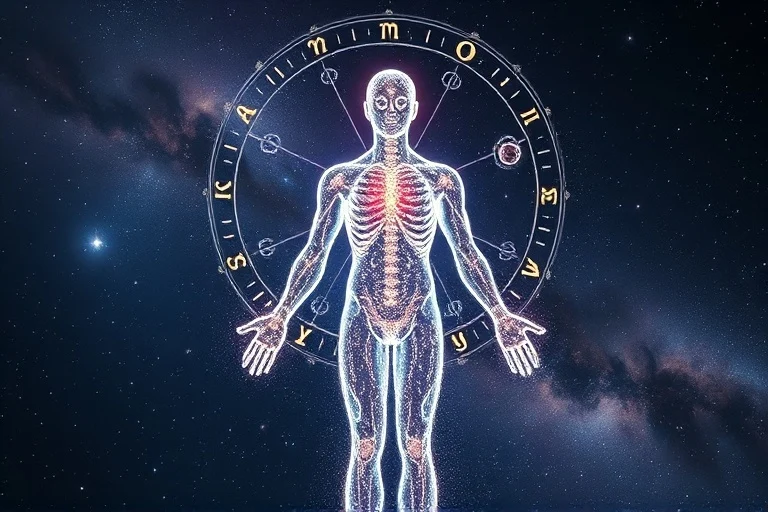
Medical Astrology: The human body as a microcosm of the cosmos, with planetary influences mapping to specific organ systems and health predispositions.
This article will delve into the foundational principles of medical astrology, exploring its historical roots, the concept of the "Zodiacal Man," and the specific planetary and zodiacal rulerships over various body parts and organ systems. We will also touch upon how these ancient insights can be integrated into a contemporary understanding of health and well-being, providing a unique lens through which to view our physical existence.
Historical Roots of Medical Astrology
The practice of medical astrology is not a modern invention; its roots stretch back thousands of years to ancient civilizations. Early Mesopotamian cultures, particularly the Babylonians, were among the first to systematically observe the heavens and correlate celestial events with earthly occurrences, including health and disease. Their cuneiform tablets contain some of the earliest records of medical astrological interpretations, linking specific constellations to human ailments.
Ancient Egyptians also integrated astrology into their medical practices. Priests and physicians often consulted astrological charts to determine the most auspicious times for medical procedures, administering herbs, or even performing surgeries. They believed that the gods, represented by celestial bodies, had a direct influence on the human body's vitality and susceptibility to illness.
The Greeks, building upon Babylonian and Egyptian knowledge, formalized medical astrology significantly. Hippocrates, often called the "Father of Medicine," famously stated, "A physician without knowledge of astrology has no right to call himself a physician." Greek physicians like Galen further developed the theory of humors (blood, phlegm, yellow bile, and black bile), correlating them with planetary influences and zodiac signs. This system became a cornerstone of Western medicine for over a millennium.

Historical Context: Ancient medical texts and tools used by physicians who integrated celestial observations into their healing practices.
During the Middle Ages and Renaissance, medical astrology reached its zenith in Europe. Physicians were often trained in astrology, and it was considered an essential part of their education. Figures like Nicholas Culpeper, a 17th-century English botanist and physician, published extensive works detailing the astrological properties of herbs and their uses in treating diseases associated with specific planets and signs. His "Culpeper's Complete Herbal" remains a classic text that fuses herbalism with astrological principles.
The decline of medical astrology began with the Scientific Revolution, as empirical observation and mechanistic views of the body gained prominence. However, its historical significance as a comprehensive system of health understanding cannot be overstated, influencing medical thought for centuries and laying groundwork for holistic approaches that are seeing a resurgence today.
Core Principles: The Zodiacal Man
At the heart of medical astrology lies the concept of the "Zodiacal Man" or "Homo Signorum." This ancient diagram, often depicted as a human figure with zodiac signs mapped onto different body parts, illustrates the fundamental belief that the entire cosmos is reflected within the human body. Each sign of the zodiac is said to rule a specific anatomical region, starting from Aries at the head and descending to Pisces at the feet.
This mapping provides a symbolic framework for understanding potential areas of strength, sensitivity, or vulnerability. For instance, if an individual has several challenging astrological placements (like a malefic planet or a difficult aspect) in a sign that rules a particular body part, medical astrologers might infer a predisposition to issues in that area. It's not about predicting illness with certainty, but rather identifying energetic imbalances or constitutional tendencies.
- Aries: Head, face, brain, eyes.
- Taurus: Neck, throat, thyroid gland, ears, cerebellum.
- Gemini: Lungs, bronchial tubes, hands, arms, nervous system.
- Cancer: Stomach, breasts, uterus, digestive system, bodily fluids.
- Leo: Heart, upper back, spine, aorta.
- Virgo: Intestines, spleen, pancreas, nervous system (abdominal).
- Libra: Kidneys, adrenal glands, lower back, skin.
- Scorpio: Reproductive organs, bladder, rectum, prostate, colon.
- Sagittarius: Hips, thighs, liver, sciatic nerve.
- Capricorn: Knees, bones, teeth, skin, joints, skeletal system.
- Aquarius: Ankles, circulatory system, shins.
- Pisces: Feet, lymphatic system, pineal gland.
Beyond the zodiac signs, planets also play a crucial role, each governing specific organs, functions, and even types of diseases. The interplay between these celestial influences creates a complex map of an individual's health landscape, offering avenues for targeted preventative care and lifestyle adjustments.
Planetary Rulerships of Organs and Body Parts
In medical astrology, each planet is associated with particular physiological functions, organs, and even types of illnesses. Understanding these planetary rulerships is key to interpreting a natal chart for health insights. A planet's condition (its sign, house, and aspects) in a birth chart can indicate the vitality or vulnerability of the body parts it rules.
| Planet | Associated Body Parts/Organs | Physiological Functions | Potential Health Issues |
|---|---|---|---|
| Sun | Heart, spine, upper back, eyes (right eye for men, left for women) | Vitality, circulation, warmth, general health | Heart conditions, spinal issues, vision problems, low vitality |
| Moon | Stomach, breasts, uterus, lymphatic system, bodily fluids, eyes (left eye for men, right for women) | Digestion, fluid balance, emotional well-being, reproductive cycles | Digestive disorders, fluid retention, hormonal imbalances, emotional stress-related issues |
| Mercury | Lungs, nervous system, hands, arms, thyroid, tongue, speech organs | Respiration, communication, neural impulses, mental clarity | Respiratory problems, nervous disorders, speech impediments, anxiety |
| Venus | Kidneys, throat, neck, thyroid, parathyroid, veins, skin, reproductive system (female) | Balance, harmony, pleasure, glandular function, beauty | Kidney issues, throat infections, skin problems, hormonal imbalances, venereal diseases |
| Mars | Muscles, blood, head, adrenals, sexual organs (male), red blood cells | Energy, action, inflammation, heat, immune response, assertiveness | Inflammation, fevers, acute infections, accidents, muscle injuries, high blood pressure |
| Jupiter | Liver, thighs, hips, pancreas, arterial system, pituitary gland | Growth, expansion, detoxification, metabolism, assimilation of nutrients | Liver disorders, obesity, diabetes, gout, circulatory problems |
| Saturn | Bones, teeth, skin, knees, joints, spleen, gallbladder, hair, nails | Structure, limitation, chronic processes, calcification, endurance | Arthritis, dental problems, skin conditions, chronic diseases, structural issues, depression |
| Uranus | Ankles, nervous system (sudden impulses), circulatory system (spasms) | Sudden changes, electrical impulses, unconventionality | Sudden illnesses, spasms, nervous breakdowns, circulatory issues, accidents |
| Neptune | Pineal gland, lymphatic system, feet, immune system, psychic sensitivity | Subtlety, dissolution, intuition, spiritual connection | Mysterious illnesses, chronic fatigue, drug sensitivities, addiction, immune deficiencies |
| Pluto | Reproductive organs, excretory system, colon, cellular regeneration | Transformation, regeneration, elimination, power, deep healing | Degenerative diseases, reproductive issues, chronic infections, deep-seated psychological trauma manifesting physically |
It is important to note that these are general associations. A comprehensive medical astrological analysis would consider the planet's sign, house placement, aspects to other planets, and its overall dignity in the natal chart.
Zodiac Sign Rulerships of Body Parts
As introduced with the Zodiacal Man, each of the twelve zodiac signs governs specific anatomical regions and their associated functions. This mapping is crucial for understanding constitutional predispositions and identifying areas that may require more attention or care. The signs are typically understood to rule sequentially from head to toe.
| Zodiac Sign | Associated Body Parts/Organs | Potential Health Concerns |
|---|---|---|
| Aries | Head, face, brain, eyes, upper jaw | Headaches, migraines, eye strain, facial injuries, fevers, dental issues (upper) |
| Taurus | Neck, throat, thyroid, tonsils, ears, lower jaw, cerebellum | Sore throats, stiff necks, thyroid imbalances, ear infections, glandular issues |
| Gemini | Lungs, bronchial tubes, arms, hands, shoulders, nervous system | Respiratory problems (asthma, bronchitis), nervous disorders, carpal tunnel syndrome, anxiety |
| Cancer | Stomach, breasts, esophagus, diaphragm, pancreas, bodily fluids | Digestive upset, ulcers, heartburn, breast issues, fluid retention, emotional eating |
| Leo | Heart, upper back, spine, aorta | Heart conditions, back pain, spinal problems, circulatory issues, high blood pressure |
| Virgo | Intestines (small and large), spleen, nervous system (abdominal), liver (some systems) | Digestive disorders (IBS, constipation), food sensitivities, anxiety, hypochondria, liver issues |
| Libra | Kidneys, adrenal glands, lower back, buttocks, skin | Kidney stones, urinary tract infections, lower back pain, skin conditions, hormonal imbalances |
| Scorpio | Reproductive organs, bladder, rectum, prostate, colon, urethra | Reproductive issues, UTIs, hemorrhoids, constipation, sexually transmitted infections |
| Sagittarius | Hips, thighs, liver, sciatic nerve, pancreas (some systems) | Sciatica, hip problems, liver issues, diabetes, accidents to thighs/hips |
| Capricorn | Knees, bones, teeth, skin, joints, skeletal system, gallbladder | Arthritis, knee problems, dental issues, skin conditions, bone fractures, chronic stiffness |
| Aquarius | Ankles, shins, circulatory system (blood flow), nervous system (reflexes) | Ankle sprains, varicose veins, circulatory problems, nervous tension, cramps |
| Pisces | Feet, lymphatic system, pineal gland, mucous membranes | Foot problems, edema, lymphatic congestion, susceptibility to infection, drug sensitivities |
When a zodiac sign is prominent in a natal chart (e.g., housing the Sun, Moon, Ascendant, or several planets), the individual may exhibit a stronger connection or sensitivity to the body parts ruled by that sign. This knowledge can be empowering for proactive health management.
Elemental Qualities in Medical Astrology
Beyond planetary and zodiacal rulerships, medical astrology also incorporates the four classical elements: Fire, Earth, Air, and Water. These elements correspond to different temperaments, constitutional types, and energetic qualities within the body, influencing both health and disease. An imbalance in these elements can manifest as various physical and psychological symptoms.
- Fire (Aries, Leo, Sagittarius): Associated with heat, energy, and vitality. Individuals with a strong Fire element tend to have robust constitutions but may be prone to fevers, inflammation, acute conditions, and high blood pressure. They often have a fast metabolism.
- Earth (Taurus, Virgo, Capricorn): Linked to structure, stability, and physicality. Earth types are generally grounded and enduring but can be susceptible to chronic conditions, stiffness, congestion, and issues related to bones, teeth, and digestion. They may have a slower metabolism.
- Air (Gemini, Libra, Aquarius): Governs communication, the nervous system, and circulation. Air-dominant individuals are often mentally agile but may experience nervous disorders, respiratory issues, and circulatory problems. They can be prone to anxiety and restlessness.
- Water (Cancer, Scorpio, Pisces): Connected to emotions, fluids, and intuition. Water types are often empathetic but can be prone to fluid retention, lymphatic issues, hormonal imbalances, and emotionally driven health problems. They may have sensitive digestive systems.

Elemental Balance: A visual representation of the interconnectedness of body systems and the cosmic elements in medical astrology.
Understanding the elemental balance in a natal chart can guide dietary choices, exercise routines, and even therapeutic approaches. For example, a person with an excess of Fire might benefit from cooling herbs and practices, while an excess of Water might require more stimulating and drying remedies.
Diagnosing and Healing Through Astrology
While medical astrology does not replace conventional medical diagnosis, it offers a unique perspective on the energetic patterns underlying health conditions. An astrologer would analyze a natal chart to identify:
- Constitutional Strengths and Weaknesses: Areas of the body or organ systems that are inherently robust or delicate based on planetary placements and zodiacal rulerships.
- Predispositions to Illness: Indicators of susceptibility to certain types of diseases, often linked to challenging aspects involving malefic planets (Mars, Saturn, Uranus, Neptune, Pluto) or afflicted signs.
- Timing of Health Events: Through transits and progressions, medical astrologers can identify periods when an individual might be more vulnerable to illness or when healing opportunities are heightened.
- Psychosomatic Connections: Astrology often highlights the mind-body connection, revealing how emotional or psychological stress (indicated by challenging planetary aspects) might manifest physically.
Healing approaches in medical astrology are often holistic and individualized. They can include:
- Herbal Remedies: Herbs are often associated with specific planets and signs, allowing for targeted botanical support. For example, calming herbs for Mercury-ruled nervous issues, or liver-supporting herbs for Jupiterian imbalances.
- Dietary Recommendations: Tailoring diet based on elemental balance and planetary needs, e.g., warming foods for cold Saturnian conditions, or cooling foods for fiery Martian inflammation.
- Lifestyle Adjustments: Suggesting specific exercises, relaxation techniques, or environmental changes that align with an individual's astrological constitution.
- Timing of Treatments: Electing auspicious astrological moments for surgeries, starting new therapies, or taking medication to maximize their effectiveness. This is known as Electional Astrology.
The goal is always to restore balance and harmony within the individual, recognizing that health is a dynamic interplay between internal and external forces.
Modern Perspectives and Ethical Considerations
In the 21st century, medical astrology is experiencing a renewed interest, often integrated into broader holistic health practices. While it is not recognized by mainstream scientific medicine, many find its insights valuable for personal understanding and preventative care. Modern proponents emphasize that it should be used as a complementary tool, not a substitute for professional medical advice or treatment.
Ethical considerations are paramount in the practice of medical astrology. Practitioners must:
- Avoid making definitive medical diagnoses: Astrologers provide insights into predispositions and energetic patterns, not clinical diagnoses.
- Always recommend consulting qualified medical professionals: Emphasize that medical astrology is a complementary approach.
- Maintain client confidentiality: As with any health-related consultation, privacy is crucial.
- Educate clients on the symbolic nature of astrological interpretations: Ensure clients understand that astrological indicators are symbolic and represent tendencies, not deterministic fates.
The value of medical astrology in a modern context lies in its ability to empower individuals with self-knowledge, encouraging them to take a more active and informed role in their own health journey. By understanding their unique cosmic blueprint, individuals can make more conscious choices about diet, exercise, stress management, and overall well-being, fostering a deeper connection between their inner self and the rhythms of the universe.
Conclusion
Medical astrology, with its rich history and intricate system of correspondences, offers a profound lens through which to view human health. By mapping planetary influences and zodiacal rulerships onto the body's organ systems and functions, it provides a personalized framework for understanding constitutional strengths, vulnerabilities, and potential health predispositions. While not a substitute for modern medicine, it serves as a valuable complementary tool, encouraging a holistic and preventative approach to well-being.
Embracing the wisdom of medical astrology can lead to greater self-awareness and empower individuals to make informed choices that support their unique energetic blueprint, ultimately fostering a more harmonious and vibrant life. It reminds us that we are microcosms of the universe, intricately connected to the celestial dance above.
Fuente: Contenido híbrido asistido por IAs y supervisión editorial humana.


Comments
Post a Comment