
Medical Astrology: Birth Chart & Health | StarPluto
Medical astrology is an ancient branch of astrology that explores the intricate connections between celestial bodies, the human body, and an individual's health. Far from being a diagnostic tool in the conventional sense, it offers a unique lens through which to understand inherent predispositions, potential weaknesses, and energetic patterns that influence our physical and mental well-being. By analyzing a person's birth chart, medical astrologers aim to identify areas of the body that may be more susceptible to certain conditions or require particular care, providing insights that can complement traditional healthcare approaches.
This discipline operates on the principle that the microcosm (humanity) reflects the macrocosm (the cosmos). Each planet, zodiac sign, and astrological house corresponds to specific anatomical parts, physiological functions, and psychological tendencies. Understanding these correspondences can empower individuals to adopt proactive health strategies, focusing on prevention and holistic balance rather than merely reacting to illness. It encourages a deeper connection to one's own energetic blueprint, fostering self-awareness and informed choices regarding lifestyle, diet, and emotional regulation.
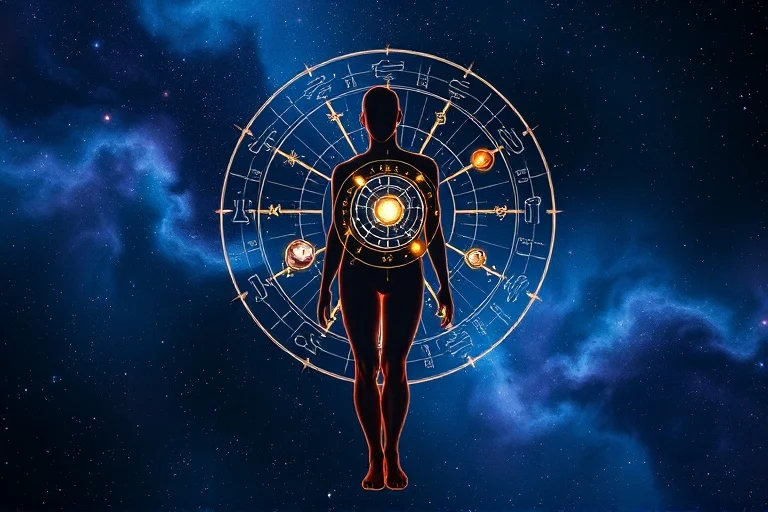
A digital illustration depicting the intricate relationship between celestial bodies and human anatomy as interpreted by medical astrology.
Table of Contents
- The Birth Chart as a Health Map
- Planetary Influences on Health
- Zodiac Signs and Body Parts
- Astrological Houses and Health
- Aspects and Their Health Implications
- Practical Applications of Medical Astrology
- Limitations and Ethical Considerations
The Birth Chart as a Health Map
Your birth chart, also known as a natal chart, is a snapshot of the heavens at the precise moment and location of your birth. In medical astrology, this intricate diagram serves as a personalized health map, detailing the astrological energies imprinted upon you from birth. It reveals not only your personality traits and life path but also your constitutional strengths and vulnerabilities regarding health.
Each component of the birth chart—planets, signs, houses, and aspects—contributes to this health profile. For instance, the sign on the Ascendant (rising sign) often indicates the physical constitution and outward appearance, while the placement of the Moon can shed light on digestive health and emotional well-being. By meticulously analyzing these elements, medical astrologers can pinpoint areas that may require preventative measures or specific types of care throughout an individual's life.
- Ascendant (Rising Sign): Governs the physical body, general vitality, and how one presents physically.
- Sun: Represents the core vitality, the heart, and the spine. Its condition indicates overall life force.
- Moon: Influences bodily fluids, stomach, digestive system, and emotional health, which profoundly impacts physical states.
- Planetary Placements: The signs and houses where planets reside indicate specific areas of the body and life functions that are energized or challenged.
- Aspects: The angles between planets show how these energies interact, revealing harmonious or stressful patterns that can manifest as health conditions.
Planetary Influences on Health
Each planet in astrology is associated with specific organs, body systems, and types of ailments. Understanding these planetary correspondences is fundamental to medical astrology, as it allows for a deeper insight into potential health challenges and strengths. The condition of a planet in the natal chart—its sign, house, and aspects—will modify its influence on health.
| Planet | Associated Body Parts/Systems | Health Tendencies/Ailments |
|---|---|---|
| Sun | Heart, spine, general vitality, right eye (men), circulation. | Heart conditions, spinal issues, low vitality, fevers. |
| Moon | Stomach, breasts, bodily fluids, lymphatic system, left eye (women). | Digestive issues, fluid retention, emotional disorders, glandular problems. |
| Mercury | Nervous system, lungs, hands, arms, thyroid, speech. | Nervous disorders, respiratory issues, speech impediments, anxiety. |
| Venus | Kidneys, throat, skin, reproductive organs (female), venous system. | Kidney problems, throat infections, skin ailments, venereal diseases. |
| Mars | Muscles, blood, adrenal glands, head, acute inflammation, fever. | Inflammation, fevers, accidents, cuts, burns, high blood pressure. |
| Jupiter | Liver, thighs, pancreas, arterial system, growth. | Liver disorders, obesity, diabetes, gout, issues of excess. |
| Saturn | Bones, teeth, skin, joints, spleen, chronic conditions, restrictions. | Arthritis, dental problems, skin diseases, chronic illnesses, depression. |
| Uranus | Nervous system, ankles, sudden spasms, unpredictable conditions. | Nerve disorders, cramps, sudden illnesses, accidents, circulatory issues. |
| Neptune | Lymphatic system, pineal gland, feet, subtle sensitivities, elusive conditions. | Drug sensitivities, mysterious illnesses, immune disorders, addiction, confusion. |
| Pluto | Reproductive organs, excretory system, cellular regeneration, deep transformations. | Generative diseases, chronic degenerative conditions, power struggles related to health. |
An array of objects suggesting the blend of ancient medical knowledge and astrological wisdom.
Zodiac Signs and Body Parts
Just as planets govern specific functions, each of the twelve zodiac signs is traditionally associated with particular parts of the body. This correlation is often sequential, starting from the head with Aries and moving down to the feet with Pisces. The sign where a planet is placed, or the sign ruling a particular house, can indicate the nature of health issues related to that body part.
For example, if Mars, the planet of inflammation, is in Aries, which rules the head, an individual might be prone to headaches, migraines, or head injuries. Conversely, a well-aspected planet in a sign can indicate strength and resilience in the corresponding body area. This foundational understanding allows medical astrologers to construct a detailed map of an individual's physical constitution and energetic vulnerabilities.
- Aries (Head): Head, brain, face, eyes. Tendency for headaches, fevers, accidents to the head.
- Taurus (Neck): Neck, throat, thyroid gland, cerebellum, ears. Prone to sore throats, neck stiffness, thyroid imbalances.
- Gemini (Arms): Lungs, shoulders, arms, hands, nervous system. Respiratory issues, nerve problems, anxiety, carpal tunnel.
- Cancer (Chest): Stomach, breasts, esophagus, diaphragm. Digestive disorders, ulcers, issues with bodily fluids.
- Leo (Heart): Heart, spine, upper back, aorta. Heart conditions, back pain, circulatory issues.
- Virgo (Abdomen): Intestines, digestive system, spleen, pancreas, nervous system. Digestive problems, anxiety, hypochondria.
- Libra (Lower Back): Kidneys, adrenal glands, lower back, buttocks, venous system. Kidney stones, lower back pain, urinary issues.
- Scorpio (Genitals): Reproductive organs, bladder, prostate, rectum, colon. Reproductive health issues, urinary tract infections.
- Sagittarius (Thighs): Hips, thighs, liver, sciatic nerve. Sciatica, hip problems, liver disorders, accidents to the hips/thighs.
- Capricorn (Knees): Bones, teeth, joints, knees, skin. Arthritis, dental issues, skin conditions, orthopedic problems.
- Aquarius (Ankles): Ankles, calves, circulatory system. Ankle sprains, circulatory problems, varicose veins.
- Pisces (Feet): Feet, lymphatic system, pineal gland. Foot ailments, lymphatic drainage issues, sensitivities, mysterious illnesses.
Astrological Houses and Health
Beyond planets and signs, the twelve astrological houses represent different areas of life, and several are particularly relevant to health matters. The planets and signs placed within these houses, as well as the sign on their cusps, offer further layers of detail regarding health predispositions and experiences.
The 6th house is often considered the primary house of health, governing daily routines, illness, and service. The 8th house relates to regeneration, surgery, chronic conditions, and deep transformations, while the 12th house points to hidden illnesses, mental health, hospitals, and self-undoing. Understanding these houses provides context for how health issues might manifest in one's life.
- 6th House: Rules daily health, acute illnesses, work environment, diet, hygiene, and pets. Planets here can indicate the nature of everyday health challenges.
- 8th House: Associated with chronic diseases, surgery, healing crises, death, and regeneration. It reveals deep-seated health patterns and transformative healing processes.
- 12th House: Governs hidden illnesses, mental health, hospitals, institutions, and self-sabotaging behaviors. It often points to conditions that are difficult to diagnose or have psychological roots.
- 1st House (Ascendant): As mentioned, it describes the physical body and constitution.
- 4th House (IC): Represents genetic predispositions, ancestral health patterns, and early childhood health.
- 10th House (MC): Can indicate health issues related to career stress or public image.
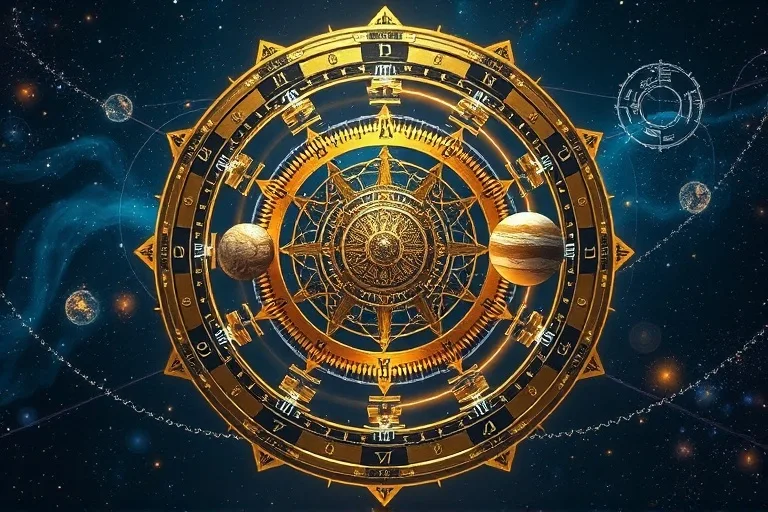
A symbolic representation of how planetary movements might influence the intricate systems within the human body.
Aspects and Their Health Implications
Aspects are the angular relationships between planets in a birth chart, indicating how different planetary energies interact. Harmonious aspects (trines, sextiles) suggest ease and flow, often indicating natural resilience and healing abilities. Challenging aspects (squares, oppositions, conjunctions with malefic planets) can point to areas of tension, stress, and potential health vulnerabilities.
For instance, a square between Mars (inflammation) and Saturn (restriction) could indicate chronic inflammatory conditions or structural problems. A trine between the Sun (vitality) and Jupiter (growth, healing) might suggest robust health and a natural capacity for recovery. Interpreting these aspects provides a dynamic view of how different bodily systems and psychological states might influence each other, offering clues for holistic intervention.
- Conjunction (0°): A powerful blending of planetary energies, which can be either beneficial or challenging depending on the planets involved.
- Sextile (60°): Harmonious and opportunistic, suggesting ease and support for health and healing.
- Square (90°): Creates tension and challenge, often indicating areas of stress or conflict that can manifest as physical ailments if not addressed.
- Trine (120°): Highly harmonious and flowing, suggesting natural strengths and protective influences in health.
- Opposition (180°): Represents polarity and balance, but can also indicate areas of internal conflict or external stressors affecting health.
Practical Applications of Medical Astrology
The insights gained from medical astrology can be highly practical, offering a framework for preventative care and personalized wellness strategies. It's about understanding your unique energetic constitution and making informed choices that align with your natural rhythms and predispositions. This approach can be particularly valuable for those seeking complementary perspectives on their health journey.
One key application is identifying periods of vulnerability or strength through transits and progressions. For example, a challenging transit to a planet associated with the digestive system might suggest a time to be extra mindful of diet and stress management. Conversely, harmonious transits can indicate optimal times for healing, recovery, or starting new wellness regimens. This allows for a proactive rather than reactive approach to health.
The practice of medical astrology, while not recognized as a scientific medical discipline, has been historically intertwined with various traditional healing systems. Its principles often emphasize the interconnectedness of mind, body, and spirit, aligning with holistic health philosophies.
It is crucial to understand that astrological readings are not a substitute for professional medical advice, diagnosis, or treatment. Always consult with a qualified healthcare provider for any health concerns.
Limitations and Ethical Considerations
While medical astrology offers profound insights, it is essential to approach it with a clear understanding of its limitations and ethical boundaries. It is not a substitute for conventional medical diagnosis, treatment, or advice. Astrological interpretations should always be used as a complementary tool for self-understanding and preventative care, never as a primary method for treating acute or chronic medical conditions.
Ethically, medical astrologers must emphasize that their role is to provide insights into predispositions and energetic patterns, not to diagnose diseases or prescribe treatments. Encouraging individuals to seek professional medical help and to view astrological information as part of a broader holistic wellness strategy is paramount. The goal is empowerment through self-knowledge, fostering a more mindful approach to one's health, rather than replacing evidence-based medicine.
In conclusion, medical astrology provides a rich, symbolic language for exploring the intricate dance between cosmic energies and human health. By delving into the birth chart, individuals can gain a deeper appreciation for their unique constitutional makeup, identify potential areas of vulnerability, and cultivate a more personalized and proactive approach to their well-being. It serves as a powerful reminder of the profound interconnectedness of all things, from the smallest cell to the farthest star.
Fuente: Contenido híbrido asistido por IAs y supervisión editorial humana.


Comments
Post a Comment