
Ethical Digital Divination: Online Tarot Runes Oracles
In an increasingly interconnected world, ancient practices of divination have found a new home in the digital realm. Online platforms now offer unprecedented access to tools like Tarot cards, Runes, and Oracle decks, allowing seekers worldwide to gain insights and guidance from the comfort of their homes. However, this digital transformation brings with it a critical need for ethical considerations and best practices to ensure the integrity, safety, and effectiveness of these spiritual services. Navigating the virtual landscape of divination requires both practitioners and clients to uphold a high standard of conduct and awareness.
Table of Contents

A digital altar showcasing an array of glowing oracle decks, ancient runes, and tarot cards, symbolizing the modern intersection of technology and mysticism.
The convenience and reach of online divination have democratized access to spiritual wisdom, but they also present unique challenges. Without the physical presence and established traditions of in-person readings, the potential for misunderstandings, misinterpretations, or even exploitation can increase. Therefore, establishing a clear framework of ethical guidelines is paramount for fostering trust and ensuring that digital divination remains a beneficial and empowering practice for all involved.
This guide explores the essential principles and best practices for both practitioners offering online divination services and individuals seeking spiritual guidance through digital means. By adhering to these standards, the digital age can truly become a golden era for accessible, responsible, and transformative spiritual exploration.
Understanding Digital Divination Modalities
Digital divination encompasses a wide array of tools and techniques, each with its own history, symbolism, and method of interpretation. While the medium changes from physical to virtual, the core essence of these practices remains rooted in their traditional counterparts. Understanding these modalities is the first step towards engaging with them ethically and effectively.
- Tarot Cards: Traditionally a deck of 78 cards, Tarot offers insights into psychological states, potential outcomes, and spiritual lessons through archetypal imagery. Online Tarot readings can utilize digital card spreads, live video sessions, or written interpretations.
- Runes: Ancient Germanic and Norse alphabets, Runes are often cast or drawn to provide guidance. Digital Rune readings simulate this process, offering interpretations based on the chosen symbols.
- Oracle Decks: Less structured than Tarot, oracle decks vary widely in theme and number of cards. They are used for direct messages, affirmations, and intuitive guidance, often with beautiful artwork and specific themes.
- Other Digital Tools: This category can also include online I Ching, pendulum readings via video, or even AI-assisted intuitive prompts, though the ethical considerations for AI tools are still evolving.
The transition from physical to digital readings introduces subtle yet significant shifts. While the tactile experience of shuffling cards or holding runes is absent, the digital medium allows for new forms of interaction, such as animated card reveals or interactive rune casting interfaces. Practitioners often emphasize creating a sacred digital space, perhaps through virtual backgrounds, specific lighting, or a focused mindset, to replicate the energetic integrity of an in-person session. This adaptation highlights the resilience of these ancient practices and their capacity to evolve with technological advancements, provided the underlying ethical framework remains strong.
Core Ethical Principles for Online Practitioners
For those offering divination services online, a strong ethical foundation is non-negotiable. These principles not only protect the client but also uphold the integrity of the practitioner and the practice itself.
- Confidentiality and Privacy: All client information and reading content must be treated with the utmost confidentiality. Secure communication channels should be used, and personal data should never be shared or exploited. This includes ensuring that digital platforms used for readings are private and protected.
- Respect for Client Autonomy: Practitioners must empower clients to make their own decisions. Divination should offer guidance and insights, not dictate actions. Avoid language that instills fear, makes absolute predictions, or pressures clients into specific choices. The goal is to provide clarity, not control.
- Transparency About Methods and Limitations: Clearly communicate how the divination tools work, what they can and cannot do, and the practitioner's personal approach. Disclose any disclaimers regarding legal, medical, or financial advice. Be honest about your experience and training.
- Professional Boundaries: Maintain clear boundaries regarding the scope of your services, availability, and personal involvement. Avoid dual relationships (e.g., becoming a client's therapist or financial advisor). Do not perform readings for individuals who are clearly in a vulnerable state and require professional help beyond divination.
- Non-Discrimination: Offer services without prejudice based on race, gender, sexual orientation, religion, or any other personal characteristic. Create an inclusive and welcoming space for all seekers.

Gentle hands engage with a digitally rendered tarot card, symbolizing the intimate connection fostered during an online divination session.
Adhering to these principles builds a foundation of trust, which is essential for any spiritual practice. Ethical practitioners understand that their role is to facilitate self-discovery and provide a supportive space, rather than to exert influence or make definitive pronouncements. The digital environment amplifies the need for these safeguards, as the lack of physical presence can sometimes create a false sense of anonymity or distance. Furthermore, practitioners must be mindful of the psychological impact their words can have. Offering readings that are empowering, constructive, and grounded in reality is crucial. This means avoiding sensationalism or making definitive statements about future events, instead focusing on guidance that supports the client's free will and personal growth. Education about the nature of divination – as a tool for self-reflection and potential exploration rather than absolute prophecy – should be an integral part of the service.
Best Practices for Clients Seeking Digital Divination
Clients also have a role in ensuring an ethical and beneficial divination experience. Being an informed and conscious seeker enhances the quality of the reading and protects against potential pitfalls.
- Researching Practitioners: Before booking a reading, thoroughly research the practitioner. Look for reviews, testimonials, clear websites, and transparent pricing. Avoid those who make exaggerated claims or promise guaranteed outcomes. Check if they align with your personal values and approach to spirituality.
- Setting Clear Intentions: Approach each reading with a specific question or area of focus. Vague questions often lead to vague answers. A clear intention helps the practitioner provide more targeted and useful guidance. Remember that divination is a tool for self-reflection, not a magic solution.
- Understanding the Role of Divination: Recognize that divination offers probabilities and insights, not absolute certainties. It illuminates potential paths and hidden influences but does not remove your free will or responsibility. View it as a guide, not a prophecy that must be followed blindly.
- Avoiding Over-Reliance: Divination should be a supplementary tool for personal growth, not a substitute for critical thinking, professional advice, or personal responsibility. If you find yourself seeking readings excessively or becoming dependent on them for every decision, it may be time to reassess your approach.
- Trusting Your Intuition: After a reading, reflect on the information received. Does it resonate with your inner wisdom? Does it feel empowering? If something feels off or creates anxiety, it's important to trust your own discernment.
Engaging with divination from a place of empowerment and informed choice is crucial. Just as practitioners have a responsibility to be ethical, clients have a responsibility to be discerning. This mutual respect creates a positive and productive environment for spiritual exploration. Consider exploring topics like Akashic Records: Accessing Your Soul's Library for deeper insights into spiritual information retrieval. Beyond selecting a reputable practitioner, clients should also cultivate an internal environment conducive to receiving guidance. This might involve a brief meditation before the session, taking notes during the reading, and allowing time for reflection afterward. It's also wise to understand that a single reading may not provide all the answers; sometimes, a series of readings or a combination with other self-help tools can offer a more comprehensive perspective. Engaging with divination as a collaborative process between seeker and guide, rather than a passive reception of information, enhances its value.
Navigating the Legal and Financial Landscape
The business aspect of online divination requires careful attention to legal and financial ethics. Operating transparently and responsibly protects both the practitioner and the client.
- Disclaimer Requirements: Most jurisdictions require disclaimers stating that divination services are for entertainment purposes only and do not constitute legal, medical, financial, or psychological advice. These disclaimers should be prominently displayed on websites and during readings.
- Fair Pricing and Payment Transparency: Clearly state pricing for all services upfront, including any additional fees. Avoid hidden costs or pressuring clients into more expensive services. Payment methods should be secure and clearly outlined.
- Avoiding Scams and Exploitation: Be wary of practitioners who demand excessive fees, promise to remove curses for large sums, or guarantee specific life outcomes. Ethical practitioners focus on guidance and empowerment, not on exploiting vulnerabilities. Clients should report suspicious activities to platform administrators.
- Tax Compliance: Practitioners should adhere to local and national tax laws regarding income generated from their services. This contributes to a legitimate and sustainable practice.
The digital space, while offering vast opportunities, also presents avenues for fraudulent activities. Both parties must remain vigilant. Clients should prioritize their financial well-being and question any requests that seem unreasonable or manipulative. For practitioners, establishing clear business practices from the outset builds credibility and trust within the community. The digital marketplace for spiritual services is diverse, ranging from individual practitioners to large platforms. Understanding the terms of service for these platforms, both as a practitioner and a client, is essential. This includes policies on refunds, dispute resolution, and data handling. For practitioners, having clear contracts or service agreements can prevent misunderstandings and provide a professional framework for their offerings. Ensuring that all financial transactions are processed securely through established payment gateways also adds a layer of trust and professionalism.
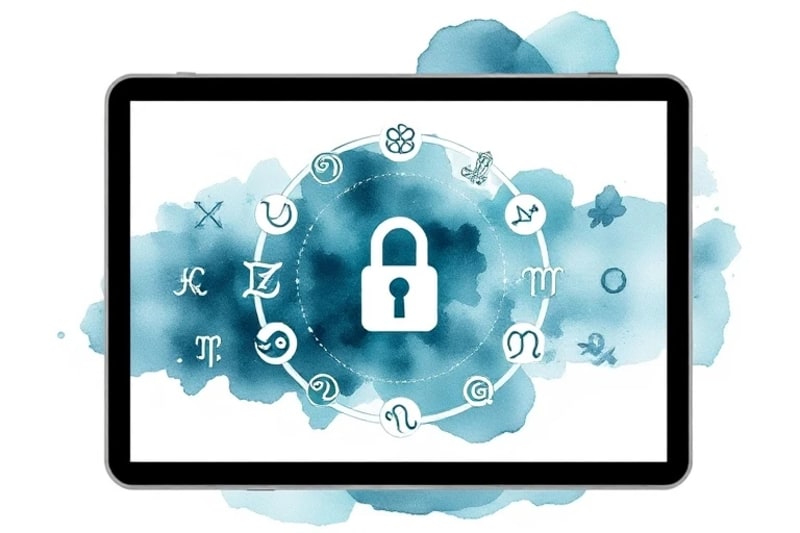
A secure digital interface showcases ancient runic symbols and oracle cards, emphasizing the critical role of data protection and ethical conduct in virtual spiritual guidance.
Maintaining Integrity in a Virtual Space
Beyond formal ethics, maintaining personal and energetic integrity is vital for effective online divination. This applies to both the reader and the recipient, ensuring the energetic exchange is clean and beneficial.
- Energy Hygiene for Digital Readings: Practitioners should establish routines for energetic cleansing and protection before and after readings. This can involve meditation, visualization, or ritual, even when working remotely. Clients can also prepare by clearing their minds and setting a calm environment. Practices like Energetic Protection: Shielding Your Aura are highly relevant here.
- Continuous Learning and Self-Reflection: The world of divination is vast and ever-evolving. Ethical practitioners commit to ongoing learning, refining their skills, and deepening their understanding of their chosen modalities. Regular self-reflection helps maintain objectivity and prevents burnout.
- Community Engagement and Peer Support: Connecting with other ethical practitioners provides a valuable support network for sharing best practices, discussing challenges, and fostering professional growth. This can be particularly important in the often solitary world of online spiritual work.
- Mindfulness of Digital Footprint: Both practitioners and clients should be mindful of their digital presence. What is shared online, how it is shared, and the overall tone of interactions contribute to the collective integrity of the digital divination community.
The virtual nature of online divination does not diminish its spiritual significance. Instead, it places a greater emphasis on conscious intention and responsible practice. By cultivating integrity, practitioners can offer truly transformative experiences, and clients can receive genuine guidance that supports their personal journeys. The energetic connection in digital readings, though not physical, is still very real. Practitioners often employ techniques to establish and maintain this connection, such as focusing on the client's name or photograph, or using specific visualizations. For clients, being fully present and engaged during the reading, even remotely, helps to strengthen this energetic link. Post-reading, both parties can benefit from grounding exercises to release any lingering energies and return to their personal energetic baseline. This conscious management of energy ensures that the exchange is clean, respectful, and beneficial for everyone involved.
Conclusion: Fostering Trust and Growth
Ethical divination in the digital age is not merely a set of rules; it is a commitment to fostering trust, respect, and genuine spiritual growth. As online platforms continue to expand the reach of ancient wisdom, the responsibility falls on both practitioners and seekers to uphold the highest standards of integrity. By embracing transparency, respecting autonomy, and maintaining clear boundaries, the digital space can become a powerful conduit for profound insights and personal empowerment.
The future of divination is undeniably intertwined with technology. By consciously integrating ethical best practices, the online spiritual community can thrive, offering valuable guidance and support to countless individuals navigating the complexities of modern life. This ensures that the wisdom of Tarot, Runes, and Oracles continues to serve humanity in a way that is both accessible and deeply authentic.
Explore More Insights
- Spirit Guides: Celestial Support
- Planetary Ingresses: Shifting Energies
- Energy Healing: Planetary Imbalances
- Ceres Astrology: Nurturing, Loss
- Virgo Scorpio Compatibility
- Astrology Debt Abundance
- Advanced Astrocartography
- Esoteric Sound Codes
- Sound Healing: Vibrations for Wellness
- North Node Synastry
- Scrying: Reflective Divination
Source: Hybrid content assisted by AI and human editorial supervision.


Comments
Post a Comment