
Chinese Zodiac Elements: Deep Dive into Wood, Fire, Earth, Metal, Water | StarPluto
The Chinese Zodiac is a fascinating astrological system that offers profound insights into personality, destiny, and interpersonal dynamics. While many are familiar with the twelve animal signs, a deeper understanding requires delving into the Five Elements: Wood, Fire, Earth, Metal, and Water. These elements, derived from the ancient Chinese philosophy of Wu Xing, are not merely symbolic but represent fundamental forces that interact with and modify the characteristics of each animal sign, creating a complex and nuanced system of interpretation.
Each person's birth year is associated with a specific animal sign and one of the five elements, creating a unique elemental animal combination that repeats every 60 years. This intricate interplay provides a more detailed astrological profile, shedding light on individual strengths, weaknesses, and life paths. Understanding these elements is crucial for anyone seeking to unravel the full depth of Chinese astrology and its practical applications in daily life, relationships, and career choices.
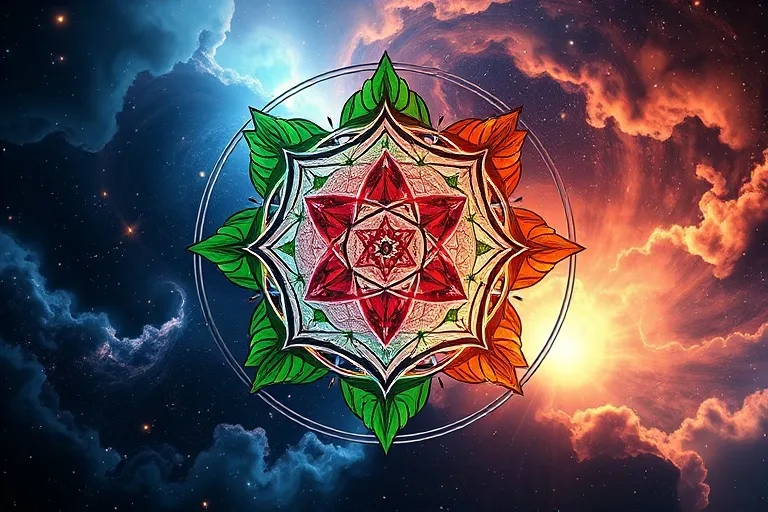
A visual representation of the intricate connections between the five fundamental elements of Chinese astrology.
Wu Xing: The Five Elements Theory
Wu Xing, often translated as the Five Elements or Five Phases, is a foundational concept in traditional Chinese philosophy and science. It describes the cyclical interaction and transformation of five fundamental energies: Wood (木, mù), Fire (火, huǒ), Earth (土, tǔ), Metal (金, jīn), and Water (水, shuǐ). These elements are not static substances but dynamic processes, representing different stages of change and transformation in nature, the cosmos, and human life.
The theory of Wu Xing is applied across various disciplines, including traditional Chinese medicine, feng shui, martial arts, music, and, of course, astrology. In the context of the Chinese Zodiac, these elements provide a layer of depth to the animal signs, influencing their inherent characteristics and modifying their expressions. Each element is associated with specific qualities, directions, seasons, colors, emotions, and even organs in the human body, forming a comprehensive framework for understanding the world.
Understanding Wu Xing is key to deciphering the complexities of Chinese astrology. It helps to explain why two people born under the same animal sign might exhibit different personality traits and react differently to similar situations. The elemental influence adds a unique flavor to each zodiac animal, creating 60 distinct elemental animal combinations within the 60-year cycle. This system highlights the dynamic and interconnected nature of existence, emphasizing balance and harmony.
The Wood Element: Growth and Creativity
The Wood element embodies growth, expansion, and vitality. It is associated with spring, new beginnings, and the direction East. Individuals influenced by Wood are often characterized by their creativity, idealism, and strong sense of ethics. They are natural innovators and pioneers, always looking for new ideas and ways to improve. Their energy is upward and outward, much like a tree reaching for the sky.
People with a dominant Wood element tend to be compassionate, generous, and cooperative. They possess a strong desire for justice and fairness, often acting as advocates for others. However, an imbalance in Wood can lead to stubbornness, impulsiveness, and a tendency towards anger or frustration when their plans are thwarted. They thrive in environments that allow them freedom and opportunities for self-expression. To learn more about how elements interact with specific signs, consider exploring Feng Shui Digital Nomads Harmonizing Virtual Well-being.
- Positive Traits: Creative, idealistic, compassionate, ethical, enterprising, flexible, growth-oriented.
- Negative Traits: Stubborn, impulsive, prone to anger, overly competitive, indecisive.
- Associated Years: Years ending in 4 and 5 (e.g., 1984, 1985, 1994, 1995).
- Color: Green.
- Season: Spring.
- Direction: East.
The Fire Element: Passion and Leadership
The Fire element symbolizes passion, energy, and dynamism. It is associated with summer, warmth, and the direction South. Individuals influenced by Fire are typically enthusiastic, confident, and natural leaders. They possess a vibrant and outgoing personality, often inspiring others with their charisma and determination. Fire energy is about action and transformation, bringing light and heat to any situation.
Fire people are courageous, adventurous, and love to be at the center of attention. They are quick-witted and enjoy taking risks, often achieving great success through their bold initiatives. However, an excess of Fire can manifest as impatience, aggression, and a tendency to be overly dramatic or impulsive. They need outlets for their boundless energy and thrive when they can lead and innovate. For insights into how these elements manifest in specific zodiac signs, explore our guide on Jungian Archetypes Chinese Zodiac Bridging Ancient Wisdom.
- Positive Traits: Passionate, energetic, confident, charismatic, adventurous, courageous, inspiring.
- Negative Traits: Impatient, aggressive, impulsive, overly dramatic, restless.
- Associated Years: Years ending in 6 and 7 (e.g., 1986, 1987, 1996, 1997).
- Color: Red.
- Season: Summer.
- Direction: South.
The Wood element is often depicted through images of new life and burgeoning nature.
The Earth Element: Stability and Nurturing
The Earth element represents stability, grounding, and nurturing. It is associated with late summer or the transitional periods between seasons, and the center direction. Individuals influenced by Earth are often practical, reliable, and responsible. They are the anchors of society, providing support and fostering harmony in their communities. Earth energy is about balance, sustenance, and steady progress.
Earth people are known for their patience, trustworthiness, and strong work ethic. They are excellent problem-solvers and prefer a methodical approach to life. Their nurturing nature makes them caring friends and family members. However, an imbalance in Earth can lead to stubbornness, over-worry, and a tendency to be overly cautious or resistant to change. They seek security and thrive in stable environments. Explore the traits of famous personalities under the Earth element in our Tarot Quantum Mechanics Intersecting Divination Reality section.
- Positive Traits: Practical, reliable, patient, responsible, stable, nurturing, honest, hardworking.
- Negative Traits: Stubborn, over-worrying, overly cautious, resistant to change, materialistic.
- Associated Years: Years ending in 8 and 9 (e.g., 1988, 1989, 1998, 1999).
- Color: Yellow/Brown.
- Season: Late Summer/Transitional.
- Direction: Center.
The Metal Element: Structure and Determination
The Metal element represents structure, precision, and determination. It is associated with autumn, harvest, and the direction West. Individuals influenced by Metal are often disciplined, organized, and strong-willed. They possess a keen intellect and a desire for order and justice. Metal energy is about refinement, cutting away the unnecessary, and striving for perfection.
Metal people are known for their independence, ambition, and ability to lead with authority. They are excellent at planning and execution, often excelling in fields that require precision and analytical thinking. However, an imbalance in Metal can lead to rigidity, aloofness, and a tendency towards being overly critical or melancholic. They value self-reliance and thrive in structured environments where their contributions are recognized. Discover the characteristics of the Metal Snake in our Metal Snake Horoscope.
- Positive Traits: Disciplined, organized, strong-willed, independent, ambitious, just, precise.
- Negative Traits: Rigid, aloof, overly critical, melancholic, stubborn, judgmental.
- Associated Years: Years ending in 0 and 1 (e.g., 1990, 1991, 2000, 2001).
- Color: White/Gold/Silver.
- Season: Autumn.
- Direction: West.
The Metal element reflects qualities of strength, determination, and meticulous organization.
The Water Element: Adaptability and Intuition
The Water element symbolizes adaptability, intuition, and fluidity. It is associated with winter, introspection, and the direction North. Individuals influenced by Water are often perceptive, empathetic, and highly adaptable. They possess a deep understanding of emotions and are skilled communicators. Water energy is about flow, introspection, and the ability to navigate complex situations with ease.
Water people are known for their intelligence, diplomacy, and ability to connect with others on a profound level. They are often creative and artistic, with a strong imaginative streak. However, an imbalance in Water can lead to fearfulness, indecisiveness, and a tendency towards being overly sensitive or secretive. They seek understanding and thrive in roles that allow them to use their intuition and communication skills. Dive deeper into the characteristics of the Water Snake with our Water Snake Chinese Horoscope.
- Positive Traits: Adaptable, intuitive, empathetic, intelligent, diplomatic, creative, perceptive.
- Negative Traits: Fearful, indecisive, overly sensitive, secretive, manipulative, prone to anxiety.
- Associated Years: Years ending in 2 and 3 (e.g., 1982, 1983, 1992, 1993).
- Color: Black/Blue.
- Season: Winter.
- Direction: North.
The 60-Year Cycle (Jia Zi): Elemental Animal Combinations
The Chinese Zodiac operates on a 12-year cycle for the animal signs and a 10-year cycle for the elements. When these two cycles combine, they create a grand 60-year cycle known as the Jia Zi (甲子). This means that each animal sign is paired with each of the five elements twice over a 60-year period, once with its Yin aspect and once with its Yang aspect. For example, there's a Wood Rat and a Fire Rat, an Earth Rat, a Metal Rat, and a Water Rat, and then the cycle repeats.
This 60-year cycle ensures that each elemental animal combination is unique and carries its own distinct set of characteristics. For instance, a Wood Dragon will have different traits and a different life path than a Fire Dragon, even though both share the core characteristics of the Dragon sign. The element adds a layer of depth, refining the animal's natural tendencies. This intricate system allows for a highly personalized astrological reading, reflecting the diverse nature of human personalities.
Understanding the Jia Zi cycle is fundamental to advanced Chinese astrology. It provides a framework for predicting long-term trends and understanding the overarching energetic influences of different periods. Each 60-year cycle begins with the Wood Rat and progresses through all 60 combinations before returning to the Wood Rat. This cyclical nature underscores the continuous flow and transformation inherent in Chinese philosophy. Dive deeper into the zodiac animals and their meanings in our Chinese Astrology: The Twelve Zodiac Animals guide.
Elemental Interactions: Productive and Destructive Cycles
The Five Elements are not isolated entities; they constantly interact with each other in two primary cycles: the Productive (Sheng) Cycle and the Destructive (Ke) Cycle. These cycles are crucial for understanding harmony and conflict in relationships, health, and environmental dynamics. They illustrate how different elemental energies either support or challenge one another, creating a dynamic balance.
The Productive Cycle describes how each element nourishes or creates the next in a benevolent sequence:
- Wood feeds Fire (wood burns to create fire).
- Fire creates Earth (fire turns to ash, enriching the earth).
- Earth bears Metal (metal is mined from the earth).
- Metal collects Water (metal containers hold water, or metal melts to become liquid).
- Water nourishes Wood (water helps trees grow).
The Destructive Cycle, conversely, describes how each element controls or overcomes another, maintaining balance by preventing any one element from becoming too dominant:
- Wood parts Earth (tree roots break up soil).
- Earth absorbs Water (earth dams or contains water).
- Water extinguishes Fire (water puts out fire).
- Fire melts Metal (fire transforms metal).
- Metal chops Wood (metal axes cut wood).
These cycles are vital for understanding compatibility in relationships, as well as for identifying areas of strength and weakness in an individual's elemental chart. A balanced elemental chart, where productive cycles are favored and destructive cycles are managed, is considered auspicious. For more on compatibility, see our Chinese Zodiac Compatibility Guide.
The ancient text "Huangdi Neijing" (The Yellow Emperor's Classic of Internal Medicine) states: "The five elements are the beginning of all things, the end of all things, and the root of life and death." This emphasizes their fundamental role in all aspects of existence, including health and destiny.
How Elements Influence Zodiac Animals
The elemental influence significantly modifies the inherent traits of each Chinese Zodiac animal. For example, while all Dragons are generally charismatic and powerful, a Wood Dragon might be more creative and community-oriented, a Fire Dragon more assertive and ambitious, an Earth Dragon more practical and stable, a Metal Dragon more disciplined and decisive, and a Water Dragon more intuitive and adaptable. This elemental overlay adds depth and nuance to each animal sign's profile.
Consider the Rat, known for its intelligence and resourcefulness. A Metal Rat might be exceptionally sharp-witted and financially astute, while a Water Rat could be more emotionally intelligent and adaptable. This interaction creates 60 unique archetypes, each with its own set of strengths and challenges. Understanding your specific elemental animal sign provides a richer self-awareness and helps in navigating relationships and career choices more effectively. Explore the traits of the Rat in our Rat Chinese Zodiac: Meaning, Traits, and Compatibility guide.
| Element | Key Influence on Animal Traits | Example: Dragon |
|---|---|---|
| Wood | Adds creativity, idealism, and a cooperative spirit. Enhances growth and ethical considerations. | Wood Dragon: More creative, visionary, and community-focused. Less aggressive, more diplomatic. |
| Fire | Boosts passion, leadership, and dynamism. Can lead to impulsiveness or impatience. | Fire Dragon: Highly energetic, ambitious, and charismatic. Can be impatient or overly dominant. |
| Earth | Provides stability, practicality, and nurturing qualities. Grounds the animal's natural tendencies. | Earth Dragon: More practical, reliable, and stable. Focuses on tangible achievements and security. |
| Metal | Imparts discipline, determination, and a strong sense of justice. Can make them rigid or aloof. | Metal Dragon: Highly disciplined, decisive, and ambitious. Strives for perfection and justice. |
| Water | Enhances adaptability, intuition, and communication skills. Can lead to indecisiveness or secrecy. | Water Dragon: More adaptable, intuitive, and diplomatic. Uses persuasion rather than brute force. |
Conclusion: Mastering the Elements
The Five Elements of the Chinese Zodiac offer a rich and detailed framework for understanding not only individual personalities but also the cyclical nature of life. By recognizing the specific elemental influences on your birth year and those around you, you gain valuable insights into inherent strengths, potential challenges, and optimal paths for growth and harmony. This knowledge empowers individuals to leverage their natural gifts and mitigate less favorable tendencies.
Embracing the wisdom of Wood, Fire, Earth, Metal, and Water allows for a more holistic approach to self-understanding and interpersonal relationships. It encourages balance, adaptability, and a deeper connection to the natural rhythms of the universe. Whether you are seeking personal development, improved relationships, or a clearer sense of purpose, a deep dive into these elemental forces can illuminate your path and enrich your journey. Continue your exploration of astrological concepts by visiting our StarPluto Home Page.
Fuente: Contenido híbrido asistido por IAs y supervisión editorial humana.


Comments
Post a Comment