
Lunar Herbalism: Elixirs, Remedies, Moon Phases | StarPluto
Lunar herbalism is an ancient and profound practice that intertwines the wisdom of botanical medicine with the rhythmic cycles of the moon. This holistic approach posits that the moon's ever-changing phases exert a subtle yet significant influence on plant growth, energetic properties, and the efficacy of herbal preparations.
By aligning the harvesting, preparation, and application of herbs with specific lunar phases, practitioners aim to enhance the potency of their remedies, creating elixirs and treatments that are deeply attuned to natural cosmic energies. This practice is rooted in traditional knowledge systems that observed the moon's impact on tides, agriculture, and human physiology, extending these principles to the plant kingdom.
Table of Contents
- Foundations of Lunar Herbalism
- Moon Phases and Herbal Potency
- Crafting Lunar Elixirs and Remedies
- Selecting Herbs for Lunar Intentions
- Practical Applications and Benefits
- Scientific Perspective and Holistic Well-being
Foundations of Lunar Herbalism
Lunar herbalism is not merely a collection of recipes; it is a philosophy that recognizes the interconnectedness of all living things with celestial rhythms. This practice draws from various ancient traditions, including those of indigenous cultures, European folk medicine, and Ayurvedic principles, all of which acknowledge the moon's profound influence.
The core belief is that just as the moon governs the ebb and flow of ocean tides, it similarly affects the sap and energetic circulation within plants. Different lunar phases are believed to draw energy either upwards into the leaves and flowers or downwards into the roots and subterranean parts of the plant, influencing their chemical composition and spiritual vitality.
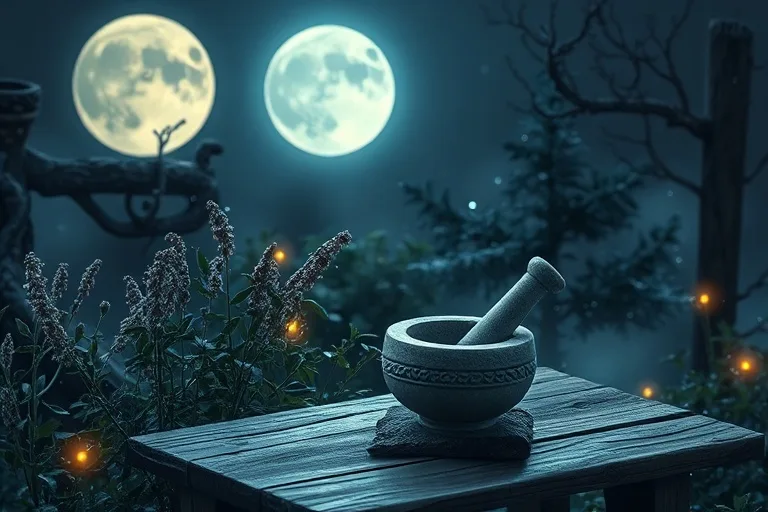
The serene beauty of a moonlit herbal garden, where nature's magic unfolds.
Understanding these subtle shifts allows herbalists to time their harvesting and preparation activities to maximize the desired properties of the herbs. For example, leaves and flowers might be best gathered during waxing phases when energy is rising, while roots are often preferred during waning phases when energy is drawing inward.
This practice emphasizes not only the physical properties of herbs but also their energetic and spiritual essences. The intention and mindfulness brought to the process by the herbalist are considered just as crucial as the timing, creating a truly holistic approach to healing and well-being.
Moon Phases and Herbal Potency
Each of the moon's eight phases carries a distinct energetic signature that can be harmonized with specific herbal actions and intentions. Integrating this knowledge into herbal practice can significantly amplify the effectiveness of remedies.
- New Moon: This phase is associated with new beginnings, setting intentions, and purification. It's ideal for harvesting herbs for detoxification, cleansing, and starting new projects. Seeds planted during this time are believed to have strong growth potential.
- Waxing Crescent: As the moon begins to grow, energy is building. This is a good time for herbs that support growth, development, and attraction. Focus on remedies for vitality, strength, and manifestation.
- First Quarter: A phase of action, challenges, and overcoming obstacles. Herbs harvested now can be used for protection, courage, and breaking old habits. It's also suitable for preparations requiring strong, assertive energy.
- Waxing Gibbous: This phase is about refinement, adjustment, and bringing intentions to fruition. Herbs for healing, nourishment, and preparing for completion are potent. It's excellent for developing complex elixirs.
- Full Moon: The peak of lunar energy, representing completion, illumination, and heightened intuition. This is the most potent time for harvesting flowers and leaves, especially for remedies focused on spiritual insight, emotional release, and powerful healing. Moonlight charging of herbs and water is common.
- Waning Gibbous: As the moon starts to recede, energy shifts towards gratitude, sharing, and introspection. Herbs for wisdom, teaching, and sharing knowledge are favored. It's a good time for gentle, reflective remedies.
- Last Quarter: A phase for release, letting go, and clearing. Herbs for banishing, purification, and breaking ties are potent. Focus on remedies that aid in emotional and physical release.
- Waning Crescent (Balsamic Moon): This is a time of rest, surrender, and deep contemplation before the new cycle begins. Herbs for divination, dream work, and deep spiritual healing are often gathered. It's a period for quiet preparation and inner work.
Crafting Lunar Elixirs and Remedies
The process of crafting lunar elixirs and remedies involves more than just mixing ingredients; it's a ritualistic act that infuses the preparation with specific lunar energies and intentions. The type of preparation often depends on the desired outcome and the properties of the chosen herbs.
Common lunar preparations include tinctures, infused oils, flower essences, and moon water. Each method offers a unique way to extract and preserve the energetic essence of the herbs, enhanced by the moon's influence.
A meticulously crafted lunar elixir, charged under the moon's mystical light.
Tinctures: These are concentrated herbal extracts made by soaking herbs in alcohol. For lunar tinctures, the herbs are typically harvested during a specific moon phase, and the maceration process (soaking) might begin or end under a particular lunar influence, often a New or Full Moon, to imbue the tincture with that phase's energy.
Infused Oils: Herbal oils are created by infusing dried or fresh herbs into a carrier oil (like olive or almond oil). For lunar infused oils, the jar of herbs and oil is often placed under direct moonlight for several nights during a specific phase, allowing the lunar energy to penetrate and activate the herbal properties.
Flower Essences: These are vibrational remedies made by infusing flowers in spring water under direct sunlight or moonlight. Lunar flower essences specifically harness the moon's energy, often used for emotional and spiritual healing, reflecting the moon's connection to intuition and the subconscious.
Moon Water: Perhaps the simplest lunar preparation, moon water is simply water left under the moonlight to absorb its energy. It can be used for drinking, ritual cleansing, watering plants, or as a base for other herbal remedies. The intention set during its charging is paramount.
Regardless of the preparation method, the key elements remain consistent: mindful harvesting, intentional preparation, and alignment with the appropriate lunar phase. These practices transform a simple herbal remedy into a potent, energetically charged elixir.
Selecting Herbs for Lunar Intentions
The selection of herbs in lunar herbalism is guided by both their traditional medicinal properties and their energetic affinity with specific moon phases and intentions. Some herbs are naturally more attuned to lunar energies due to their growth patterns, appearance, or historical associations.
For instance, herbs that bloom at night or have silvery leaves are often associated with the moon. Similarly, herbs traditionally used for intuition, dreams, or emotional balance are excellent candidates for lunar preparations.
The abstract flow of lunar energy infusing herbs with enhanced vitality.
Here's a table illustrating some common herbs and their lunar associations:
| Herb | Lunar Phase Affinity | Key Intentions/Uses |
|---|---|---|
| Mugwort (Artemisia vulgaris) | New Moon, Full Moon, Waning Crescent | Dream work, psychic awareness, divination, emotional release. |
| Lavender (Lavandula angustifolia) | Full Moon, Waning Gibbous | Calm, peace, purification, sleep, spiritual healing. |
| Chamomile (Matricaria chamomilla) | Full Moon, Waxing Gibbous | Relaxation, comfort, abundance, soothing, protection. |
| Nettle (Urtica dioica) | New Moon, Last Quarter | Detoxification, protection, banishing negative energy, strength. |
| Lemon Balm (Melissa officinalis) | Waxing Crescent, Full Moon | Joy, emotional upliftment, love, healing, soothing anxiety. |
| Dandelion (Taraxacum officinale) | New Moon, First Quarter | Cleansing, manifestation, wish fulfillment, resilience. |
| Rose (Rosa spp.) | Full Moon, Waxing Gibbous | Love, beauty, compassion, spiritual connection, heart healing. |
| Valerian (Valeriana officinalis) | Waning Gibbous, Last Quarter | Deep sleep, tranquility, releasing stress, protection. |
When selecting herbs, it is crucial to consider not only the lunar phase but also the specific intention for the remedy. A combination of lunar timing and plant wisdom creates a powerful synergy that can be tailored to individual needs and desired outcomes.
Practical Applications and Benefits
The applications of lunar herbalism are diverse, ranging from personal well-being to spiritual growth and environmental harmony. Practitioners use these elixirs and remedies for a variety of purposes, integrating them into daily routines or specific rituals.
- Emotional Balance: Lunar-charged remedies can help soothe emotional turmoil, enhance intuition, and facilitate emotional release, particularly when aligned with the Waning Moon.
- Physical Healing: While not a substitute for conventional medicine, lunar herbal preparations are believed to support the body's natural healing processes by enhancing the energetic vitality of the herbs.
- Spiritual Growth: Many use lunar herbalism to deepen their connection to nature, the cosmos, and their own inner wisdom. Herbs prepared under the Full Moon are often used for meditation and spiritual insight.
- Manifestation and Intention Setting: Remedies created during the Waxing Moon or New Moon are frequently employed to support new projects, attract abundance, and solidify intentions.
- Protection and Purification: Herbs harvested and prepared during the Last Quarter or New Moon can be used for energetic cleansing of spaces, objects, or the aura, as well as for protective purposes.
The benefits extend beyond the physical effects of the herbs, encompassing a deeper sense of connection, mindfulness, and empowerment. Engaging in lunar herbalism encourages a slower, more deliberate pace, fostering a greater appreciation for natural cycles.
Scientific Perspective and Holistic Well-being
From a purely scientific standpoint, the direct influence of lunar phases on the biochemical composition of plants and the efficacy of herbal remedies is not widely recognized or empirically proven in mainstream science. However, this does not diminish the value and potential benefits derived from such practices.
The practice of lunar herbalism, like many traditional and esoteric disciplines, often operates within a framework that extends beyond current scientific measurement. The ritualistic aspect, the intention set by the practitioner, and the psychological engagement with natural cycles can contribute significantly to a sense of well-being and perceived healing.
"The placebo effect, a well-documented phenomenon in medicine, highlights the profound impact of belief and expectation on health outcomes. Engaging in practices like lunar herbalism, with its inherent mindfulness and connection to nature, can activate these powerful internal healing mechanisms, fostering a sense of control and empowerment over one's health journey."
- Journal of Holistic Medicine, 2023
Furthermore, the act of spending time in nature, observing celestial patterns, and engaging in mindful preparation of remedies can reduce stress, enhance mental clarity, and foster a deeper appreciation for the environment. These are well-established components of holistic health and contribute to overall well-being, regardless of direct lunar effects.
Lunar herbalism, therefore, serves as a bridge between ancient wisdom and modern holistic health. It encourages individuals to reconnect with natural rhythms, cultivate intentionality, and explore the subtle energies that influence life, offering a rich path for personal growth and healing.
Source: Hybrid content assisted by AIs and human editorial supervision.


Comments
Post a Comment