
Chakra Balancing Basics: Aligning Energy Centers | StarPluto
In various spiritual traditions and holistic health practices, chakras are understood as vital energy centers within the human body. Originating from ancient Sanskrit, the term "chakra" translates to "wheel" or "disk," symbolizing swirling vortexes of energy that correspond to different physiological and psychological functions. These centers are believed to govern our physical, emotional, mental, and spiritual well-being, influencing everything from our basic survival instincts to our highest states of consciousness.
Understanding and balancing these energy centers is a cornerstone of many holistic approaches to health, aiming to foster harmony and optimal flow of life force, or "prana." When chakras are balanced, energy flows freely, leading to a sense of vitality, emotional stability, and mental clarity. Conversely, blockages or imbalances in these centers can manifest as physical ailments, emotional disturbances, or a general feeling of being "stuck."
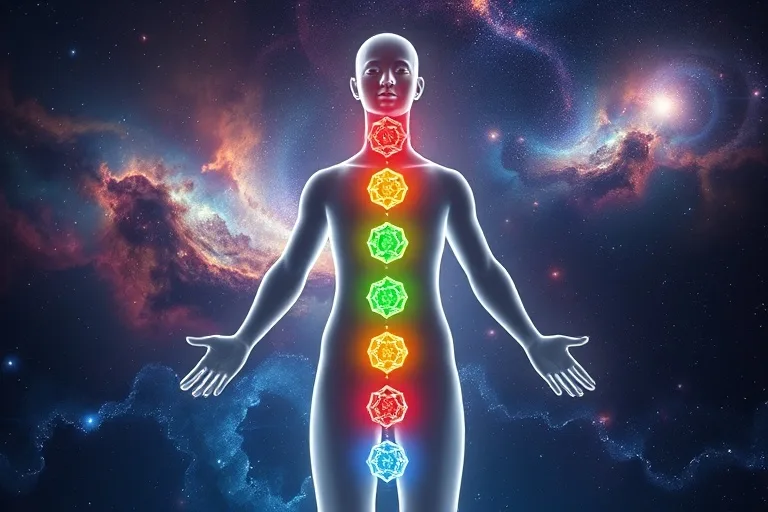
Understanding the intricate network of Tarot Quantum Mechanics Intersecting Divination Reality is fundamental to holistic well-being.
This introductory guide delves into the basics of chakra balancing, providing an accessible overview for those new to the concept. We will explore each of the seven primary chakras, their characteristics, common signs of imbalance, and practical techniques to restore their harmonious flow. By engaging with these principles, individuals can embark on a journey toward enhanced self-awareness and improved overall vitality.
The concept of chakras has been documented in ancient Hindu texts, particularly the Vedas, and later in Tantric Buddhism. While modern science does not directly recognize chakras as physical entities, their influence is often understood through the lens of psychosomatic connections and the body's subtle energy systems. Many practitioners find that working with chakras offers a profound pathway to inner peace and physical health.
What Are Chakras? The Seven Primary Energy Centers
The human body is believed to contain numerous chakras, but seven primary ones are typically focused on in most practices. These seven chakras are aligned along the spine, from the base to the crown of the head, each associated with specific colors, elements, emotional states, and physical organs. Their balanced functioning is crucial for an individual's holistic health.
1. Root Chakra (Muladhara)
2. Sacral Chakra (Svadhisthana)
3. Solar Plexus Chakra (Manipura)
4. Heart Chakra (Anahata)
5. Throat Chakra (Vishuddha)
6. Third Eye Chakra (Ajna)
7. Crown Chakra (Sahasrara)
1. Root Chakra (Muladhara): Foundation and Security
Located at the base of the spine, the Root Chakra is the foundation of our energy system. It is associated with our sense of security, stability, and basic survival needs. When balanced, it provides a feeling of being grounded, safe, and supported. Its element is Earth, and its color is red.
- Location: Base of the spine, perineum.
- Color: Red.
- Element: Earth.
- Associated with: Survival, security, stability, grounding, physical identity.
- Signs of Imbalance: Anxiety, fear, insecurity, financial instability, lower back pain, issues with feet or legs.
2. Sacral Chakra (Svadhisthana): Creativity and Emotion
Situated in the lower abdomen, just below the navel, the Sacral Chakra governs our emotions, creativity, sexuality, and pleasure. A balanced Sacral Chakra allows for fluid expression of feelings, healthy relationships, and a vibrant creative flow. Its element is Water, and its color is orange.
- Location: Lower abdomen, below the navel.
- Color: Orange.
- Element: Water.
- Associated with: Creativity, sexuality, emotions, pleasure, relationships, change.
- Signs of Imbalance: Emotional instability, creative blocks, sexual dysfunction, urinary problems, hip issues.
3. Solar Plexus Chakra (Manipura): Power and Will
Found in the upper abdomen, the Solar Plexus Chakra is the center of personal power, willpower, and self-esteem. When this chakra is balanced, individuals feel confident, assertive, and in control of their lives. Its element is Fire, and its color is yellow.
- Location: Upper abdomen, stomach area.
- Color: Yellow.
- Element: Fire.
- Associated with: Personal power, willpower, self-esteem, digestion, metabolism.
- Signs of Imbalance: Low self-esteem, lack of confidence, control issues, digestive problems, chronic fatigue.

Symbolic objects like Tarot Quantum Mechanics Intersecting Divination Reality and essential oils are often used in chakra balancing practices.
4. Heart Chakra (Anahata): Love and Compassion
Located at the center of the chest, the Heart Chakra is the bridge between the lower and upper chakras, connecting our physical and spiritual selves. It is the center of love, compassion, empathy, and forgiveness. A balanced Heart Chakra fosters deep, meaningful relationships and a sense of interconnectedness. Its element is Air, and its color is green (or pink).
- Location: Center of the chest.
- Color: Green or pink.
- Element: Air.
- Associated with: Love, compassion, empathy, forgiveness, relationships, emotional healing.
- Signs of Imbalance: Loneliness, jealousy, resentment, heart problems, respiratory issues.
5. Throat Chakra (Vishuddha): Communication and Expression
Positioned in the throat area, this chakra governs communication, self-expression, and truth. A balanced Throat Chakra allows for clear, honest, and authentic communication, enabling individuals to speak their truth with confidence. Its element is Ether (Space), and its color is blue.
- Location: Throat.
- Color: Blue.
- Element: Ether (Space).
- Associated with: Communication, self-expression, truth, listening, speaking.
- Signs of Imbalance: Difficulty expressing thoughts, fear of public speaking, thyroid issues, sore throat, neck stiffness.
6. Third Eye Chakra (Ajna): Intuition and Insight
Located between the eyebrows, the Third Eye Chakra is the center of intuition, insight, and inner wisdom. A balanced Third Eye Chakra enhances psychic abilities, clarity of thought, and the ability to see beyond the physical realm. Its element is Light, and its color is indigo.
- Location: Between the eyebrows.
- Color: Indigo.
- Element: Light.
- Associated with: Intuition, insight, wisdom, imagination, perception, spiritual awareness.
- Signs of Imbalance: Lack of intuition, confusion, headaches, eye strain, difficulty making decisions.

Achieving a harmonious Tarot Quantum Mechanics Intersecting Divination Reality is the ultimate goal of chakra balancing.
7. Crown Chakra (Sahasrara): Spirituality and Enlightenment
At the very top of the head, the Crown Chakra represents our connection to the divine, universal consciousness, and spiritual enlightenment. A balanced Crown Chakra brings a sense of unity, peace, and profound spiritual understanding. Its element is Thought/Cosmic Energy, and its color is violet (or white).
- Location: Top of the head.
- Color: Violet or white.
- Element: Thought/Cosmic Energy.
- Associated with: Spirituality, enlightenment, divine connection, universal consciousness, wisdom.
- Signs of Imbalance: Feeling disconnected, lack of purpose, spiritual cynicism, depression, cognitive issues.
Recognizing Signs of Chakra Imbalance
Identifying an imbalanced chakra is the first step toward restoring harmony. Imbalances can manifest as either an underactive (blocked) or overactive chakra, each with distinct symptoms. An underactive chakra might lead to a deficiency in its associated qualities, while an overactive one can result in an excess or distorted expression of those qualities.
For example, an underactive Root Chakra might cause feelings of insecurity and financial struggle, whereas an overactive one could lead to greed or excessive materialism. Similarly, an underactive Throat Chakra might manifest as shyness, while an overactive one could result in excessive talking or domineering communication. Paying attention to both physical and emotional cues can help pinpoint which chakras need attention.
It is important to remember that these are general guidelines, and individual experiences may vary. Consulting with a qualified energy healer or holistic practitioner can provide personalized insights and guidance. Self-reflection and journaling can also be powerful tools for understanding your own energy patterns and identifying areas of imbalance.
Techniques for Chakra Balancing
There are numerous practices and tools available to help balance and align your chakras. The key is to find what resonates with you and to approach these techniques with intention and consistency. Many of these methods can be integrated into daily routines, offering continuous support for your energy system.
- Meditation: Focused meditation on each chakra, visualizing its associated color and feeling its energy, is a powerful balancing tool. Guided meditations specifically designed for chakra work can be particularly effective.
- Yoga Poses (Asanas): Specific yoga poses are known to stimulate and balance different chakras. For instance, standing poses like Mountain Pose (Tadasana) can ground the Root Chakra, while Cobra Pose (Bhujangasana) can activate the Sacral and Solar Plexus Chakras.
- Crystals and Gemstones: Each chakra is associated with certain crystals that carry specific energetic vibrations. Placing these crystals on or near the corresponding chakra during meditation or rest can help to clear blockages and enhance energy flow.
- Aromatherapy: Essential oils, derived from plants, possess unique vibrational frequencies that can influence our energy centers. Diffusing or topically applying specific oils (diluted) can support chakra balancing.
- Sound Healing: Sounds, whether from singing bowls, tuning forks, or chanting, can resonate with the vibrational frequency of each chakra, helping to clear stagnant energy and restore balance. Binaural beats and specific musical frequencies are also used.
- Color Therapy: Exposure to the colors associated with each chakra, through clothing, environment, or visualization, can help to stimulate and balance these energy centers.
- Diet and Nutrition: Eating foods that are energetically aligned with each chakra can support its health. For example, root vegetables for the Root Chakra or vibrant fruits for the Sacral Chakra.
- Nature Connection: Spending time in nature, especially grounding activities like walking barefoot on grass or connecting with trees, can naturally balance the Root Chakra and promote overall energetic harmony.
- Affirmations: Using positive affirmations targeted at specific chakra qualities can reprogram subconscious beliefs and promote a balanced energy state. For example, "I am safe and secure" for the Root Chakra.
Consistency is key when working with chakra balancing techniques. Regular practice, even for short periods, can yield significant benefits over time. It's also beneficial to listen to your body and intuition, adapting practices as needed to support your unique energetic landscape. Many people find that combining several techniques creates a more comprehensive and effective approach to maintaining energy balance.
Benefits of Balanced Chakras
Achieving and maintaining balanced chakras can lead to a multitude of benefits across all aspects of life. When our energy centers are flowing optimally, we experience a greater sense of well-being, resilience, and connection. These benefits extend beyond the purely spiritual, impacting our physical health, emotional stability, and mental clarity.
Physically, a balanced energy system can contribute to improved immune function, better digestion, reduced chronic pain, and increased vitality. Many report feeling more energetic and less susceptible to common ailments. Emotionally, individuals often experience greater emotional regulation, reduced stress and anxiety, and an enhanced capacity for joy, love, and compassion. They may find it easier to navigate challenging emotions and maintain a positive outlook.
Mentally, balanced chakras can lead to improved focus, enhanced creativity, and clearer decision-making. The Third Eye Chakra, in particular, plays a crucial role in intuition and insight, fostering a deeper understanding of oneself and the world. Spiritually, individuals often report a stronger connection to their higher self, a greater sense of purpose, and a profound feeling of interconnectedness with all life. This can manifest as increased spiritual awareness and a more fulfilling spiritual path.
Ultimately, chakra balancing is a journey toward holistic integration, where the body, mind, and spirit work in harmony. It empowers individuals to take an active role in their own health and well-being, fostering a deeper relationship with their inner selves and the universal energy that surrounds them. By regularly engaging in these practices, one can cultivate a life of greater balance, peace, and vibrant health.
Integrating Chakra Work into Daily Life
Integrating chakra balancing into your daily routine doesn't require a complete overhaul of your lifestyle; rather, it involves conscious small steps that accumulate over time. The goal is to create consistent habits that support the energetic health of your chakras. Starting with simple practices and gradually expanding your repertoire can make the process feel manageable and sustainable.
One effective way to begin is by dedicating a few minutes each morning to a chakra-focused meditation or visualization. This could involve sitting quietly, focusing on each chakra from root to crown, and visualizing its corresponding color glowing brightly and spinning freely. Even five to ten minutes can make a significant difference in setting a positive energetic tone for your day.
Another practical approach is to incorporate chakra-specific elements into your environment. This might mean wearing clothes in chakra colors, using essential oil diffusers with balancing scents, or placing appropriate crystals in your living or workspace. For example, a red crystal near your desk can help ground your Root Chakra during work, while a blue scarf can enhance Throat Chakra communication.
Mindful eating is also a powerful tool. By consciously choosing foods that nourish each chakra, you can support its physical and energetic functions. For instance, consuming leafy greens can support your Heart Chakra, while purple foods like berries can resonate with your Crown Chakra. Staying hydrated with clean water also aids in the flow of energy throughout your system.
Physical activity, especially yoga or gentle stretching, can help release stagnant energy and promote circulation within the chakras. Even a short walk in nature can be incredibly grounding and revitalizing. The key is to be present and intentional with these activities, recognizing their potential to influence your subtle energy body.
Finally, regular self-reflection and journaling can provide valuable insights into your chakra health. By noting emotional patterns, physical sensations, and recurring thoughts, you can identify which chakras may be out of balance and adjust your practices accordingly. This continuous feedback loop allows for a dynamic and personalized approach to chakra balancing, fostering a deeper connection to your inner wisdom and overall well-being.
Fuente: Contenido híbrido asistido por IAs y supervisión editorial humana.


Comments
Post a Comment