
Psycho-Astrology: Jungian Archetypes for Wholeness
Psycho-astrology represents a profound convergence of ancient wisdom and modern psychological insights, offering a unique framework for self-understanding and personal growth. This interdisciplinary field delves into the symbolic language of astrology, not as a deterministic prophecy, but as a map of the psyche. By integrating concepts such as Carl Jung's archetypes and the crucial process of shadow work, individuals can unlock deeper layers of their being and move towards a more integrated and authentic existence.
The birth chart, a snapshot of the heavens at the moment of one's birth, becomes a powerful diagnostic tool in this context. It reveals inherent potentials, challenges, and unconscious patterns that shape an individual's life journey. Far from being a rigid destiny, these astrological configurations are seen as energetic blueprints, inviting conscious engagement and transformation.
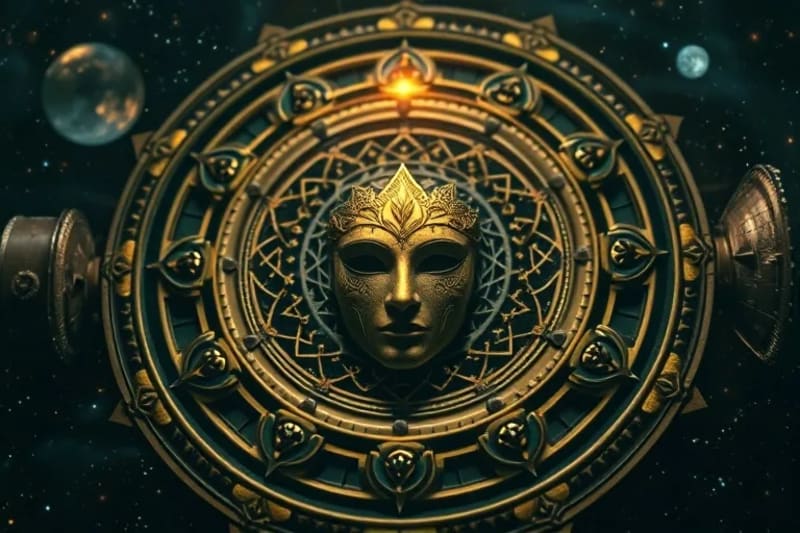
Exploring the intricate cosmic blueprint of the self, psycho-astrology merges ancient celestial wisdom with modern psychological frameworks to illuminate pathways toward inner harmony and profound personal evolution.
Conceptual AI render, inspired by the confluence of astrological symbolism and Jungian psychology.
Table of Contents
- Jungian Archetypes in Astrology: The Universal Patterns
- The Shadow in the Birth Chart: Confronting the Unseen Self
- Integrating the Shadow for Wholeness: The Path to Individuation
- Practical Applications of Psycho-Astrology for Self-Development
- Beyond the Individual: Collective Shadow and Astrological Cycles
- The Journey to Wholeness: A Continuous Process
This article will explore how psycho-astrology utilizes Jungian archetypes to understand the universal patterns of human experience as reflected in the birth chart. We will delve into the concept of the shadow, examining how astrological placements can highlight repressed aspects of the self. Finally, we will discuss practical approaches to integrating these insights for greater psychological wholeness and self-actualization.
Jungian Archetypes in Astrology: The Universal Patterns
Carl Jung, the pioneering Swiss psychiatrist, introduced the concept of archetypes as universal, archaic patterns and images that derive from the collective unconscious. These archetypes are innate, unlearned tendencies that organize human experience and behavior. In psycho-astrology, the planets, signs, and houses of a birth chart are seen as symbolic representations of these archetypal energies.
For instance, the Sun in astrology embodies the Hero archetype, representing the conscious ego, identity, and life purpose. Mars aligns with the Warrior, symbolizing drive, assertion, and courage. Venus resonates with the Lover or the Anima/Animus, reflecting values, relationships, and attraction. Each planetary placement and its aspects can reveal how these archetypal forces manifest within an individual's personality and life circumstances.
- Sun: The Hero, the King/Queen, the Self – Represents vitality, ego, core identity.
- Moon: The Mother, the Child, the Nurturer – Reflects emotional nature, instincts, security needs.
- Mercury: The Messenger, the Trickster, the Analyst – Governs communication, intellect, learning.
- Venus: The Lover, the Artist, the Harmonizer – Pertains to love, beauty, values, relationships.
- Mars: The Warrior, the Pioneer, the Aggressor – Symbolizes drive, action, passion, conflict.
- Jupiter: The Guru, the Benefactor, the Explorer – Represents expansion, wisdom, luck, philosophy.
- Saturn: The Father, the Taskmaster, the Sage – Relates to discipline, structure, responsibility, limitations.
- Uranus: The Rebel, the Innovator, the Awakener – Signifies change, freedom, originality, disruption.
- Neptune: The Mystic, the Dreamer, the Redeemer – Governs spirituality, illusion, compassion, artistic inspiration.
- Pluto: The Transformer, the Destroyer, the Healer – Represents power, death, rebirth, profound transformation.
Understanding these archetypal correspondences allows for a richer interpretation of the birth chart. It moves beyond superficial descriptions to explore the deep psychological currents at play. For a deeper dive into planetary influences, consider exploring topics like Neptune Aspects: Artistic Expression & Spiritual Inspiration, which delves into the mystical archetype of Neptune.
The Shadow in the Birth Chart: Confronting the Unseen Self
Jung defined the shadow as the unconscious aspect of the personality that the conscious ego does not identify with. It comprises repressed ideas, weaknesses, desires, instincts, and shortcomings. Essentially, it's everything we deny about ourselves, both negative and positive, that we deem unacceptable or inconsistent with our conscious self-image.

A visually dynamic representation of a birth chart, illustrating the interplay of archetypal energies that shape an individual's psychological landscape and potential.
In psycho-astrology, the shadow can be identified through various astrological indicators. Planets in challenging aspects (squares, oppositions, quincunxes), particularly to personal planets (Sun, Moon, Mercury, Venus, Mars), can highlight areas where shadow material is likely to reside. For example, a strong Pluto aspect might indicate intense power dynamics or repressed aspects related to control and transformation.
The twelfth house, traditionally associated with hidden enemies, self-undoing, and the unconscious, is often a repository for shadow material. Planets placed here can represent qualities or experiences that have been submerged or are difficult to consciously access. Similarly, the eighth house, linked to transformation, shared resources, and psychological depths, can reveal where our deepest fears and hidden desires lie.
Recognizing these astrological pointers isn't about judgment, but about awareness. It's the first step towards bringing unconscious patterns into conscious light. This process is crucial for genuine self-development and healing, as unacknowledged shadow aspects often manifest as projections onto others or self-sabotaging behaviors. Understanding these "blind spots" can help in navigating personal planet shifts, as discussed in Retrograde Cycles 2024: Navigating Personal Planet Shifts.
Integrating the Shadow for Wholeness: The Path to Individuation
Shadow work is the conscious process of exploring, accepting, and integrating these repressed aspects of the self. It is not about eliminating the shadow, but about understanding its origins and transforming its energy into a source of strength and creativity. When we deny our shadow, it gains power over us, often leading to self-defeating patterns or external conflicts.
Astrologically, integrating the shadow involves understanding the challenging aspects and placements in the birth chart not as curses, but as invitations for growth. For example, a challenging Saturn placement might indicate a fear of authority or a tendency towards self-criticism. Through shadow work, one can recognize these patterns, trace them back to their origins, and consciously choose to develop self-discipline and inner authority instead of succumbing to fear.
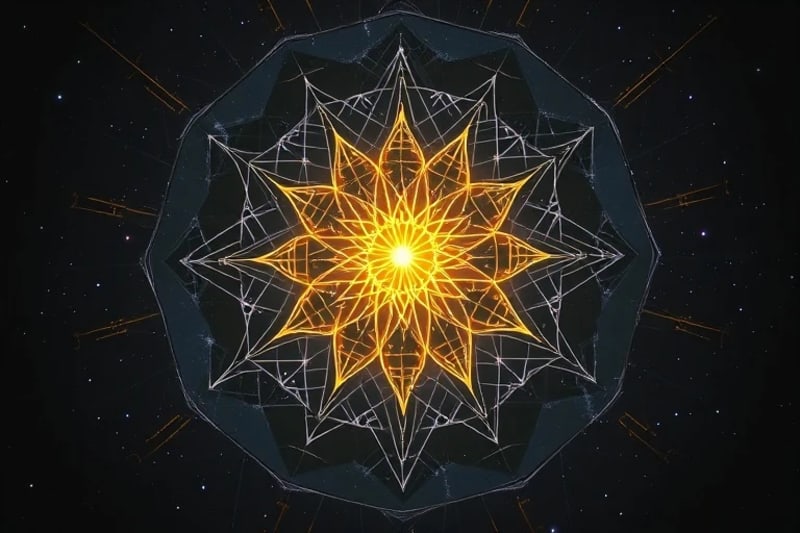
A powerful visual metaphor for shadow integration, depicting fragmented aspects of the self being consciously woven together to form a complete and luminous whole.
The ultimate goal of Jungian psychology is individuation – the process by which an individual becomes a whole, integrated, and unique self. Psycho-astrology provides a personalized roadmap for this journey. By consciously engaging with the archetypal energies and shadow material revealed in the birth chart, individuals can transmute psychological "lead" into "gold," a concept echoed in Alchemical Astrology: Lead to Gold Transmutation.
This process often involves introspection, journaling, dream analysis, and sometimes therapeutic guidance. It requires courage to face uncomfortable truths about oneself, but the reward is a profound sense of authenticity and inner peace.
Practical Applications of Psycho-Astrology for Self-Development
The insights gained from psycho-astrology are not merely theoretical; they offer tangible benefits for personal development. Here are some practical applications:
- Enhanced Self-Awareness: Understanding your birth chart through an archetypal lens provides a deeper understanding of your core motivations, fears, and desires.
- Improved Relationships: By recognizing your own shadow projections, you can foster healthier relationships, reducing conflict and increasing empathy. This applies not only to personal relationships but also to understanding compatibility, as explored in Zodiac Compatibility Advanced Elemental Ascendant Influences.
- Career Guidance: Identifying dominant archetypes and planetary strengths can illuminate suitable career paths that align with your true calling.
- Emotional Healing: Confronting and integrating shadow aspects can lead to significant emotional release and healing of old wounds, including those related to the inner child. For more on this, see Planetary Aspects Inner Child Healing Natal Transits.
- Spiritual Growth: Psycho-astrology can serve as a powerful tool for spiritual awakening, connecting individuals to their higher purpose and the collective unconscious.
By actively engaging with the symbolic language of astrology, individuals can transform their challenges into opportunities for profound growth. It's about moving from a passive acceptance of fate to an active co-creation of one's reality.
Beyond the Individual: Collective Shadow and Astrological Cycles
While much of psycho-astrology focuses on individual charts, it also offers insights into the collective unconscious and societal patterns. Major astrological transits and planetary cycles can activate collective archetypes and bring forth aspects of the collective shadow. Events like global crises or significant social shifts often reflect these larger archetypal activations, prompting humanity to confront its shared repressed material.
Understanding these broader astrological influences can provide context for current events and help individuals navigate periods of collective transformation. It highlights the interconnectedness of individual and collective psychological processes, emphasizing that personal healing contributes to the healing of the whole.
The Journey to Wholeness: A Continuous Process
The integration of Jungian archetypes and shadow work within psycho-astrology is not a one-time event but a continuous journey. As individuals evolve, new layers of the psyche may emerge, requiring ongoing introspection and integration. The birth chart remains a constant guide, offering fresh perspectives as one matures and encounters different life stages.
Embracing this journey means committing to self-honesty, compassion, and a willingness to explore the depths of one's being. It is a powerful path to psychological wholeness, leading to a life lived with greater awareness, purpose, and authenticity. Psycho-astrology empowers individuals to become the conscious architects of their inner world, transforming potential into realized self.
Explore More Insights into Your Cosmic Journey
- Chrono-Astrology: Unlocking Personal Time Cycles
- Solar Returns: Annual Growth & Self-Discovery | StarPluto
- Quantum Alchemy: Transmuting Lead Experiences into Gold Opportunities
- Lunar Astrology Emotional Well-being: Moon Cycles Mindfulness
- Neurotechnology: Brain-Machine Interfaces, Ethics and Future | Althox
- Professional Astrology: Align Your Career with Your Birth Chart | AstroFuturo
Source: Hybrid content assisted by AI and human editorial supervision.


Comments
Post a Comment