
Psycho-Astrology Jungian Archetypes Shadow Work Wholeness
Psycho-astrology represents a profound intersection between the ancient wisdom of astrology and the depth psychology pioneered by Carl Jung. This integrative approach offers a unique framework for understanding the human psyche, revealing how celestial patterns mirror our inner landscape, archetypal predispositions, and the unconscious dynamics that shape our lives. Far beyond simple predictions, psycho-astrology serves as a powerful tool for self-discovery, personal growth, and the journey toward psychological wholeness, often referred to as individuation.
At its core, psycho-astrology posits that the birth chart is not merely a map of planetary positions at the moment of our first breath, but a symbolic blueprint of our psychological structure. It delineates the archetypal energies at play within us, highlighting our innate potentials, challenges, and the unconscious material that demands integration. By consciously engaging with these astrological symbols, individuals can unlock deeper insights into their motivations, fears, desires, and the path to becoming their authentic selves.
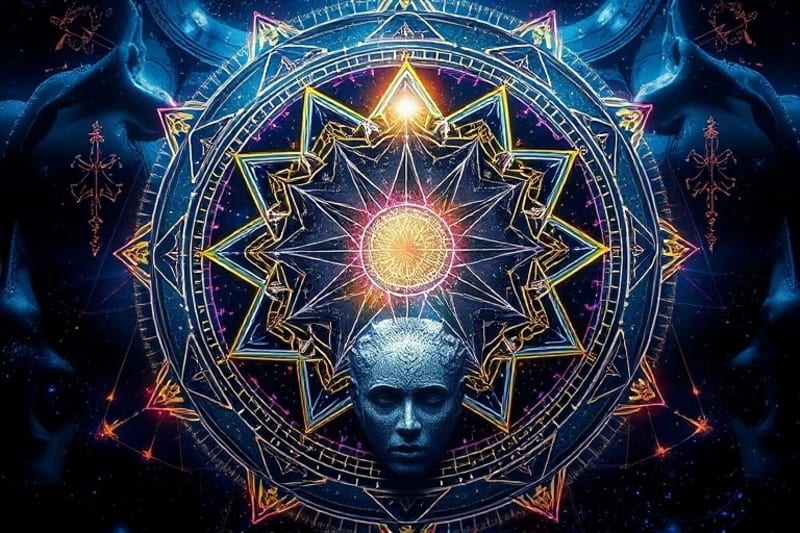 Exploring the profound connection between celestial mechanics and the intricate dynamics of the human psyche, revealing archetypal patterns and pathways to inner harmony.
Conceptual AI rendering, reflecting the interplay of cosmic forces and psychological structures, created under a free-use license.
Table of Contents
- Jungian Archetypes in the Birth Chart
- The Shadow in Astrology: Unveiling Repressed Aspects
- Shadow Work and Astrological Transits: Catalysts for Integration
- Integrating Archetypes for Wholeness: The Path of Individuation
- Practical Applications of Psycho-Astrology
- Conclusion: The Holistic Power of Psycho-Astrology
Jungian Archetypes in the Birth Chart
Carl Jung's concept of archetypes refers to universal, archaic patterns and images that derive from the collective unconscious and are the psychic counterpart to instinct. These primordial images are expressed in myths, dreams, art, and religion across all cultures. In psycho-astrology, the planets, signs, and houses of a birth chart are seen as symbolic representations of these archetypal energies, providing a personalized map of an individual's archetypal inheritance.
Each planet, for instance, embodies a specific archetypal function. The Sun represents the Hero or the Self, symbolizing our conscious identity, will, and life force. The Moon embodies the Great Mother or the Nurturer, reflecting our emotional core, unconscious needs, and sense of security. Mars is the Warrior or the Animus, representing our drive, assertiveness, and capacity for action, while Venus is the Lover or the Anima, governing our values, relationships, and aesthetic sensibilities.
The zodiac signs further qualify these planetary archetypes, adding specific modes of expression and psychological nuances. For example, the Sun in Leo might manifest the Hero archetype with a strong need for recognition and creative expression, while the Sun in Capricorn might express it through discipline, ambition, and a drive for tangible achievement. The houses indicate the life areas where these archetypal energies are most actively expressed and encountered.
Understanding these correspondences allows for a deeper, more symbolic interpretation of the birth chart, moving beyond superficial traits to the underlying psychic structures. It helps individuals recognize the universal patterns playing out in their unique life story, fostering a sense of connection to the broader human experience.
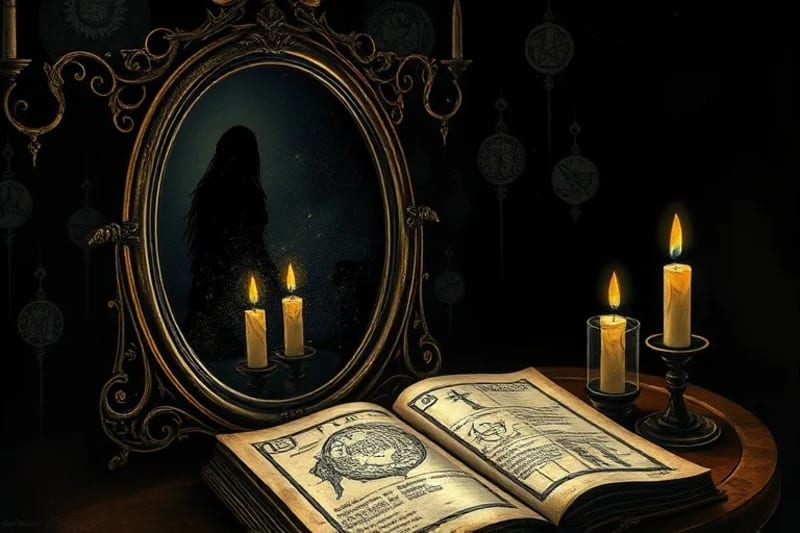 A visual metaphor for the journey into the unconscious, where hidden aspects are illuminated and integrated through introspection and symbolic exploration.
Artistic AI rendition exploring themes of the shadow self and inner reflection, provided under a creative commons license.
The Shadow in Astrology: Unveiling Repressed Aspects
One of Jung's most compelling concepts is the Shadow: the unconscious aspect of the personality that the conscious ego does not identify with. It comprises repressed ideas, weaknesses, desires, instincts, and shortcomings. While often perceived negatively, the Shadow also contains undeveloped positive qualities and creative potential. Integrating the Shadow is crucial for psychological maturity and wholeness.
In astrology, several indicators point to the nature and location of an individual's Shadow. Pluto, the planet of transformation, death, and rebirth, is perhaps the most significant astrological symbol of the Shadow. Its placement by sign and house, along with its aspects, reveals where we hold power, fear, and repressed material. Pluto's influence often highlights areas where we experience intense psychological dynamics, compulsions, and the need for profound transformation.
The 12th House, traditionally associated with the unconscious, hidden enemies, self-undoing, and spiritual matters, also strongly relates to the Shadow. Planets placed in the 12th House often represent energies that are difficult to consciously access or integrate, operating from behind the scenes. Similarly, intercepted signs in a chart can indicate energies or archetypes that are "stuck" or difficult to express, contributing to the Shadow.
Difficult aspects (squares, oppositions, quincunxes) involving planets like Saturn (limitations, fears), Neptune (illusions, escapism), or Uranus (rebellion, disruption) can also point to shadow material. These aspects often create internal tension and conflict, pushing us to confront disowned parts of ourselves. For example, a hard aspect between the Moon (emotional needs) and Pluto (power dynamics) might indicate a deeply buried fear of emotional vulnerability or control issues stemming from early experiences.
Understanding these astrological markers provides a roadmap for shadow work. By identifying where the Shadow manifests in the chart, individuals can consciously engage with these repressed aspects, bringing them into awareness and beginning the process of integration. For a deeper dive into the transformative power of Pluto, consider exploring our guide on Pluto in Houses: Shadow Work, Transformation, Empowerment Guide.
Shadow Work and Astrological Transits: Catalysts for Integration
Shadow work is the process of exploring and integrating the unconscious aspects of oneself. It involves acknowledging, accepting, and ultimately transforming these disowned parts rather than suppressing them. Astrological transits, particularly those of the outer planets (Saturn, Uranus, Neptune, Pluto), often act as powerful catalysts for shadow work, bringing unconscious material to the surface.
When a transiting outer planet makes a significant aspect to a natal planet or angle, it activates the archetypal energies associated with both. For instance, a transiting Pluto conjuncting a natal Sun can initiate a profound period of ego death and rebirth, forcing an individual to confront their deepest fears, power dynamics, and repressed aspects of their identity. Similarly, transiting Saturn aspects often highlight areas of insecurity, responsibility, and where we need to build stronger internal structures, often by facing our limitations and fears.
Transits involving Neptune can dissolve old boundaries, bringing up illusions, spiritual longings, or unconscious patterns of escapism that need to be addressed. Uranus transits, on the other hand, can bring sudden awakenings, rebellions against old structures, and the need to liberate oneself from restrictive patterns, often by confronting the parts of ourselves that resist change. These periods are not always comfortable, but they offer immense opportunities for growth and integration.
Consciously engaging with these transits through shadow work practices—such as journaling, active imagination, dream analysis, and therapy—can transform challenging periods into profound healing experiences. By understanding the astrological context, individuals can better navigate these intense psychological shifts, recognizing them as opportunities to reclaim disowned parts of themselves and move closer to wholeness. For those interested in deeper healing practices, exploring Spirit Guides Shadow Work Deep Inner Healing Guide can offer complementary insights.
 A conceptual representation of the individuation process, where disparate elements of the psyche coalesce into a unified, radiant self.
AI-generated abstract art illustrating psychological integration and the journey to wholeness, available for use under public domain guidelines.
Integrating Archetypes for Wholeness: The Path of Individuation
The ultimate goal of psycho-astrology, aligned with Jungian psychology, is individuation: the process by which an individual becomes a whole, indivisible being, distinct from the collective psychology. This involves integrating the conscious and unconscious aspects of the self, including the Shadow, the Anima/Animus, and other archetypal energies, under the guidance of the Self archetype.
The birth chart provides a detailed map for this journey. By understanding the interplay of various planetary archetypes, their aspects, and house placements, individuals can identify where certain archetypal energies are overdeveloped, underdeveloped, repressed, or projected onto others. For example, a strong Mars with challenging aspects might indicate an overidentification with the Warrior archetype, leading to aggression, or its repression, leading to passivity.
Integrating archetypes involves recognizing their influence, understanding their healthy and unhealthy expressions, and consciously choosing to embody their positive qualities while acknowledging and transforming their destructive potentials. This often means reclaiming projections—seeing aspects of ourselves in others that we have disowned—and integrating them back into our own psyche.
The Self, for Jung, is the archetype of wholeness and the regulating center of the psyche. In astrology, the Self can be seen as represented by the entire birth chart, particularly the Sun (conscious ego), the Moon (unconscious self), the Ascendant (persona), and the Midheaven (public persona and life direction), all working in concert towards a unified purpose. The North Node also points towards the soul's evolutionary path and the qualities needed for integration.
Complex astrological patterns, such as Yods, Grand Trines, or T-Squares, can represent specific archetypal configurations that demand attention and integration for the individual to achieve balance and wholeness. Understanding these can provide profound insights into one's life purpose and challenges. For more on these intricate patterns, explore Astrological Aspects: Unpacking Yods, Grand Trines, T-Squares.
Practical Applications of Psycho-Astrology
The theoretical framework of psycho-astrology finds its true value in its practical applications for personal development and psychological well-being. Here are several ways individuals can engage with this powerful modality:
- Birth Chart Analysis: A detailed reading of the natal chart from a psycho-astrological perspective can illuminate core archetypal patterns, shadow material, and the path to individuation. It helps identify strengths, vulnerabilities, and areas requiring conscious development.
- Journaling and Reflection: Regularly journaling about one's experiences, dreams, and emotional states in relation to current astrological transits can reveal how archetypal energies are manifesting. This practice fosters self-awareness and helps in tracking the integration process.
- Active Imagination: A Jungian technique where one consciously engages with unconscious material (dreams, fantasies, feelings) through dialogue or visualization. When combined with astrological insights, one can actively interact with planetary archetypes or shadow figures identified in the chart.
- Dream Analysis: Dreams are often direct communications from the unconscious, rich with archetypal symbolism. Analyzing dreams through an astrological lens can provide deeper insights into the interplay of planetary energies and the integration of shadow material.
- Therapeutic Integration: Many depth psychologists and therapists integrate astrological insights into their practice. This multidisciplinary approach can provide clients with a comprehensive understanding of their psychological landscape, accelerating the therapeutic process.
- Conscious Engagement with Transits: Instead of passively experiencing challenging transits, psycho-astrology encourages active engagement. By understanding the archetypal lessons presented by a transit, individuals can consciously work with these energies for growth rather than being overwhelmed by them.
Conclusion: The Holistic Power of Psycho-Astrology
Psycho-astrology offers a profound and holistic pathway to self-understanding and psychological wholeness. By bridging the symbolic language of the cosmos with the intricate dynamics of the human psyche, it provides a unique framework for exploring our archetypal inheritance, confronting our Shadow, and embarking on the transformative journey of individuation. It moves beyond deterministic views of astrology, empowering individuals to become active participants in their own psychological evolution.
Through this integrative approach, the birth chart transforms from a static map into a dynamic guide for lifelong self-discovery. It reveals not only who we are but also who we are becoming, offering profound insights into our deepest potentials and the unconscious forces that shape our destiny. Embracing psycho-astrology is an invitation to a richer, more conscious existence, where the celestial dance above mirrors the sacred journey within.
Explore More Insights
- Herbal Magic: Plants for Spellwork & Spiritual Healing
- Aquarius Zodiac Sign: Innovation, Humanity, Independence
- Shamanic Journeying: Exploring Non-Ordinary Reality
- Venus Sign Decoding: Love, Values, Relationships Guide
- Pet Astrology: Decoding Cosmic Chart for Deeper Bonds
- Urban Geomancy Lunar Mansions: Aligning City Dwellings Cosmic Energies
- Mercury in Signs & Houses: Communication, Intellect
- Chinese Zodiac Health Insights: Wellness Tips
- Cosmic Omens: Synchronicities, Esoteric Symbols, Horoscopes Interpretation
- Augmented Reality Spiritual Growth: Interactive Meditation Energy Healing
- Zi Wei Dou Shu Career Mapping: Unveiling Destiny Paths
Related Topics from Our Network
- Astrological Compatibility: Venus and Mars in Love
- Aquatic Gemotherapy: Crystal Elixirs for Chakra Healing
- Horary Astrology: Direct Answers to Astrological Questions
- Angelic Dance of Creation: Cosmic Symphony of Universal Harmony
- Magnificat: Canticle of Praise to God by the Virgin Mary
- Visions Beyond: Mystical Experiences of Purgatory and Heaven
Source: Hybrid content assisted by AI and human editorial supervision.


Comments
Post a Comment