
Herbal Magic: Plants for Spellwork & Spiritual Healing | StarPluto
Herbal magic, an ancient and enduring practice, harnesses the intrinsic energies and properties of plants for spiritual healing, protection, manifestation, and spellwork. This profound connection between humanity and the botanical world is deeply rooted in diverse cultures across millennia, reflecting a universal understanding of nature's power. Far from being mere superstition, herbal magic often intertwines with traditional medicine, folklore, and a holistic worldview that recognizes the interconnectedness of all life.
In this comprehensive guide, we delve into the rich history, fundamental principles, and practical applications of herbal magic, offering an educational and informed perspective on how plants have been, and continue to be, utilized for spiritual and energetic purposes. We will explore various herbs, their traditional correspondences, and ethical considerations for their use, ensuring a respectful and knowledgeable approach to this fascinating field of esotericism.
Historical Roots of Herbal Magic
The use of plants for spiritual and magical purposes is as old as human civilization itself. Archaeological evidence suggests that early humans utilized specific plants in rituals, recognizing their psychoactive properties, healing capabilities, or symbolic significance. From the shamans of ancient Siberia to the medicine men of indigenous American tribes, plants were central to spiritual practices, divination, and communal well-being.
Ancient Egypt, for instance, employed a vast array of herbs in their religious ceremonies, mummification processes, and healing rituals. Papyrus Ebers, one of the oldest and most important medical papyri, lists numerous plant-based remedies and spells. Similarly, the Greeks and Romans documented extensive knowledge of herbs, with figures like Dioscorides compiling encyclopedic works on botanical medicine and its magical applications.
In medieval Europe, despite the rise of organized religion, herbal lore persisted, often blending with Christian symbolism while retaining pagan roots. Wise women, cunning folk, and village healers continued to use herbs for protection, love spells, curses, and healing, passing down knowledge through generations. The "Doctrine of Signatures," a concept popular during this era, suggested that a plant's appearance indicated its medicinal or magical use, further solidifying the belief in inherent plant correspondences.
Across Asia, traditional systems like Ayurveda in India and Traditional Chinese Medicine (TCM) in China developed sophisticated frameworks for understanding the energetic properties of plants, often integrating them into spiritual practices and philosophical beliefs. African and Afro-Caribbean traditions, such as Voodoo and Santería, also feature complex systems of herbal magic, where plants are seen as conduits for spirits and deities, used in offerings, cleansings, and protective charms.
Foundational Principles of Herbal Magic
Understanding herbal magic requires grasping its underlying principles, which often draw from esoteric traditions and ancient philosophies. These principles help practitioners select and utilize plants effectively for specific magical intentions.
- Correspondences: This is perhaps the most crucial principle. Every plant is believed to have specific energetic correspondences to planets, astrological signs, elements (earth, air, fire, water), deities, colors, and magical intentions. For example, roses are associated with Venus, love, and water, making them ideal for love spells or beauty rituals.
- Sympathetic Magic: Also known as "like attracts like," this principle posits that things that resemble each other or have been in contact can influence one another. A plant with heart-shaped leaves might be used for matters of the heart, or a thorny plant for protection.
- Doctrine of Signatures: As mentioned, this historical concept suggests that the physical characteristics of a plant (shape, color, growing habit) indicate its magical or medicinal properties. For instance, plants with yellow flowers might be used for jaundice or solar magic, while red plants for blood-related issues or passion.
- Intention: The practitioner's focused will and intention are paramount. The plant acts as a conduit or amplifier for this intention. Without clear intent, the magic is believed to be less effective.
- Timing: Astrological timing, lunar phases, and specific days of the week are often considered important for enhancing the potency of herbal magic. For example, working with herbs for growth and abundance during a waxing moon, or for banishing and release during a waning moon.
Common Magical Herbs and Their Correspondences
A vast array of plants is used in herbal magic, each with its unique properties and associations. Here's a look at some widely recognized magical herbs and their traditional uses:
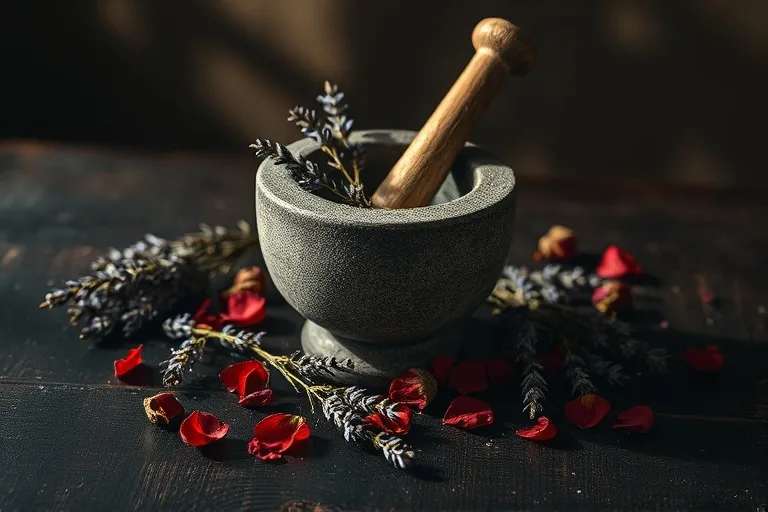
- Lavender (Lavandula angustifolia): Known for its calming scent, lavender is associated with peace, sleep, purification, love, and healing. It's often used in sachets for restful sleep, ritual baths for cleansing, or as an incense for creating a serene atmosphere.
- Rose (Rosa spp.): The quintessential flower of love, roses correspond to Venus and are used for attracting love, enhancing beauty, promoting peace, and offering protection. Different colors of roses can have varied magical meanings.
- Rosemary (Rosmarinus officinalis): A powerful herb for protection, cleansing, memory enhancement, and healing. Rosemary can be burned as incense to purify a space, added to protective charms, or used in baths for spiritual cleansing.
- Sage (Salvia officinalis / Salvia apiana): White sage (Salvia apiana) is particularly revered for its potent purification and cleansing properties, often used in smudging rituals to clear negative energy. Common garden sage (Salvia officinalis) is associated with wisdom, protection, and longevity.
- Chamomile (Matricaria chamomilla): A gentle herb associated with relaxation, peace, luck, and attracting money. Chamomile flowers can be added to bath water for calming, carried for luck, or used in prosperity spells.
- Basil (Ocimum basilicum): Linked to wealth, protection, love, and exorcism. Basil leaves can be placed in wallets to attract money, sprinkled around a home for protection, or used in love spells.
- Mugwort (Artemisia vulgaris): A potent herb for divination, lucid dreaming, psychic awareness, and protection. Often burned as incense before scrying or placed under a pillow to enhance dream recall.
- Eucalyptus (Eucalyptus globulus): Primarily used for cleansing, healing, and protection. Its strong, camphoraceous scent is believed to clear illness and negative influences.
- Cinnamon (Cinnamomum verum): A warming spice associated with prosperity, passion, success, and spiritual healing. Cinnamon can be burned as incense to draw abundance or added to charms for courage and drive.
- Peppermint (Mentha piperita): Used for purification, healing, psychic awareness, and dispelling negativity. Peppermint leaves can be placed on altars or used in sachets for protection and clarity.
Methods of Herbal Magic Application
Herbal magic encompasses a variety of methods for utilizing the energetic properties of plants. The chosen method often depends on the intention and the specific herb being used.
- Herbal Sachets and Pouches: Dried herbs, often combined with crystals or other symbolic items, are placed in small cloth bags and carried on the person, hung in a home, or placed under a pillow to draw specific energies (e.g., a lavender sachet for sleep, a basil sachet for prosperity).
- Incense and Smudging: Burning dried herbs or resins releases their energetic properties into the air. Smudging, particularly with white sage or palo santo, is a common practice for cleansing spaces, objects, or individuals of negative energy. Other herbs like frankincense, myrrh, and rosemary are also used as incense for various intentions.
- Herbal Baths: Adding herbs (fresh or dried) or essential oils derived from them to bathwater is a powerful way to absorb their energies for purification, healing, attraction, or relaxation. For example, a rose and lavender bath for self-love and peace.
- Teas and Infusions (Spiritual Use): While many herbs are used for medicinal teas, in herbal magic, certain infusions are prepared with specific intentions for spiritual insight, calming, or connection. It is crucial to note that this is for spiritual intent and not a substitute for medical advice or treatment. Always consult a healthcare professional for health concerns.
- Oils and Tinctures: Herbs can be infused into carrier oils (like almond or jojoba) to create magical oils for anointing candles, tools, or oneself. Tinctures, alcohol-based herbal extracts, are less common in direct magical application but can be used symbolically or in ritualistic consumption (again, with caution and professional advice for internal use).
- Amulets and Talismans: Specific herbs can be incorporated into charms, amulets, or talismans worn for protection, luck, or to attract desired outcomes. For instance, carrying a bay leaf for wishes or a sprig of rosemary for protection.
- Floor Washes and Sprays: Herbal infusions can be used to wash floors or sprayed into rooms to cleanse, bless, or draw specific energies into a space.
Ethical and Sustainable Practice
Engaging in herbal magic responsibly requires a strong ethical framework and a commitment to sustainable practices. The relationship with plants should be one of respect, reciprocity, and mindfulness.

- Sustainable Sourcing: Always prioritize sustainably harvested or organically grown herbs. Over-harvesting of wild plants, especially those popular in spiritual practices like white sage or palo santo, can lead to ecological damage and disrespect indigenous traditions. If wildcrafting, learn proper techniques to ensure the plant population thrives.
- Respect for Indigenous Practices: Be mindful and respectful of the origins of certain herbal practices. Some traditions, like smudging with white sage, are sacred to specific indigenous cultures. Non-indigenous practitioners should educate themselves on the cultural significance and consider alternative herbs or practices if appropriation is a concern.
- Intention and Consent: Ensure your magical intentions are ethical and do not infringe upon the free will of others. Herbal magic, like any form of magic, should be approached with a clear moral compass.
- Safety First: Never ingest or apply herbs topically without thorough research and understanding of their properties, potential side effects, and interactions. Many magical herbs can be toxic or cause allergic reactions. Always consult medical professionals for health concerns.
- Gratitude and Reciprocity: When gathering or using herbs, offer gratitude to the plant and the earth. This can be a simple thank you, an offering, or a commitment to care for the environment.
Connecting with Plant Spirits
Beyond their physical properties, many practitioners of herbal magic believe in the concept of "plant spirits" or the energetic essence of plants. This animistic perspective suggests that plants are sentient beings with their own consciousness and wisdom, capable of communication and interaction.
Connecting with plant spirits involves cultivating a deeper, intuitive relationship with the botanical world. This can be achieved through meditation, spending time in nature, mindful gardening, or engaging in ritualistic practices that honor the plant's essence. By attuning oneself to the subtle energies of plants, practitioners aim to receive guidance, healing, and enhanced magical potency.
This connection is not about controlling the plant, but rather about forming a partnership based on mutual respect and understanding. It encourages a shift from viewing plants merely as resources to recognizing them as allies and teachers in one's spiritual journey. Such a perspective fosters a profound reverence for nature and reinforces the ethical imperative to protect and preserve plant life.
Herbal magic, therefore, is more than just a collection of recipes or spells; it is a living tradition that invites individuals to engage deeply with the natural world. It offers a path to spiritual healing, personal empowerment, and a renewed sense of connection to the ancient wisdom held within the earth's green mantle.
Fuente: Contenido híbrido asistido por IAs y supervisión editorial humana.


Comments
Post a Comment