
Shamanic Journeying: Exploring Non-Ordinary Reality | StarPluto
Shamanic journeying is an ancient spiritual practice that involves entering an altered state of consciousness to explore non-ordinary reality. This practice is not merely a form of meditation but a purposeful method for seeking wisdom, healing, and guidance from spiritual realms. Rooted in indigenous traditions across the globe, it offers a profound way to connect with the unseen forces of the universe and gain insights that can be applied to everyday life.
The core of shamanic journeying lies in the belief that reality extends beyond what our five senses perceive. Through specific techniques, practitioners learn to navigate these hidden dimensions, interacting with spirit guides, power animals, and ancestral wisdom. This exploration can lead to significant personal transformation, emotional healing, and a deeper understanding of one's place within the cosmic tapestry.
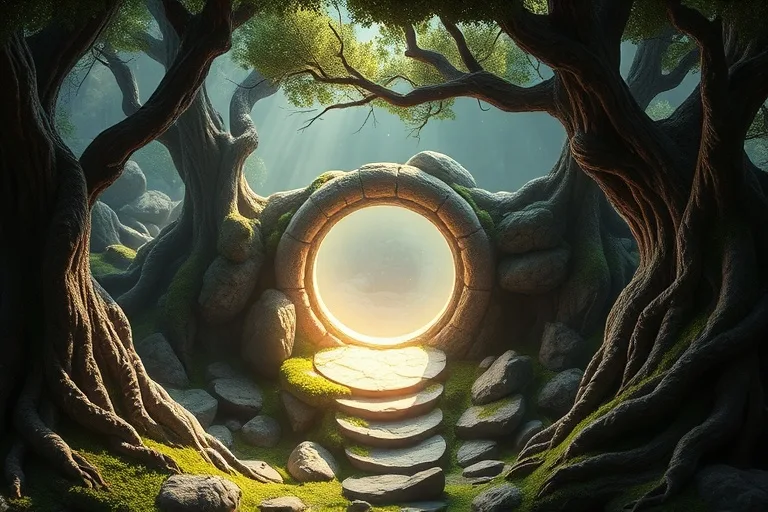 An ethereal gateway opens in an ancient forest, inviting exploration into the unseen dimensions of shamanic journeying.
While often associated with ancient cultures, shamanic journeying has seen a resurgence in modern times as individuals seek alternative paths to well-being and spiritual enlightenment. It provides a structured approach to self-discovery, allowing practitioners to tap into their innate wisdom and address life's challenges from a holistic perspective. This article will delve into the intricacies of shamanic journeying, exploring its historical context, techniques, benefits, and the ethical considerations necessary for a safe and transformative experience.
What is Shamanic Journeying?
Shamanic journeying is a method for conscious exploration of spiritual realms, distinct from dreaming or hallucinating. It involves entering a mild, self-induced trance state, typically facilitated by rhythmic drumming or rattling, to access what shamans call "non-ordinary reality." This state allows the practitioner to perceive and interact with spiritual entities and energies that are not accessible in normal waking consciousness.
Unlike many meditative practices that aim for a state of emptiness or pure awareness, shamanic journeying is an active process. The practitioner embarks on a quest or mission within these spiritual landscapes, seeking specific information, healing energies, or guidance for themselves or others. This journey is often described as traveling to different "worlds" or "levels" of reality, such as the Lower World, Middle World, and Upper World, each with its own characteristics and inhabitants.
The concept of non-ordinary reality is central to shamanism. It posits that the physical world is just one layer of existence, and that other layers, equally real, contain vital information and spiritual resources. Shamans, as spiritual specialists, act as intermediaries between these worlds, bridging the gap between the mundane and the sacred to bring balance and healing to their communities.
Historical and Cultural Roots of Shamanism
Shamanism is one of humanity's oldest spiritual practices, with archaeological evidence suggesting its existence dating back tens of thousands of years. It is a pan-cultural phenomenon, found in diverse societies across every continent, from the indigenous peoples of Siberia and the Americas to ancient European and African cultures. Despite geographical separation, many shamanic traditions share striking similarities in their practices and beliefs, particularly the emphasis on journeying to other realms.
Anthropological studies, such as those by Mircea Eliade in "Shamanism: Archaic Techniques of Ecstasy," highlight the universal nature of the shamanic experience. Eliade described shamans as "masters of ecstasy" who voluntarily enter altered states to communicate with spirits and perform various functions, including healing, divination, and guiding souls. These practices were integral to the survival and well-being of their communities, addressing physical ailments, psychological distress, and communal challenges.
Historically, shamans were revered figures, seen as healers, seers, and keepers of sacred knowledge. Their ability to transcend ordinary reality and interact with the spirit world made them indispensable. The tools and methods varied, but the underlying principle of seeking direct experience with spiritual forces remained constant. This rich heritage informs contemporary shamanic practices, providing a framework for understanding and engaging with these powerful traditions responsibly.
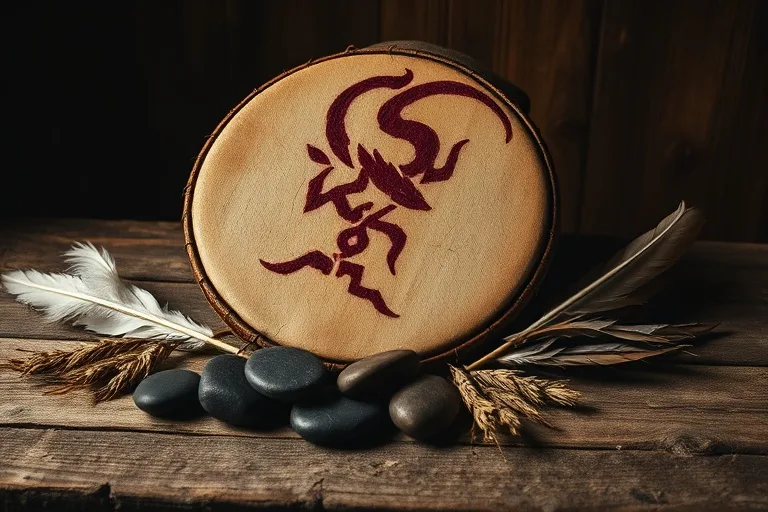 A collection of sacred shamanic tools, including a drum and feather fan, arranged on a rustic altar, ready for spiritual work.
The Purpose and Benefits of Shamanic Journeying
The purposes of shamanic journeying are manifold, ranging from personal healing to communal service. At its core, it is a practice aimed at restoring balance and harmony, both within the individual and between humanity and the natural world. Practitioners often undertake journeys to retrieve lost soul parts, extract spiritual intrusions, or receive guidance on important life decisions.
The benefits of engaging in shamanic journeying can be profound and far-reaching. Many individuals report significant improvements in their emotional and psychological well-being. It can help in processing trauma, reducing anxiety, and overcoming depression by addressing the spiritual roots of these issues. The insights gained often lead to a greater sense of purpose, clarity, and empowerment.
Beyond personal healing, shamanic journeying fosters a deeper connection to nature and the environment. By interacting with plant spirits, animal guides, and the elemental forces, practitioners develop a profound respect for the interconnectedness of all life. This can inspire a more conscious and sustainable way of living, aligning one's actions with the wisdom of the earth.
Here are some key benefits often associated with shamanic journeying:
- Emotional and Psychological Healing: Addressing the spiritual causes of emotional distress, trauma, and mental health challenges.
- Guidance and Clarity: Receiving insights and advice from spirit guides on life path, decisions, and challenges.
- Spiritual Connection: Deepening one's relationship with the spiritual world, nature, and the cosmos.
- Power Retrieval: Recovering lost personal power or soul fragments, leading to increased vitality and wholeness.
- Enhanced Creativity: Tapping into new sources of inspiration and creative expression.
- Increased Self-Awareness: Gaining a clearer understanding of one's inner landscape, strengths, and weaknesses.
- Physical Well-being: Indirectly supporting physical health through stress reduction and energetic rebalancing.
Techniques for Shamanic Journeying
The primary technique for inducing the shamanic trance state is rhythmic sound, most commonly drumming. A consistent, monotonous drumbeat, typically between 200 to 220 beats per minute, helps to shift brainwave patterns from beta (waking consciousness) to theta (a state associated with deep meditation, dreaming, and altered consciousness). This rhythmic entrainment allows the mind to relax its grip on ordinary reality and open to other dimensions.
Other methods include rattling, chanting, dancing, or even prolonged periods of solitude in nature. While some traditional practices historically involved psychoactive plants, modern shamanic journeying, particularly in Western contexts, predominantly relies on sound and intention. The key is to create a consistent sensory input that bypasses the analytical mind.
Before embarking on a journey, it is crucial to set a clear intention. This intention acts as a compass, guiding the practitioner in non-ordinary reality. It could be a question to ask, a healing to seek, or a specific spirit to meet. The journey typically begins with lying down or sitting comfortably, closing the eyes, and focusing on the rhythmic sound, allowing the mind to drift into the trance state.
Visualization plays a significant role once in the trance state. Practitioners often imagine entering non-ordinary reality through a specific "power spot" or portal, such as a hole in the earth, a cave, or a tree. From there, the journey unfolds, guided by the intention and the wisdom of the spirit world. The return from the journey is signaled by a change in the drumbeat, bringing the practitioner back to ordinary consciousness, often with vivid memories and profound insights.
Navigating Non-Ordinary Reality: Guides and Allies
Within non-ordinary reality, practitioners encounter various spiritual beings who act as guides and allies. The most common are power animals and spirit teachers. Power animals are spiritual counterparts to physical animals, embodying specific strengths, wisdom, and protective qualities. They often appear to the journeyer, offering assistance, protection, and guidance throughout the spiritual landscape.
Spirit teachers, on the other hand, often manifest as human-like figures, ancestral spirits, or wise beings from other dimensions. They provide direct teachings, answers to questions, and profound spiritual insights. Building a relationship with these guides is a fundamental aspect of shamanic practice, as they serve as invaluable resources for personal and spiritual development.
 Swirling watercolors depict the fluid, interconnected nature of consciousness, a visual metaphor for the depths explored in shamanic journeying.
The interaction with these allies is often symbolic and intuitive. Messages may come through visions, feelings, sounds, or direct communication. Interpreting these experiences requires practice and trust in one's intuition. It is essential to approach these encounters with respect and a clear intention, always seeking wisdom and healing rather than mere curiosity.
The concept of the "worlds" in non-ordinary reality also aids navigation:
- Lower World: Often depicted as an underworld, this realm is typically where power animals reside. It's a place for grounding, healing, and retrieving lost soul parts.
- Upper World: This celestial realm is usually associated with spirit teachers, ascended masters, and higher wisdom. It's a place for guidance, inspiration, and understanding universal laws.
- Middle World: This mirrors our ordinary reality but is perceived from a spiritual perspective. It's where shamans might work with nature spirits or address energetic imbalances in physical locations.
Ethical Considerations and Responsible Practice
As with any powerful spiritual practice, shamanic journeying requires a strong ethical foundation and responsible engagement. It is not a recreational activity but a sacred work that demands respect, integrity, and a clear understanding of its potential impact. Practitioners must ensure they are in a safe and supportive environment, especially when first learning to journey.
One crucial aspect is the importance of working with experienced and ethical teachers. A good teacher provides guidance, helps interpret experiences, and ensures the safety of the journeyer. They also instill the principles of reciprocity and respect for the spirit world, emphasizing that spiritual power comes with responsibility.
Self-care and integration are also vital. After a journey, it is important to take time to process the experience, journal insights, and integrate any received guidance into daily life. Rushing back into ordinary activities without proper integration can diminish the benefits and lead to feeling ungrounded or overwhelmed.
Ethical considerations also extend to how one uses the information and power gained from journeys. It should always be for the highest good, never for manipulation or harm. Respecting the autonomy of others and seeking consent before undertaking journeys on their behalf are fundamental principles. The Tarot Quantum Mechanics Intersecting Divination Reality are paramount to maintaining the purity of the work.
Shamanic Journeying in the Modern World
In contemporary society, shamanic journeying has found its place as a powerful tool for personal growth, healing, and spiritual development. It offers a counter-narrative to purely materialistic worldviews, providing a pathway to reconnect with deeper spiritual dimensions that are often overlooked in modern life. Many find it particularly helpful for navigating the complexities of stress, burnout, and existential questions.
The accessibility of shamanic drumming tracks and online resources has made the practice more widespread, though it also underscores the importance of proper guidance. While self-study can be a starting point, formal training with a reputable teacher or shamanic practitioner is highly recommended to ensure safety and depth of practice. This helps prevent misunderstandings and ensures that the journeyer is equipped to handle the experiences encountered in non-ordinary reality.
Modern practitioners often integrate shamanic journeying with other modalities, such as psychotherapy, energy healing, or creative arts. This integrative approach allows for a holistic healing process, where spiritual insights complement psychological understanding and practical application. It highlights the adaptability of shamanic principles to contemporary challenges and individual needs.
The practice continues to evolve, with new generations of practitioners adapting ancient wisdom to modern contexts while striving to maintain the integrity and sacredness of the traditions. This blend of ancient and modern offers a rich tapestry of possibilities for those seeking profound spiritual engagement and personal transformation. Understanding is key to this path.
Scientific Perspectives on Altered States of Consciousness
While shamanic journeying is primarily a spiritual practice, it also intersects with scientific understanding of the human mind and consciousness. Research into altered states of consciousness, neurophysiology, and psychology offers intriguing insights into what happens during a shamanic journey. The rhythmic drumming, for instance, has been shown to induce specific brainwave states, particularly theta waves, which are associated with deep relaxation, creativity, and access to subconscious information.
Studies on meditation and trance states often reveal changes in brain activity, including increased activity in areas related to introspection and decreased activity in regions associated with self-orientation and critical thinking. This shift can facilitate the vivid, immersive experiences reported during shamanic journeys, allowing for a different mode of information processing and perception.
From a psychological perspective, the symbolic encounters with power animals and spirit teachers can be understood as archetypal experiences, tapping into the collective unconscious as described by Carl Jung. These archetypes can provide powerful metaphors and guidance for navigating personal challenges, helping individuals access inner resources and integrate fragmented aspects of their psyche. The subjective reality experienced during a journey holds profound meaning and therapeutic potential, regardless of its objective verification.
The therapeutic benefits observed in shamanic practices, such as reduced anxiety and improved emotional regulation, align with findings in modern psychology regarding mindfulness and transpersonal therapies. While science may not fully explain the "spirit world" in empirical terms, it can shed light on the physiological and psychological mechanisms that enable these transformative experiences. This interdisciplinary approach enriches our understanding of both the ancient art of shamanism and the complex nature of human consciousness.
Fuente: Contenido híbrido asistido por IAs y supervisión editorial humana.


Comments
Post a Comment