
Lunar Mansions: Advanced Predictive Astrology Esoteric Symbolism
The Nuances of the Lunar Mansions: Advanced Predictive Astrology & Esoteric Symbolism
The cosmos offers a myriad of tools for understanding our world and ourselves, with astrology standing as one of the oldest and most complex. While many are familiar with the twelve zodiac signs, fewer delve into the profound depths of the Lunar Mansions, also known as Nakshatras in Vedic astrology or Manazil al-Qamar in Arabic traditions. These ancient divisions of the ecliptic provide an intricate layer of predictive insight and rich esoteric symbolism, offering a granular perspective far beyond the broader strokes of planetary positions within zodiacal signs.
Lunar Mansions represent the Moon's daily journey through the heavens, marking its progress against the backdrop of fixed stars. Each mansion carries unique energies, archetypes, and influences that can be harnessed for a more precise understanding of natal charts, electional astrology, and even mundane events. This exploration aims to uncover the historical roots, practical applications, and deep symbolic meanings embedded within these fascinating celestial markers.
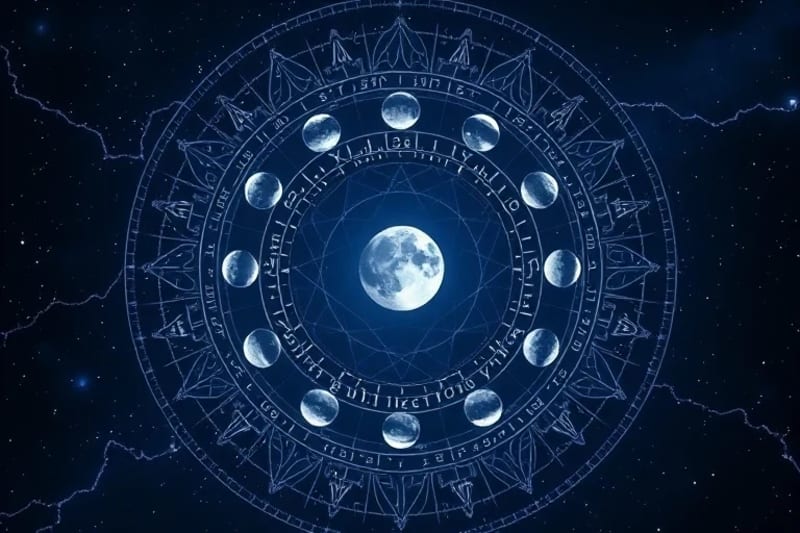
Precursors intellectuales, diagramas fundamentales y representaciones conceptuales que forjaron la visión de los astrólogos sobre las mansiones lunares.
Fuente visual sujeta a disponibilidad del ecosistema: Wikimedia Commons bajo licencia CC BY-SA 4.0 o renderizado conceptual IA.
Table of Contents
- Historical Origins and Cultural Variations
- Structure and Division of the Ecliptic
- Distinction from Western Zodiac Signs
- Predictive Astrology: Unlocking Deeper Insights
- Esoteric Symbolism: Archetypes and Meanings
- Practical Integration in Modern Astrology
- Challenges and Nuances in Interpretation
- Conclusion: The Enduring Wisdom of Lunar Mansions
Historical Origins and Cultural Variations
The concept of Lunar Mansions is ancient, predating many modern astrological systems. Its origins can be traced back to several distinct cultures, each developing their own unique systems for dividing the Moon's path across the sky. The most prominent traditions include the Vedic (Indian) Nakshatras, the Arabic Manazil al-Qamar, and the Chinese Xiù (宿).
Vedic Astrology (Nakshatras): In India, the system of 27 Nakshatras is fundamental to Vedic astrology. Each Nakshatra spans 13 degrees and 20 minutes of the ecliptic, and they are named after prominent stars or asterisms. They are deeply intertwined with Hindu mythology, deities, and specific life energies, influencing personality traits, destiny, and auspicious timings for rituals and life events.
Arabic Astrology (Manazil al-Qamar): The Arabic tradition features 28 Lunar Mansions, each associated with specific magical properties, talismans, and electional uses. These mansions were crucial for navigating by sea and desert, and for determining propitious times for various undertakings, from planting crops to initiating battles. Their influence extended to medieval European astrology through translations of Arabic texts.
Chinese Astrology (Xiù): The Chinese system also utilizes 28 Lunar Mansions, known as Xiù, which are grouped into four celestial palaces or symbols: the Azure Dragon of the East, the Vermilion Bird of the South, the White Tiger of the West, and the Black Tortoise of the North. Each Xiù is associated with specific constellations and plays a vital role in Chinese astronomy, feng shui, and destiny calculations.
Despite their cultural variations, the underlying principle remains consistent: dividing the Moon's approximately 27.3-day sidereal cycle into segments, each imbued with distinct astrological significance. This cross-cultural consistency underscores the universal human fascination with the Moon's rhythmic journey and its perceived influence on earthly affairs.
Structure and Division of the Ecliptic
The ecliptic, the apparent path of the Sun across the celestial sphere, is the foundational circle for all astrological systems. While the Western zodiac divides this circle into twelve 30-degree segments, Lunar Mansions offer a finer division. The most common systems use either 27 or 28 mansions.
27 Mansions: Predominant in Vedic astrology, each Nakshatra covers 13 degrees and 20 minutes (360 degrees / 27 = 13.333... degrees). This system aligns perfectly with the sidereal lunar cycle, where the Moon returns to the same position relative to the fixed stars every 27.3 days.
28 Mansions: Found in Arabic and Chinese traditions, these systems often account for the Moon's synodic cycle (new moon to new moon), which is approximately 29.5 days. The slight discrepancy in degrees per mansion (360 degrees / 28 = 12.857... degrees) is managed through various astronomical adjustments or by considering certain mansions as more influential than others.
Each mansion is not merely a segment of space but is associated with a specific star or group of stars, a ruling deity, a planetary ruler, an animal totem, and various other symbolic attributes. These associations create a rich tapestry of meaning that can be interpreted to understand the subtle energies at play during a specific time or within an individual's birth chart.
Distinction from Western Zodiac Signs
Understanding the Lunar Mansions requires a shift in perspective from the familiar Western tropical zodiac. The primary differences lie in their astronomical basis, their focus, and their application.
| Feature | Western Tropical Zodiac | Lunar Mansions (Nakshatras/Manazil) |
|---|---|---|
| Basis | Seasonal, based on Earth's tilt relative to the Sun (vernal equinox). | Sidereal, based on fixed stars and the Moon's actual position. |
| Divisions | 12 signs, each 30 degrees. | 27 or 28 mansions, each approx. 13 degrees 20 minutes. |
| Primary Focus | Sun's position, personality, ego, life path. | Moon's position, emotional nature, subconscious, timing, daily events. |
| Application | Natal chart interpretation, psychological profiles. | Predictive astrology, electional astrology, specific events, subtle influences. |
| Speed | Sun moves through one sign per month. | Moon moves through one mansion per day. |
While the zodiac signs describe the overarching themes of one's personality and life purpose, Lunar Mansions offer a more nuanced and dynamic understanding, particularly regarding the emotional and subconscious realms, as well as the timing of events. They act as a magnifying glass, revealing the intricate details that broader zodiacal placements might obscure.
Predictive Astrology: Unlocking Deeper Insights
One of the most potent applications of Lunar Mansions is in predictive astrology. By tracking the Moon's daily progression through these mansions, astrologers can gain insights into the prevailing energies of the day, week, or even specific hours. This makes them invaluable for electional astrology, which focuses on choosing auspicious moments for initiating activities.

Abstract watercolor representations of the diverse energies within the lunar mansions.
Natal Chart Analysis: The Nakshatra where one's Moon is placed at birth is considered highly significant in Vedic astrology, often revealing more about one's fundamental nature, emotional patterns, and subconscious drives than the Sun sign. It can indicate inherent talents, challenges, and even past life influences.
Electional Astrology: Each mansion is deemed favorable or unfavorable for certain activities. For example, some mansions are excellent for starting new ventures, others for healing, and some are best avoided for any significant undertakings. This precision in timing can significantly impact the outcome of events, from signing contracts to undergoing surgery.
Mundane Astrology: Lunar Mansions can also be applied to larger societal and global trends. By observing the Moon's transit through specific mansions, astrologers can predict periods of social unrest, economic shifts, or natural phenomena, offering a unique lens for understanding collective experiences.
Daily Forecasts: On a personal level, knowing which mansion the Moon is transiting can help individuals align their daily activities with cosmic energies, making them more productive and harmonious. For a deeper understanding of advanced timing techniques, exploring resources on advanced harmonic astrology can be beneficial.
Esoteric Symbolism: Archetypes and Meanings
Beyond their predictive utility, Lunar Mansions are rich with esoteric symbolism, each embodying a unique archetype, myth, and spiritual lesson. This symbolism is derived from their associated stars, ruling deities, planetary influences, and elemental qualities.
Deities and Mythology: In Vedic tradition, each Nakshatra is ruled by a specific deity from the Hindu pantheon, whose stories and attributes provide profound insights into the mansion's energy. For instance, Ashwini, the first Nakshatra, is ruled by the Ashwini Kumaras, divine healers, symbolizing swiftness, healing, and new beginnings.
Planetary Rulers: Each mansion is also governed by a planet, which further refines its expression. For example, a mansion ruled by Mars might embody assertive and energetic qualities, while one ruled by Venus would emphasize creativity and relationships.
Animal Totems and Symbols: Many traditions associate specific animals with each mansion, representing their core characteristics. These totems can offer intuitive guidance and a deeper connection to the mansion's natural essence. Symbols like a chariot, a bow, or a lotus also carry specific meanings, enriching the interpretive layer.
Gunas and Doshas: In Vedic astrology, Nakshatras are also classified by Gunas (Sattva, Rajas, Tamas – modes of nature) and Doshas (Vata, Pitta, Kapha – elemental constitutions), providing insights into one's spiritual inclinations, temperament, and health predispositions. This connection to health is also explored in medical astrology.
The esoteric symbolism of Lunar Mansions provides a framework for self-discovery and spiritual growth. By meditating on the symbols, deities, and stories associated with one's natal Moon Nakshatra, individuals can gain a deeper understanding of their inner landscape and their unique path in life.
Practical Integration in Modern Astrology
While Lunar Mansions are rooted in ancient traditions, their relevance in modern astrological practice is undeniable. Contemporary astrologers often integrate these systems to add layers of precision and depth to their readings, moving beyond the generalized interpretations of zodiac signs.
A conceptual 3D render illustrating the intricate web of esoteric symbolism in advanced astrology.
Enhanced Natal Readings: By examining the Nakshatra placement of not just the Moon, but also the Sun, ascendant, and other planets, astrologers can provide highly individualized insights into a person's character, talents, and challenges. This offers a more granular understanding of personality nuances and karmic patterns.
Relationship Compatibility: In Vedic astrology, Nakshatra compatibility is a cornerstone of marital matching. The specific interactions between the Nakshatras of two individuals can reveal deep insights into their emotional and spiritual alignment, offering a more profound assessment than Sun sign compatibility alone.
Timing of Events: For those seeking to optimize outcomes, understanding the current Lunar Mansion is crucial. Whether it's launching a business, scheduling a wedding, or planning a journey, aligning with the auspicious energies of a particular mansion can significantly enhance success and minimize obstacles. This is especially true when considering planetary hours for daily rituals.
Spiritual Practices: Many mansions are associated with specific spiritual practices, meditations, or deities. Working with these energies can deepen one's spiritual journey, facilitate healing, and enhance manifestation efforts. This aligns with broader esoteric practices aimed at spiritual development.
Challenges and Nuances in Interpretation
Despite their immense value, working with Lunar Mansions presents certain complexities and requires careful consideration. The nuances of interpretation demand a thorough understanding of the various systems and their historical contexts.
System Variations: As noted, there are 27-mansion and 28-mansion systems, with slight differences in their starting points and divisions. An astrologer must be consistent in the system they employ and understand its specific rules and interpretations.
Sidereal vs. Tropical: Lunar Mansions are inherently sidereal, meaning they are fixed against the background stars. This contrasts with the tropical zodiac used in most Western astrology, which is based on the seasons. Astrologers must account for the precession of the equinoxes when correlating these systems.
Depth of Symbolism: The sheer volume of symbolic associations for each mansion – deities, planets, elements, animals, qualities – can be overwhelming. A deep dive into mythology and esoteric traditions is often necessary to fully grasp their meaning.
Integration with Other Factors: Lunar Mansions should not be interpreted in isolation. They must be considered in conjunction with planetary aspects, house placements, and other astrological factors in a chart to form a coherent and accurate reading. Their true power emerges when integrated holistically into a comprehensive astrological analysis.
Conclusion: The Enduring Wisdom of Lunar Mansions
The Lunar Mansions represent an extraordinary facet of advanced astrology, offering unparalleled depth in predictive analysis and a rich tapestry of esoteric symbolism. From their ancient origins in Vedic, Arabic, and Chinese traditions to their sophisticated applications in modern practice, these celestial divisions provide a powerful lens through which to view the subtle energies influencing our lives.
By understanding the unique characteristics, deities, and planetary rulers of each mansion, individuals and astrologers alike can unlock a more nuanced comprehension of natal charts, optimize timing for important events, and embark on a deeper journey of self-discovery and spiritual alignment. Embracing the wisdom of the Lunar Mansions is to embrace a more intricate, profound, and ultimately more accurate understanding of the cosmic dance that shapes our existence.
Explore More Astrological Insights
Mutual Reception Astrology: Planetary Cooperation Chart Strength
Crystalline Grids Chakra Alignment Advanced Energetic Healing
Crystal Grids Planetary Retrogrades: Energetic Balance Guide
Source: Hybrid content assisted by AI and human editorial supervision.


Comments
Post a Comment