
Urban Geomancy Aligning City Dwellings for Well-being
Urban geomancy represents a sophisticated and often overlooked discipline that seeks to harmonize the built environment of cities with the natural energetic flows of the Earth and cosmos. Far from being a mere superstitious practice, it is an ancient art and science rooted in the belief that the placement and design of human settlements profoundly influence the well-being, prosperity, and spiritual health of their inhabitants. In an increasingly dense and technologically driven world, the principles of urban geomancy offer a compelling framework for creating more livable, sustainable, and energetically balanced urban spaces.
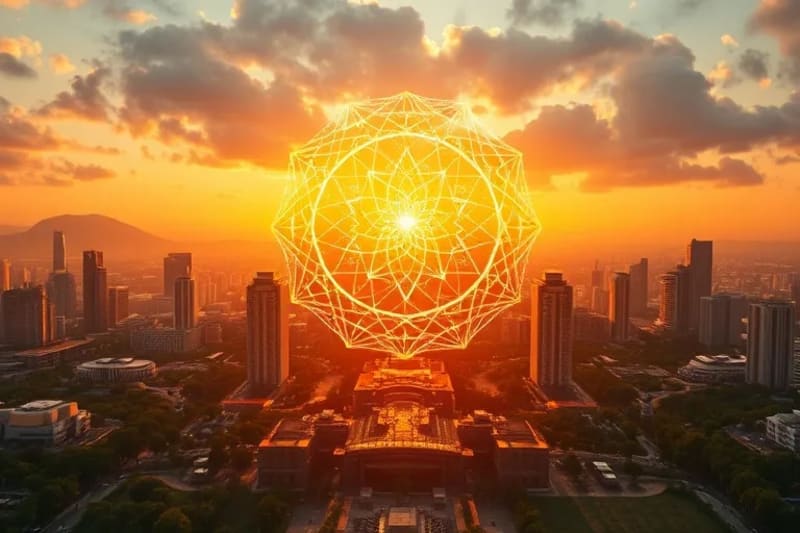
Conceptual cityscapes and energetic patterns illustrating the principles of urban geomancy.
Fuente visual sujeta a disponibilidad del ecosistema: Wikimedia Commons bajo licencia CC BY-SA 4.0 o renderizado conceptual IA.This article delves into the intricate layers of urban geomancy, exploring its historical precedents, fundamental principles, and practical applications in contemporary urban planning and architecture. We will examine how ancient wisdom traditions, from Feng Shui to Vastu Shastra, provide timeless insights into optimizing spatial arrangements for celestial well-being, and how these concepts can be adapted to address the unique challenges of modern metropolitan areas.
The goal is to move beyond superficial interpretations and engage with the deeper scientific and philosophical underpinnings that connect human health and consciousness to the energetic landscape of our cities. By understanding and applying geomantic principles, urban dwellers and planners can cultivate environments that foster not just physical comfort but also mental clarity, emotional balance, and spiritual growth.
Table of Contents
- Historical Roots and Global Perspectives
- Core Principles of Urban Geomancy
- Practical Applications in Modern Cities
- Benefits for Well-being and Productivity
- Challenges and Future of Urban Geomancy
- Conclusion: Harmonizing Urban Spaces
Historical Roots and Global Perspectives
The practice of geomancy, the art of placement, is as old as civilization itself, with roots tracing back to various indigenous cultures and ancient empires across the globe. From the megalithic structures of prehistoric Europe to the meticulously planned cities of ancient China and India, early societies recognized the profound connection between the Earth's energies and human prosperity. These traditions often involved a deep understanding of natural phenomena, celestial alignments, and the subtle energetic currents that permeate landscapes.
One of the most well-known forms of geomancy is Feng Shui, originating from ancient China. Feng Shui, meaning "wind and water," is a complex system for arranging buildings, spaces, and objects to achieve harmony and balance with the environment. Its principles are based on the flow of "qi" (life force energy), the five elements (wood, fire, earth, metal, water), and the balance of Yin and Yang. Masters of Feng Shui would meticulously analyze topography, water sources, and celestial orientations to determine the most auspicious locations for settlements, temples, and homes.
Similarly, Vastu Shastra, an ancient Indian science of architecture and construction, provides guidelines for designing and building structures in harmony with natural laws. Vastu principles consider directions, elements, and cosmic energies to create spaces that promote health, wealth, and happiness. Its texts detail specific orientations for rooms, placement of entrances, and use of materials to optimize energetic flow. Both Feng Shui and Vastu Shastra share a common underlying philosophy: that the physical environment is an extension of our inner landscape, and aligning the former can positively impact the latter.
Beyond these prominent examples, geomantic traditions can be found in Celtic, Egyptian, and Native American cultures, among others. These practices often involved identifying sacred sites, aligning structures with solstices and equinoxes, and understanding the energetic pathways known as "ley lines" or "dragon currents." The consistent recurrence of these principles across disparate cultures underscores a universal human intuition about the energetic quality of space and its influence on human experience, a concept also explored in the cyclical patterns of Chrono Astrology.
Core Principles of Urban Geomancy
At its heart, urban geomancy operates on several fundamental principles that govern the interaction between living beings and their built environment. These principles are not static rules but dynamic guidelines that require sensitivity and intuition in their application.
- Qi/Prana Flow: This is the life force energy that animates all things. In urban geomancy, the goal is to ensure a smooth, unobstructed, and balanced flow of qi through cityscapes, buildings, and individual rooms. Stagnant or overly aggressive qi can lead to imbalance and discomfort.
- Yin and Yang Balance: The interplay of complementary forces—light and dark, active and passive, masculine and feminine—is crucial. Urban spaces need a balance of vibrant, active areas (Yang) and calm, reflective zones (Yin) to support diverse human needs.
- Five Elements Theory: Wood, Fire, Earth, Metal, and Water represent different qualities and energies. Their balanced integration in urban design—through materials, colors, shapes, and landscaping—is believed to foster harmony and support specific functions.
- Cardinal Directions and Orientation: The alignment of structures with cardinal directions (North, South, East, West) and their associated energies is paramount. Each direction is linked to specific planetary influences, seasons, and life aspects, impacting the flow of energy within a space.
- Landscape and Topography: Even in urban settings, the underlying landscape plays a critical role. Hills, rivers (even if channeled underground), and geological formations influence the energetic blueprint of a city. Geomancers assess these features to understand the natural "bones" of the land.
- Symbolism and Form: Shapes, structures, and symbols within the urban fabric carry energetic weight. Sharp angles, towering skyscrapers, or sprawling highways can create different energetic impressions compared to curved paths, open plazas, or natural parks.
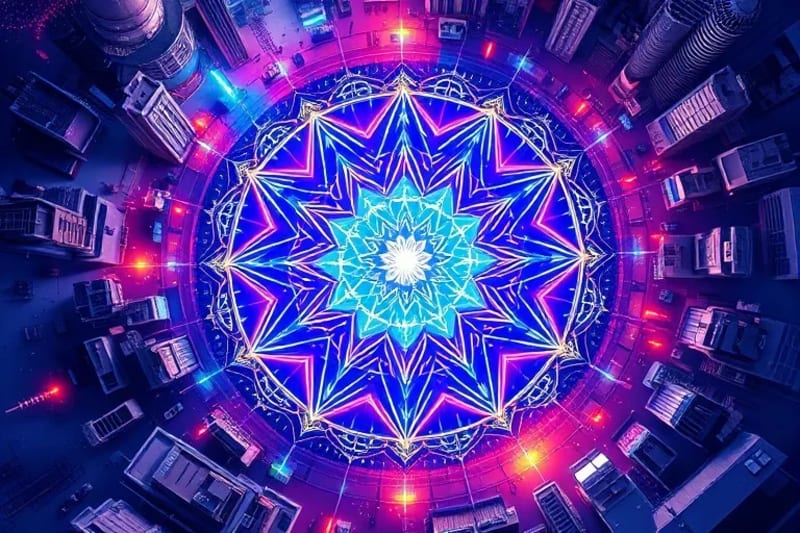
Abstract representation of energy currents flowing through a stylized urban landscape.
Understanding these principles allows urban geomancers to diagnose energetic imbalances and propose interventions. For instance, a city block dominated by harsh, angular buildings and fast-moving traffic might generate an excess of aggressive Yang energy, leading to stress and agitation. Conversely, an area with too much stagnant water or overgrown, unkempt spaces might foster a heavy Yin energy, leading to lethargy or depression. The goal is always to achieve dynamic equilibrium, where energy flows freely and supports life.
The application of these principles extends beyond mere aesthetics; it delves into the subtle energetic qualities of materials, the impact of electromagnetic fields (EMFs) from modern technology, and even the collective consciousness imprinted upon a place. It's about creating a holistic environment that nourishes the human spirit, much like understanding astrological modalities can help categorize and understand different energy expressions.
Practical Applications in Modern Cities
Adapting ancient geomantic wisdom to the complexities of modern urban environments requires innovative thinking and a multidisciplinary approach. Urban geomancy is not about demolishing existing structures but about intelligently integrating energetic principles into new developments and revitalizing old ones. Here are some practical applications:
- Site Selection and Planning: Before construction, geomancers can assess potential sites for their energetic qualities, identifying areas with positive ley lines, beneficial water flows, and auspicious directional alignments. This can inform the optimal placement of buildings, roads, and green spaces.
- Architectural Design: Incorporating geomantic principles into building design involves more than just aesthetics. It includes considerations for building orientation, window placement for natural light and ventilation, material selection (natural vs. synthetic), and the shape and flow of interior spaces to facilitate positive energy movement.
- Urban Layout and Infrastructure: At a city-wide scale, geomancy influences the design of street networks, public parks, water features, and transportation systems. Creating curvilinear paths, strategically placed open spaces, and accessible green corridors can enhance the city's overall energetic vitality.
- Mitigating Negative Energies: Modern cities are rife with potential energetic disruptions, such as electromagnetic pollution from cell towers and power lines, noise pollution, and the "concrete jungle" effect. Geomantic interventions can include strategic landscaping, water features, use of specific crystals or minerals, and architectural adjustments to deflect or neutralize these negative influences.
- Green Spaces and Biophilic Design: Integrating nature into urban environments is a core geomantic principle. Biophilic design, which seeks to connect occupants with nature, aligns perfectly with geomancy by enhancing natural light, incorporating plants and water, and using natural patterns and materials to foster a sense of calm and well-being.
- Community and Public Spaces: Designing public squares, community centers, and parks with geomantic awareness can create spaces that encourage positive social interaction, relaxation, and collective well-being. This involves considering flow, seating arrangements, and the symbolic meaning of elements within the space.
For example, the strategic placement of water features in a city can not only enhance aesthetics but also symbolically and energetically cleanse and vitalize an area. Similarly, the careful selection of building materials, favoring natural and sustainable options, can contribute to a more harmonious energetic signature for urban structures. These applications demonstrate a shift from purely functional urban planning to a more holistic approach that considers the subtle, unseen forces at play.
Benefits for Well-being and Productivity
The ultimate goal of urban geomancy is to create environments that support human flourishing in its broadest sense. The benefits extend far beyond mere comfort, impacting physical health, mental clarity, emotional stability, and even collective productivity. When cities and individual dwellings are aligned with celestial and telluric energies, the inhabitants experience a palpable difference in their quality of life.
- Enhanced Physical Health: Harmonious environments can reduce stress, improve sleep quality, and even bolster the immune system. By optimizing natural light, air circulation, and minimizing exposure to harmful EMFs, geomancy contributes to a healthier living space. This aligns with holistic health approaches, such as those explored in Medical Astrology, which views health as an intricate interplay of various influences.
- Improved Mental Clarity and Focus: Spaces with balanced energy flow are conducive to concentration and cognitive function. Reduced energetic clutter and a sense of order can help clear the mind, making it easier to focus on tasks and engage in creative thinking.
- Emotional Balance and Reduced Stress: A geomantically aligned environment fosters a sense of peace and security. This can significantly reduce anxiety, irritability, and overall stress levels, promoting emotional well-being and a more positive outlook.
- Increased Productivity and Creativity: Whether in homes or workplaces, optimal energy flow can stimulate innovation and efficiency. When people feel comfortable and supported by their surroundings, they are naturally more motivated and productive.
- Stronger Community Bonds: Well-designed public spaces, incorporating geomantic principles, can encourage positive social interaction, foster a sense of community, and reduce feelings of isolation. This creates a more cohesive and supportive urban fabric.
- Environmental Harmony: By emphasizing natural materials, sustainable practices, and integration with the landscape, urban geomancy promotes ecological balance and a deeper respect for the Earth. This leads to more sustainable and resilient urban ecosystems.
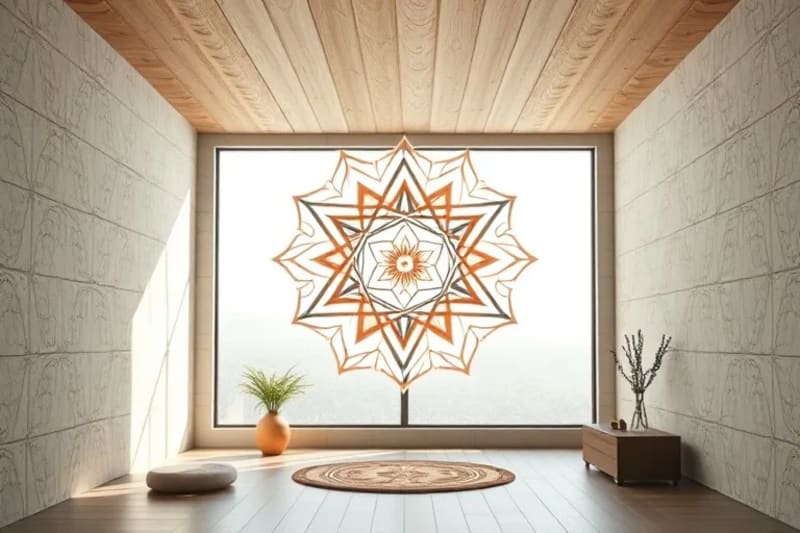
Serene, minimalist interior space within a modern city dwelling, symbolizing balance and well-being.
These benefits are not merely anecdotal; a growing body of research in environmental psychology and neuro-architecture supports the idea that our surroundings profoundly impact our physiology and psychology. By consciously shaping our urban environments through geomantic principles, we can create cities that are not just functional but truly nurturing, enabling individuals to thrive and reach their full potential. This intentional alignment of space with purpose echoes the principles of Manifesting with Celestial Mechanics, where aligning intentions with cosmic forces is key.
Challenges and Future of Urban Geomancy
Despite its profound potential, the integration of urban geomancy into mainstream city planning faces significant challenges. Modern urban development is often driven by economic imperatives, speed of construction, and regulatory frameworks that rarely account for subtle energetic considerations. The sheer scale and complexity of existing urban infrastructure also present formidable obstacles to comprehensive geomantic redesign.
One major challenge is the pervasive electromagnetic pollution (EMP) from wireless technologies, power grids, and electronic devices. These invisible fields can disrupt natural energetic flows and potentially impact human health. Geomancers must develop sophisticated strategies to mitigate these effects, perhaps through shielding materials, strategic placement of technology, or the use of specific natural elements that can harmonize these frequencies.
Another hurdle is the skepticism from conventional urban planners and architects who may view geomancy as unscientific or esoteric. Bridging this gap requires rigorous research, empirical data, and clear demonstrations of the tangible benefits of geomantically informed design. Collaborative projects that integrate geomantic insights with sustainable architecture, ecological urbanism, and smart city technologies could pave the way for broader acceptance.
The future of urban geomancy lies in its ability to evolve and integrate with cutting-edge technologies and contemporary urban challenges. This includes leveraging advanced mapping and simulation tools to visualize energetic flows, developing new materials that resonate harmoniously with natural frequencies, and fostering interdisciplinary collaborations between geomancers, architects, environmental scientists, and public health experts. Education and public awareness will also be crucial in shifting perceptions and building demand for energetically conscious urban spaces.
As cities continue to grow and densify, the need for holistic approaches to urban planning becomes ever more critical. Urban geomancy offers a timeless wisdom that, when thoughtfully adapted, can guide us toward creating cities that are not just functional and efficient, but also profoundly nurturing and spiritually resonant—places where human beings can truly thrive in harmony with their environment.
Conclusion: Harmonizing Urban Spaces
Urban geomancy, far from being an outdated relic, presents a vital and increasingly relevant paradigm for designing and living in our modern cities. By recognizing the subtle energetic interplay between human beings and their built environment, we can move beyond purely utilitarian urban planning to create spaces that actively support well-being, harmony, and spiritual growth. The ancient wisdom embedded in traditions like Feng Shui and Vastu Shastra provides a profound foundation, offering principles that can be adapted and innovated for the complexities of the 21st century.
The journey towards geomantically aligned cities is a collaborative one, requiring open-mindedness, interdisciplinary cooperation, and a renewed respect for the unseen forces that shape our lives. As we continue to build and expand our urban landscapes, embracing urban geomancy offers a path to not just constructing buildings, but cultivating vibrant, healthy, and energetically balanced ecosystems where humanity and nature can coexist in profound harmony.
Source: Hybrid content assisted by AI and human editorial supervision.


Comments
Post a Comment